

Published: May 2, 2024 | Last Updated: January 19, 2026

Identifying a film’s genrecan help you target the right audiences and tailor marketing strategies. Genres have multiple functions that are helpful for anyone interested in film, either out of interest or professionally:
- Genres shape viewer expectations about the film’s tone, pace, and style. From a producer‘s and distributor’s point of view, these are key aspects to know.
- Understanding genres is great for analyzing filmmaking techniques, themes, and historical relevance.
- Genres serve as a practical organizational tool.
Below is a genre taxonomy of 24 main movie genres, including three common subgenres for each main genre.
Of course, there are unlimited subgenres and niches, so the three provided are to give you some ideas. You can read more about what a subgenre is and how they form here. I’ve included a brief description and movie examples for each genre and subgenre.
Read more on the definition of genre.
Action
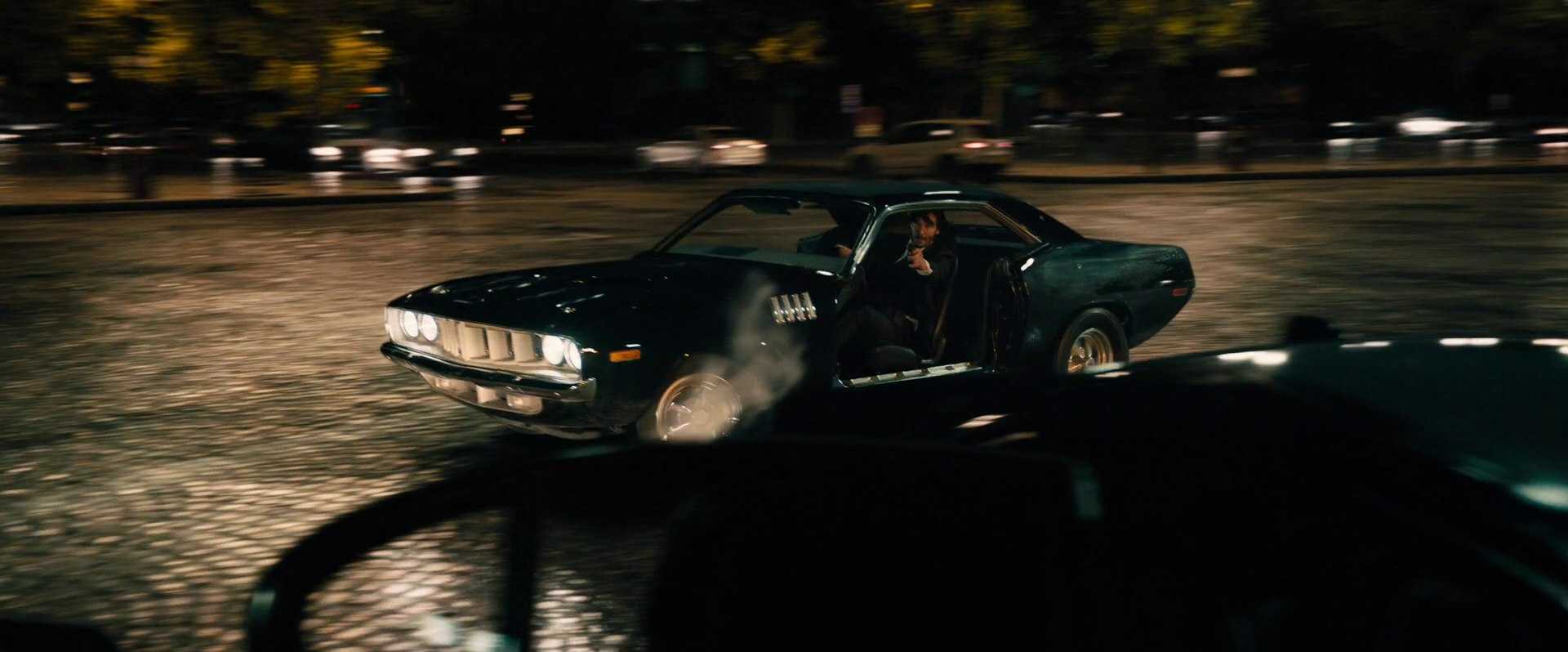
Action is a genre characterized by high-energy sequences, including physical stunts, chases, fights, and explosions. Action films often feature a clear protagonist facing a villain or obstacle. Action films emphasize visual spectacle and are typically plot-driven, prioritizing excitement and movement over deep character development.
Subgenres:
- Martial Arts: Focuses on combat scenes featuring martial arts techniques.
- Crouching Tiger, Hidden Dragon (2000), Enter the Dragon (1973)
- Action Comedy: Combines action’s thrills with comedy’s humor.
- Rush Hour (1998), Deadpool (2016)
- Superhero: Centers on characters with superhuman abilities or powers.
- The Dark Knight (2008), Avengers: Endgame (2019)
Read more about when stunt work goes wrong.
Adventure
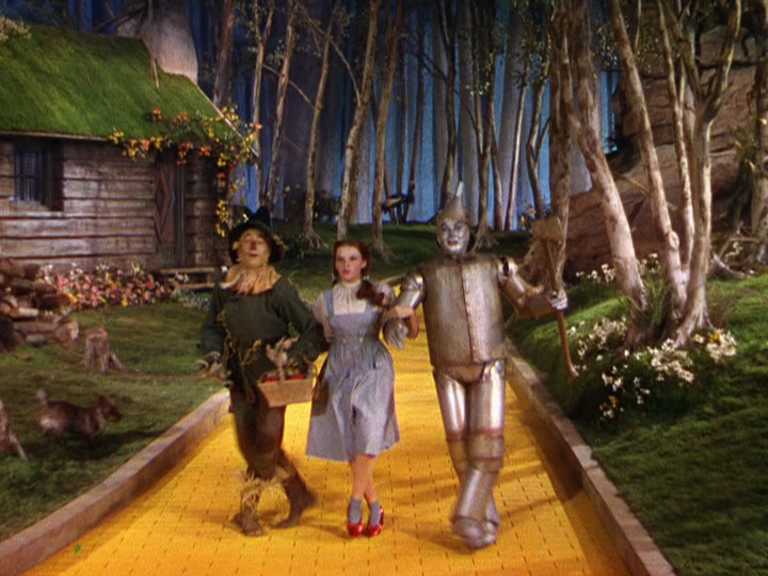
Adventure films often overlap with action – but not always! The adventure genre focuses on an exploratory journey or quest. The plot often follows the Hero’s Journey story structure. Characters often travel to exotic or dangerous locales, encountering challenges. Adventure films emphasize discovery and heroism, often with themes of bravery, survival, and the unknown.
Subgenres:
- Survival Adventure: Characters struggle to survive in extreme conditions.
- Cast Away (2000), 127 Hours (2010)
- Epic: Grand in scale, often involving journeys or quests.
- Lawrence of Arabia (1962), Braveheart (1995)
- Treasure Hunt: Characters search for hidden or lost treasures.
- Indiana Jones and the Raiders of the Lost Ark (1981), National Treasure (2004)
Comedy

Comedy is a genre designed to entertain and provoke laughter. Comedy films use humor through various means, including satire, parody, slapstick, and wit. This genre spans subgenres like romantic comedy, dark comedy, and screwball, each with a unique spin on the genre. However, all focus on situations and characters that humorously highlight human flaws and societal norms.
Subgenres:
- Romantic Comedy: Humorous storylines centered around romantic relationships.
- When Harry Met Sally (1989), Crazy Rich Asians (2018)
- Slapstick: Comedy based on silly, exaggerated physical actions.
- Dumb and Dumber (1994), The Mask (1994)
- Black Comedy (Dark Comedy): Humor derived from darker aspects of life.
- Fargo (1996), In Bruges (2008)
- Blue Comedy: Humor based on sex, profanity, or taboo subjects.
- American Pie (1999), The 40-Year-Old Virgin (2005)
Read more on movie puns.
Drama

Image Credit: Bold Films / Blumhouse Productions / Right of Way Films
Drama is characterized by serious, plot-driven narratives that explore realistic settings. Drama films focus on character development, moral conflicts, and social themes. They often deal with emotional or intense situations, aiming to depict genuine human struggles and provoke empathy or reflection.
Subgenres:
- Legal Drama: Focus on legal proceedings and law-related conflicts.
- A Few Good Men (1992), The Verdict (1982)
- Period Drama/piece: Set in a specific historical period.
- Pride and Prejudice (2005), The Favourite (2018)
- Melodrama: Emphasizes emotional and dramatic situations.
- Titanic (1997), The Notebook (2004)
Fantasy

Fantasy is defined by its use of magical elements, fantastical worlds, and supernatural creatures. Films in this genre often create unique mythologies or alternate universes. The genre explores the impossible or imaginary, frequently using metaphor to address broader themes of power, morality, and heroism.
Subgenres:
- High Fantasy: Features magical elements, often in an alternative or medieval universe.
- The Lord of the Rings: The Fellowship of the Ring (2001), The Hobbit: An Unexpected Journey (2012)
- Dark Fantasy: Incorporates darker and sometimes horrifying themes.
- Pan’s Labyrinth (2006), The Witch (2015)
- Urban Fantasy: Fantasy narrative with an urban setting.
- Harry Potter and the Sorcerer’s Stone (2001) and Hellboy (2004)—regarding the latter, see also Steampunk!
Read more on the difference between high fantasy and low fantasy films.
Historical
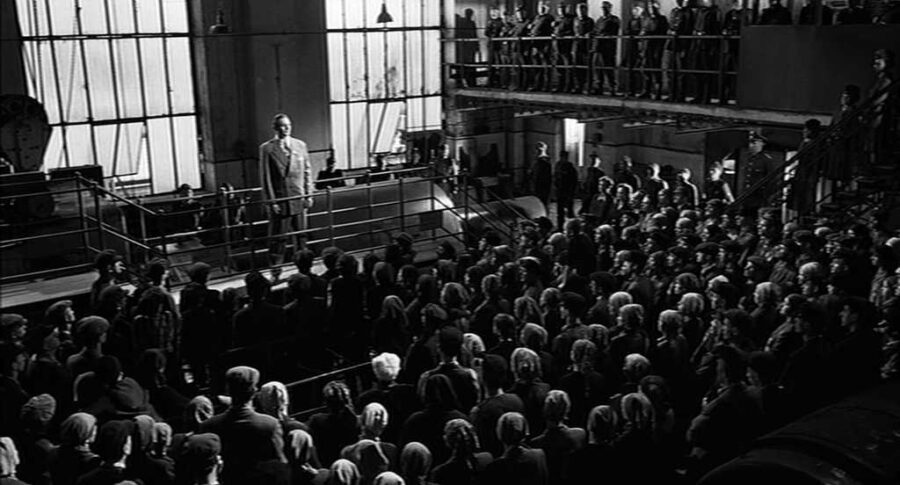
Historical films explore significant past events, often recreating specific time periods with accuracy in setting, costume, and culture. The historical genre can include subgenres like historical drama, which prioritizes narrative, and historical epics, which emphasize grand events or figures.
Subgenres:
- Period Pieces: Dramatizations of a particular historical period.
- Amadeus (1984), Barry Lyndon (1975)
- Biographical (Biopic): Based on the life of a real person.
- Lincoln (2012), Bohemian Rhapsody (2018)
- War: Centers on warfare, typically focusing on battles or soldiers’ experiences.
- Saving Private Ryan (1998), Dunkirk (2017)
Horror
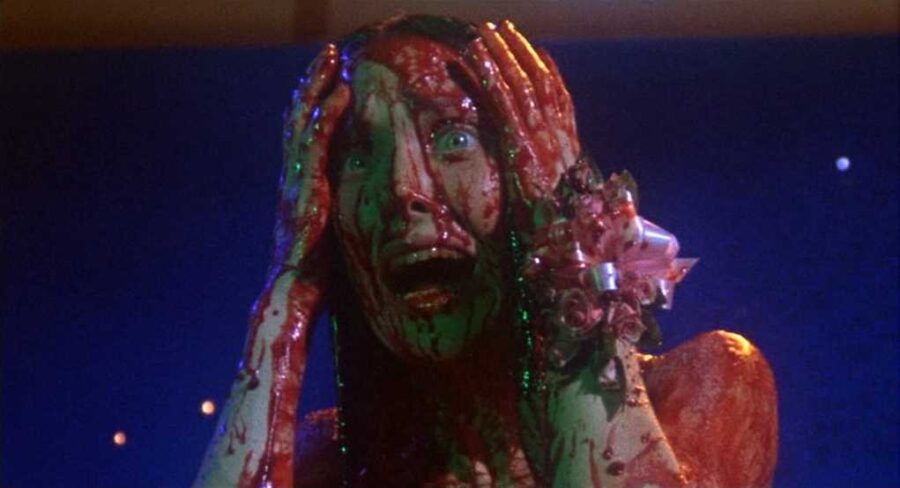
Horror is a genre designed to evoke fear, anxiety, and suspense. Horror films play on primal fears through suspense, gore, supernatural elements, or psychological tension. The genre includes subgenres like slasher, supernatural, and psychological horror, each employing different techniques to induce terror and unease in the audience.
Subgenres:
- Slasher: Features a killer stalking and murdering a group of people.
- Halloween (1978), Scream (1996). See more good slasher horrors to study.
- Supernatural Horror: Involves paranormal or otherworldly elements.
- The Conjuring (2013), The Exorcist (1973)
- Psychological Horror: Focuses on the mental, emotional, and psychological states to frighten.
- The Shining (1980), Black Swan (2010)
See a comprehensive list of horror subgenres.
Science Fiction (Sci-Fi)
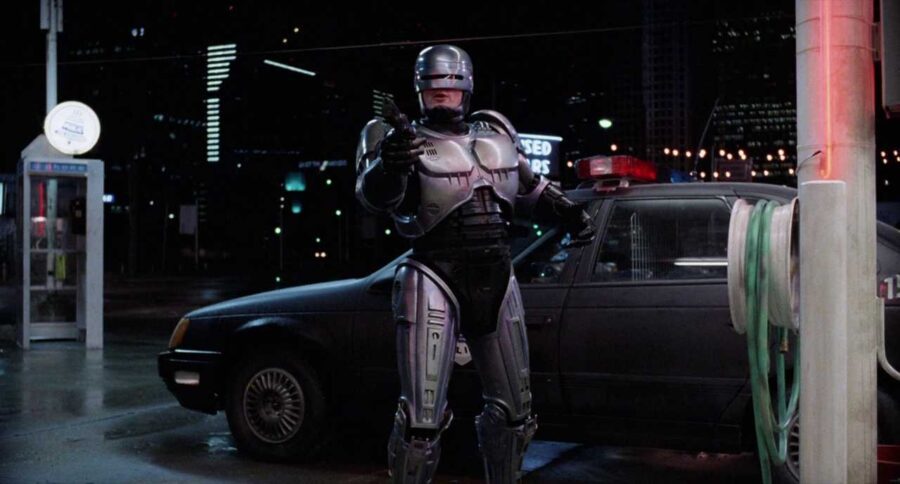
Sci-fi movies explore futuristic or speculative settings, using scientific principles as a foundation. They examine technology, space, artificial intelligence, and dystopian themes, often questioning human advancement and ethical boundaries.
Where fantasy uses magic, sci-fi movies use futuristic technology to achieve similar goals (e.g., a magical portal vs. a nuts-and-bolts portal). It makes sense as “any sufficiently advanced technology is indistinguishable from magic.”
Subgenres:
- Dystopian Fiction: Set in an imagined future with oppressive societal control.
- Blade Runner (1982), The Hunger Games (2012)
- Space Opera: Epic scale, often set in outer space with dramatic themes.
- Star Wars: Episode IV – A New Hope (1977), Guardians of the Galaxy (2014)
- Cyberpunk: Focuses on high-tech and low-life scenarios, often futuristic.
- Ghost in the Shell (1995), Alita: Battle Angel (2019)
Mystery

Mystery movies are focused on solving a puzzle or a crime. They follow characters, often detectives or amateurs, piecing together clues. The genre relies on suspense and complex plotting to engage viewers in unraveling the secrets, leading to a resolution that reveals hidden truths.
Subgenres:
- Whodunit: A complex, plot-driven variety of detective story.
- Knives Out (2019), Murder on the Orient Express (2017)
- Crime Mystery: Centers around a crime that needs solving.
- Se7en (1995), Zodiac (2007)
- Paranormal Mystery: Involves supernatural elements in a mystery plot.
- The Sixth Sense (1999), Stir of Echoes (1999)
Romance
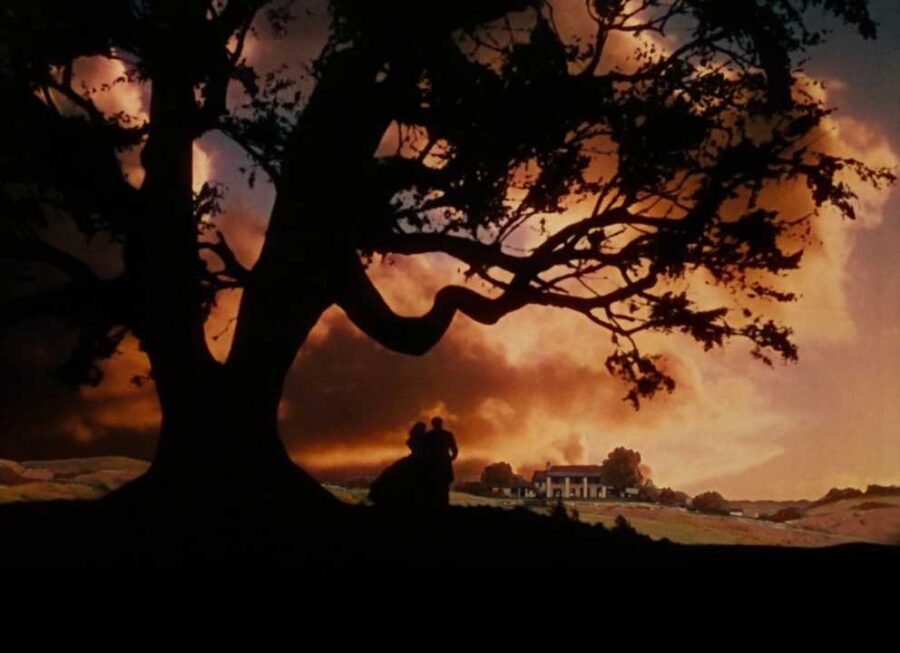
The romance genre is centered on love and romantic relationships. Romance films explore emotional intimacy and personal growth through connections between characters. Often depicting obstacles to love, these films are frequently combined with genres like drama, comedy, and fantasy.
Subgenres:
- Romantic Drama: Focuses on love relationships with emotional depth.
- The English Patient (1996), Atonement (2007)
- Romantic Comedy: Light-hearted portrayal of romance.
- Notting Hill (1999), The Proposal (2009)
- Historical Romance: Romantic stories set in a specific historical period.
- Out of Africa (1985), The Age of Innocence (1993)
Thriller

Thrillers are known for creating suspense and tension. Thrillers keep audiences on edge with plot twists, psychological games, and high-stakes situations. Thrillers often explore themes of danger, deception, and survival, overlapping with crime, mystery, and horror genres. Read more on the difference between horror and thriller movies.
Subgenres:
- Psychological Thriller: Focuses on the psychological states of characters.
- Gone Girl (2014), Shutter Island (2010)
- Crime Thriller: Involves a crime, often from the criminal’s point of view.
- Heat (1995), No Country for Old Men (2007)
- Spy Thriller: Centers on espionage and intelligence.
- Tinker Tailor Soldier Spy (2011), The Bourne Identity (2002)
Western
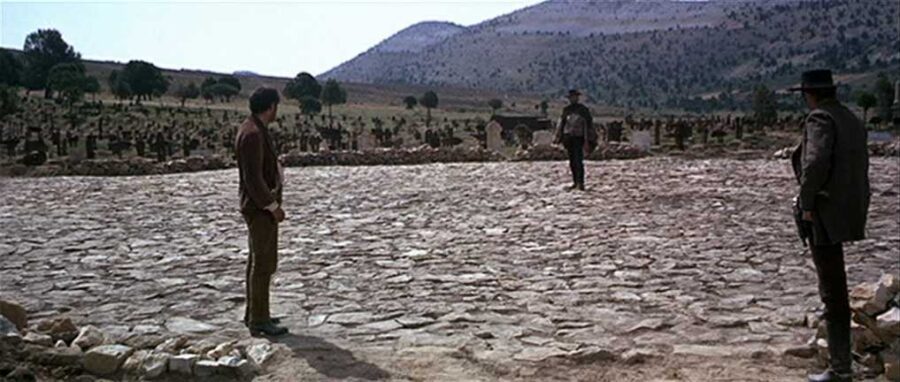
Westerns are typically set in the American Old West. This genre portrays rugged landscapes, gunfights, outlaws, and themes of individualism and frontier justice. Westerns often explore the moral ambiguity of law, civilization versus wilderness, and the lone hero archetype.
Subgenres:
- Spaghetti Western: A broad subgenre of Western films produced in Europe.
- The Good, the Bad and the Ugly (1966), Once Upon a Time in the West (1968)
- Revisionist Western: Challenges the traditional tropes of the Western genre.
- Unforgiven (1992), Django Unchained (2012)
- Contemporary Western: Set in modern times but maintains Western elements.
- No Country for Old Men (2007), Hell or High Water (2016)
Musical/Dance
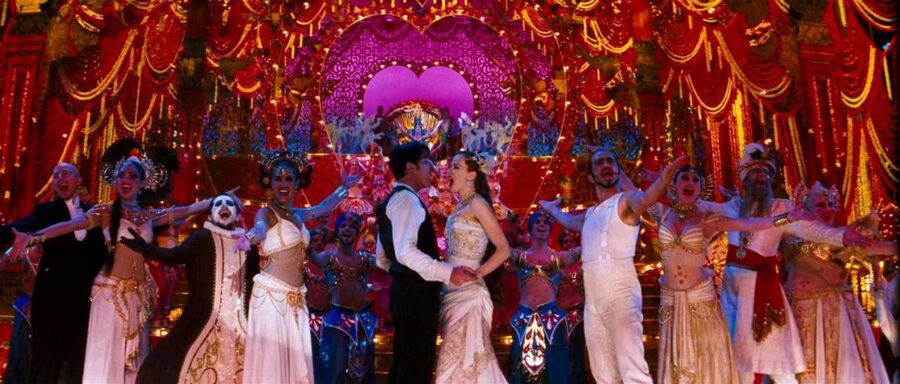
The Musical/Dance genre combines narrative with musical and dance numbers. This genre uses songs and choreography to make the storytelling and emotional stakes come to life. Musicals can vary from light-hearted to dramatic, using music as a primary means of expression and thematic development.
Subgenres:
- Movie Musical: Combines songs sung by the characters with narrative film.
- La La Land (2016), The Greatest Showman (2017)
- Dance Film: Focuses on dance performances as a central element of the plot.
- Step Up (2006), Black Swan (2010)
- Operetta: A genre of light opera combining spoken dialogue, songs, and dance.
- The Merry Widow (1934), The Desert Song (1953)
War

War movies focus on military conflict and its personal, social, and political impacts. War films depict battles, strategy, and the psychological effects of combat. The genre often raises questions about patriotism, honor, and violence’s cost, portraying historical and fictionalized conflicts.
Subgenres:
- Combat Film: Focuses on battles or military conflicts.
- Full Metal Jacket (1987), Platoon (1986)
- Resistance Film: Centers on resistance movements during war.
- Casablanca (1942), Army of Shadows (1969)
- Prisoner of War Film: Focuses on the plight and survival of prisoners of war.
- The Great Escape (1963), Rescue Dawn (2006)
Documentary

Documentary is a nonfiction genre that aims to inform, document, or analyze real-life events, people, or social issues. It has existed as long as movies, with various movements adding to it throughout cinema history (fx Cinema Verité). Filmmakers such as Ken Burns have left a mark on specific editing techniques. Documentaries use interviews, archival footage, and investigative methods to provide an accurate, though sometimes subjective, depiction of reality.
Subgenres:
- Nature Documentary: Explores wildlife and natural environments.
- Planet Earth (2006), Blue Planet II (2017)
- Historical Documentary: Documents specific historical events.
- They Shall Not Grow Old (2018), 13th (2016)
- Investigative Documentary: Explores a particular topic, seeking to uncover new information.
- Making a Murderer (2015), The Act of Killing (2012)
See more documentary subgenres to explore.
Biographical (Biopic)

Biopics dramatize the life of a real individual, often a historical or cultural figure. This genre blends fact with narrative structure, focusing on significant moments and challenges that shaped the subject’s life and impact.
Subgenres:
- Historical Biopic: Focuses on a historical figure’s life.
- Schindler’s List (1993), The King’s Speech (2010)
- Celebrity Biopic: Centers on a celebrity’s life.
- Walk the Line (2005), Judy (2019)
- Political Biopic: Focuses on the life of a political figure.
- The Iron Lady (2011), Nixon (1995)
Family
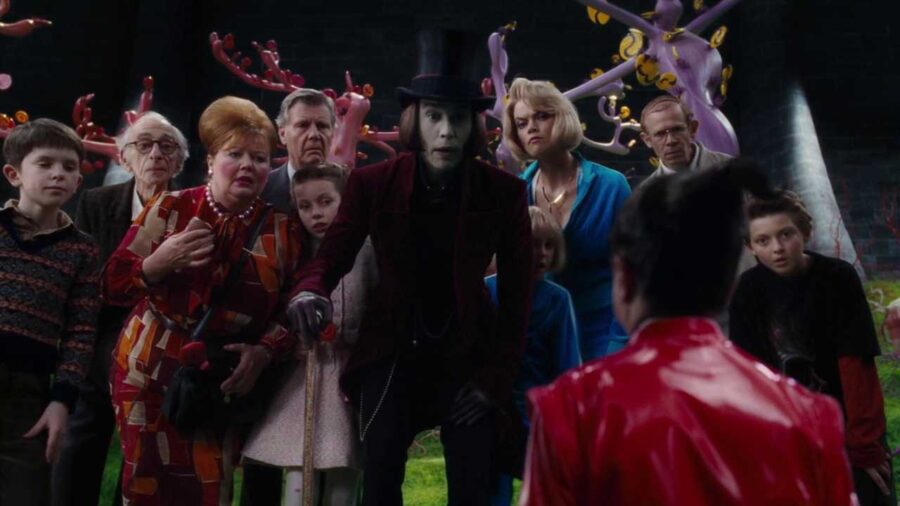
Movies in the family genre are intended for all ages. Family films often use lighthearted, accessible stories that include messages about friendship, values, and understanding. They frequently contain humor and positive resolutions, appealing to a broad age range, but they can also have deeper layers of subtext only adults will understand.
Subgenres:
- Animated: Family-friendly films that are primarily animated.
- Toy Story (1995), Frozen (2013)
- Fantasy: Family films that incorporate fantastical elements.
- Harry Potter and the Sorcerer’s Stone (2001), The Chronicles of Narnia: The Lion, the Witch and the Wardrobe (2005)
- Adventure: Family-oriented adventure films.
- The Goonies (1985), Jumanji (1995)
Animation
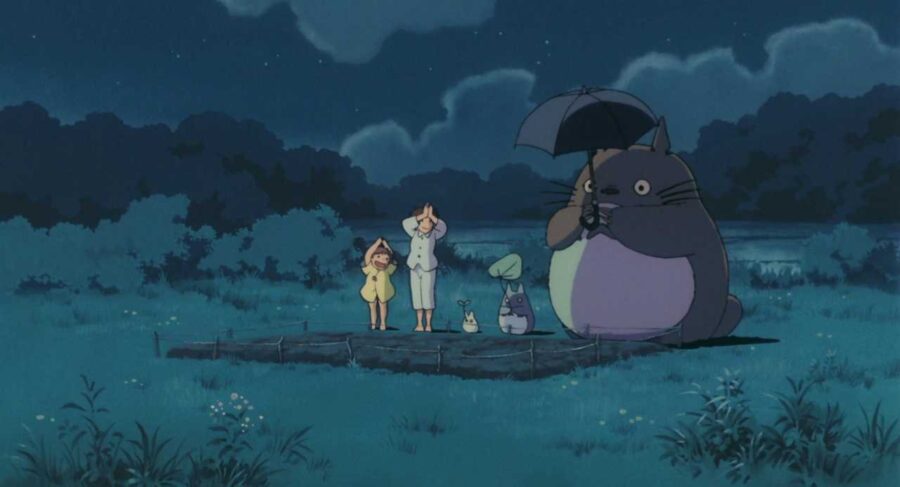
Animation is a genre defined by animated techniques (e.g., traditional, CGI, stop-motion). Animation is not bound by physical reality, allowing for unlimited creative expression. Animated films span all genres and appeal to children and adults.
See a chronological timeline of the evolution of film and animation.
Subgenres:
- Computer Animation: Created using computer-generated imagery.
- Shrek (2001), Finding Nemo (2003)
- Stop Motion: Animation technique to make physically manipulated objects appear to move.
- Coraline (2009), The Nightmare Before Christmas (1993)
- Traditional Cel Animation: Hand-drawn animation.
- The Lion King (1994), Beauty and the Beast (1991)
See the best Studio Ghibli Movies every film student should know.
Crime
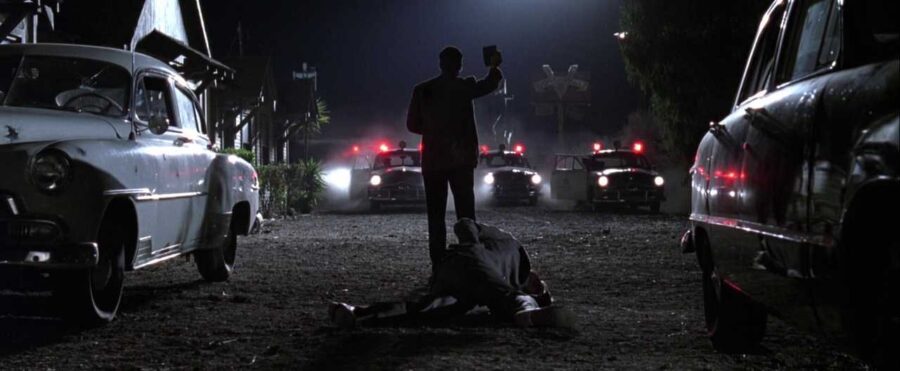
Crime is a genre that explores the world of crime, law enforcement, and moral ambiguity. Films in this genre focus on detectives and lawbreakers, examining crime’s psychological and social implications through suspense, investigation, or character study.
Subgenres:
- Gangster: Focuses on organized crime and gangsters.
- The Godfather (1972), Goodfellas (1990)
- Heist: Centers on the planning and execution of a theft.
- Ocean’s Eleven (2001), The Italian Job (2003)
- Police Procedural: Involves a detailed depiction of police methods.
- Se7en (1995), Zodiac (2007)
Noir
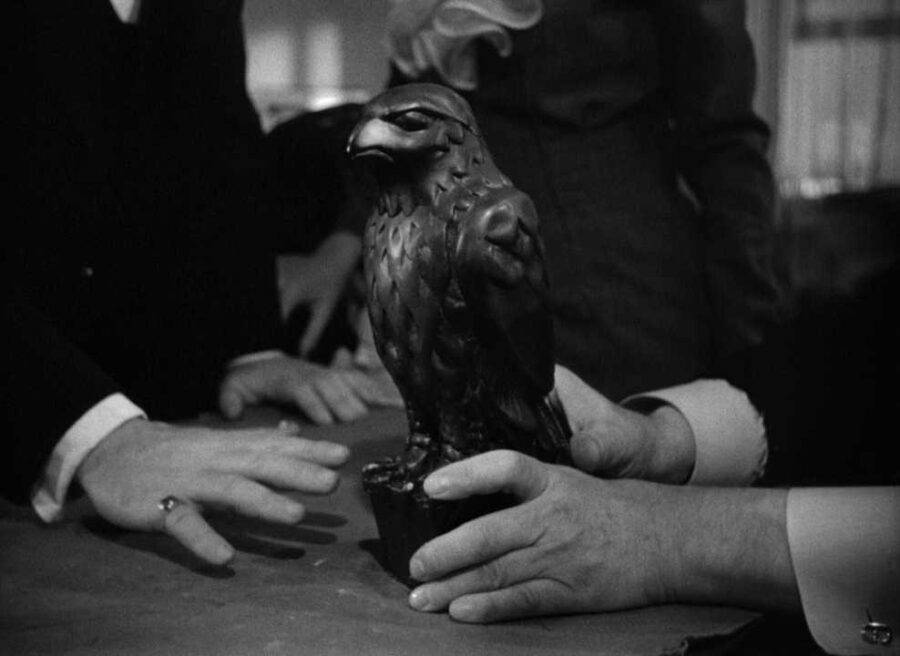
Noir is known for its dark, cynical tone and visual style, influenced by German Expressionism. Films under the larger noir genre umbrella often involve crime, flawed protagonists, such as anti-heroes, and morally complex situations. Classic noir, primarily set in urban settings, emphasizes mood and shadow (low-key lighting), often reflecting post-war disillusionment.
Subgenres:
- Neo-Noir: Modern take on the traditional film noir style.
- Blade Runner (1982), Sin City (2005)
- Tech Noir: Blends film noir and science fiction.
- The Terminator (1984), RoboCop (1987)
- Film Noir: Characterized by its cynical attitude, moral ambiguity, and visual style.
- The Maltese Falcon (1941), Double Indemnity (1944)
Indie

Indie films are typically low-budget (at least compared to Hollywood blockbusters) and defined by they’re produced outside major studios. They prioritize artistic expression, auteurs, authenticity, and experimental techniques. The genre values unique perspectives, often showcasing unconventional storytelling and fresh voices that may challenge traditional genre conventions.
Subgenres:
- Mumblecore: Low-budget, dialogue-heavy independent films.
- Frances Ha (2012), Drinking Buddies (2013)
- Arthouse: Films that are artistic or experimental in nature.
- The Lighthouse (2019), A Ghost Story (2017)
- Low-Budget: Films made with a limited budget.
- El Mariachi (1992), Clerks (1994)
Superhero
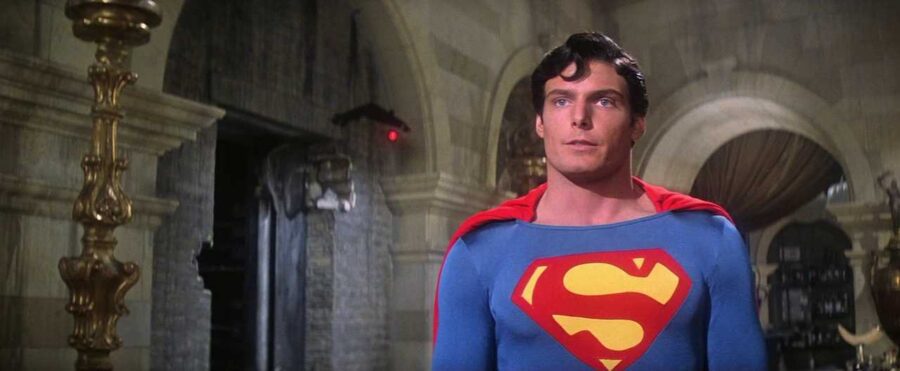
The superhero genre centers on characters with extraordinary abilities or powers who typically fight against villains or forces of evil. Superhero films often explore themes of responsibility, identity, and heroism, combining action, fantasy, and sci-fi elements.
Subgenres:
- Comic Book: Adaptations of comic book stories with superheroes.
- The Dark Knight (2008), Spider-Man (2002)
- Fantasy Superhero: Combines elements of fantasy with superhero themes.
- Doctor Strange (2016), Thor (2011)
- Sci-Fi Superhero: Incorporates science-fiction elements with superheroes.
- Guardians of the Galaxy (2014), The Matrix (1999)
Mockumentary
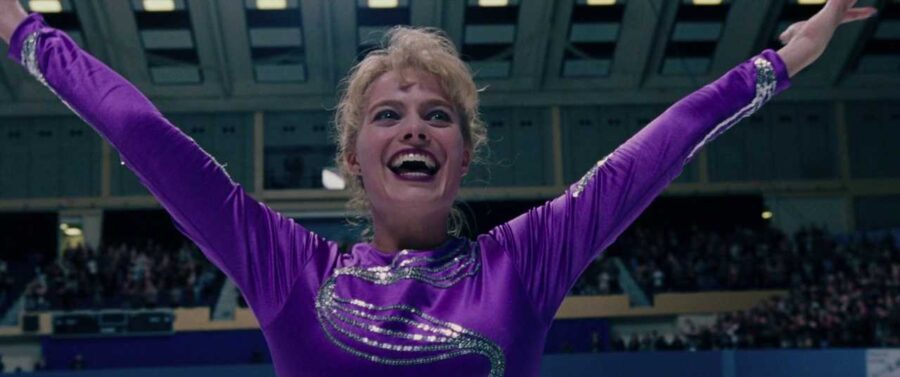
Mockumentary is a fictional genre presented in the style of a documentary. It uses satire or parody to mimic documentary techniques, often to comedic effect. Mockumentaries critique or humanize real-world events, figures, or societal norms by blurring fiction and reality.
Subgenres:
- Comedy Mockumentary: Presents fictional events in a documentary style for comedic effect.
- This is Spinal Tap (1984), Best in Show (2000)
- Horror Mockumentary: Uses the documentary format to deliver horror storytelling.
- The Blair Witch Project (1999), Paranormal Activity (2007)
- Political Mockumentary: Satirizes political events, figures, or systems by mimicking the style of a documentary, often to provide commentary or criticism.
- The Great Hack (2019), Death of a Nation (2018)
Experimental

Experimental films push the boundaries of conventional film form and narrative and the boundaries and understanding of genre. They explore new techniques, abstract concepts, and non-traditional storytelling. Often non-linear and avant-garde, this genre emphasizes artistic expression over commercial appeal.
Subgenres:
- Abstract Film: Focuses on visual elements such as shape, color, and form to create a non-narrative and often non-representational aesthetic experience.
- Wavelength (1967), Anemic Cinema (1926)
- Structural Film: Emphasizes the basic elements of cinema like time, space, and sound, often forsaking traditional narrative for patterns or the exploration of the medium itself.
- Zorns Lemma (1970), Tom, Tom, the Piper’s Son (1969)
- Surrealist Film: Incorporates dream-like sequences, bizarre imagery, and illogical scenarios, drawing heavily on the surrealist art movement that seeks to challenge the conventional reality.
- Un Chien Andalou (1929), The Holy Mountain (1973)
Summing Up
Creating a genre taxonomy is challenging (to say the least) because of the many cross-overs. That’s why biopics can be seen as both a main and a subgenre of the historical genre.
Likewise, you’ll see movies that are mentioned more than once. Blade Runner is as much a sci-fi movie as a neo-noir (and even tech noir) film.
Of course, this list is not exhaustive, but I hope it gives you a good overview of the main movie genres and their subgenres.
Read Next: Curious how visual styles define film genres?
Explore our breakdown of Genre & Visual Style to see how movements like naturalism, noir, and surrealism shape what we watch.
Looking for the big picture? Visit our Film History, Theory & Genre page to connect techniques with the eras and ideas that shaped them.
