

Published: July 25, 2025 | Last Updated: October 3, 2025

What is A melodrama? Definition & Meaning
A melodrama is a type of story that uses strong, distinctive emotions (like love, grief, or anger), simple characters, and clear moral conflict to move the audience. Melodramas often show dramatic events like betrayal, illness, or tragic love. The characters are usually easy to identify as good or bad, with little complexity. Heroes are pure, villains are cruel, and emotions are intense. The goal of a melodrama is not realism but emotional impact. Whether in literature, theater, or film, melodramas focus on clear struggles between right and wrong, and they often end with justice being restored.
Melodrama is not limited to one format. It appears in novels, plays, films, and television. No matter the medium, the structure is often the same: bold characters, high emotion, and a simple line between good and evil.
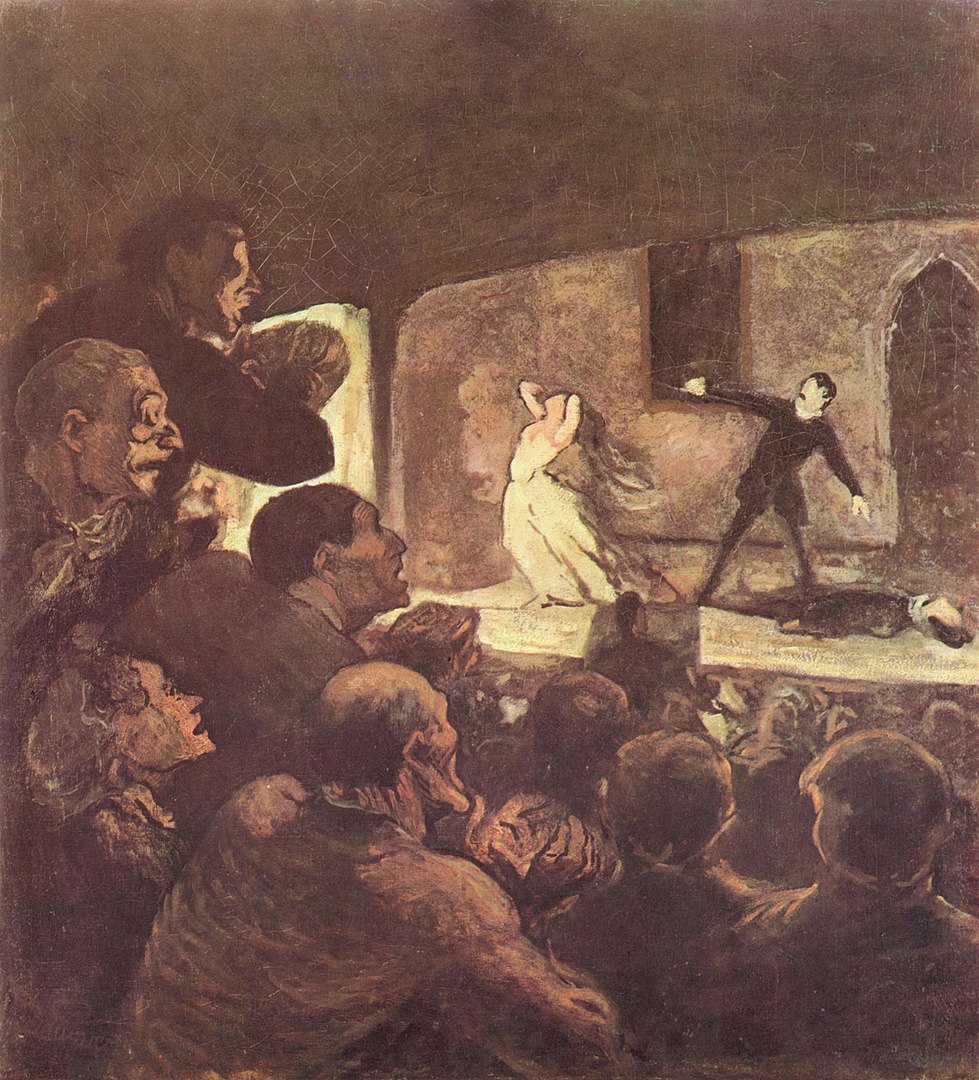
The stories are easy to follow, but emotionally intense. Below you can read about melodrama in literature, theatre, film, and television.
Melodrama in Literature
Melodrama began in fiction during the late 1700s and early 1800s. The word comes from the Greek melos (melody) and the French drame (drama), originally describing musical stage plays.
As the genre evolved, it became a popular style in novels as well. Literary works focused on love, virtue, betrayal, and moral justice. The stories were dramatic and easy to follow, appealing to readers who wanted emotional plots and clear characters.
In literary melodramas, the cast usually includes:
- A brave and virtuous hero
- An innocent and vulnerable heroine
- A dishonest and cruel villain
- Sometimes a villain’s comic sidekick
These characters are simple and predictable. They represent basic moral roles, making it easy to know who to root for. Readers are meant to feel strong emotions, not to question the characters’ motives or complexity.
The plot structure often follows three steps:
- Provocation – The villain begins their plan or causes harm
- Persecution – The hero and heroine suffer or are put in danger
- Penalty – The villain is punished, and good wins in the end
Melodramatic novels are known for their emotional style. Dialogue, events, and descriptions are all designed to create strong feelings. The goal is to make you care about the characters and feel the poetic justice or tragedy at the story’s end. These stories are not subtle. They use drama to highlight right and wrong.
Famous examples include Uncle Tom’s Cabin (1852, Harriet Beecher Stowe), The Woman in White (1859, Wilkie Collins), and Les Misérables (1862, Victor Hugo). Each uses emotion and simple moral lines to engage readers in tales of injustice, love, and redemption.
Melodrama in Theater
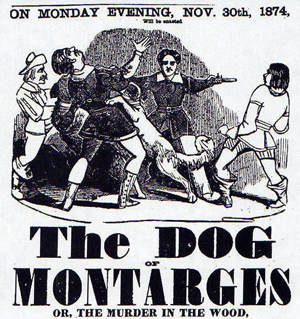
Theatrical melodrama appeared in France in the late 1700s and quickly spread across Europe. One of the earliest popular writers was René-Charles Guilbert de Pixérécourt. His plays often featured dogs, ghosts, duels, and betrayals. One of his most famous works, The Dog of Montarges, included a courtroom battle where a dog helps identify a murderer. These plays were loud, exciting, and full of action.
As melodrama grew in popularity, English theaters began using it to bypass strict rules. In London, the Licensing Act limited what types of plays could be performed, but musicals and operas were allowed. By adding instrumental music to dramatic plays, producers avoided the law and created the first “melodramas,” which means music drama.
Key traits of theatrical melodrama include:
- Stock characters like the noble hero, evil villain, helpless heroine, and comic sidekick
- Clear moral structure with visible rewards and punishments
- Big emotional performances with bold gestures and facial expressions
- Music that guides your emotional response during each scene
- Spectacle scenes with fire, floods, battles, or train tracks
Stage melodramas often included “tableaux,” i.e., frozen moments where the actors held dramatic poses while music played. These allowed the audience to feel the full weight of the scene. Lighting, sound effects, and complex sets made the action even more thrilling. Some plays even featured live animals, moving platforms, or running treadmills for chase scenes.
Melodrama in Film and Television
Like in theatre and literature, film melodrama also focuses on strong emotions, clear moral conflicts, and personal struggles. The characters are easy to read. Heroes are noble, villains are cruel, and love or family loyalty is often tested. The stories aim to make you feel everything with intensity, from sadness to joy to heartbreak.
Melodramas in film use dramatic plots with emotional highs and lows. The conflicts often involve betrayal, tragic love, or sacrifice. The emotions are shown openly through acting, non-diegetic music, and camera work. Again, the goal is to connect with the audience through feeling, not through realism or subtle storytelling.
Common themes include:
- Love that faces obstacles or ends in tragedy
- Family conflict, loss, or social pressure
- Moral lessons shown through clear consequences
Characters are usually simple. A hero may be loyal and brave. A villain may lie or cheat to get power. A mother might suffer for her children. These types make it easy to follow the story and feel what the characters feel. Viewers are not asked to guess what someone is thinking. Every emotion is visible and direct.
Some melodramas use slow pacing and soft piano music to build sadness or tension, like in All That Heaven Allows (1955, Universal). Others use bold colors, dramatic lighting, and intense acting to show emotional conflict, as seen in Imitation of Life (1959, Universal International).
Classic Melodramas in Film
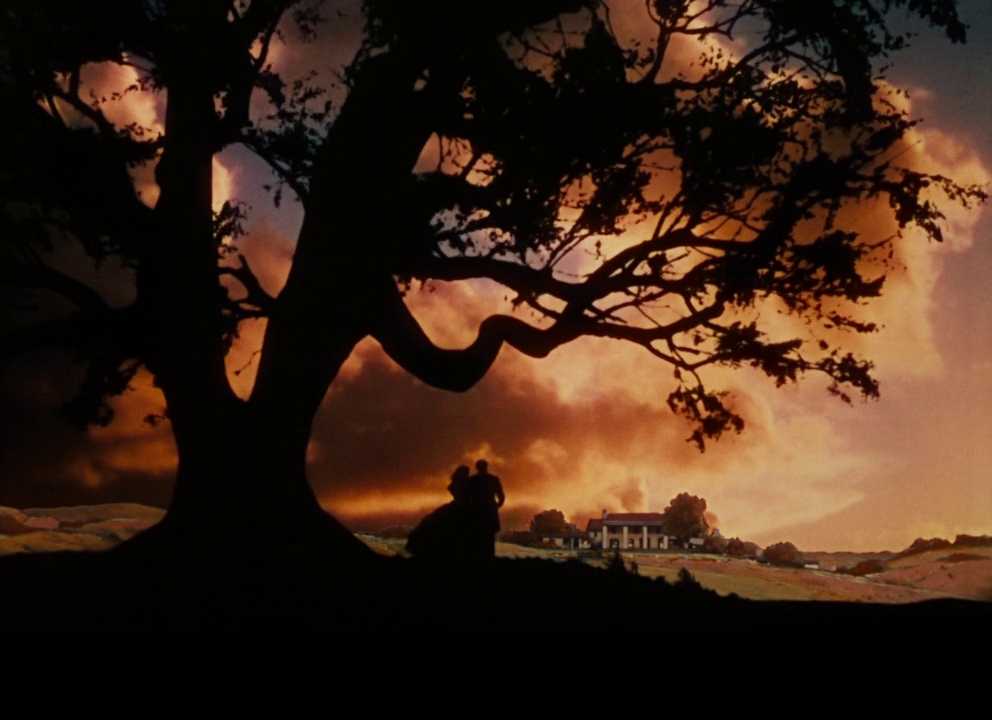
Many well-known films use melodrama to tell emotional stories:
- Gone with the Wind (1939, Selznick International) – A romantic epic during the American Civil War
- Mildred Pierce (1945, Warner Bros.) – A mother sacrifices for her daughter while facing betrayal
- All That Heaven Allows (1955, Universal) – A widow falls in love and faces judgment from her community
Modern Melodrama in Film

More contemporary directors continue to use melodrama in different ways.
In any case, the emotions stay clear. The characters feel deeply, and the audience is meant to feel with them.
- Titanic (1997, 20th Century Fox) – A love story on a sinking ship with emotional highs and loss
- Life Is Beautiful (1997, Miramax) – A father uses imagination to protect his son during the Holocaust
- Far from Heaven (2002, Focus Features) – A tribute to 1950s melodramas with race and gender themes
- Atonement (2007, Universal) – A tragic love story shaped by war, class, and a false accusation
- Blue Valentine (2010, The Weinstein Company) – A realistic look at a relationship falling apart
Comedy films sometimes use melodrama by exaggerating it. Characters may cry loudly, deliver long speeches, or react to small problems in big ways.

Romantic comedies (aka rom-coms) often copy melodramatic love scenes by exaggerating heartbreak or romantic gestures to make them funny. In Better Off Dead (1985, A&M Films), the main character reacts to a breakup by planning over-the-top suicide attempts, turning typical melodramatic sorrow into absurd comedy.
Melodrama in Television
Television also uses melodrama. Soap operas, teen dramas, and family shows often rely on strong emotions, cliffhangers, and dramatic twists. These shows use repetition and clear stakes to keep viewers involved. Music, lighting, and facial expressions guide how each moment feels.
Drama vs. Melodrama
Drama and melodrama both focus on characters in emotional situations, but they use different tools to tell their stories. A drama usually builds emotion through realistic characters, subtle dialogue, and everyday conflicts. You see characters grow and change slowly as they deal with personal or social challenges. The emotions feel natural, and the story often avoids clear moral sides.
Melodrama takes a louder, more direct approach. It uses simple character types like heroes and villains, and it builds emotion through big gestures, shocking plot twists, and strong visuals or music. The goal is to create a strong emotional reaction right away. Melodrama often avoids complex psychology in favor of clear moral lessons: good characters suffer but win, while bad characters are punished.
Melodrama in Everyday Language
Today, people use the word “melodramatic” to describe someone who reacts too strongly. If a person cries or panics over something small, they might be called melodramatic, even if they are not acting on a stage. This meaning comes from the theater tradition, where emotions were pushed as far as possible to keep the audience involved.
Something dramatic shows serious emotion. Something melodramatic shows more emotion than the situation needs. If someone collapses over a broken phone or sobs after a mild disagreement, that is melodrama in modern life.
Summing Up
Melodrama is a storytelling style that uses simple characters, bold actions, and strong emotions to deliver clear and emotional stories. Whether in books, plays, movies, or television, it keeps things direct. The characters do not hide their feelings, and the audience is always guided to feel with them.
The main goal is to trigger an emotional response from the audience, not to show realism or subtle behavior. One way to think about melodrama is this: it shows the truth without restraint. All the emotions people hide in real life are brought to the surface. Melodrama puts those feelings in the spotlight so the audience can feel them fully.
Read Next: Curious how visual styles define film genres?
Explore our breakdown of Genre & Visual Style to see how movements like naturalism, noir, and surrealism shape what we watch.
Looking for the big picture? Visit our Film History, Theory & Genre page to connect techniques with the eras and ideas that shaped them.
