

Published: January 31, 2024 | Last Updated: July 2, 2026

Overview
Definition: Conflict is the on-screen struggle that blocks a character’s objective right now and forces a choice with a cost.
What you’ve seen before: You feel conflict any time a scene becomes a problem that cannot stay neutral. Someone must push, give in, lie, spend time, risk safety, or lose status.
Example: In Jaws (1975, Universal), Chief Brody wants to close the beaches to stop more deaths. Mayor Vaughn wants to keep them open to protect the town’s summer income. Each new attack raises the cost of waiting, so Brody has to change tactics, confront the mayor harder, and finally go out on the water.
Why it matters: Conflict makes a scene move because every attempt changes something. When you name the objective, the block, and the cost, you can write beats that escalate, direct playable actions, and cut lines that do not pressure the problem.
- Key takeaway 1: Write the objective in one line, then name what blocks it in the same moment.
- Key takeaway 2: Raise the cost so the character must switch tactics instead of repeating the same move.
- Key takeaway 3: End the scene on a decision or consequence. Conflict should change the situation.
From here, you’ll zoom out from scene-level problems to the bigger picture, so you can spot conflict in any genre and build it on purpose while you write.
What is Conflict in Film? Definition & Meaning
Conflict is the struggle you can point to on screen: a character has a goal, something pushes back, and each attempt forces a choice that changes the situation. It can be external, like another person, a rule, a storm, or a monster. It can be internal, like guilt, fear, or divided values. If you cannot name the goal, the opposing force, and the cost of pushing, the scene may still have mood, suspense, or atmosphere, but the conflict is usually thin.
In film, conflict often falls into two categories: external conflict, where the problem comes from outside the character, and internal conflict, where the character fights themselves. Most strong films mix both, so pressure hits from the world and from the inside.
A fast way to state conflict is three parts. Goal: what the character wants right now. Block: what stops them right now. Cost: what gets worse if they push or fail.
When conflict is missing, scenes can still have dialogue and movement, but nothing forces a decision. That is when the story feels like motion without direction.
Conflict vs. Tension
Tension is a feeling of pressure. Conflict is a problem built from goals that collide.
Tension often comes from uncertainty. You sense something might happen. Conflict comes from a block you can show. A character pushes toward a goal. Something stops them. The pushback forces action.
- Name the objective: What does the character want right now, in plain words?
- Name the block: Who or what stops them, and how does it stop them?
- Name the cost: What gets worse if they fail, and what do they risk if they keep pushing?
If you cannot answer those three, you may still have suspense, mood, or atmosphere. You probably do not have a strong conflict engine yet.
Why Conflict Matters in Narrative Structure
Stories feel like they have direction because conflict creates a chain of cause and effect. The objective points forward. The obstacle forces a response. The cost makes the response matter.
Conflict also controls pacing. Small obstacles resolve fast. Layered obstacles take longer because each tactic creates a new problem, a higher cost, or a new piece of information.
Conflict also links setup and payoff. You set up a rule, fear, weakness, skill, or relationship. Conflict is where the story tests it, so you see what the character does when pressure hits.
Conflict at Three Scales
Conflict lives at the story level, the sequence level, and inside single scenes. Thinking in scales helps you spot where a draft goes soft.
Scene-Level Conflict
Scene-level conflict is the immediate problem in the room. Someone wants something right now, and something blocks it right now.
Scene conflict can look small on paper. It still matters when it forces a choice. One tactic fails. A new tactic replaces it. By the end of the scene, someone gains ground, loses ground, or changes the plan.
Sequence-Level Conflict
Sequence-level conflict is a chain of attempts tied to the same short-term goal. Each attempt raises the cost, adds pressure, or reveals information that changes the plan.
This is where escalation becomes visible. The first plan fails cheaply. The next plan costs more. The next plan risks something personal. Options shrink, so decisions get sharper.
Story-Level Conflict
Story-level conflict is the main struggle that keeps returning until the ending. It is the problem the film cannot avoid.
Story conflict often tracks as a question you can test across the film. Will the character get what they want? Will the cost change what they think they want? Will the character become someone else to survive the pressure?
The Building Blocks of Conflict
You can build conflict on purpose by breaking it into parts you can adjust during outlining, drafting, rehearsal, and coverage planning.
Objective: What the character is trying to get right now. Write it as a verb: “convince,” “escape,” “hide,” “win,” “protect,” “confess.”
Obstacle: The force that blocks the objective. The obstacle can be a person, a rule, a limitation, a threat, or the character’s own fear.
Stakes: What the character stands to lose, and why it matters to them. Stakes can be external (job, freedom, safety) and internal (self-respect, trust, identity).
Tactics: The methods the character uses to push past the obstacle. Tactics are behavior you can stage: threaten, charm, bargain, stall, attack, confess, mislead.
Time pressure: A deadline or closing window that reduces options. Time pressure turns delay into a decision.
Consequence: What changes after each attempt. If nothing changes, the conflict feels fake because the story does not react.
External Conflict
External conflict happens when the obstacle lives in the world outside the character. The block might be another person, a system, the environment, technology, or a supernatural force.
Man vs. Man

Man vs. man is a direct clash between two characters with opposing goals. It often centers on rivalry, revenge, control, or moral opposition. The pressure lands fast because another person can push back in real time.
You’ll see it often in action, drama, westerns, crime films, and superhero stories.
Man vs. Society
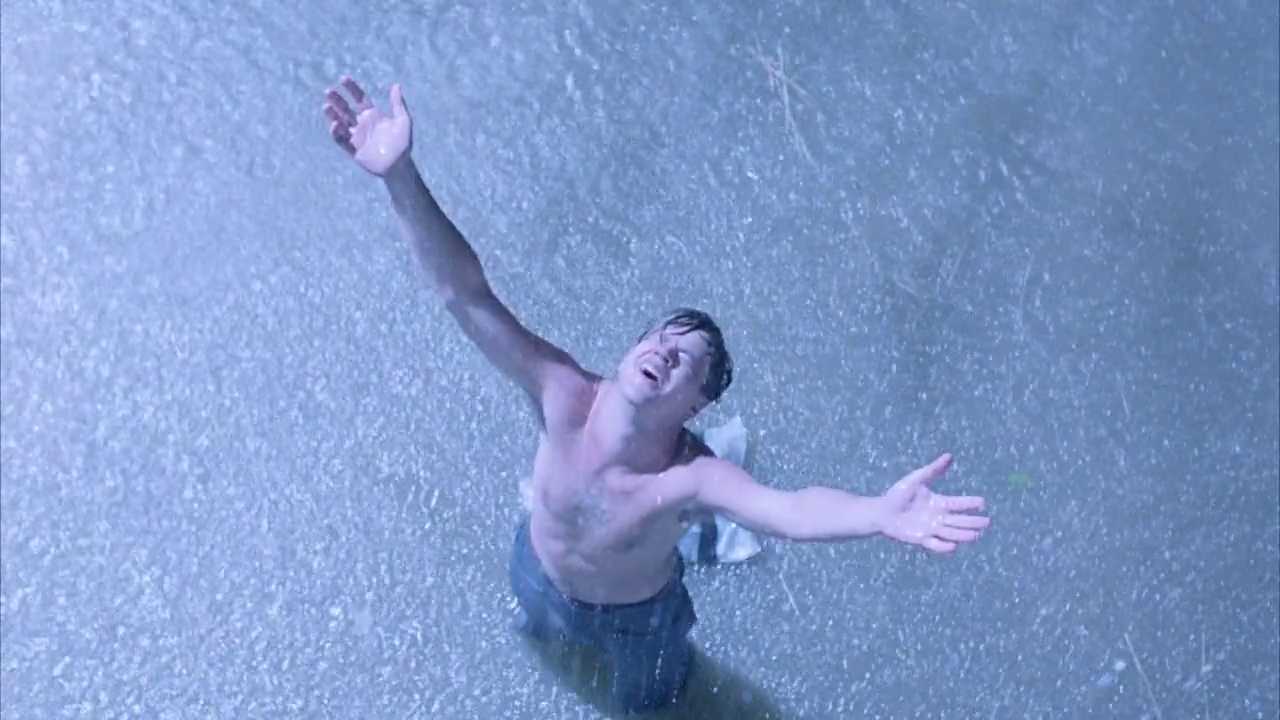
Man vs. society puts a character against laws, traditions, institutions, or social norms that restrict them. The conflict works when the system blocks the goal through rules, punishment, surveillance, or reputation damage.
This conflict is common in dystopian sci-fi, legal dramas, political thrillers, historical films, and biopics.
Man vs. Nature
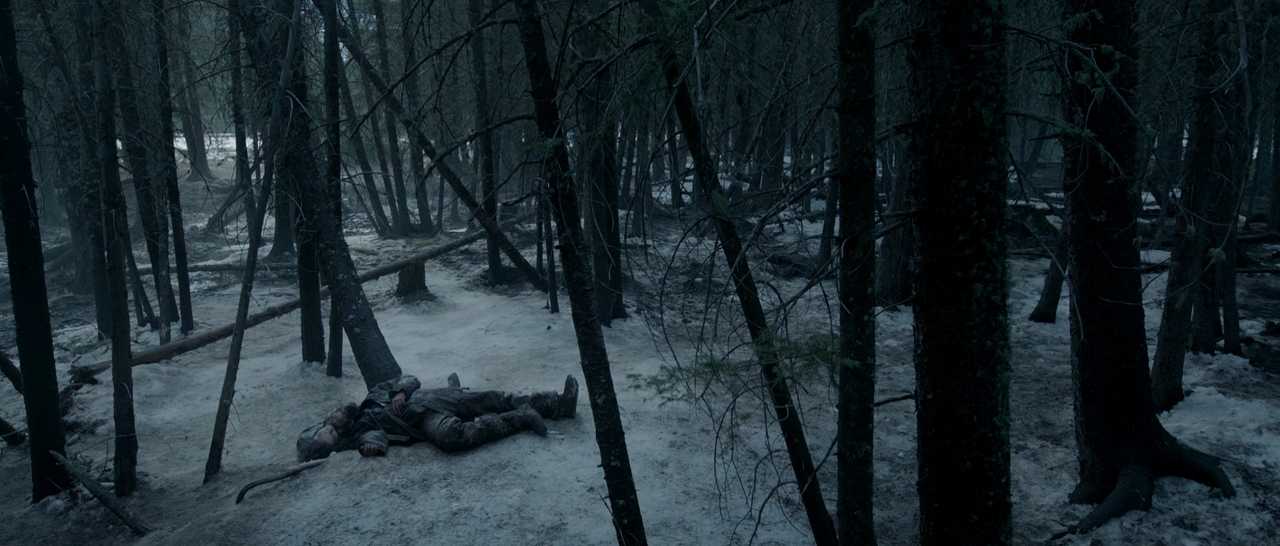
Man vs. nature puts characters in survival mode. The obstacle is weather, terrain, hunger, injury, or animals. The conflict works when the environment forces choices that trade comfort for survival.
You’ll find it in survival thrillers, adventure films, disaster movies, and nature-based horror.
Man vs. Technology
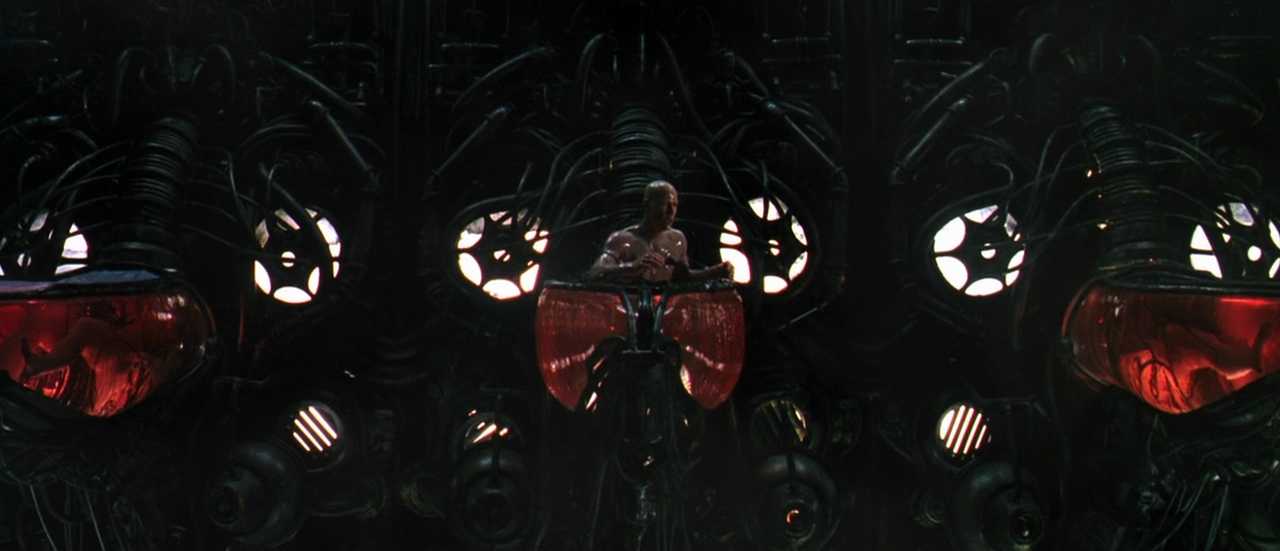
Man vs. technology explores what happens when machines, surveillance, or automated systems limit human freedom. The conflict becomes playable when the system blocks goals through control, prediction, tracking, or physical dominance.
This conflict is central to sci-fi, cyberpunk, and dystopian films.
Man vs. Supernatural
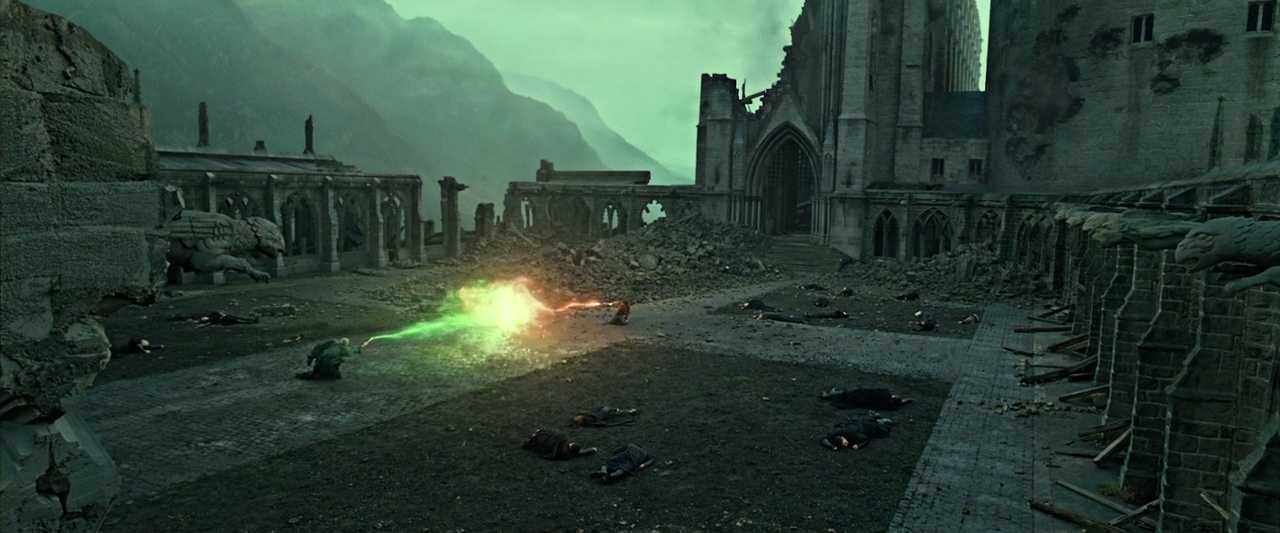
Man vs. supernatural pits a character against ghosts, curses, fate, monsters, or forces that do not follow normal logic. The conflict works when the supernatural blocks goals through rules the character must learn, break, or survive.
You’ll often see it in horror, fantasy, and supernatural thrillers.
Internal Conflict (Man vs. Self)
Internal conflict happens inside a character. The obstacle is a fear, value clash, guilt, grief, denial, or obsession that blocks action or changes what the character can choose.
Internal conflict works best when it becomes visible through behavior. The character avoids, lies, freezes, overreacts, sabotages a relationship, or makes a choice that costs them something real.
Moral Dilemmas
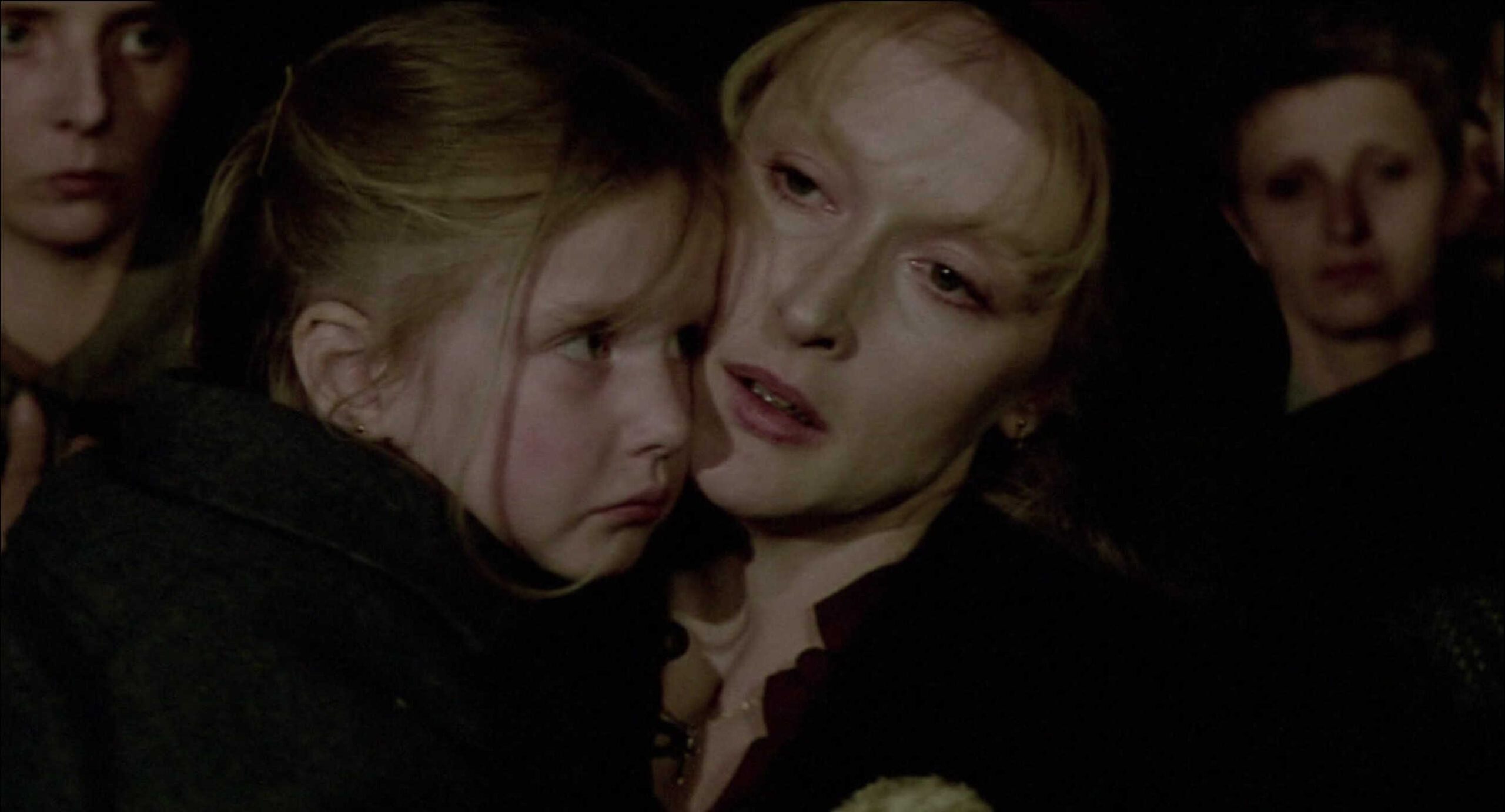
Moral dilemmas force a character to choose between outcomes that both carry damage. The conflict reveals values because the character must decide what they can live with afterward.
You’ll see this often in historical dramas, war films, serious thrillers, and tragedies.
Identity Crisis
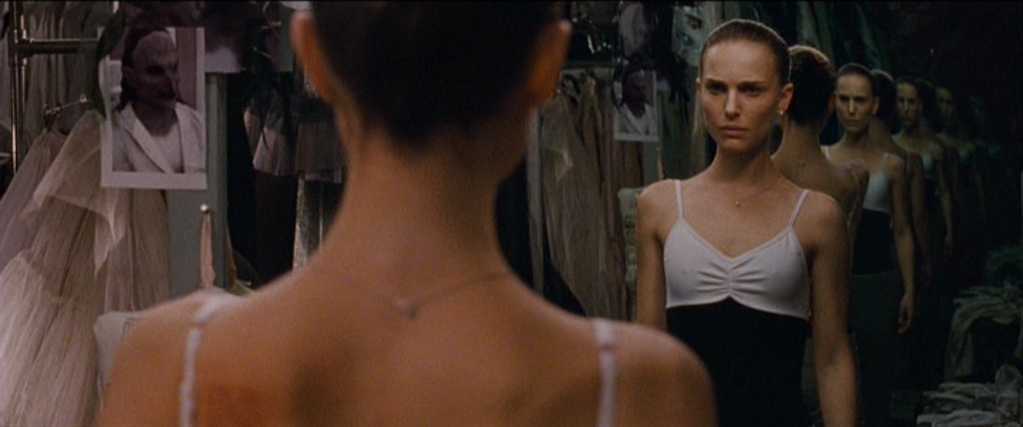
An identity crisis hits when a character cannot hold a stable sense of who they are. The conflict shows up as denial, self-sabotage, double lives, or a split between the self they perform and the self they fear.
This is common in psychological thrillers and character-driven dramas.
Fear and Anxiety
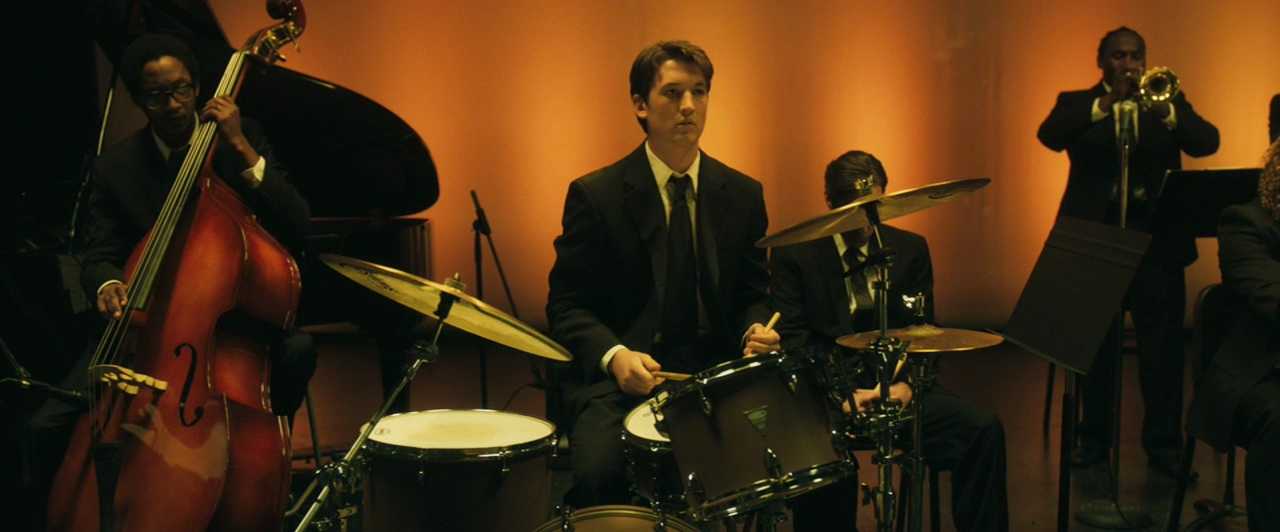
Fear and anxiety become conflict when they block action. The character wants something, but panic, shame, or perfectionism makes the next step feel impossible.
You’ll see this often in performance dramas, psychological films, and horror.
Layered Conflict
Most films mix external conflict and internal conflict. The world pushes from the outside, and the character’s own patterns push from the inside.
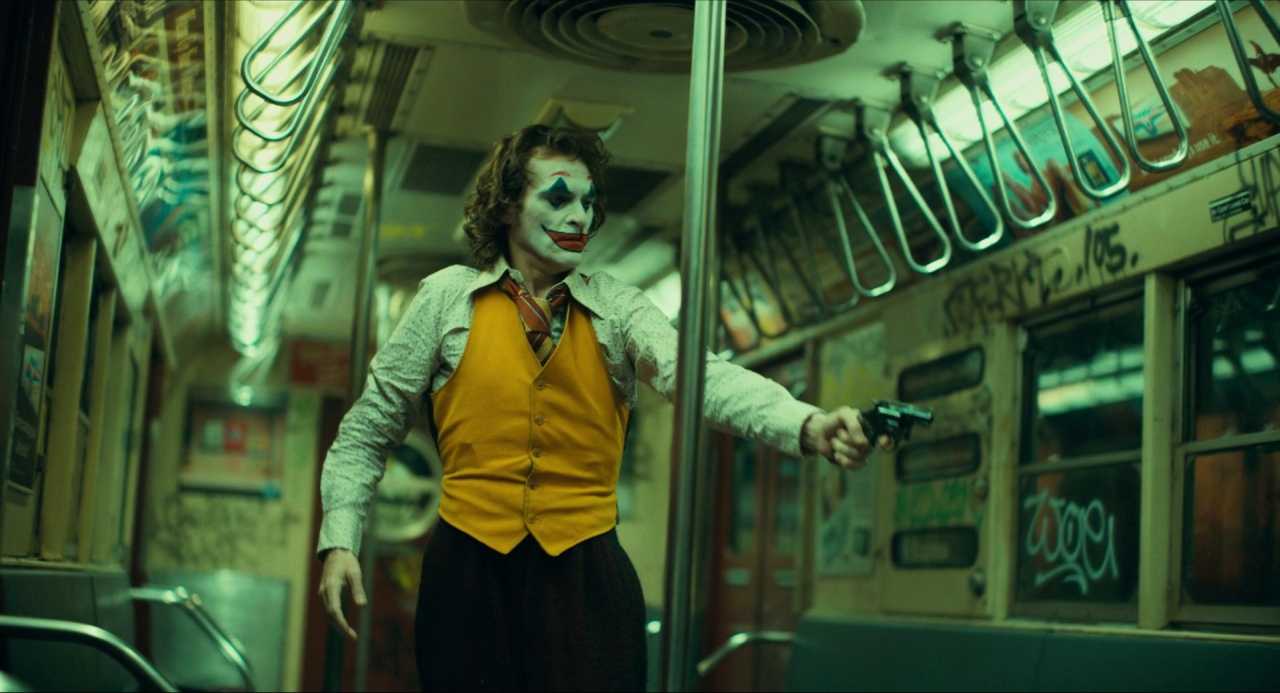
Layered conflict increases pressure because every tactic triggers a new cost. You’ll see it often in character-driven dramas, war films, thrillers, and epic adventures.
The Role of the Antagonist
An antagonist is the main opposing force in the story. Sometimes it is a villain. Sometimes it is an institution, a monster, a disaster, or the protagonist’s own destructive pattern.
The antagonist matters because it pressures the protagonist’s objective and forces tactic changes. If the opposing force never makes the protagonist adapt, the conflict stays flat.
When you design an opposing force, answer three practical questions. What does it want? What is it willing to do to get it? What leverage does it have right now? Those answers create conflict you can stage in scenes.
How to Write Conflict That Plays on Screen
Conflict plays best when each attempt changes the situation. The objective stays specific, the obstacle pushes back, and the cost rises in a way you can track.
- Write the objective as a verb. Keep it specific to the moment. “Get him to sign the papers” is easier to stage than “fix the relationship.”
- Choose an obstacle that can push back. A person can refuse, threaten, bargain, or lie. A rule can punish. A deadline can remove options.
- Define the stakes in concrete terms. Decide what gets worse if the character fails, and what the character risks if they keep pushing.
- Plan two or three tactics. Show one approach failing, then a switch. A tactic switch signals pressure and intelligence.
- Escalate through cost or information. Let the obstacle demand a higher price, or reveal facts that make the goal harder.
- End the scene with a consequence. Someone gains ground, loses ground, or changes the plan. The story should not reset to zero.
A quick stress test helps. Read the scene and circle every moment where a character could choose differently. If choices are missing, add a decision point and attach a cost.
Resolving Conflict Without Cheating
Resolution is where you check your work. You remember what you set up. You notice when the ending ignores the story’s rules.
- Earned win: The character succeeds through a tactic, sacrifice, or change you set up earlier.
- Earned loss: The character fails because of a flaw, limitation, or tradeoff you made visible.
- Compromise: The character gets part of what they want, and the cost changes what winning means.
- Reversal: New truth lands, so the character chooses a new goal that resolves the main struggle.
A practical way to avoid cheating is to track promises. If you set up a rule, honor it. If you set up a weakness, pay it off. If you set up a skill, let it matter. Surprise is fine when the outcome still feels caused by what came before.
Be careful with rescues that arrive without setup. If luck solves the main problem, the struggle can feel pointless.
Common Misunderstandings and Misuses
Conflict is talked about so much that it often gets flattened into slogans. These are common traps that make drafts feel noisy or forced.
- “Conflict means shouting or violence.” Conflict can be polite, quiet, or hidden. It still needs opposing goals and a cost.
- “Any problem is conflict.” A flat tire becomes conflict when it blocks a goal and forces a decision under pressure.
- “The antagonist must be a villain.” The opposing force can be a system, threat, deadline, or the protagonist’s own fear.
- “More obstacles always improves a scene.” Extra obstacles can bury the objective. If the goal disappears, the scene turns into clutter.
- “Resolution must tie every thread.” Some films leave questions open. The main conflict still needs a visible outcome or a visible shift in choice.
When a scene feels off, do not add “more drama” first. Check the objective, the block, and the cost. Then decide how intense the scene should feel.
When Conflict Is Smaller Than You Think
Some scenes exist for tone, clarity, or information. They still work when you keep a small form of pressure inside them, even if nobody fights.
A montage can carry conflict through an objective and a cost in time, energy, pain, or risk. A quiet documentary moment can carry conflict through a question you want answered. A reflective scene can carry conflict through an internal choice that lands by the end.
If you remove conflict from a stretch of the film, do it on purpose. Use it as a reset, a breath, or a reveal. Then return to a specific objective and a specific block so the story keeps moving.
Frequently Asked Questions
What is conflict in simple terms?
Conflict is the struggle between opposing forces that drives a story, whether that is between characters or within a single character.
What are the main types of conflict?
The common types are character vs. character, character vs. self, character vs. society, character vs. nature, character vs. fate, and character vs. technology.
What is the difference between internal and external conflict?
Internal conflict happens inside a character, such as self-doubt or competing desires, while external conflict is a clash between a character and an outside force.
What is an example of conflict in a story?
A hero battling an antagonist (character vs. character), or a character wrestling with a difficult moral choice (character vs. self).
Why is conflict important in a story?
Without conflict there is no tension, stakes, or change. Conflict is what makes a story move forward and keeps an audience engaged.
Summing Up
Conflict pushes the plot forward because it forces decisions with consequences.
External conflict pressures the character from the outside. Internal conflict pressures the character from the inside. Together, they drive change and make choices mean something.
How the main conflict ends tells you what the film stands for:
- If the protagonist wins after paying a cost, you often feel catharsis.
- If the protagonist changes, the ending shows what the struggle did to them.
- If the protagonist fails, the film can land as a warning about limits, systems, obsession, or weakness.
If you’re writing a scene or analyzing a movie, ask one question first: What does the character want right now, and what blocks it right now? Then track what each attempt costs.
Read Next: Got a cool idea but no story yet?
Check out our Story Development section for help turning rough ideas into clear concepts, building stronger characters, and finding the heart of your script before you write page one.
Want to build the whole toolkit? Explore the Screenwriting archive for structure, formatting, and career advice that supports every step of your writing process.
