

Published: June 26, 2025 | Last Updated: January 19, 2026

What is Drama? Definition & Meaning
Drama is a genre that shows realistic characters dealing with emotional, personal, or social challenges through dialogue and action. The word “drama” comes from the Greek dran, meaning “to do” or “to act.” From the beginning, drama has been about people in motion. It’s one of the oldest storytelling forms, and in film, it focuses on how people handle conflict and change.
Key Traits of Drama

Drama centers on emotion, decisions, and relationships. The stories are serious, and the focus is often on how people respond when facing stress or loss. Moments can be quiet or intense, but they always come from character and situation.
Actors use more than words. Expression, movement, tone, and costume help create meaning. A single look or pause can change a scene. This makes drama a great way to study performance and direction.
Common Themes in Drama
Dramas often deal with emotional struggles or social problems. These are some of the most common themes:
- Family and relationships: divorce, grief, trust, loyalty
- Identity: growing up, finding purpose, gender, belonging
- Morality and justice: betrayal, guilt, truth, legal conflicts
- Society and class: inequality, racism, poverty, war
In other words, we’re talking about topics that help writers build emotional stories that reflect real life.
Types of Drama in Film

Drama can be combined with other genres, creating new hybrids and subgenres. Each type adds a different style or tone. These are some of the main subgenres of drama:
- Tragedy: Focuses on loss or downfall. Example: Manchester by the Sea (2016, K Period Media)
- Comedic drama (dramedy): Mixes serious topics with humor. Example: The Farewell (2019, Big Beach)
- Romantic drama: Centers on love and heartbreak. Example: Blue Valentine (2010, Hunting Lane Films)
- Period drama: Set in a specific historical time, showing how people lived and behaved in that era. Example: Pride & Prejudice (2005, Focus Features)
- Biographical drama: Based on real people and events. Example: Selma (2014, Plan B Entertainment)
- Melodrama: Uses strong emotion and dramatic twists (most soap operas are melodramas). Example: Imitation of Life (1959, Universal-International)
- Psychological drama: Focuses on mental struggles or emotional breakdowns. Example: Requiem for a Dream (2000, Artisan Entertainment). This is also a tragedy.
- Docudrama: Dramatizes real events. Example: The Social Network (2010, Columbia Pictures)
- Musical drama: Tells stories through song and performance. Example: Les Misérables (2012, Working Title Films)
- Farce: Uses absurd situations and fast pacing. Example: Dr. Strangelove (1964, Columbia Pictures)
- Light drama: Has emotional themes but a softer tone. Example: The Terminal (2004, DreamWorks Pictures)
Brief History of Drama

Drama started in ancient cultures. Greek playwrights (such as good old Sophocles, who wrote Oedipus Rex, Aeschylus, who wrote The Oresteia trilogy, and Euripides, who wrote Medea), told stories about pride, fate, and loss.
In Asia, drama was performed in different ways. In China and Indonesia, people used shadow puppets to act out old stories about heroes, gods, and monsters.

In India, actors used dance, music, and hand movements to show feelings like love, anger, or fear. In parts of Africa and the Middle East, storytellers told dramatic tales by speaking, singing, and repeating lines to keep their audience involved.
Drama moving from the stage to the silver screen
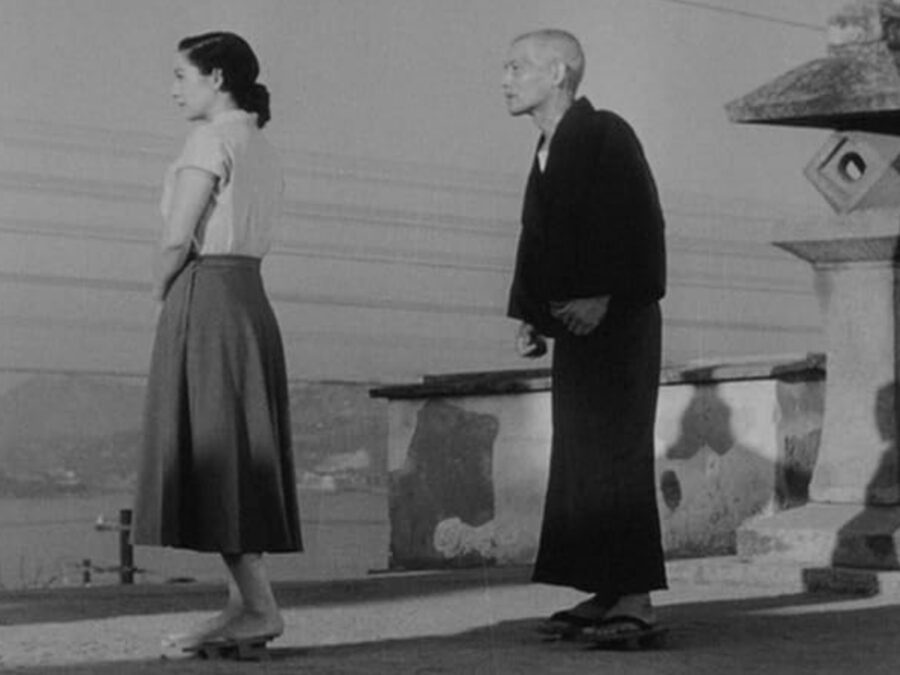
When film arrived, drama moved to the screen. Directors like Yasujiro Ozu and Ingmar Bergman made dramas that dealt with family, aging, and loneliness.
Ozu’s films, such as Tokyo Story (1953, Shochiku), often focus on quiet moments between parents and children, showing how emotional distance grows over time.
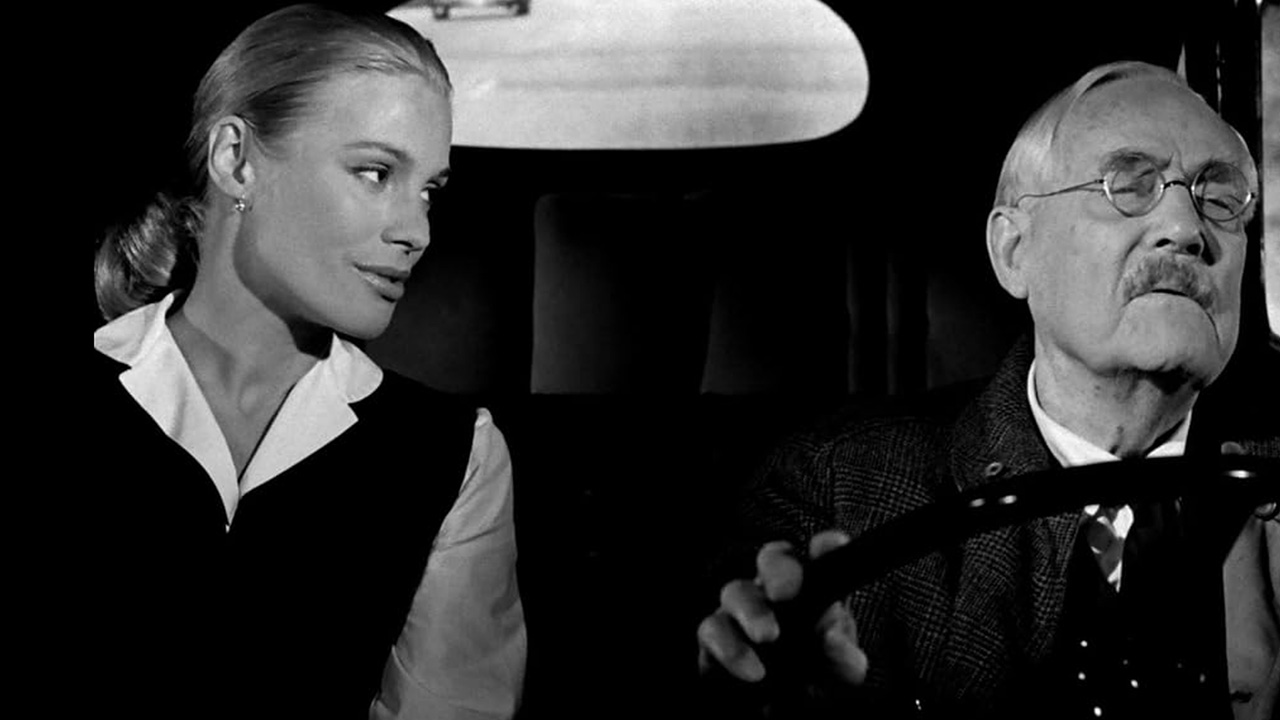
Bergman’s Wild Strawberries (1957, Svensk Filmindustri) explores memory and regret through a professor reflecting on his life during a road trip.
Others, like Ken Loach and Chantal Akerman, showed how personal stories reflect larger social problems.
Directors in the early years of drama helped define what drama looked like on screen, even today. Instead of using action or special effects, they focused on real people in everyday places. Homes, schools, hospitals, and small towns became the settings. Their stories were often quiet and personal, built around characters, conversations, and the feelings people hide.
Why Drama Matters for Film Students
Drama helps you learn the basics of storytelling. You don’t need big sets or effects. You need characters that feel real, scenes that build tension, and dialogue that feels honest. That’s why many short films and early features are dramas.
Writing drama teaches how to show the types of conflict and change. Directing drama teaches how to work with actors and use silence or pauses for meaning. Editing drama helps shape rhythm and mood. Every part of filmmaking improves when you study drama.
Summing Up
Drama is one of the most honest and flexible film genres. It puts real people at the center of the story. Drama teaches how to tell meaningful stories using performance, emotion, and tension. It’s a strong foundation for anyone learning how to write, direct, or edit film.
Read Next: Curious how visual styles define film genres?
Explore our breakdown of Genre & Visual Style to see how movements like naturalism, noir, and surrealism shape what we watch.
Looking for the big picture? Visit our Film History, Theory & Genre page to connect techniques with the eras and ideas that shaped them.