

Published: August 4, 2025 | Last Updated: July 3, 2026

What is A period piece? Definition & Meaning
A period piece (sometimes called a historical drama or simply ‘period’) is a film or television show set in a specific historical time, with costumes, props, and settings that reflect the era being portrayed. The goal is to recreate the atmosphere and look of that time as accurately as possible, often based on real historical events or cultural details from the past.

Core Elements of a Period Piece
Most period pieces focus on the following elements:
- Time setting: The story takes place in a past era, such as the 18th century or 1940s.
- Costume and design: Clothing, hairstyles, and set design match the historical period.
- Dialogue and behavior: Characters often speak and act according to social rules of the time.
- Historical context: Some period pieces focus on real events, while others use fictional characters within a real setting.
- Architecture and customs: Homes, streets, and daily routines are shaped by the era’s design and values.
Types of Period Pieces
“Period piece” is a broad umbrella, and most examples fall into one or more overlapping types:
- Biopic: dramatizes the real life of a historical figure — e.g., Lincoln, Lawrence of Arabia, and Marie Antoinette.
- Costume drama: leans on elaborate period costumes, sets, and production design — e.g., Downton Abbey, Little Women, and most Jane Austen adaptations.
- Historical romance: a period drama built around a central love story — e.g., Titanic, Atonement, and Doctor Zhivago.
- Historical epic: grand scale, large casts, and sweeping events — e.g., Gladiator, Ben-Hur, and Seven Samurai.
Why Period Pieces Matter
Period pieces show what life was like in the past. They focus on how people dressed, acted, and dealt with the world around them. Some tell big stories about war or politics. Others follow everyday life or personal struggles.
Period pieces also show how characters deal with the rules and limits of their time, helping you understand how society worked back then.
Examples of Period Pieces
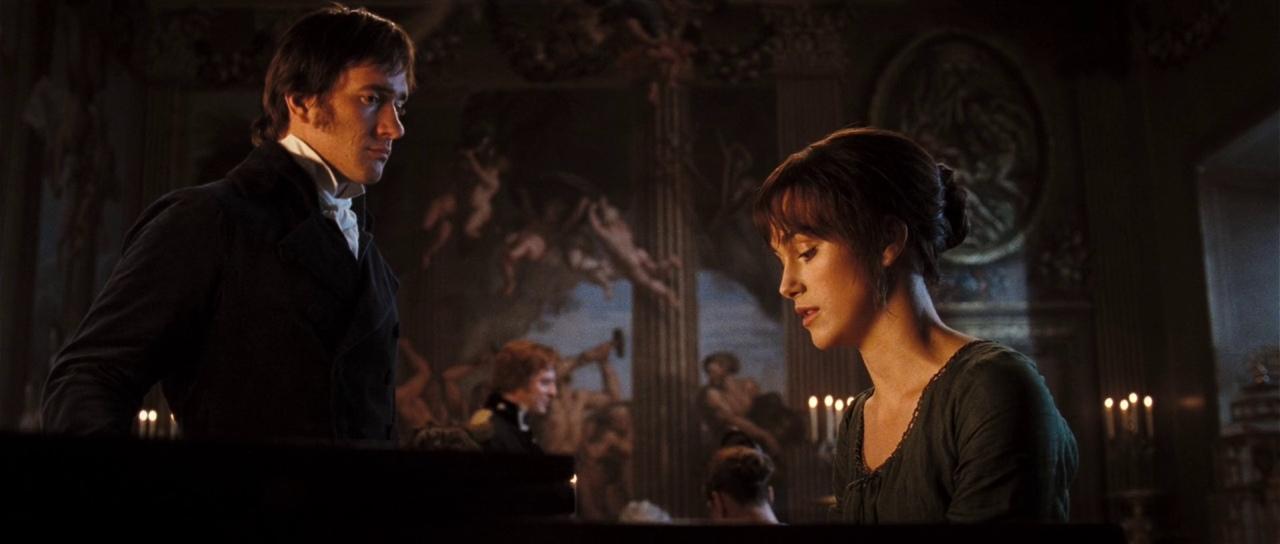
A good example is Pride & Prejudice (2005, Focus Features), which takes place in early 19th-century England. The film follows the manners, class expectations, and romantic customs of the time through the story of Elizabeth Bennet and Mr. Darcy.
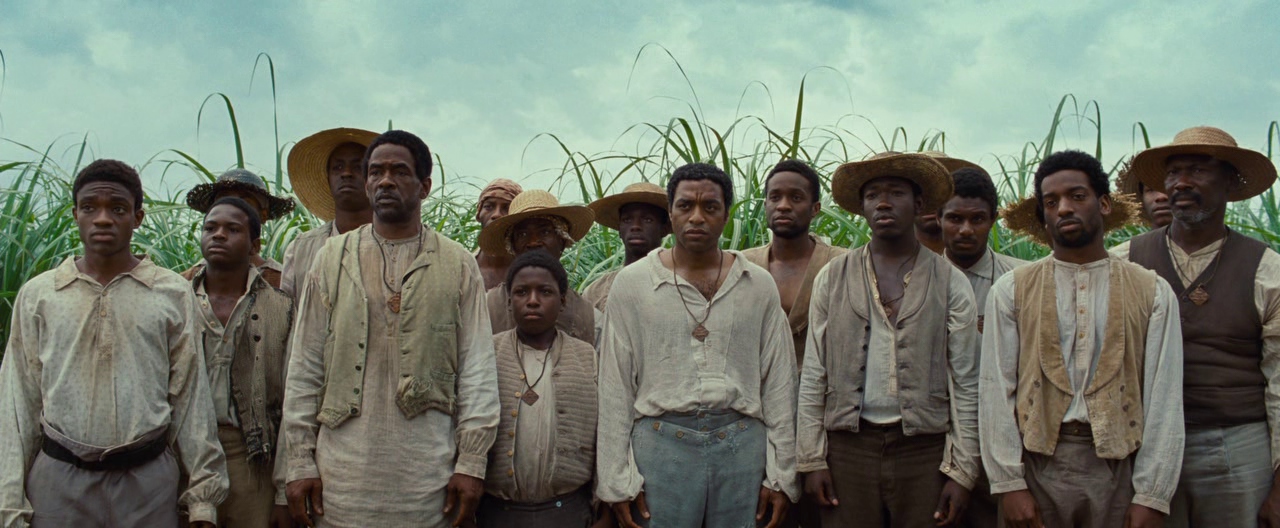
Another example is 12 Years a Slave (2013, Fox Searchlight), which is set in the United States before the Civil War. It is based on the real-life memoir of Solomon Northup, a free Black man who was kidnapped and sold into slavery.
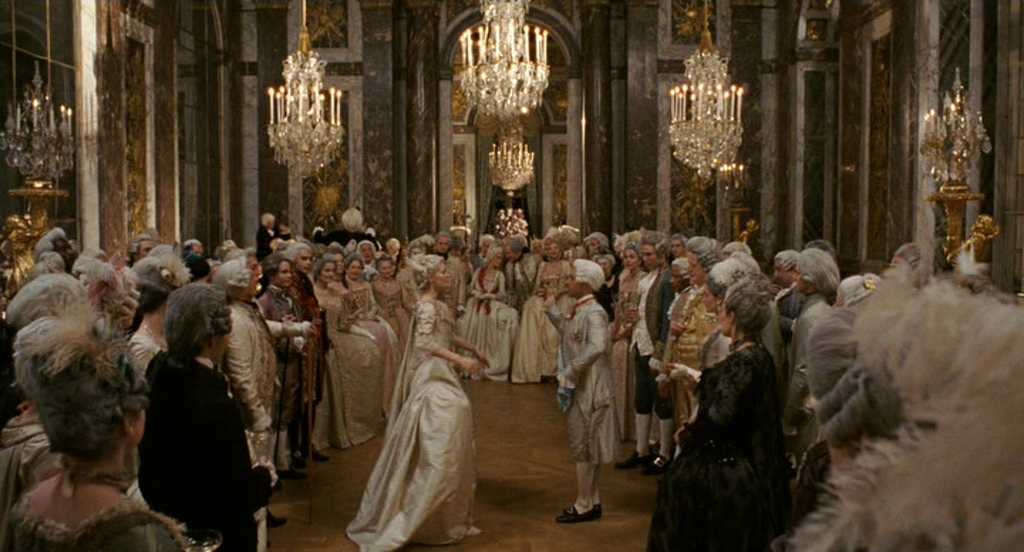
Marie Antoinette (2006, Columbia Pictures) also shows how filmmakers interpret historical settings. While the costumes and locations reflect 18th-century France and Rococo art, the film adds modern music and tone to create a stylized version of history. It even inserts anachronistic elements, such as modern sneakers, to connect it to modern-day consumerism.
Period Pieces in TV
Outside of film, shows like Downton Abbey and The Crown use accurate detail to tell stories about royalty, class, and personal change in different parts of 20th-century England.
Mad Men reflects social and cultural shifts in 1960s New York through its fashion and workplace drama.
Some TV period pieces also blend historical elements with fiction or fantasy. Peaky Blinders (2013–2022, BBC) is a TV series set in post–World War I Birmingham, England. While based on real gangs, it adds stylized violence and modern music to attract a new audience.
Is a Period Piece the Same as a Period Drama?
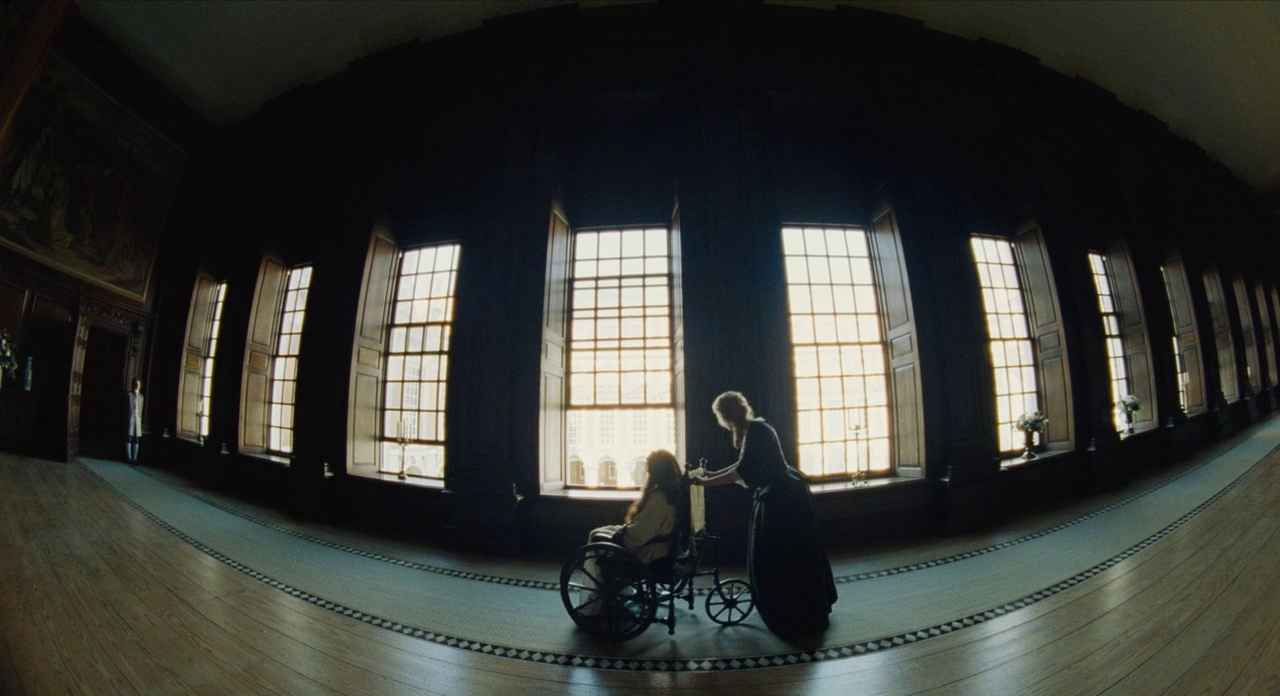
A period drama is a type of period piece, but not every period piece is a drama. A period drama focuses on serious themes, personal conflict, and character development within a historical setting.
The term “period piece” refers to the historical setting. The genre can be drama, comedy, horror, or anything else. A film like 12 Years a Slave is both.
A film like The Favourite (2018, Fox Searchlight) is set in 18th-century England but tells its story with comedy, over-the-top behavior, and stylized camera work. It mixes real political rivalry with strange humor and modern touches.
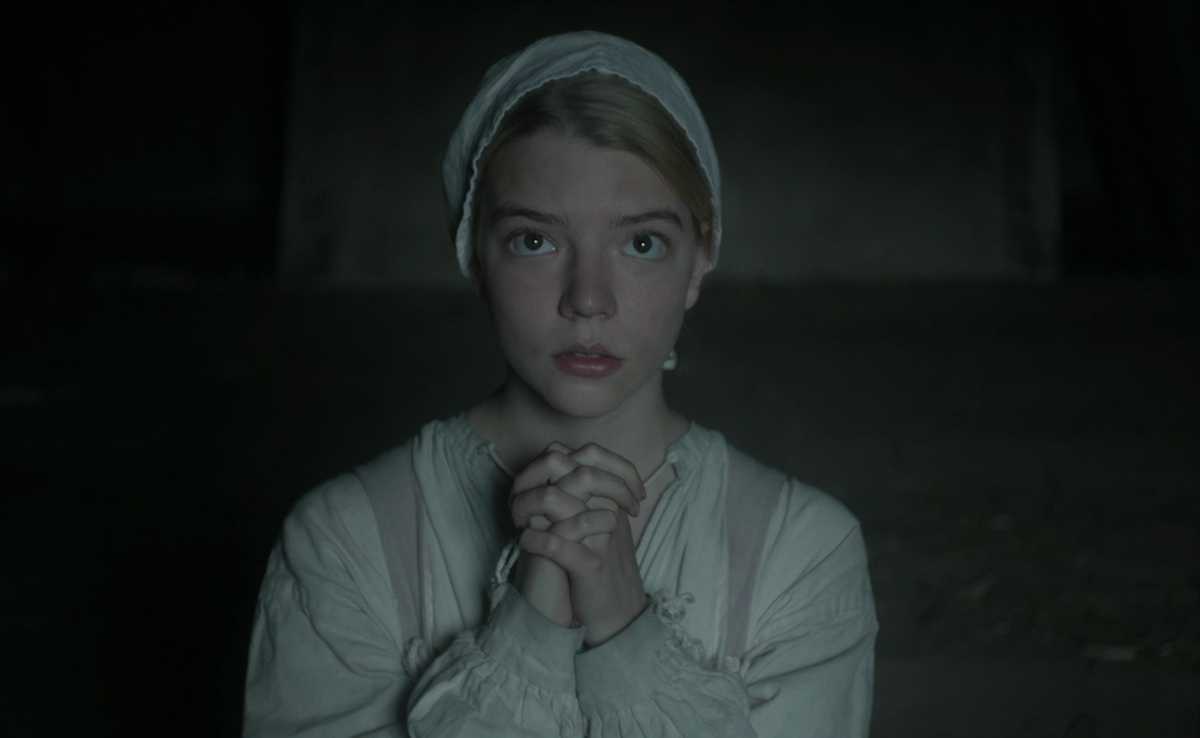
Even science fiction or horror films can have a period setting. The Witch (2015, A24) is a supernatural horror story set in 17th-century New England. The film’s dialogue and production design reflect the strict Puritan lifestyle of the time.
Frequently Asked Questions
What is an example of a period piece?
Films like Titanic, Gladiator, Pride and Prejudice, and 12 Years a Slave are all period pieces set in the past.
How far back does a film have to be set to be a period piece?
There is no strict rule, but a period piece is generally set at least a generation — roughly 20 to 30 years — before it was made, in a clearly evoked earlier era.
Is a period piece a genre?
It is better described as a setting-based category than a traditional genre. A period piece can be a drama, romance, comedy, thriller, or horror. See our movie genres list for more.
What is the difference between a period piece and historical fiction?
Historical fiction is any story set in the past, including novels, while a period piece specifically refers to a film or TV production that recreates an earlier era on screen.
Does a period piece have to be historically accurate?
No. A period piece must evoke a real past era, but strict historical accuracy is not required, and many take creative liberties with events and dialogue.
Summing Up
Period pieces help you step into the past and understand how people lived, dressed, and thought in another time. They show how history shaped personal lives and larger events. Whether based on fact or fiction, these films bring the past to life through careful design, honest storytelling, and cultural detail.
Read Next: Curious how visual styles define film genres?
Explore our breakdown of Genre & Visual Style to see how movements like naturalism, noir, and surrealism shape what we watch.
Looking for the big picture? Visit our Film History, Theory & Genre page to connect techniques with the eras and ideas that shaped them.
