

Published: July 29, 2025 | Last Updated: November 25, 2025

What is Science fiction? Definition & Meaning
Science fiction is a genre that imagines how science and technology might shape the future, other worlds, or alternative realities.
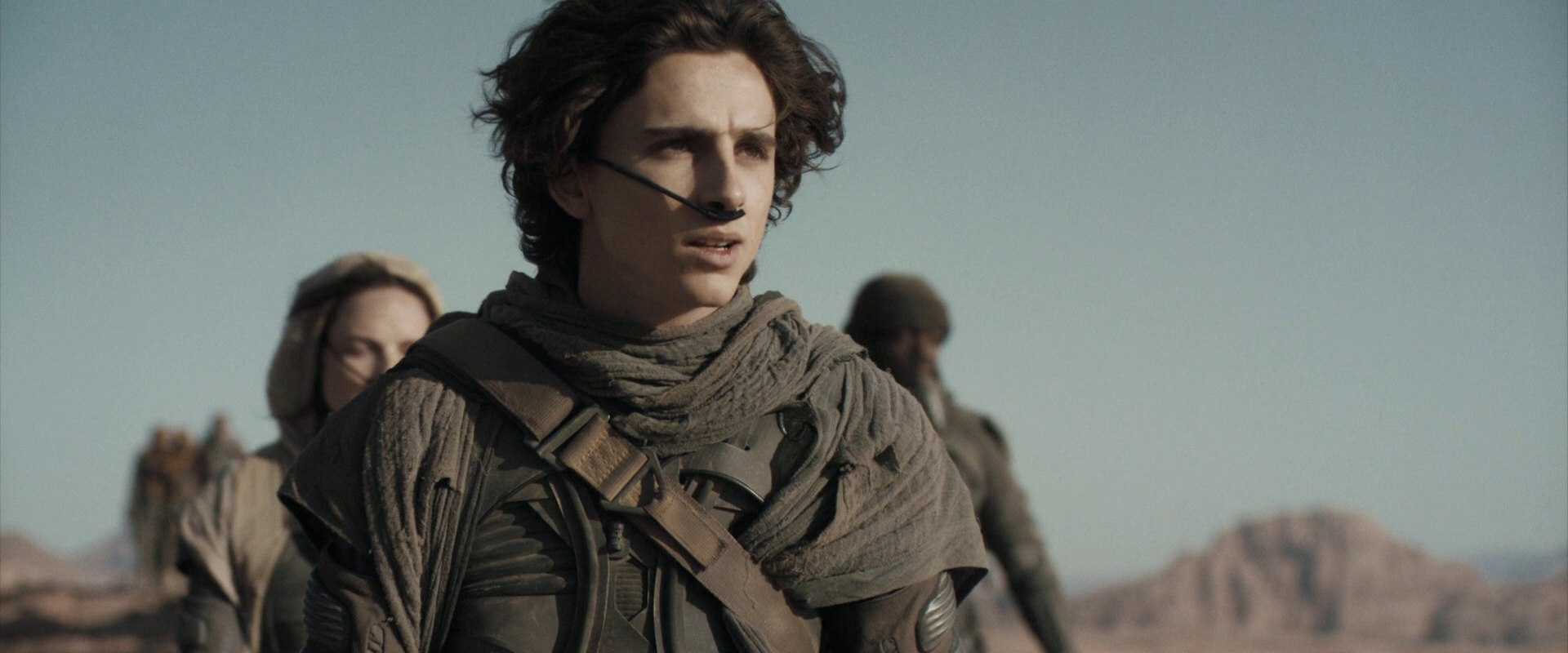
Science fiction stories ask “what if?” questions about inventions, space, time, and the limits of human knowledge. Some focus on robots and artificial intelligence. Others explore alien life, dystopias, or scientific experiments gone wrong. Sci-fi connects real ideas to imagined futures and helps you think about what could happen next.
Where It Comes From
The roots of science fiction are in literature. Mary Shelley’s Frankenstein (1818) is often called the first science fiction novel. It tells the story of a scientist who creates life and faces the consequences.
Jules Verne and H.G. Wells expanded the genre in the late 1800s. Verne imagined deep-sea travel in 20,000 Leagues Under the Sea (1870), while Wells wrote about time machines and alien invasions. The early writers showed how science fiction could explore big ideas about invention, power, and humanity.
Subgenres of Science Fiction
Science fiction includes many subgenres. Each one focuses on a different part of science, technology, or imagined futures. Here’s a breakdown:
| Subgenre | Explanation | Example Films |
|---|---|---|
| Space Opera | Epic space adventures with battles, empires, and far-off planets | Star Wars (1977), Dune (2021) |
| Cyberpunk | High-tech futures mixed with poverty, hacking, and corporate control | Blade Runner (1982), The Matrix (1999) |
| Post-Apocalyptic | Stories set after a major disaster or the end of civilization | Mad Max: Fury Road (2015), The Road (2009) |
| Time Travel | Characters move through time and face paradoxes or consequences | Back to the Future (1985), Looper (2012) |
| Alien Encounters | First contact with extraterrestrial life and what it means for humanity | Arrival (2016), Close Encounters of the Third Kind (1977) |
| AI and Robots | Machines or androids gain intelligence and challenge human roles | Ex Machina (2014), The Terminator (1984) |
| Dystopia | Oppressive futures where freedom is lost or society is broken | The Hunger Games (2012), Children of Men (2006) |
A (very!) Brief History of Sci-Fi on Film
Science fiction entered film early, in fact, only a few years after the invention of movies by the Lumiere Brothers, Edison, and others. Georges Méliès made A Trip to the Moon (1902), where a rocket lands in the Moon’s eye, which is by many considered the first sci-fi movie.
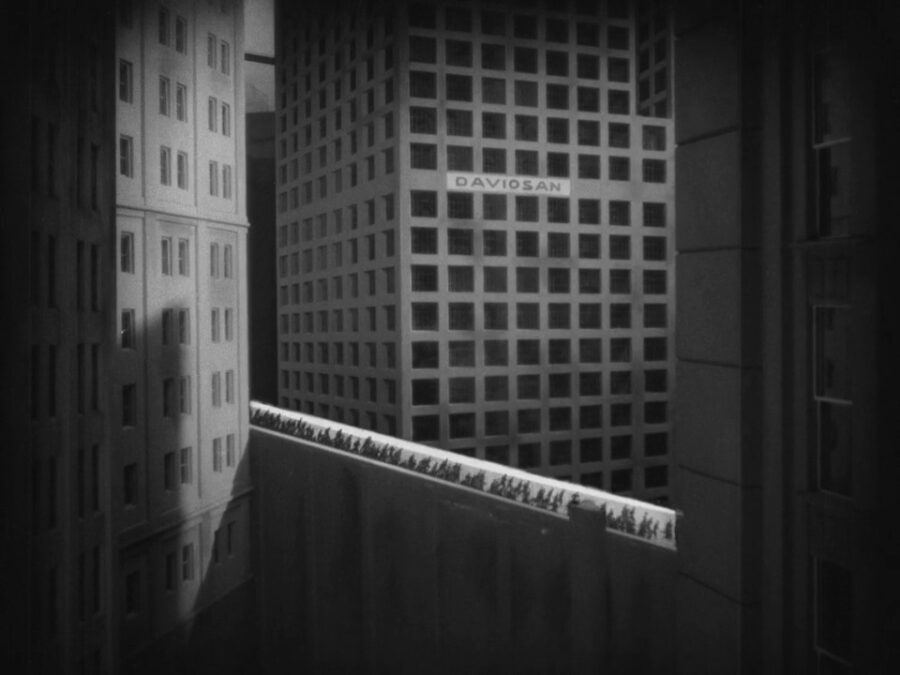
Fritz Lang’s Metropolis (1927) of the German Expressionism movement imagined a futuristic city ruled by machines and social class. The silent films shaped how sci-fi would look onscreen.
Sci-fi in the 1950s: Cold War Fears
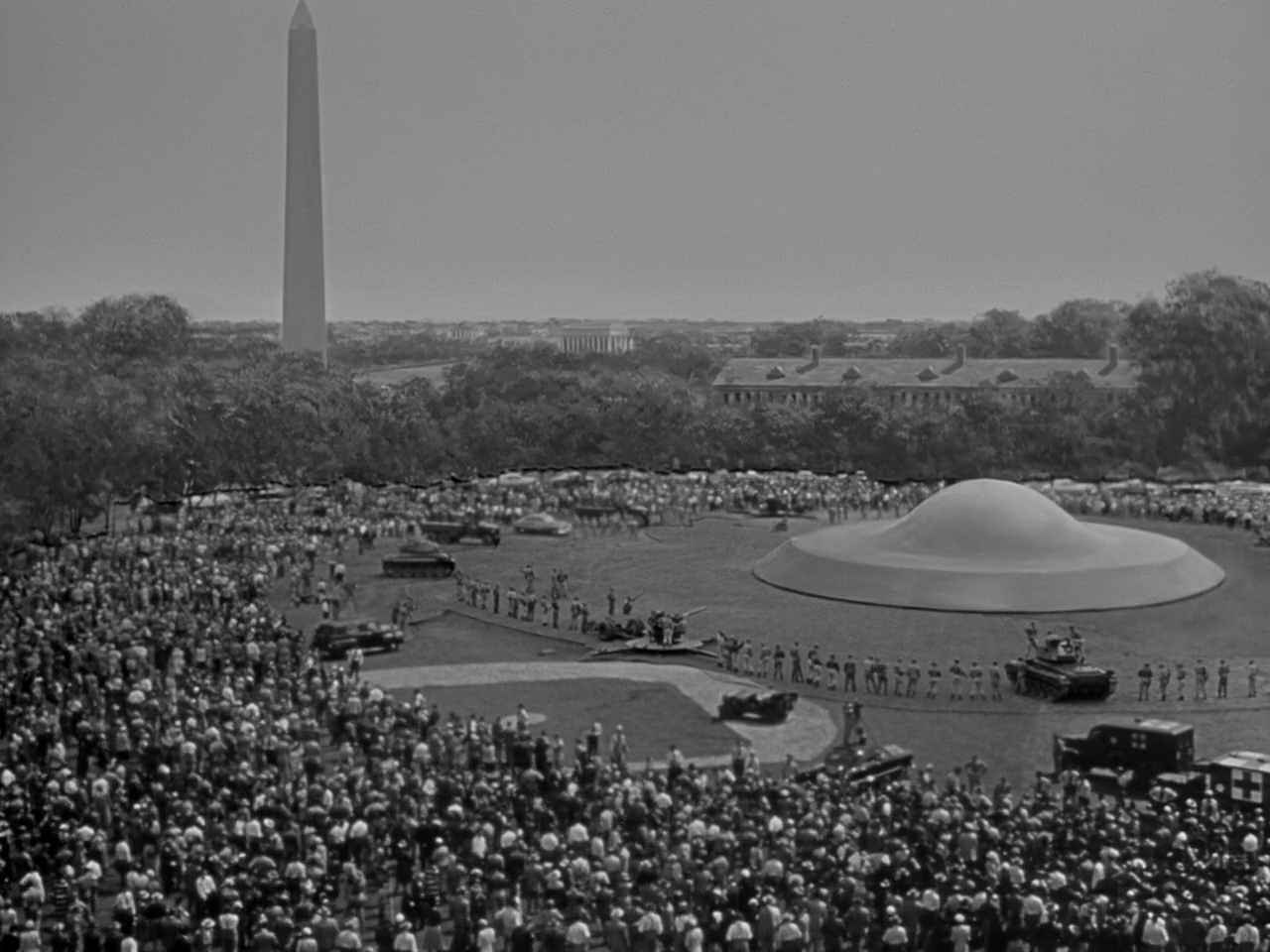
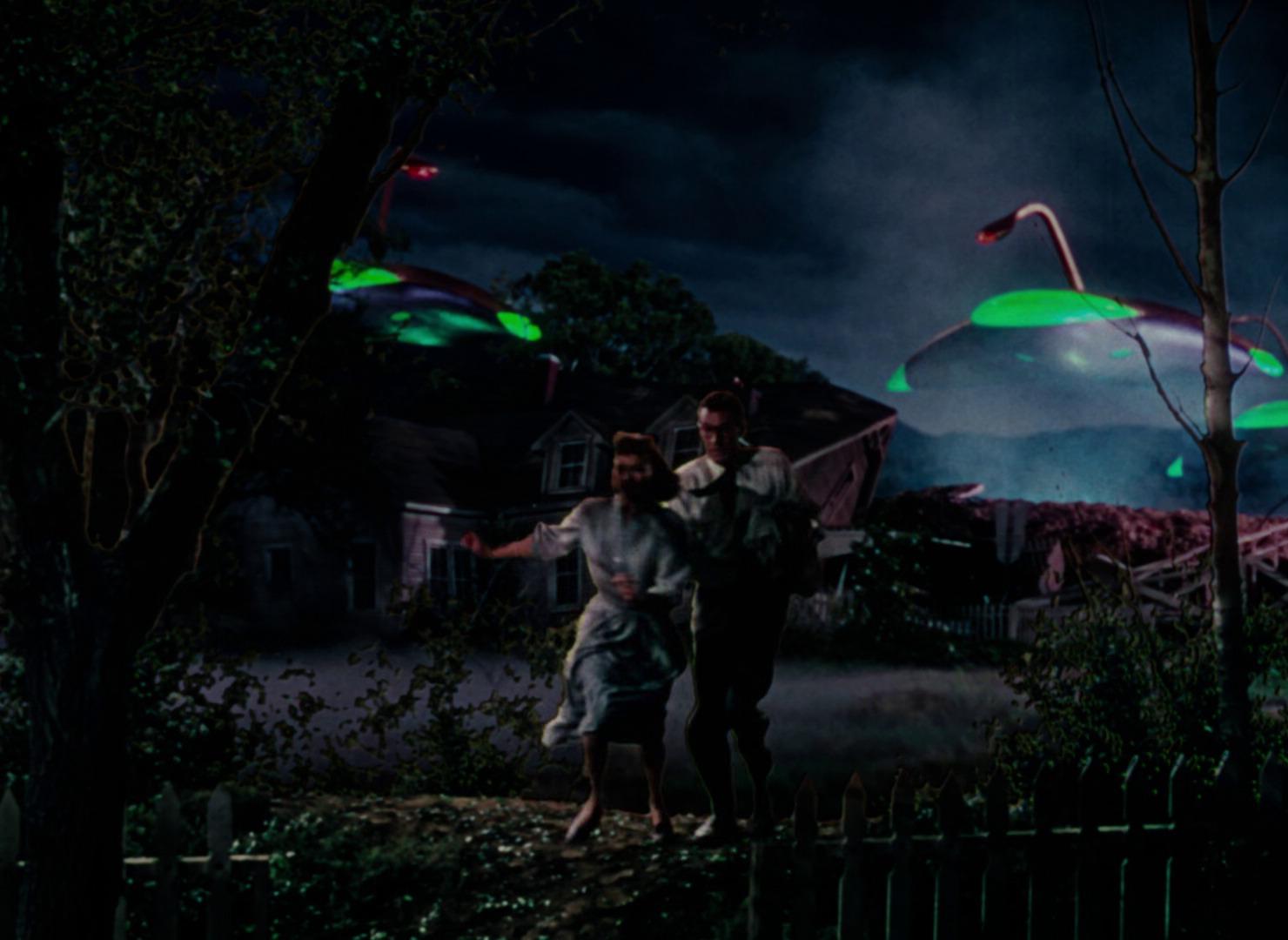
In the 1950s, sci-fi films reacted to Cold War fears. The Day the Earth Stood Still (1951) warned about violence. The War of the Worlds (1953) showed alien attacks as a metaphor for invasion.
Japan’s Godzilla (1954) became a symbol of nuclear destruction. These stories reflected real fears through imaginary threats.

Sci-fi in the 1970s: The beginning of the Space Opera
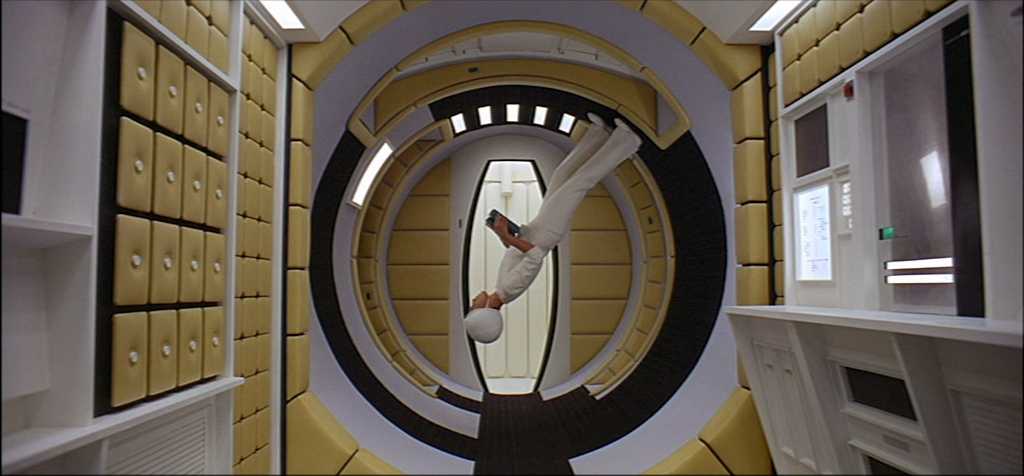
Later films became more ambitious. 2001: A Space Odyssey (1968, MGM) used realistic visuals and minimal dialogue to show human evolution.
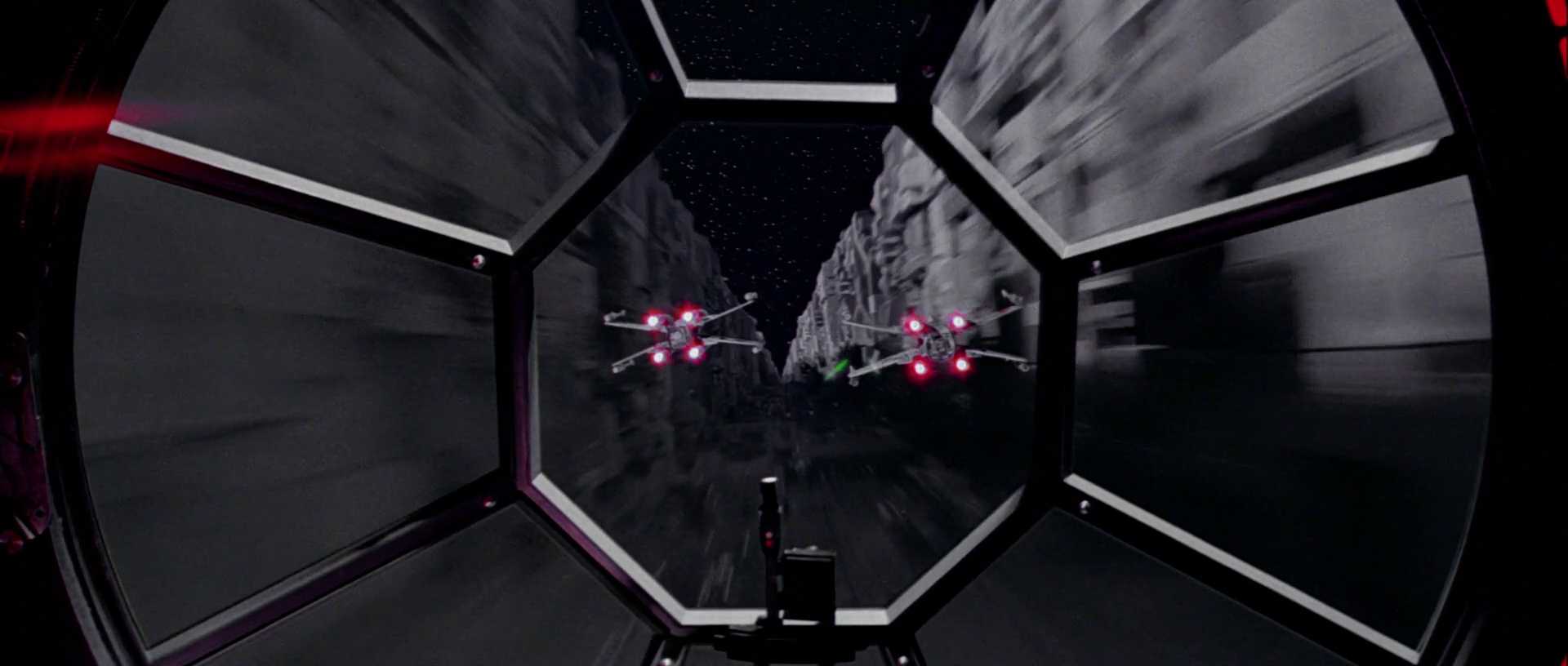
Star Wars (1977) turned the space opera and sci-fi fantasy into a global hit. It mixed space battles, robots, alien worlds, and heroic storytelling into one fast-paced adventure. The film didn’t focus on hard science, but instead used science fiction as a backdrop for a classic good-vs-evil and hero’s journey story.
With lightsabers, the Force, and memorable characters like Luke Skywalker and Darth Vader, it made space opera into an unlikely mainstream entertainment. Its enormous success led to sequels, merchandise, and a new model for blockbuster filmmaking that shaped Hollywood for decades.
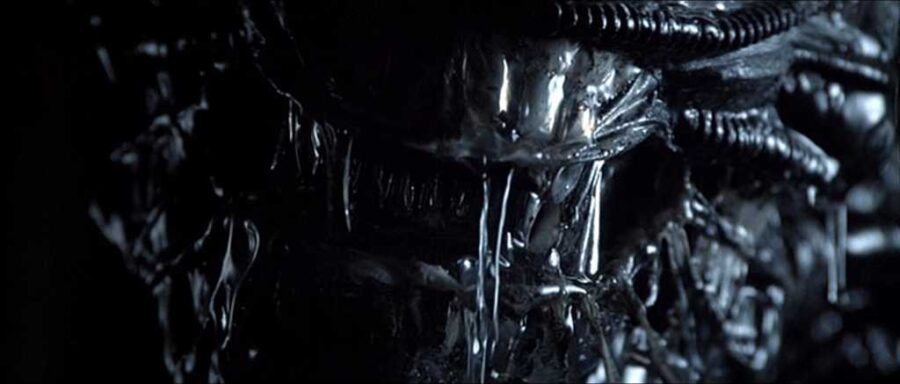
Alien (1979, 20th Century Fox) brought horror into space with a slow, tense story about survival. Directed by Ridley Scott, the film follows a crew trapped on a spaceship with a deadly alien lifeform. The dark, industrial setting and realistic crew gave it a gritty, lived-in feel. Sigourney Weaver played Ellen Ripley, one of the first major female heroes in science fiction.
Sci-Fi in the 1980s and 1990s: Bigger Ideas, Bigger Worlds
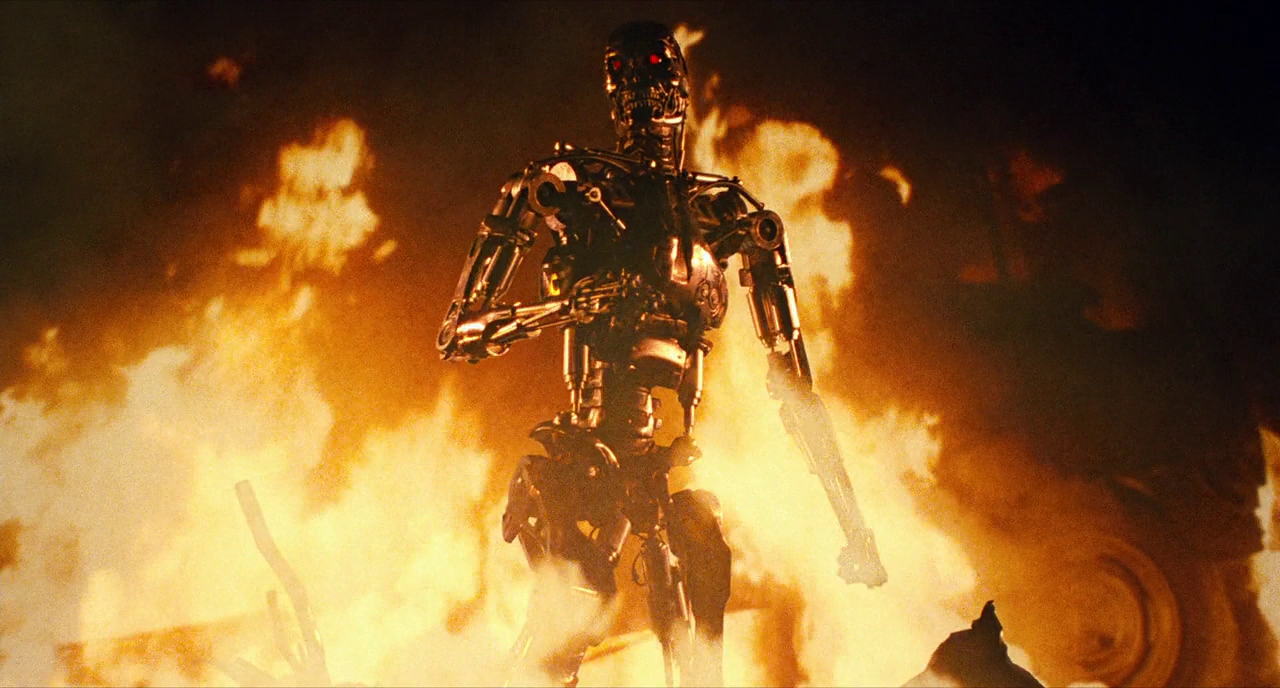
In the 1980s, science fiction became more ambitious. Filmmakers used better effects to tell deeper stories about identity, control, and survival.
The tech-noir Blade Runner (1982, Warner Bros.) introduced a darker future shaped by machines, cities, and questions about what it means to be human.
The Terminator (1984, Orion) mixed time travel and AI into a fast-paced thriller. Aliens (1986, 20th Century Fox) turned survival horror into military action while continuing Ripley’s story from Alien.

As technology advanced, sci-fi explored virtual worlds and digital fears. RoboCop (1987, Orion) satirized corporate power. The anime Akira (1988, TMS) brought cyberpunk to animation.
In the 1990s, films like Jurassic Park (1993, Universal) used CGI to bring science-based thrills to life.
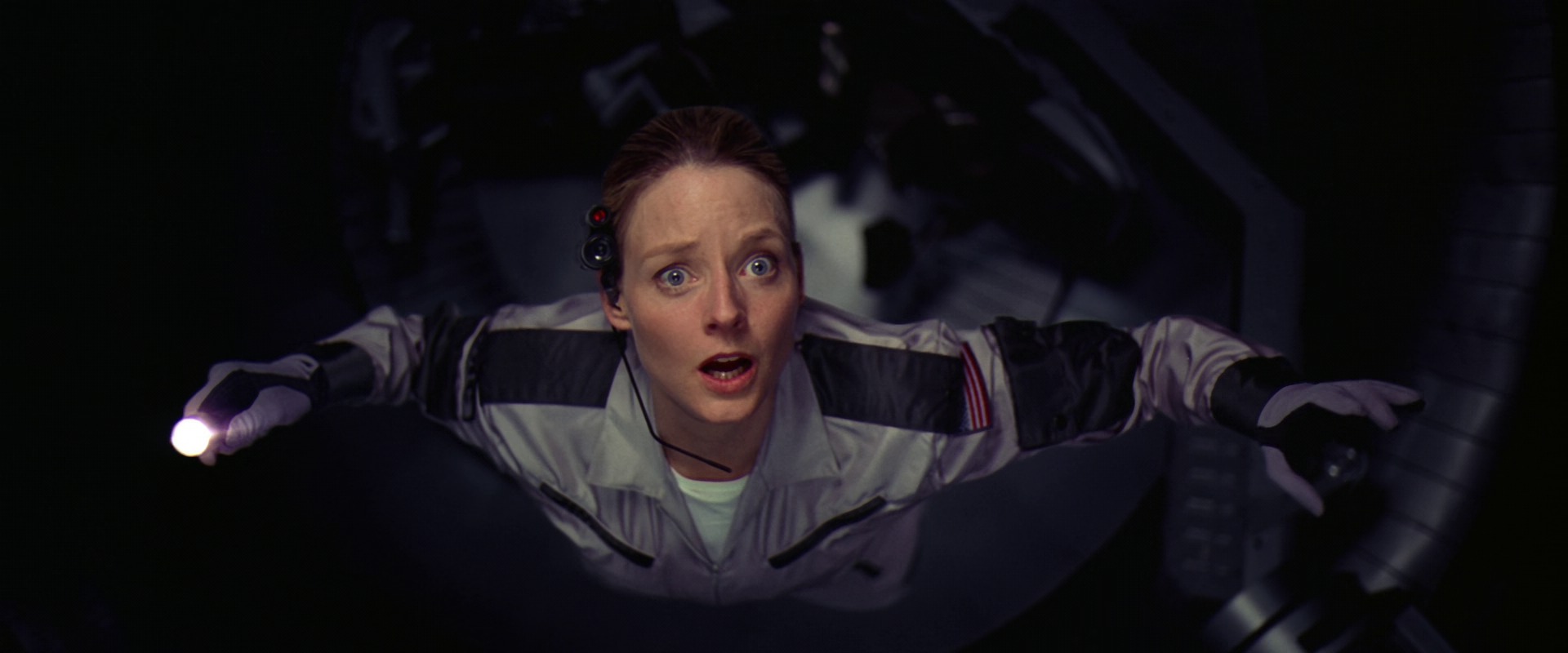
Contact (1997, Warner Bros.) asked what alien contact means for science and faith.
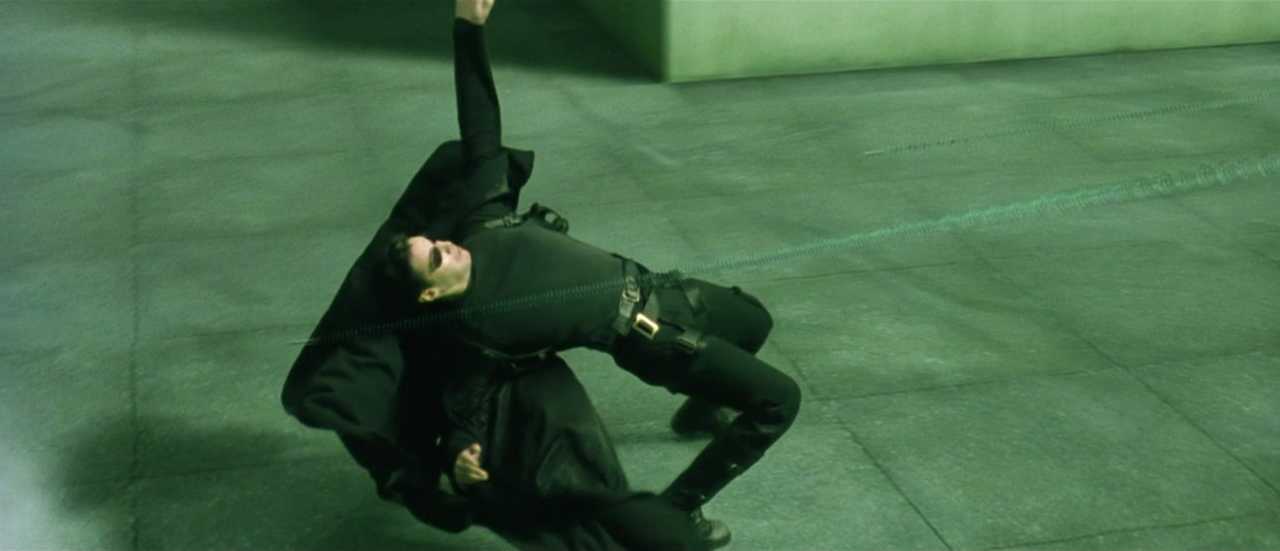
The Matrix (1999, Warner Bros.) used sleek visuals and slow-motion effects to explore how reality could be controlled by machines.
Science Fiction from the 2000s and Beyond
From the 2000s onward, science fiction became one of the most popular genres in global cinema. New technology within CGI allowed filmmakers to create massive worlds, while many stories focused on human survival, memory, or the ethics of science.
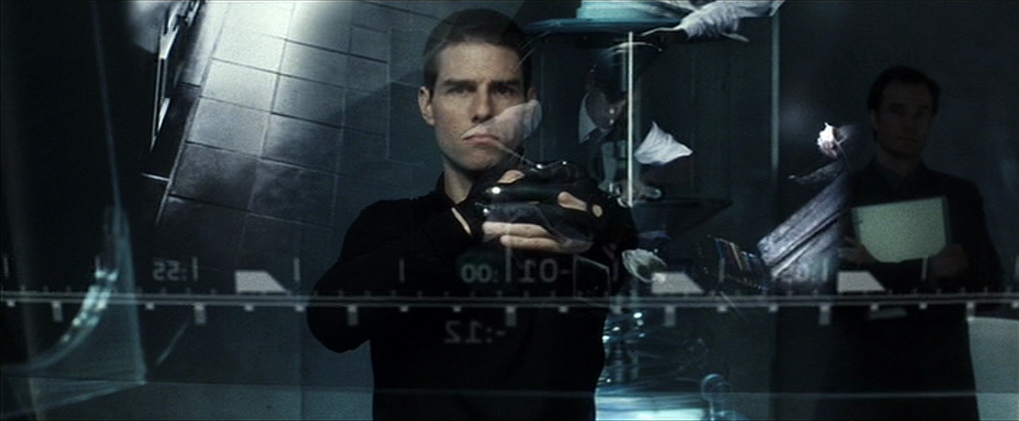
Minority Report (2002, 20th Century Fox) explored a future where crimes are predicted before they happen. Children of Men (2006, Universal) showed a bleak world where no children have been born in years. Sunshine (2007, Fox Searchlight) followed astronauts trying to reignite the dying sun.
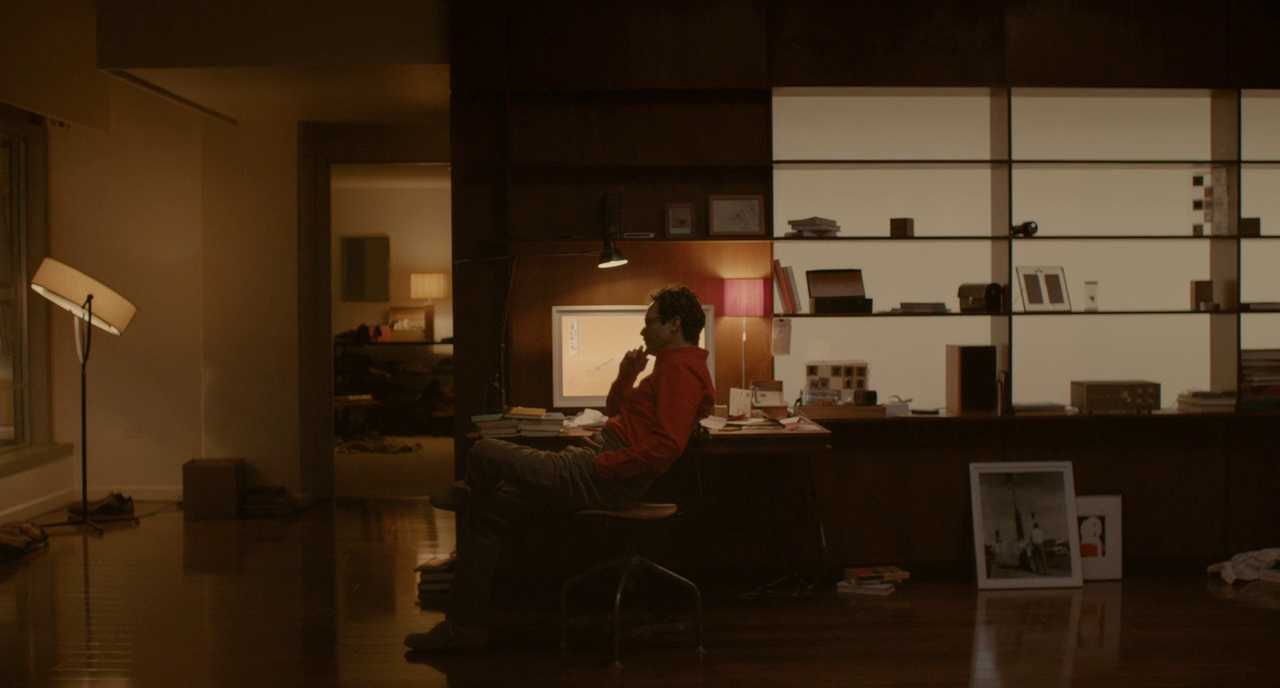
The 2010s brought a wave of sci-fi films that balanced spectacle with serious themes. Inception (2010, Warner Bros.) turned dreams into layered action sequences. Her (2013, Warner Bros.) focused on a lonely man who falls in love with an AI voice.
Gravity (2013, Warner Bros.) and The Martian (2015, 20th Century Fox) made space survival feel realistic and personal. Arrival (2016, Paramount) used alien contact to explore language, grief, and time.
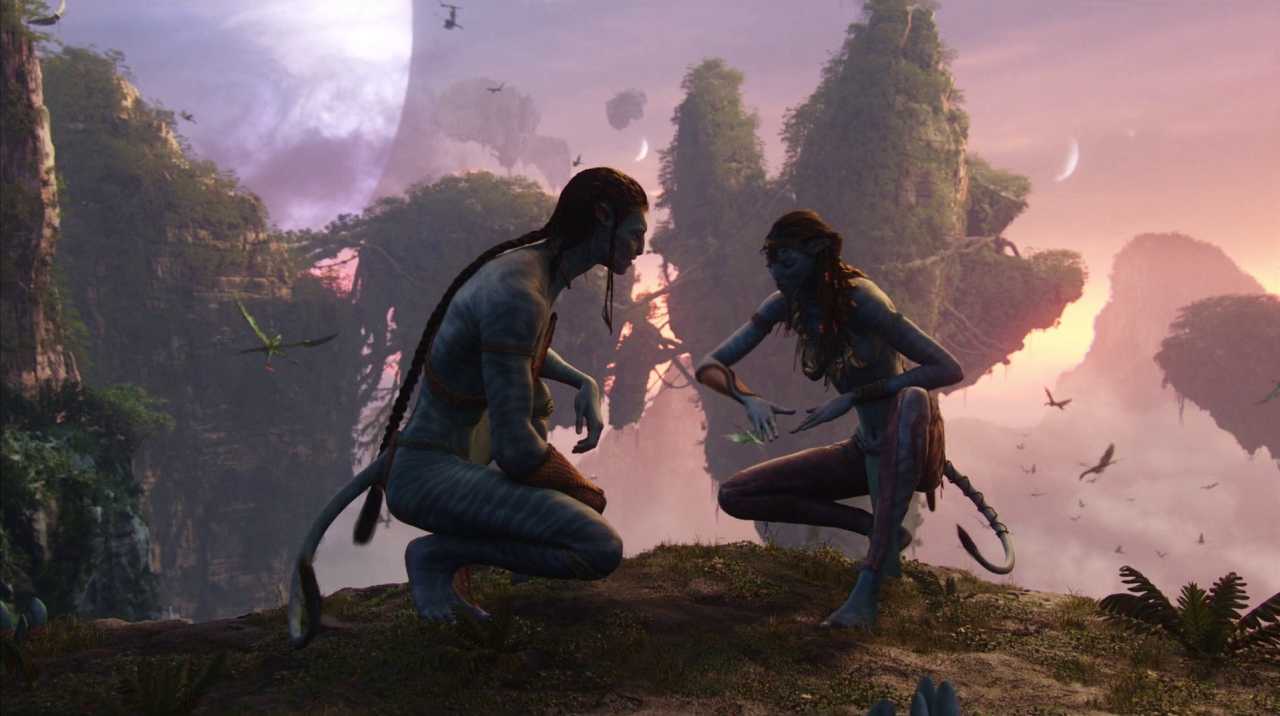
Directors like Christopher Nolan and Denis Villeneuve helped shape modern sci-fi with complex, emotional stories. At the same time, big franchises like Avatar (2009, 20th Century Fox), Star Wars, and the Marvel universe turned science fiction into a global event.
Sci-fi films today continue to mix action with deeper questions about identity, technology, and the future of the world.
See the best sci-fi movies you should know.
Books That Became Movies
Many science fiction films started as novels. Here are some important ones:
- Frankenstein (1818) → Frankenstein (1931, Universal)
- The War of the Worlds (1898) → The War of the Worlds (1953, Paramount)
- Do Androids Dream of Electric Sheep? (1968) → Blade Runner (1982, Warner Bros.)
- Story of Your Life (1998) → Arrival (2016, Paramount)
- Dune (1965) → Dune (2021, Legendary)
These films bring ideas from books into visual form, using sound, design, and performance to ask the same big questions in a different way.
Sci-Fi and Real Life
Science fiction reflects real fears and dreams. During the Cold War, alien movies stood in for political threats. Today, stories about AI, climate change, and pandemics use sci-fi to explore problems we may face soon.
Movies like Her (2013) and Ex Machina (2014) deal with human relationships with machines. The Matrix and Children of Men (2006) show futures shaped by control and loss of freedom. These films help you think about ethics, survival, and what makes someone human.
Major Sci-Fi Directors
Below are some key sci-fi directors I think are crucial knowledge.
- Georges Méliès – invented sci-fi visuals with A Trip to the Moon
- Fritz Lang – built future cities in Metropolis
- Stanley Kubrick – made sci-fi serious with 2001 and A Clockwork Orange
- George Lucas – turned space fantasy into global entertainment with Star Wars
- Ridley Scott – defined cyberpunk in Blade Runner and sci-fi horror in Alien
- Steven Spielberg – mixed wonder and realism in E.T. and Minority Report
- Denis Villeneuve – updated serious sci-fi with Arrival and Dune
Science Fiction Around the World
Sci-fi is no longer just a Hollywood genre. Other countries now contribute big stories and styles. The Wandering Earth (2019, China) shows Earth moved through space to avoid disaster.
Films from Russia, South Korea, and beyond continue to expand the genre. Science fiction speaks to global audiences because questions about the future, technology, and survival affect everyone.
Summing Up
Science fiction is a way to explore the unknown. It imagines what could happen with science, invention, or change. From early books to modern blockbusters, sci-fi helps you think about what’s possible, and what it means to live in a world shaped by technology and ideas.
Read Next: Curious how visual styles define film genres?
Explore our breakdown of Genre & Visual Style to see how movements like naturalism, noir, and surrealism shape what we watch.
Looking for the big picture? Visit our Film History, Theory & Genre page to connect techniques with the eras and ideas that shaped them.
