

Published: May 2, 2024 | Last Updated: January 19, 2026

What is a subgenre in film? Definition & Meaning
A subgenre is a smaller category within a larger film genre. It keeps the main traits of the genre but adds its own unique rules, style, or themes. For example, a slasher film is a subgenre of horror by specific genre conventions. It still uses fear and suspense, but it usually follows a masked killer who hunts and kills a group of victims one by one. Subgenres help you know what kind of story to expect and give writers and directors a clear structure to work with.
This article explains how subgenres develop and evolve, their role in the industry, and their broader cultural impact.
The Role of Subgenres
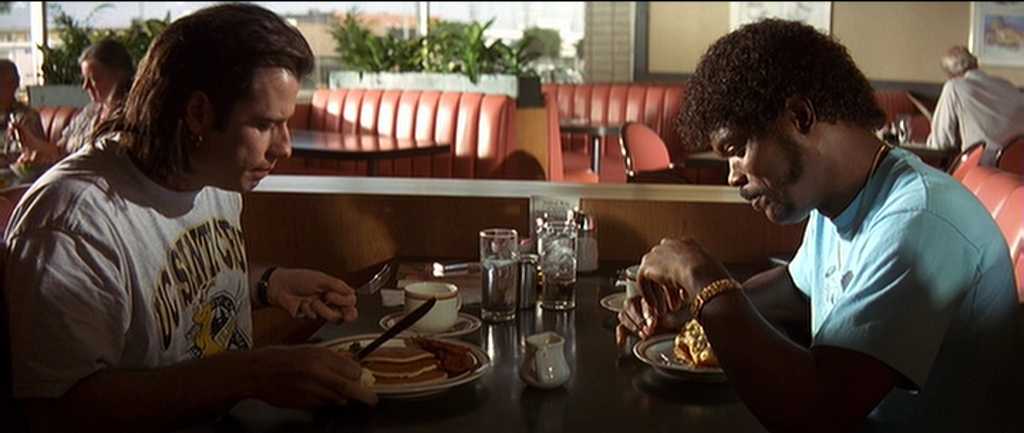
Subgenres help the film industry by letting creators and audiences categorize and discuss the subtle differences in themes or styles among films.
Directors like Quentin Tarantino and Jordan Peele have redefined established subgenres such as crime thriller and social thriller by infusing them with their unique styles and perspectives.
Tarantino’s Pulp Fiction (1994) revitalized the crime thriller with its non-linear storytelling and rich dialogues, whereas Peele’s Get Out (2017) introduced horror elements into a social critique, creating a new layer of subgenre that combines societal commentary with traditional horror.

I recommend reading What is a Movie Genre? to better understand how genres emerge and evolve.
The differences also aid in marketing films and allow marketing teams to mold the audience’s expectations before release.
How subgenres form and why they change
Subgenres form when films repeat the same beats, character roles, and set-piece structures often enough that viewers recognize the pattern. Understanding this process helps you judge whether a label describes a stable craft system or a short-term trend.
- Patterns become readable: Repeated conventions let viewers predict how scenes will escalate and resolve.
- Industry feedback loops: Producers and platforms label films to sell them, and those labels encourage creators to reuse the same structures.
- Technology shifts the recipe: New tools change what is easy to stage. Smaller cameras made found footage conventions practical and believable.
- Cultural pressure reshapes content: Different periods emphasize different fears and fantasies, which change which conventions feel relevant.
- Hybrids create new lanes: Some films fuse two subgenre systems, and repeated use later turns that fusion into a recognizable category.
For an example of overlapping conventions, see Film Genre Analysis: What Sets Horror and Thriller Apart?. It helps when deciding whether a film is driven more by threat and fear or by suspense and pursuit.

Subgenres emerge from the intersection of broader genres with specific themes, settings, or narrative strategies that refine or alter the parent genre’s conventions.
For instance, the science fiction genre includes subgenres like cyberpunk and space opera, each offering unique elements and atmospheres; Blade Runner (1982) typifies cyberpunk (and neo-noir) with its focus on futuristic urban dystopias and advanced technology, while Star Wars (1977) exemplifies space opera with its epic adventures and galactic scale.
Two movie examples that show the difference between genre and subgenre
The horror genre provides a clear example of this dynamic. The slasher film, a subgenre that gained prominence in the 1970s and 1980s with titles like Halloween (1978), capitalized on societal fears about urban decay and violence.
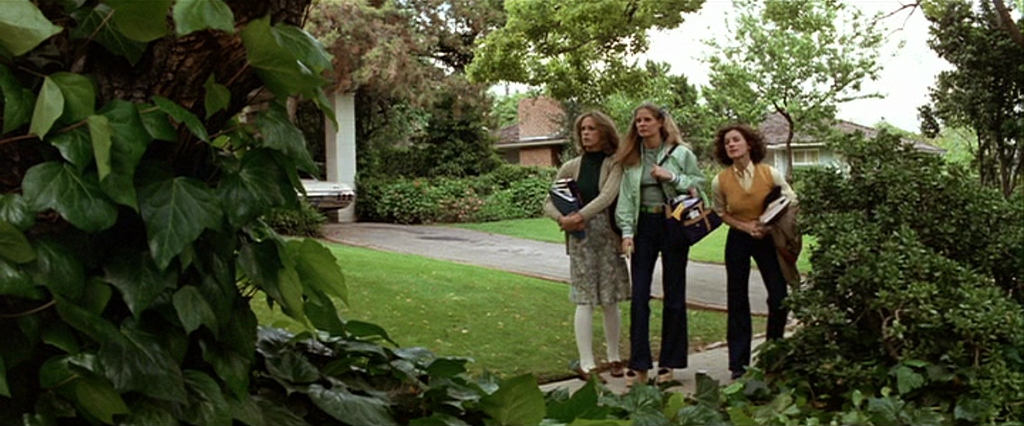
A clear example is Halloween (1978, Compass International Pictures). The film fits horror, and it also fits the slasher subgenre because it follows a repeatable slasher beat pattern. A masked killer stalks victims. The film establishes a vulnerable group, then removes them one by one.
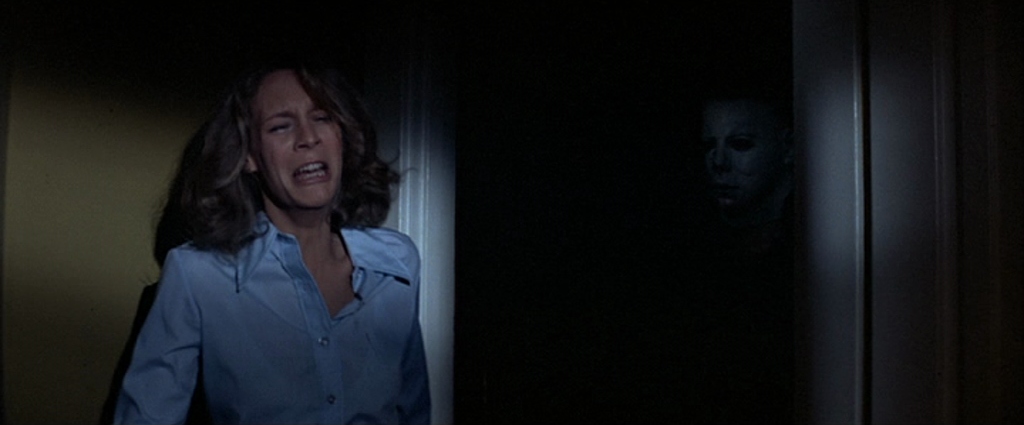
Tension builds through pursuit, hiding, delayed reveals, and near misses, and the film ends with a final survival confrontation. These elements recur across many slasher films.
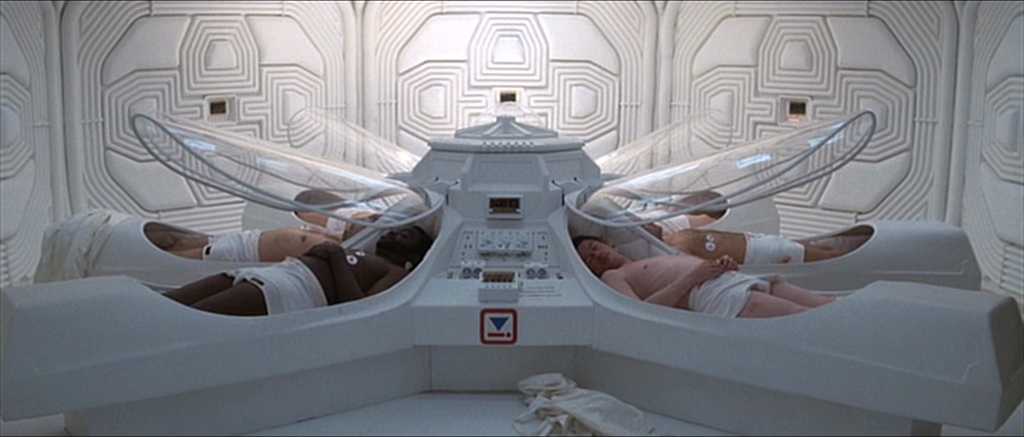
Alien (1979, 20th Century Fox) shows how subgenre language still works when films blend. Early sequences follow an investigation engine inside a science fiction frame. The crew discovers an anomaly, gathers information, debates responses, and makes decisions under uncertainty.

Later sequences shift to monster horror. The dominant pattern becomes stalking, isolation, and sudden violence in confined spaces. The useful label is the one that matches the dominant scene engine across most of the film.
Meanwhile, films like The Shining (1980), categorized as psychological horror, explore the complexities of the human psyche and mirror deeper existential fears.
The evolution of subgenres often reflects changing societal concerns and technological advancements.
See also Horror Subgenres Every Filmmaker Should Know (and Why)
How changing societal concerns affect subgenres
Environmental thrillers are a subgenre gaining popularity due to increasing concern over environmental degradation and climate change. They typically feature plots where the environment poses threats, often as a direct consequence of human actions.
The Day After Tomorrow (2004) is a good example. It dramatizes the catastrophic climatic effects of a sudden ice age and highlights the potential, drastic impacts of climate change.
Likewise, social thrillers focus on societal issues, embedding them within the thriller format to highlight and critique social injustices and cultural conflicts. Advances in social awareness and shifts in cultural discussions about race, gender, and class have propelled this genre forward.
As mentioned above, Get Out (2017) exemplifies this. It uses the horror-thriller format to explore liberal, middle-class (color)blindness to racism in America.
How technological advancements affect subgenres
Technological advancements influenced the found footage horror subgenre in video recording. As consumer-grade video cameras became more accessible in the late 20th century, filmmakers explored new storytelling methods.
The Blair Witch Project (1999) used this found-footage style, with its low-budget approach mimicking a documentary and marketing itself as actual found footage, which massively influenced horror filmmaking. See a list of the best found footage horror movies you should study.
Likewise, the rise of superhero cinema as a dominant subgenre over the past two decades correlates with advancements in CGI technology and a growing societal fascination with themes of heroism, justice, and moral dilemmas in the post-9/11 era.
For example, depicting characters such as Hulk and Thor as presented in the comics was impossible before CGI (sorry, Lou Ferrigno). Have a look at these two clips below and see why:
The examples show how cinema doesn’t exist in a vacuum but evolves with technological innovations and shifting societal values, reflecting and sometimes influencing public discourse and perceptions.
Subgenre vs. Style
A subgenre is different from style, which comes from choices in camera, lighting, blocking, production design, and editing. For that distinction, see Style in Film: Auteur, Genre, and Film Movements.
How to use subgenres in film work
A subgenre label should guide decisions, not decorate a pitch. It matters only if it changes how you write, shoot, or cut the film. The safest approach is to test the label against the film’s mechanics.
- Step 1: Identify the parent genre. Define the core expectation first. Horror manages fear and threat. Comedy manages humor and escalation.
- Step 2: List planned conventions. Focus on beats, character functions, setting rules, and pacing patterns tied to specific scenes.
- Step 3: Compare reference films. Study how similar films open, escalate, and resolve their main sequences.
- Step 4: Check practical impact. Ask what the label changes in coverage priorities, pacing, score versus silence choices, or production design.
- Step 5: Communicate selectively. One accurate subgenre label is usually clearer than several weak ones.
Screenwriting use
A subgenre helps define the engine that drives scenes. A heist story inside the crime genre usually includes recruitment, planning, testing the plan, execution, and fallout. You can surprise the viewer, but these core beats still need to land for the label to hold.
Visual storytelling use
A subgenre can narrow visual rules. In a slasher, suspense often comes from controlling what information the frame withholds. Long lenses make distances feel shorter, so threats seem closer. Tight framing hides exits. A slow push-in reduces options within the frame, which raises expectation and tension. These choices support stalking pressure and delayed release.
Production use
A subgenre can shape budgets and logistics. A contained creature feature concentrates resources on effects, sound, and key set pieces. A road movie redirects resources toward travel, locations, scheduling, and continuity. The label matters if it changes the schedule, gear, or crew needs.
Film history use
A subgenre helps trace how conventions travel. Giallo blends mystery structure with stylized violence and distinct visual signatures. Tracking those elements into later slashers shows how subgenre systems evolve.
If you want FilmDaft examples where subgenre labels are tied to concrete conventions, see Horror Subgenres Every Filmmaker Should Know (and Why) and Documentary Film Subgenres.
Common misuses
Subgenre language often fails when it replaces analysis.
Misuse 1: Treating a theme as a subgenre. Grief can shape a film, but it is not a subgenre unless films share repeatable engines such as the same haunting rules and reveal structures.
Misuse 2: Treating a vibe as a subgenre. “Cozy thriller” describes tone, but the thriller engine still needs investigation, pursuit, and escalating risk.
Misuse 3: Treating one device as a subgenre. A single location is a production constraint, not a genre system.
Misuse 4: Over-labeling hybrids. Stacking too many tags blurs the promise. Choose the dominant scene engine, then add one modifier that changes craft in a real way.
When the concept is unnecessary: Early drafts benefit more from clear conflict, stakes, and scene goals than from precise labeling. Subgenre language becomes useful later, when you need to align expectations.
When the concept adds value: Subgenre labels help teams align faster. Directors, DPs, and editors can agree on reference films and coverage priorities when the label points to the same scene mechanics.
Summing Up
A subgenre works when it describes repeatable on-screen systems you can test. When the label stays tied to conventions, scene mechanics, and audience promise, it becomes a practical tool instead of a vague tag.
- Definition: A subgenre is a smaller category inside a broader genre, built from repeatable conventions.
- Formation: Subgenres emerge when patterns repeat across many films and become recognizable.
- Application: Test labels against scene-level beats and check whether they change real craft decisions.
- Avoidance: Do not treat themes, vibes, or single devices as subgenres unless they map to stable systems.
Summing Up
Subgenres categorize films and shape cinematic works’ production, distribution, and reception, which play an important role in cinema’s cultural significance and legacy.
Like the broader genre they spring from, subgenres constantly evolve as their definition is challenged and the conventions renegotiated among filmmakers and the audience. Sometimes, new subgenres emerge because of this constant cultural conflict.
Without this conflict, we would not have any new interesting movies that push our limits and challenge us. And where’s the fun in that?
Read Next: Curious how visual styles define film genres?
Explore our breakdown of Genre & Visual Style to see how movements like naturalism, noir, and surrealism shape what we watch.
Looking for the big picture? Visit our Film History, Theory & Genre page to connect techniques with the eras and ideas that shaped them.
