

Published: June 25, 2025

What is A slasher movie? Definition & Meaning
A slasher movie is a subgenre of horror where a killer stalks and murders a group of people, usually one by one, using bladed weapons or close-range attacks.
Most slashers follow a simple pattern: a masked killer, isolated victims, and rising tension that builds to a final confrontation. The subgenre became popular in the 1970s and 1980s and still shapes horror today. For filmmakers, slashers are great case studies in suspense, rhythm, and low-budget storytelling.
How the Formula Works
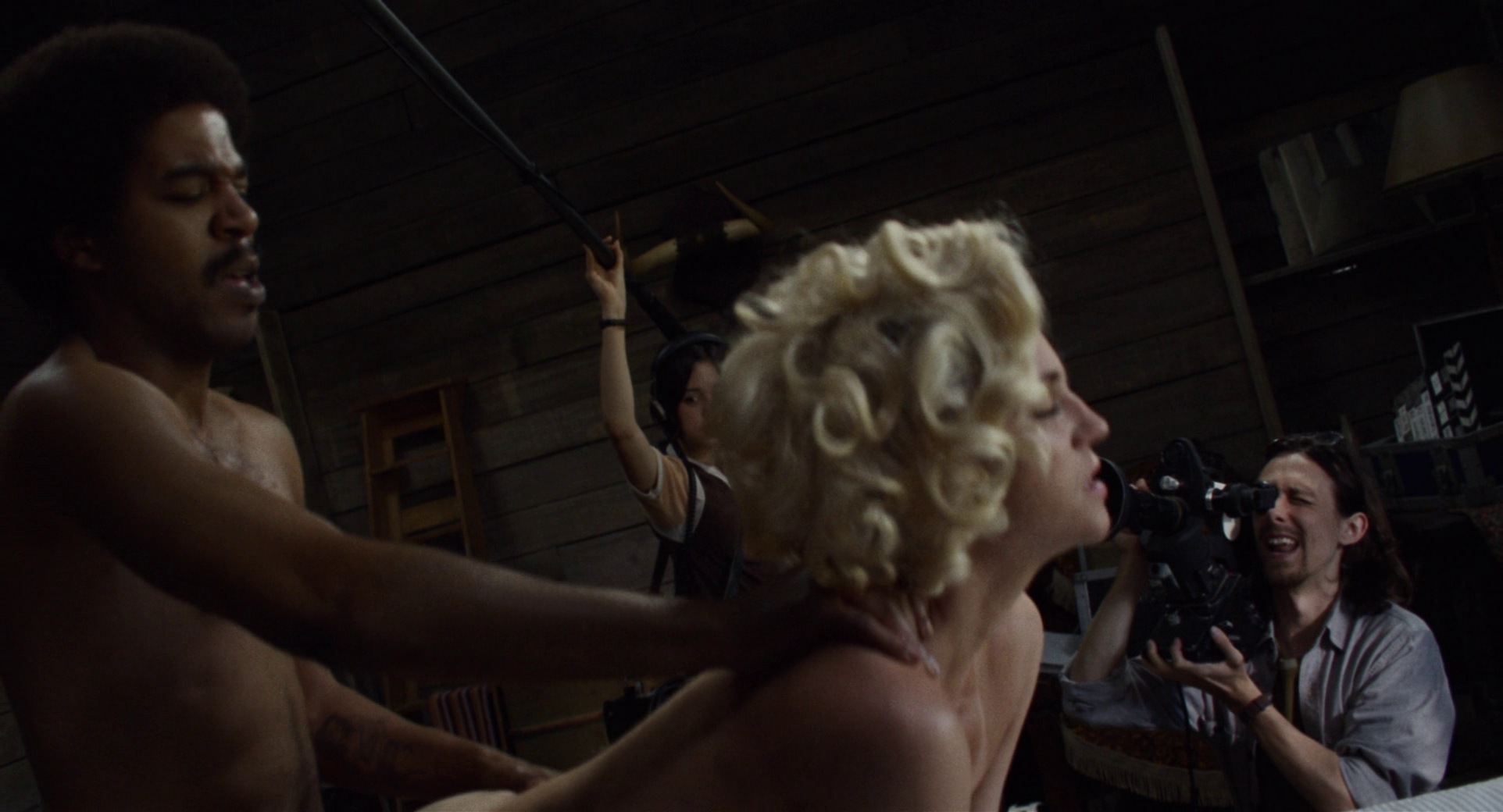
Slasher films often use the same basic structure. The audience meets a group of characters, usually teens or young adults, placed in a setting where escape is difficult. One by one, they’re picked off in suspenseful or shocking scenes until only one survivor is left.
Common settings include:
- Suburban neighborhoods
- Summer camps or cabins in the woods
- Abandoned houses or hospitals
- Schools or dorms during off-hours
This structure helps filmmakers build tension with limited locations and characters, making it a useful model for indie horror projects.
What Makes a Slasher Killer Work
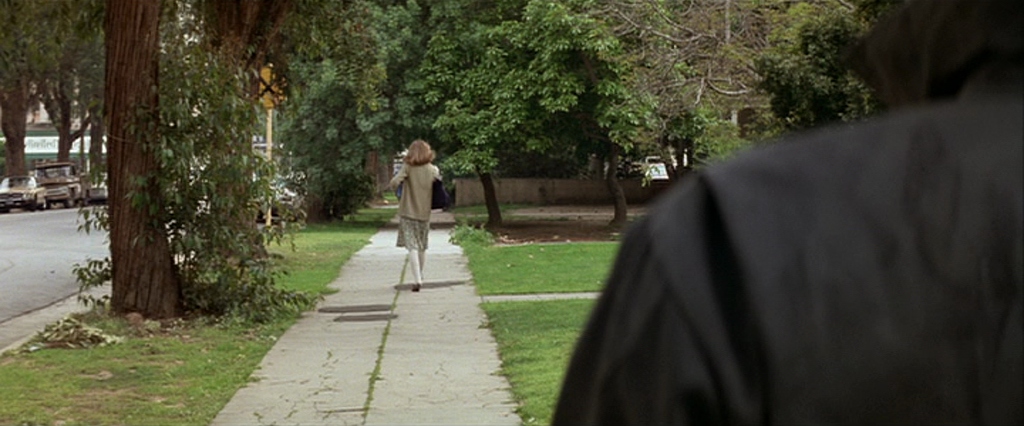
Slasher villains tend to be simple but memorable. Their power comes from design and presence, not dialogue or complex motives.
- Masked or hidden identity: Many killers wear a mask or a costume that hides who they are.
- Iconic weapon: A knife, a machete, a glove with blades—these tools become part of the killer’s identity.
- Silent and relentless: Most slashers don’t talk. They just follow, kill, and vanish until the next scene.
Some slashers have backstories that explain their violence. Others are just forces of nature, like Michael Myers or Jason Voorhees.
See a list of the best slasher films to watch and study.
The Final Girl
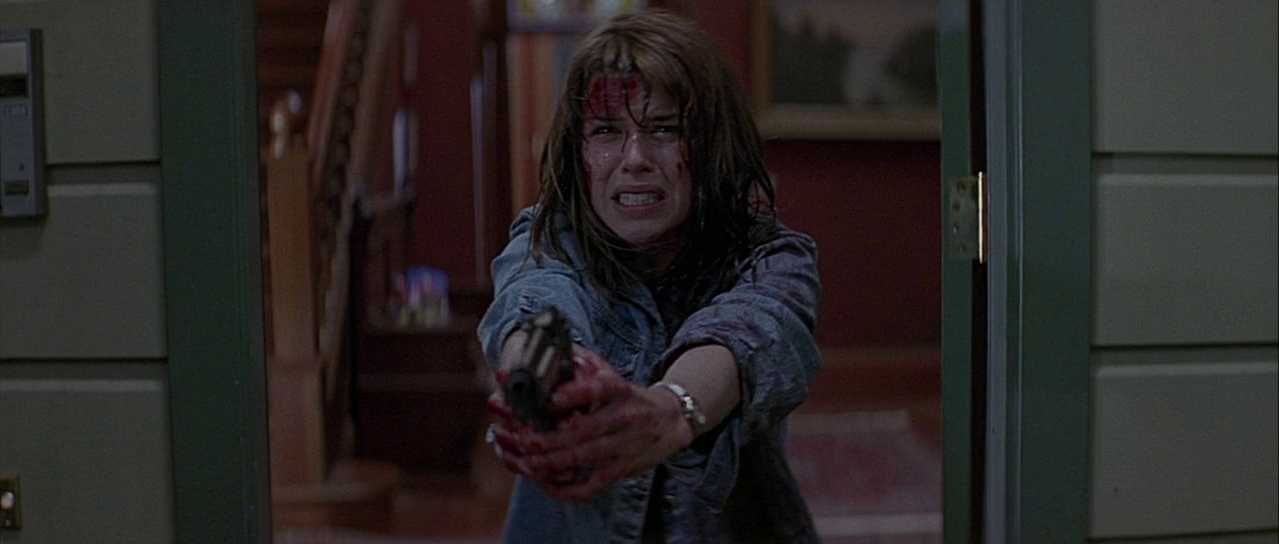
The “final girl” is a key part of the slasher formula and a common horror trope. She’s the last one standing, usually a woman who survives because she’s careful, smart, and strong enough to fight back. She often sees the danger earlier than the others and becomes the center of the story by the end.
This character isn’t just a victim. She changes as the story goes on, taking action, facing fear, and often defeating the killer herself. Her character arc is a good study in how to structure the emotional build of the movie.
Why Slashers Still Matter
Slasher films continue to reflect fears of the time. In earlier decades, they captured anxiety about strangers, social change, and violence in small towns. Today, new slashers respond to modern fears, like being watched online or trapped in an environment you can’t control.
For aspiring filmmakers, slashers are one of the best genres to study. They show how to build suspense with sound and silence, how to frame a scare, and how to pace a story.
Summing Up
Slasher films gave us some of horror’s most famous killers and scariest scenes. They follow a clear formula, but leave room for bold style and smart twists. For anyone making horror, the slasher genre is a place to learn how structure, visuals, and tension come together.
Read Next: Curious how visual styles define film genres?
Explore our breakdown of Genre & Visual Style to see how movements like naturalism, noir, and surrealism shape what we watch.
Looking for the big picture? Visit our Film History, Theory & Genre page to connect techniques with the eras and ideas that shaped them.