

Published: June 20, 2019 | Last Updated: June 25, 2025

What is A horror movie? Definition & Meaning
A horror movie is a film made to scare, disturb, or unsettle the audience using fear, suspense, or the supernatural. Horror movies have existed since the silent era and have branched into many subgenres, from haunted houses to folk horror.
In this article, I’ll examine what actually makes a horror movie a horror movie.
Where Horror Began
The horror genre has roots in the silent era, where filmmakers used practical effects and shadow play to express fear before sound was even possible.
In 1896, Georges Méliès made Le Manoir du Diable (The House of the Devil) 1896, which is often called the first horror film:
Another good example is Nosferatu (1922, Prana), which used harsh shadows, exaggerated makeup, and long, claw-like props to make the vampire feel unnatural and terrifying, even without sound. Count Orlok’s stiff movements and costume design turned him into a walking symbol of death.

Core Themes of Horror
Most horror films rely on a small set of themes that reflect deep human fears. These patterns appear again and again, even as the stories and styles change.
Fear of the Unknown
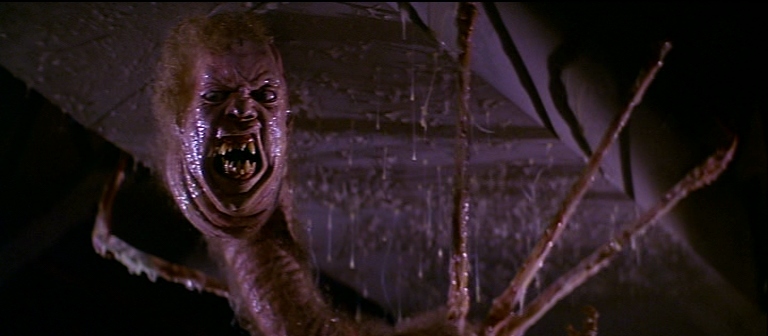
Many horror stories are built around things we can’t explain. This includes ghosts, aliens, or monsters that break the laws of nature. The Thing (1982, Universal) and The Blair Witch Project (1999, Artisan) both rely on mystery and unseen threats to create fear.
Isolation and Helplessness
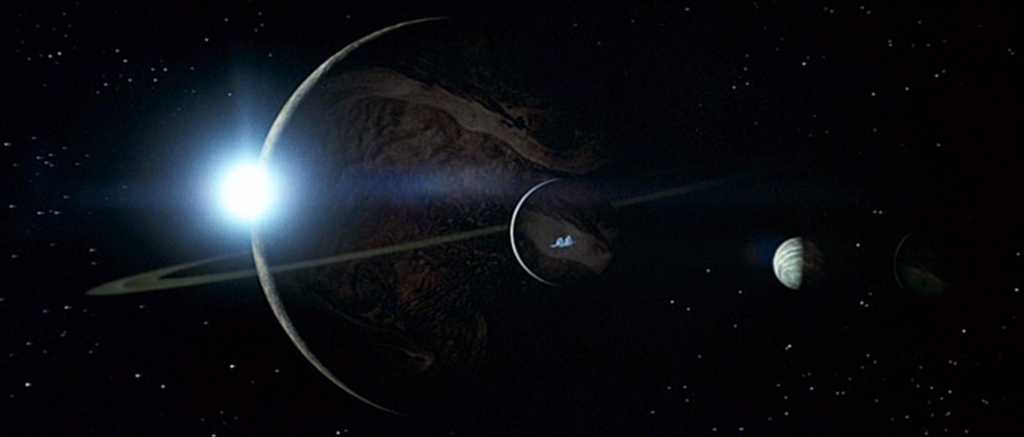
Characters in horror are often cut off from help. In Alien (1979, 20th Century Fox), the crew is hunted in deep space with no chance of escape. The Thing strands its characters in Antarctica, where no one can leave and no one can be trusted. Isolation gives the threat more power and makes the audience feel trapped with the characters.
The Fragile Body
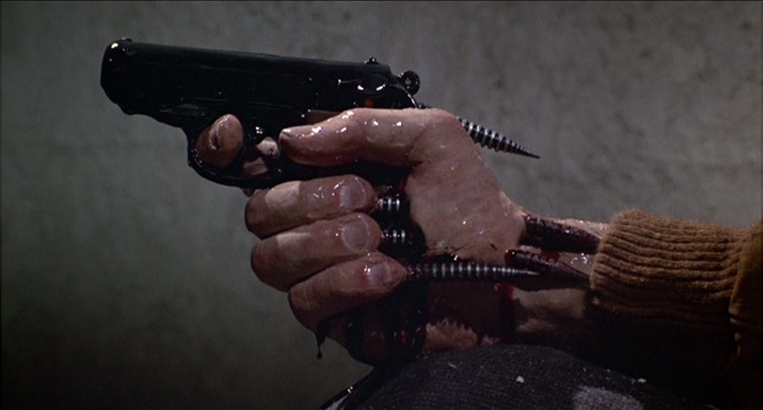
Body horror shows how the human form can be changed, invaded, or destroyed. It plays on fear of infection, mutation, or physical loss. Videodrome (1983, Universal) is a good example where technology invades the body and mind.
The Breakdown of Reality
Psychological horror uses unstable perception and mental collapse. A good example is Black Swan (2010, Fox Searchlight), where a ballet dancer becomes obsessed with perfection and starts to lose her grip on what’s real. The film uses hallucinations, body changes, and mirrored doubles to show her mental collapse.
The breakdown of reality and mental collapse is also a common theme in thrillers. Read more on the difference between horror and thriller movies.
Main Subgenres of Horror
Horror isn’t a single style. Over time, it has split into multiple horror subgenres that focus on different fears, threats, and emotional responses.
Slasher
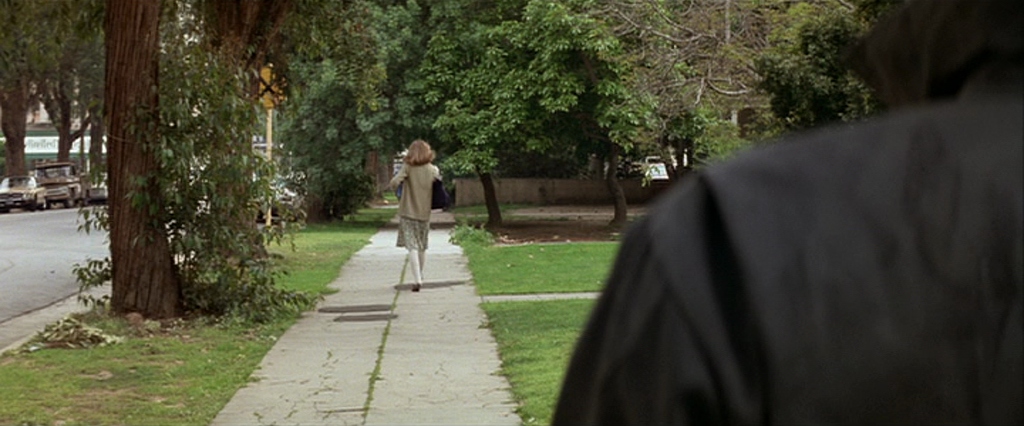
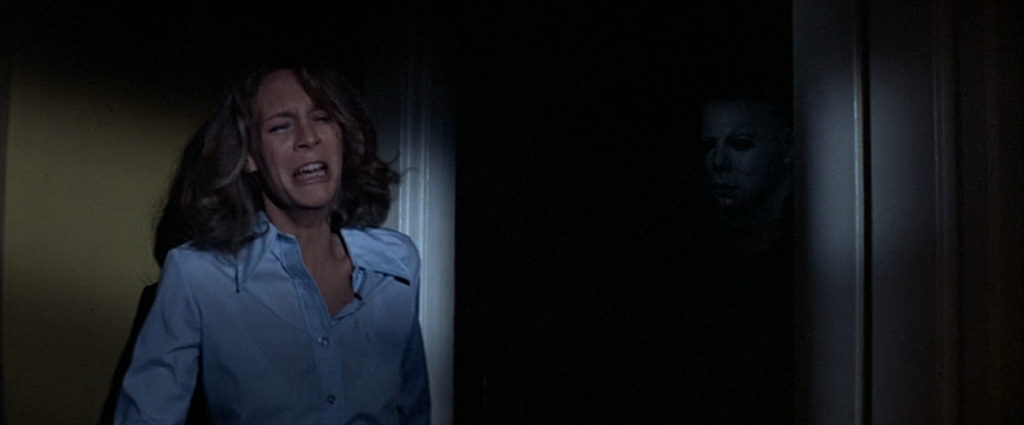
Slasher films center on a killer who stalks victims one by one. Halloween (1978, Compass International) and Friday the 13th (1980, Paramount) helped define the formula. The killer is often a silent figure, and the violence follows a pattern.
Here’s a list of some of the best slasher movies you should know.
Supernatural Horror
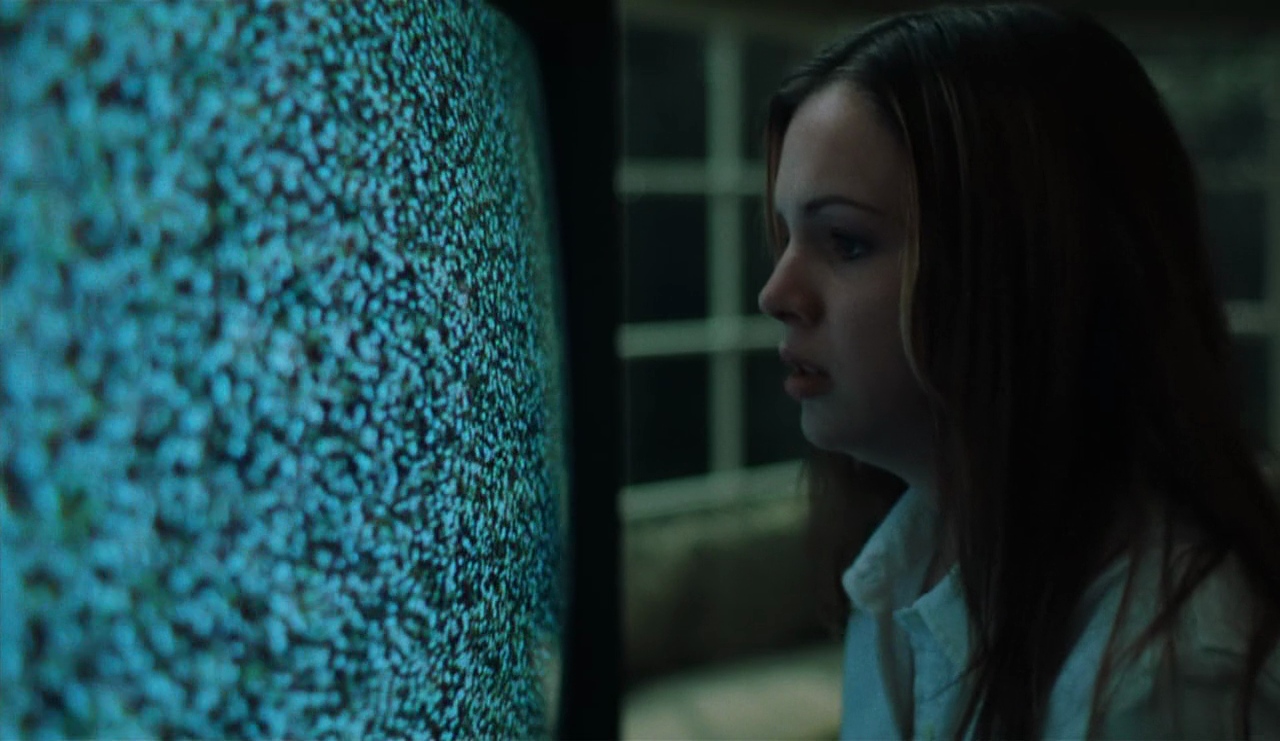
Ghosts, demons, or unexplained forces drive the horror. The Conjuring (2013, Warner Bros.) and The Ring (2002, DreamWorks) use folklore and spiritual rules to build their world.
Psychological Horror
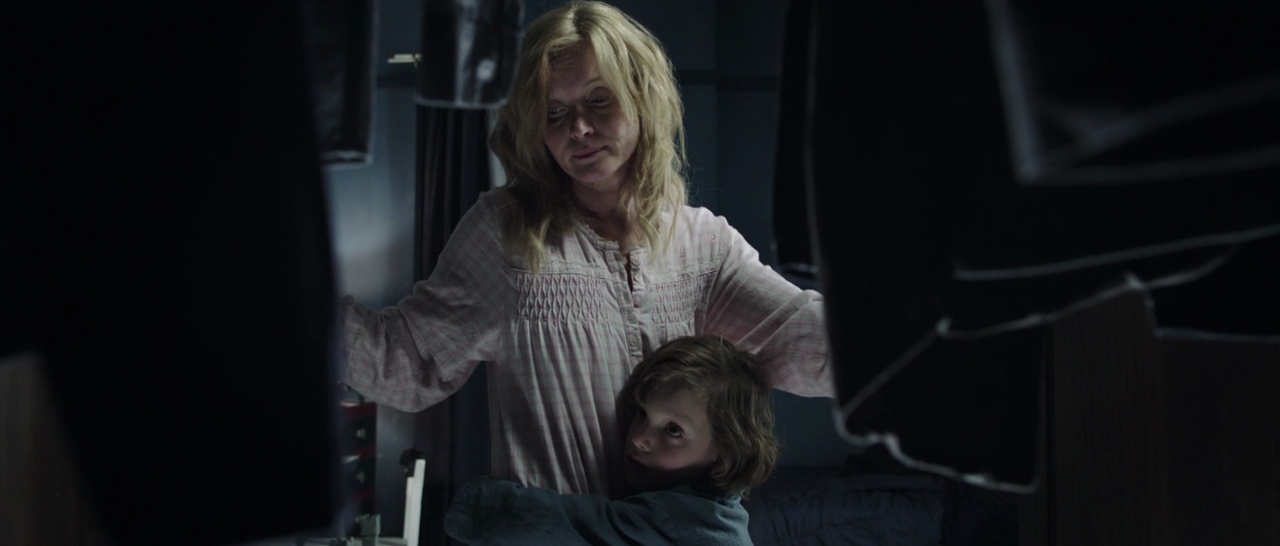
These films focus on the mind. A good example is The Babadook (2014, Umbrella Entertainment), where grief creates a monster that may or may not be real. The fear comes from emotion, not just violence.
Found Footage
Presented as recovered video, this style creates realism and immediacy. REC (2007, Filmax) and Paranormal Activity (2007, Paramount) both use this format to make the horror feel close and raw.
Folk Horror

This subgenre uses rural settings, old traditions, and ancient beliefs. In The Wicker Man (1973, British Lion), a policeman is lured into a remote cult community. Folk horror often contrasts modern life with older, darker customs.
International Horror
Different cultures bring unique fears and styles. J-horror, like Ringu (1998, Toho), uses folklore and technology together. Korean and Indonesian horror films often focus on spirits and family curses, offering new takes on old fears. Italian Giallo films also share many horror traits.
Visual and Sound Techniques
Horror relies heavily on how things look and sound. Every frame and every sound cue can raise tension or give away the threat too soon.
Lighting and Color
Low light and shadow are used to hide threats and build suspense. In Suspiria (1977, Seda Spettacoli), bold colors and harsh lighting turn the setting into a dreamlike trap.
Camera Movement
Slow tracking shots or shaky handheld scenes affect how we feel, like in The Shining (1980, Warner Bros.), where Kubrick uses steady movement through empty hallways to create dread and unease.
Sound and Silence
Horror films use dissonant music, sudden noise, or total silence to increase tension. A loud jump scare crash after silence can be more frightening than any monster. See also acousmêtre and diegetic sound.
Why Horror Matters
Horror movies respond to the fears of the time and show what we’re afraid to say out loud. Some films deal with grief, others with guilt or rage. Monsters often stand in for real-world threats. As such, they can become social commentary, and directors often use horror to deal with fears in society.
Horror stays fresh because fear always changes. It follows new rules, new technologies, and new dangers. But it always returns to the core question: what are we afraid of?
Horror movies are also an excellent starting point for many budding filmmakers.
Summing Up
A horror movie is defined by its intent to scare or disturb through fear, isolation, or the unknown. From silent-era shadows to modern psychological horror, the genre continues to evolve. It remains one of the most creative and revealing forms of film.
Read Next: Curious how visual styles define film genres?
Explore our breakdown of Genre & Visual Style to see how movements like naturalism, noir, and surrealism shape what we watch.
Looking for the big picture? Visit our Film History, Theory & Genre page to connect techniques with the eras and ideas that shaped them.
