

Published: June 20, 2019 | Last Updated: June 20, 2025

What is A thriller movie? Definition & Meaning
A thriller movie is a film genre that builds tension through suspense, high stakes, and escalating danger, often involving crime, pursuit, or psychological conflict.
Thrillers are structured around risk and uncertainty. The viewer follows characters in danger. They may be trying to escape, uncover a secret, or outlast a threat.
The pacing often shifts between quiet tension and sudden action, but the genre’s focus remains on anticipation. Viewers are kept alert, waiting to see what happens next.
Core Elements of Thriller Movies
Most thrillers are defined by how they build and release tension. Whether the threat is mental, physical, or moral, these films keep us watching through careful control of information and timing.
Suspense and Timing

Thrillers hold back information to build suspense. A character might be followed or manipulated without knowing it. Tension increases as new clues surface and the outcome remains unclear.
Escalating Consequences

The threat in a thriller usually grows with time. Whether it’s exposing a secret, stopping a crime, or escaping danger, something important is always at risk, and decisions come with real consequences.
Psychological Conflict

Some thrillers focus on how characters think and feel under pressure. They may deal with fear, guilt (or lack thereof), or confusion, especially when the truth is hard to find or trust.
Twists and Misdirection
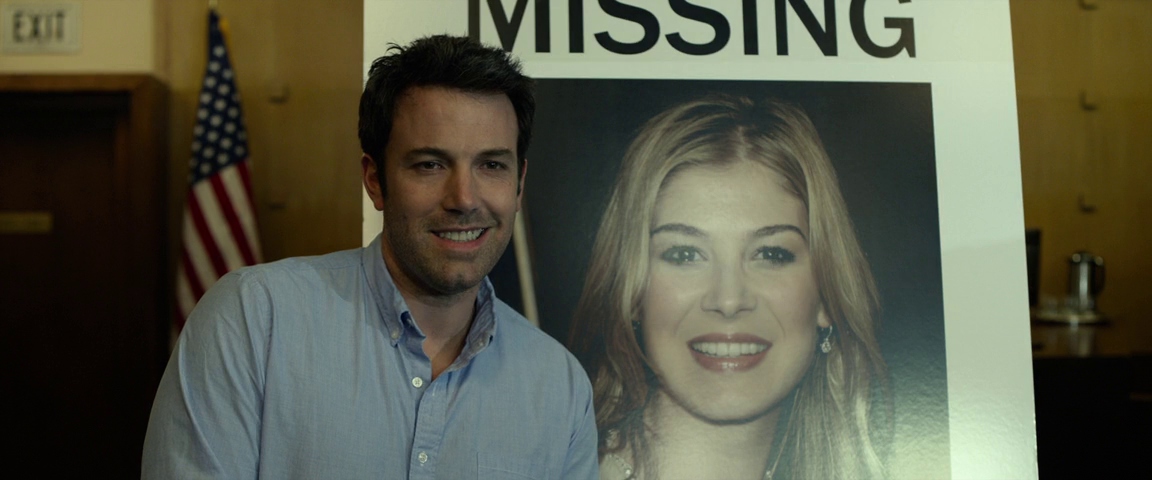
Plot twists, shifting motives, and unreliable information are common. Thrillers often reveal that what we thought we knew was only part of the story.
Types of Thriller Movies
Thrillers come in many forms. Thriller subgenres vary based on the type of threat that drives the tension, i.e., mental, physical, criminal, or supernatural.
Psychological Thrillers
Psychological thrillers deal with unstable characters, shifting identities, and emotional uncertainty. These stories often play out in the mind as much as in the world.
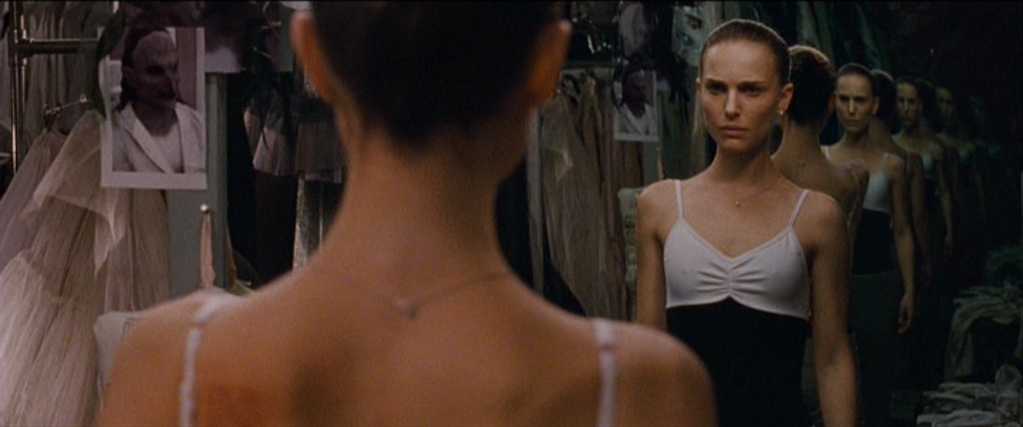
Black Swan (2010, Fox Searchlight) is a strong example where a ballet dancer’s obsession leads her into a spiral of fear and confusion. However, Black Swan also uses elements from horror movies and drama.
Crime Thrillers
Crime thrillers focus on pursuit, deception, and hidden motives. The suspense often comes from tracking a criminal, solving a case, or surviving in a corrupt system.
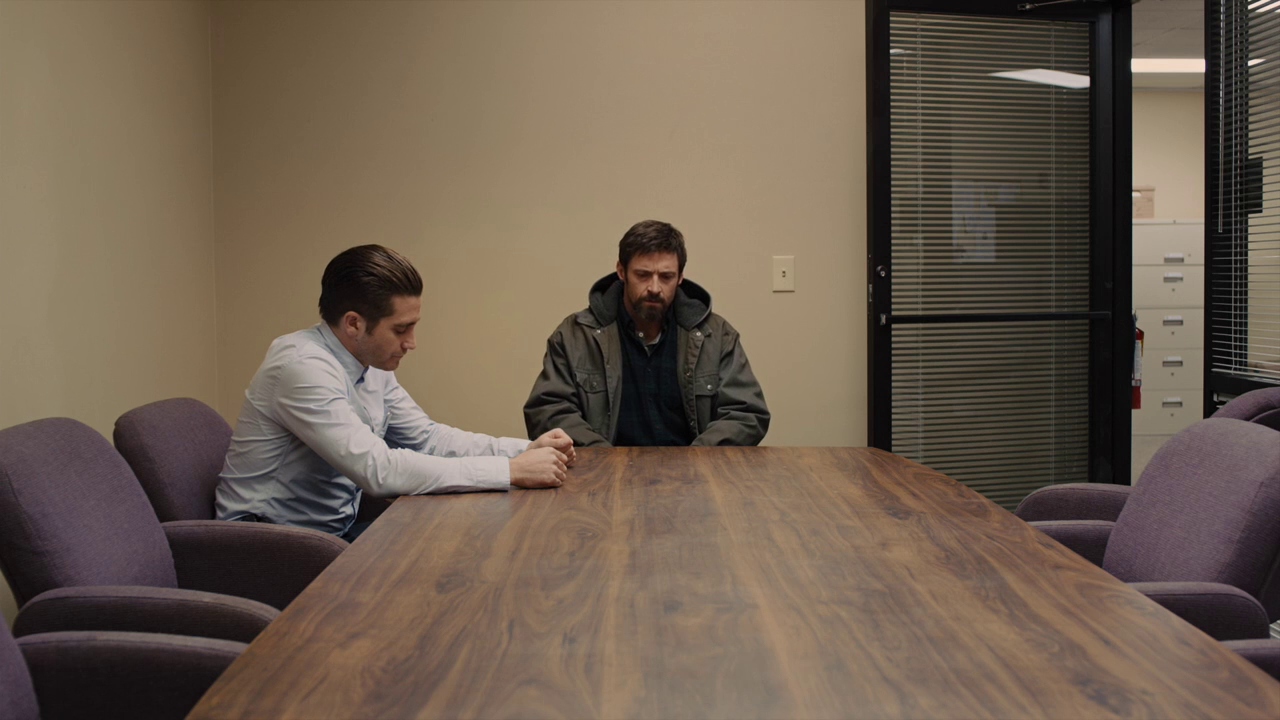
An excellent example is Prisoners (2013, Warner Bros.), in which a father takes matters into his own hands when his young daughter is kidnapped. As the official investigation stalls, he abducts a suspect and begins torturing him for answers. The film builds tension through moral ambiguity and conflicting clues, as the police and the father follow different leads, and neither is certain who is right.
Action Thrillers

These films combine high-speed chases, fights, and physical risk with narrative tension. A good example is The Fugitive (1993, Warner Bros.), which follows a man wrongly convicted of murder as he escapes and searches for the real killer, pursued by a relentless U.S. Marshal.
Supernatural Thrillers
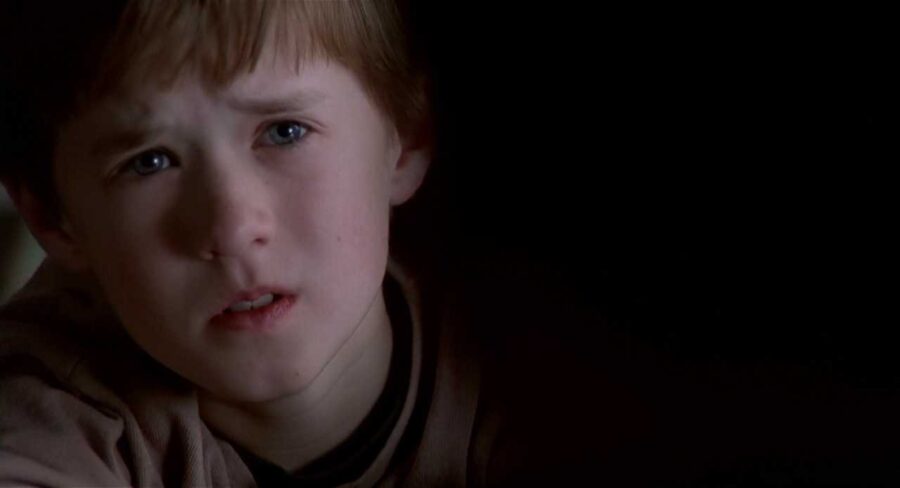
Supernatural thrillers involve strange forces that challenge what’s real. They often include ghosts, visions, or unexplained events that disrupt everyday life.
Take The Sixth Sense (1999, Buena Vista) as an example. Here, a boy reveals he can see the dead, and the story gradually uncovers how that power connects him to others around him. Another good example is The Others from 2001 starring Nicole Kidman.
How Thrillers Differ from Other Genres
Thrillers can resemble horror or mystery films, but they use different tools. Here’s a quick overview:
- Horror focuses on fear, often through violence or shock. Read more on the difference between horror movies and thrillers.
- Mysteries ask who committed a crime and how it happened.
- Thrillers keep viewers guessing about what will happen next and whether the characters will make it through. The emotional driver is tension, not just curiosity or fear.
Influences and Techniques
Many techniques used in today’s thrillers come from earlier filmmakers who shaped the genre by focusing on audience suspense, timing, and surprise.
Alfred Hitchcock’s Legacy
Alfred Hitchcock helped define the modern thriller with techniques that focused on the viewer’s experience. He often used the MacGuffin, an object that drives the plot but holds no lasting importance.
He also popularized point-of-view shots, crosscutting between scenes to build tension, and the dolly zoom to show a character’s fear or disorientation.
Summing Up
Thriller movies work by keeping us uncertain. They build tension through pacing, risk, and unanswered questions. Whether grounded in psychology, crime, or the supernatural, the genre challenges viewers to stay alert. The best thrillers place us in the middle of the threat, where every choice might be the last one.
Read Next: Curious how visual styles define film genres?
Explore our breakdown of Genre & Visual Style to see how movements like naturalism, noir, and surrealism shape what we watch.
Looking for the big picture? Visit our Film History, Theory & Genre page to connect techniques with the eras and ideas that shaped them.
