

Published: June 24, 2019 | Last Updated: November 26, 2025

What is Eurocult cinema? Definition & Meaning
Eurocult cinema is a subcategory of European genre films and cult films made mainly between the 1960s and 1980s, known for mixing horror, sex, violence, and surreal imagery to push the boundaries of mainstream filmmaking.
Postwar Origins and Cultural Shifts
Eurocult cinema developed in the decades after World War II, during a time when European countries were rebuilding their film industries. Italian, Spanish, French, and German studios began collaborating across borders to reach wider audiences.
Directors responded to changing social values by making films with more graphic content, looser narratives, and controversial themes. Many of these films were designed for international distribution, with dubbed dialogue and eye-catching posters to attract attention in foreign markets.
Core Genres Within Eurocult
Eurocult includes several overlapping genres, like horror, crime, erotica, and action, often combined in unpredictable ways. Two of the most recognizable are giallo and spaghetti westerns.
Giallo
Giallo films are stylish Italian murder mysteries that often mix suspense, eroticism, and horror. Directors like Dario Argento and Mario Bava used bright color schemes, extreme close-ups, and experimental sound design to build tension.
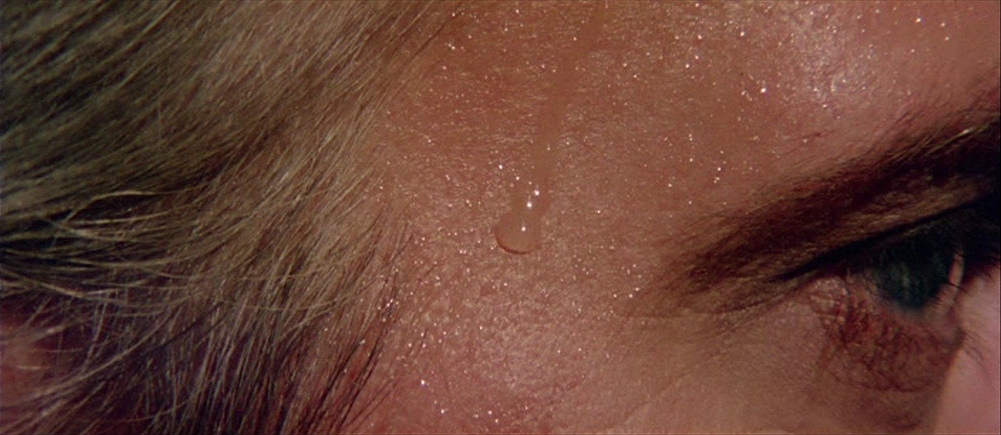
A good example is Deep Red (1975, Rizzoli Film), where a jazz musician investigates a series of killings tied to a disturbing childhood memory.
Spaghetti Westerns
Spaghetti westerns reimagined the American western with a European lens. The Western subgenre often featured anti-heroes, moral ambiguity, and long, quiet build-ups before bursts of violence.
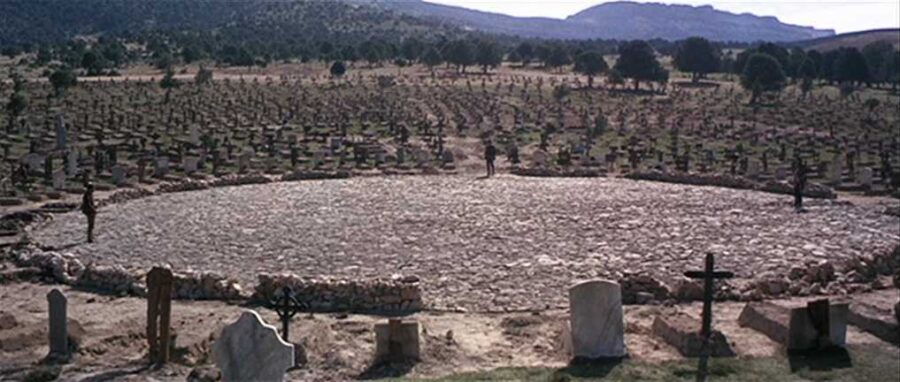
Sergio Leone’s The Good, the Bad and the Ugly (1966, Produzioni Europee Associati) is one of the best-known examples, with its wide shots, sharp editing, and iconic music score by Ennio Morricone.
Exploitation and Shock Value
Eurocult cinema often blurred the line between genre and exploitation. These films were made to shock, with sex, violence, and taboo subjects used to grab attention and bypass censorship.
Directors like Bruno Mattei, Joe D’Amato, Tinto Brass, and even Jess Franco made films that focused less on story and more on creating shock and pushing boundaries. Subgenres like Nazisploitation, cannibal films, and women-in-prison movies became staples of late-night screenings and VHS releases.
Titles like Salon Kitty (1976), Cannibal Ferox (1981), and Love Camp 7 (1969) were banned in several countries but found loyal audiences abroad.
Key Filmmakers
Several directors became closely associated with Eurocult cinema:
Mario Bava
Often called the godfather of Italian horror, Bava mixed gothic atmosphere with bold use of color and lighting. In films like Black Sunday (1960) and Blood and Black Lace (1964), he turned murder scenes into painterly tableaus, influencing the giallo and slasher genres.
Jess Franco
Franco worked fast and cheap, often blurring the line between horror and softcore erotica. His films, such as Female Vampire (1975), use zooms, mirrors, and dream logic to create a loose, hypnotic flow. His style was messy but personal, focused more on atmosphere than story.
Jean Rollin
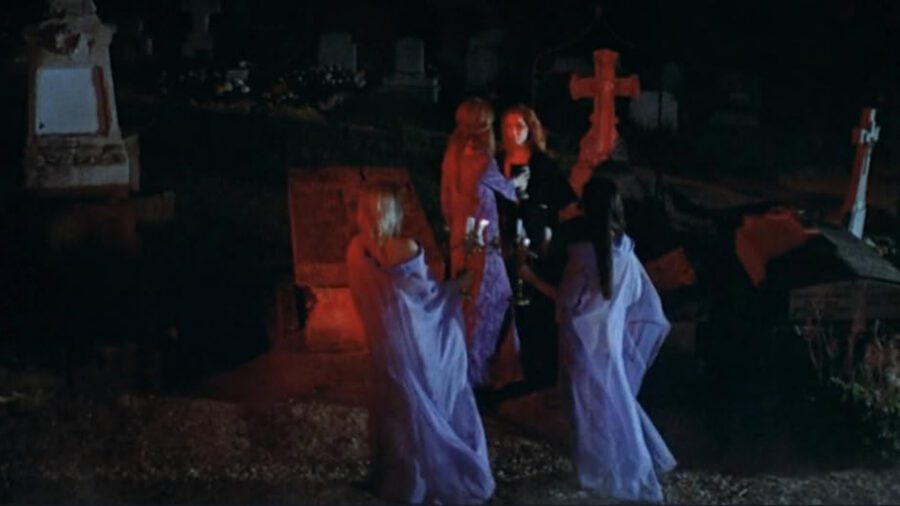
Rollin’s vampire films are quiet, slow, and surreal. In The Shiver of the Vampires (1971), he mixes sex and death with fairy tale-like graveyards and glowing colors. His characters often drift through scenes like sleepwalkers, making his films feel more like visual poems than horror stories.
Dario Argento
Argento brought precision and intensity to giallo. In films like Deep Red (1975) and Suspiria (1977), he combined brutal violence with expressionist lighting and loud, rhythmic soundtracks. His camera movements are smooth and controlled, guiding the viewer through elaborate, suspenseful set pieces.
Sergio Leone
Leone redefined the western with slow pacing, wide landscapes, and close-ups that stretched out tension. In The Good, the Bad and the Ugly (1966) and For a Few Dollars More (1965), he used silence, timing, and music to turn shootouts into choreographed showdowns.
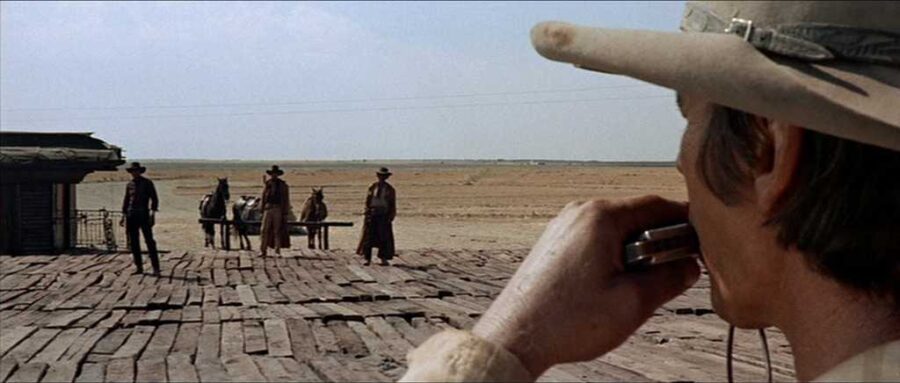
Once Upon a Time in the West (1968) pushed his style further, using long takes and minimal dialogue to turn a revenge story into something mythic and operatic.
Defining Characteristics
Most Eurocult films share certain traits:
- Low to mid-budget production with international casts
- Genre-blending. For example, horror mixed with erotica, or westerns with surreal visuals
- Sexual content, often without censorship
- Use of dubbing for global audiences
- Experimental editing, color palettes, or music
Eurocult films often include graphic sex, sadism, or anti-heroes without clear lines between good and evil. Their shocking content and mix of genres made them popular in drive-ins, grindhouses, and late-night screenings, especially in the U.S. and UK.
Legacy and Modern Influence
For years, Eurocult films were dismissed as trash cinema. However, as directors like Quentin Tarantino and Nicolas Winding Refn began citing them as influences, interest in them grew. Specialty labels like Arrow Video and Severin Films have restored many of these movies for modern audiences.
Modern horror and neo-noir borrow Eurocult’s use of bold lighting, slow pacing, and genre mashups. The genre’s legacy lives on through filmmakers who value mood, atmosphere, and genre mixing over realism or structure.
Summing Up
Eurocult cinema covers a wide range of underground European films that challenged the limits of storytelling, censorship, and genre expectations. With its bold visuals, taboo themes, and international reach, it carved out a space for films that were too strange, too violent, or too sexual for the mainstream. Today, these movies are studied, collected, and referenced as part of a global cult film history.
Read Next: Curious how visual styles define film genres?
Explore our breakdown of Genre & Visual Style to see how movements like naturalism, noir, and surrealism shape what we watch.
Looking for the big picture? Visit our Film History, Theory & Genre page to connect techniques with the eras and ideas that shaped them.