What Is Exploitation Cinema? Definition & Key Examples

What is exploitation cinema definition examples featured image
Reading Time: 8 minutes

Published: March 23, 2025 | Last Updated: October 10, 2025

Add FilmDaft as a preferred source on Google

What Makes a Film Exploitation?

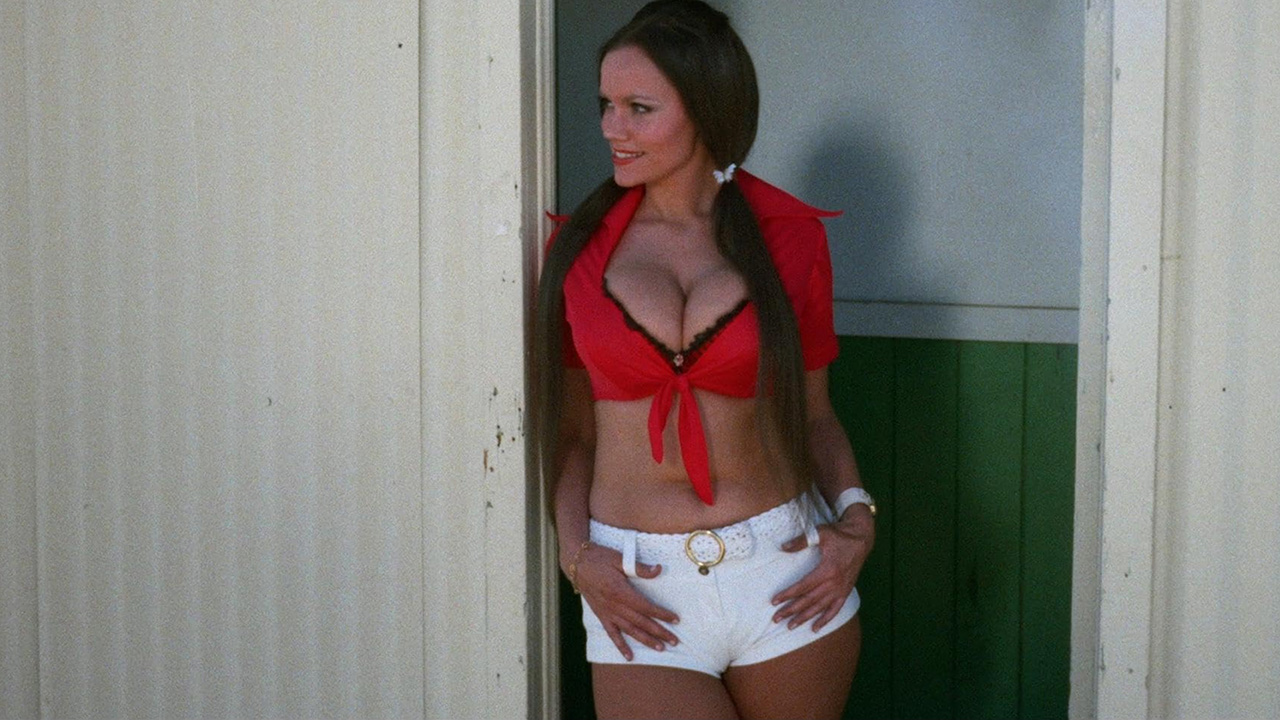
Woman in a red tied shirt and white shorts stands in a doorway, posing confidently in Supervixens (1975).
In Russ Meyer’s Supervixens (1975), Christina Cummings appears in a revealing outfit that captures the core of sexploitation. Exploitation cinema like this used bold costumes, sexual energy, and provocative setups to grab attention. These films were often low-budget and made to shock, sell, or challenge censorship rules. Image Credit: RM Films International

Exploitation films aren’t tied to one genre. What connects them is how they’re made and what they focus on. They are usually cheap and fast to produce, and are made to stand out. They often include things that mainstream films avoid, like graphic violence, nudity, or controversial topics.

Made Fast and Cheap

Most exploitation films had very low budgets. Directors saved money by using real locations, shooting without permits, and hiring unknown actors. They often used handheld cameras and natural lighting. This gave the films a rough, gritty look. The goal was to shock people enough that they’d buy a ticket.

Sold Through Hype
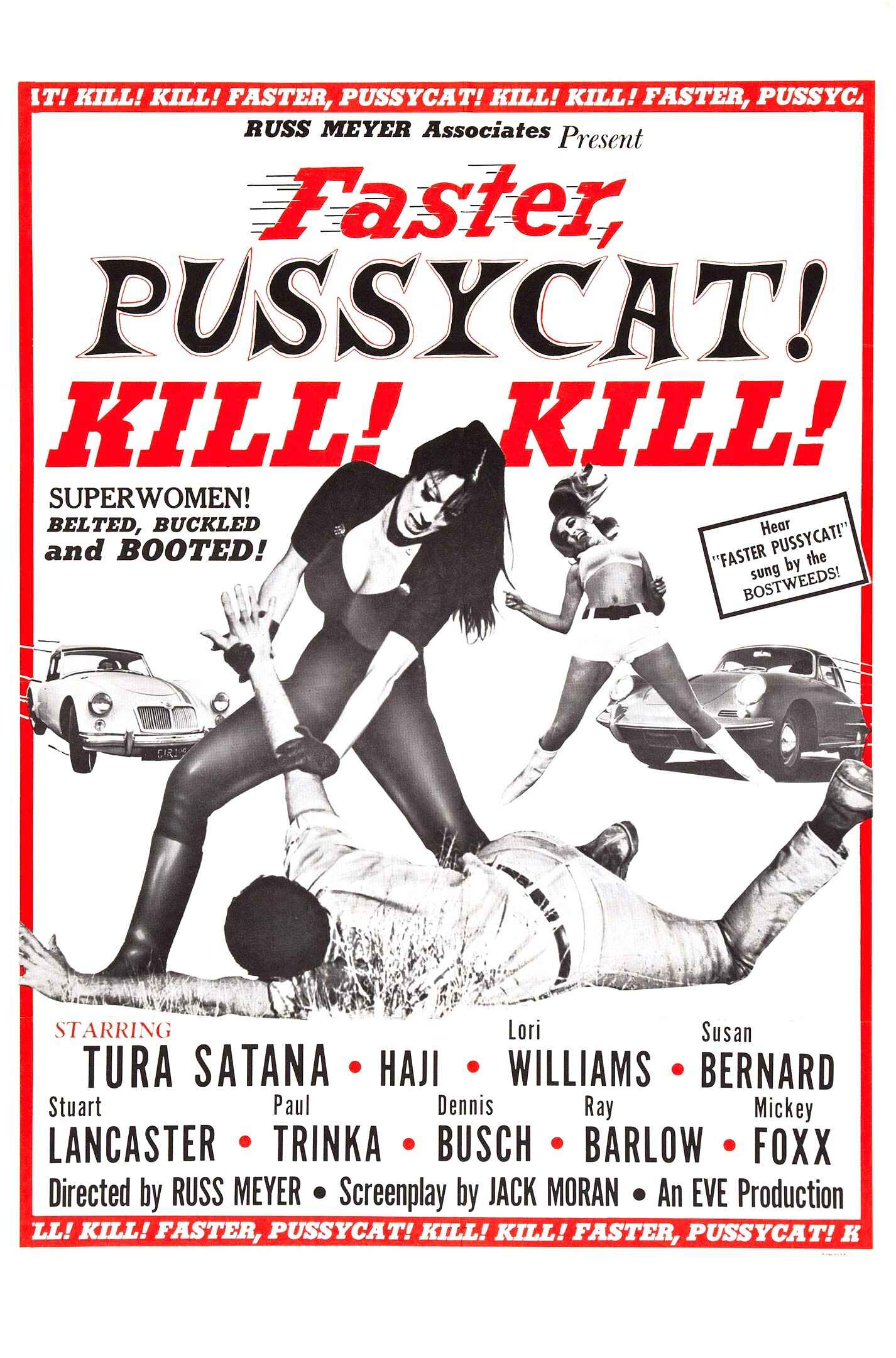
Poster for Faster, Pussycat! Kill! Kill! showing three aggressive women, two cars, and a man being attacked, highlighting themes of violence and sex.
The poster for Faster, Pussycat! Kill! Kill! (1965, RM Films International) promised violence and sex. Unlike many exploitation movies that exaggerated, this one delivered. Russ Meyer’s film is full of wild fights, strong women, and bold sexual energy.

These films relied on posters, trailers, and titles to pull people in. Many promised more than they showed. Posters were full of violence or nudity, even if the film didn’t have much. Titles were often exaggerated or designed to sound dangerous or dirty.

Popular Exploitation Subgenres

Exploitation films come in many types. Each one focuses on something meant to stand out, whether it’s sex, race, violence, or fear.

Sexploitation
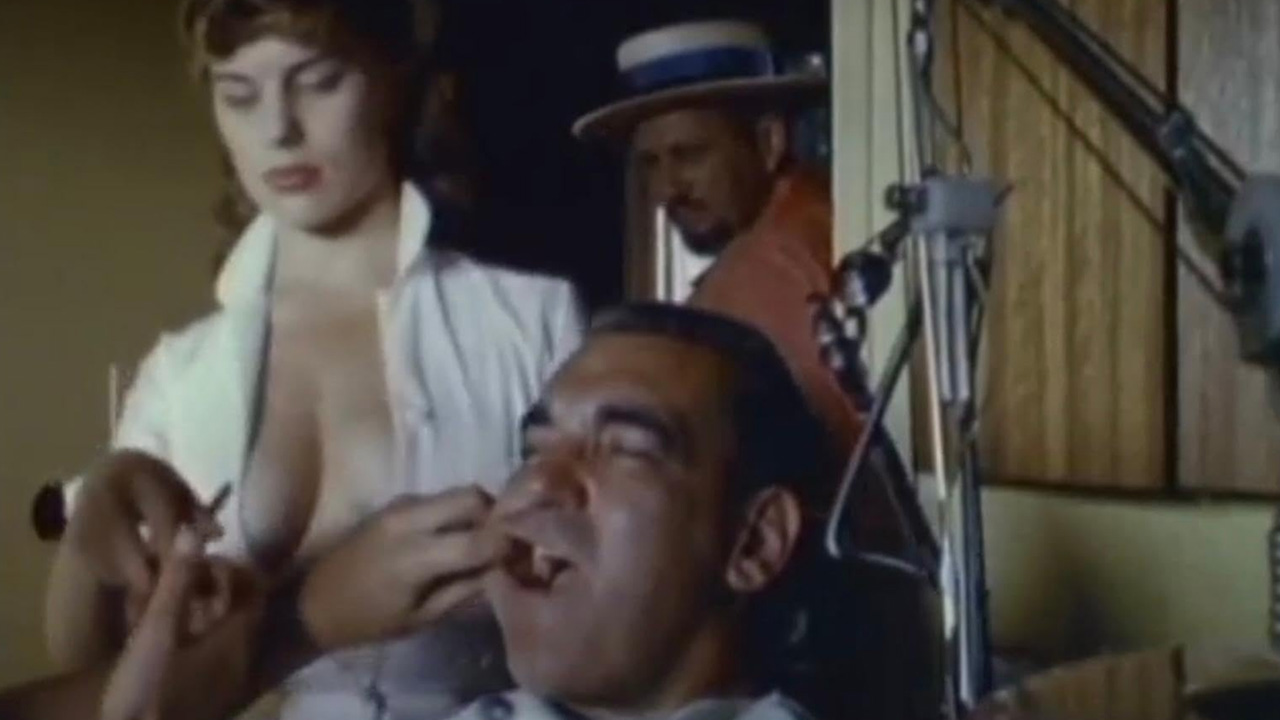
Scene from The Immoral Mr. Teas showing a woman in a low-cut blouse and a man in a dentist chair reacting with amusement
In The Immoral Mr. Teas (1959), a dental assistant’s exposed cleavage is played for laughs while the male patient reacts with exaggerated pleasure. The film helped launch sexploitation by using nudity as comedy instead of drama or romance. Image Credit: Boxoffice International Pictures

Sexploitation movies were made to show nudity or sexual situations during a time when most films wouldn’t. The Immoral Mr. Teas (1959, Boxoffice International) was one of the first, using comedy and suggestive scenes to attract viewers.

Blaxploitation

Scene from Shaft showing John Shaft walking through Times Square in a leather jacket, with 1970s signs and buildings in the background.
In Shaft (1971), private detective John Shaft walks through Times Square wearing a leather coat and cool confidence. The film helped launch the blaxploitation boom by centering a strong Black lead in an urban setting. It mixed crime, style, and attitude in a way mainstream films hadn’t. Image Credit: MGM

Blaxploitation films came out in the 1970s and focused on Black heroes in urban settings. Shaft (1971, MGM) and Super Fly (1972, Warner Bros.) were two of the most famous. They gave Black actors lead roles, but also got criticized for using stereotypes.

Horror Exploitation
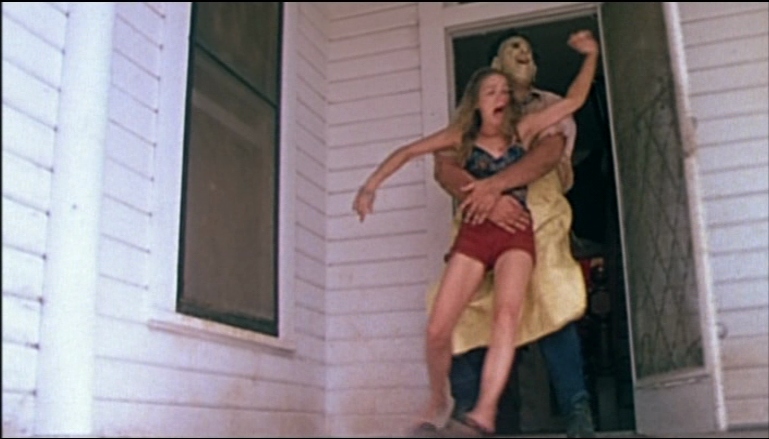
Scene from The Texas Chain Saw Massacre showing Leatherface pulling a screaming woman out of a white house.
In The Texas Chain Saw Massacre (1974, Bryanston), Leatherface drags a screaming victim out of a rural house. The film’s raw violence, shaky camerawork, and brutal pacing helped define horror exploitation and shocked audiences around the world. Image Credit: Bryanston Distributing Company

Low-budget horror films pushed violence and gore further than Hollywood movies. The Texas Chain Saw Massacre (1974, Bryanston) and Blood Feast (1963, Boxoffice Spectaculars) shocked audiences with raw, graphic scenes. They didn’t look polished, but they had a strong effect.

Women-in-Prison and Nunsploitation

Scene from Female Prisoner #701: Scorpion showing women in blue uniforms digging in a barren prison yard.
In Female Prisoner #701: Scorpion (1972), women are forced to dig in a prison labor camp. The film mixes harsh violence, sexual abuse, and revenge, making it a key example of women-in-prison exploitation from Japan. Image Credit: Toei Company

Women-in-prison films focused on women in harsh settings (read: prisons or strict religious orders). They showed scenes of abuse, rebellion, and sometimes revenge, often with nudity and violence. Examples include Female Prisoner #701: Scorpion (1972, Toei Company), The Big Doll House (1971, New World Pictures), and School of the Holy Beast (1974, Toei Company).

Key Directors Who Shaped Exploitation Cinema

Some of the most important names in exploitation cinema made their mark by pushing limits. These directors helped define what low-budget movies could be and gave future filmmakers a path into the industry.

Russ Meyer and the Rise of Sexploitation
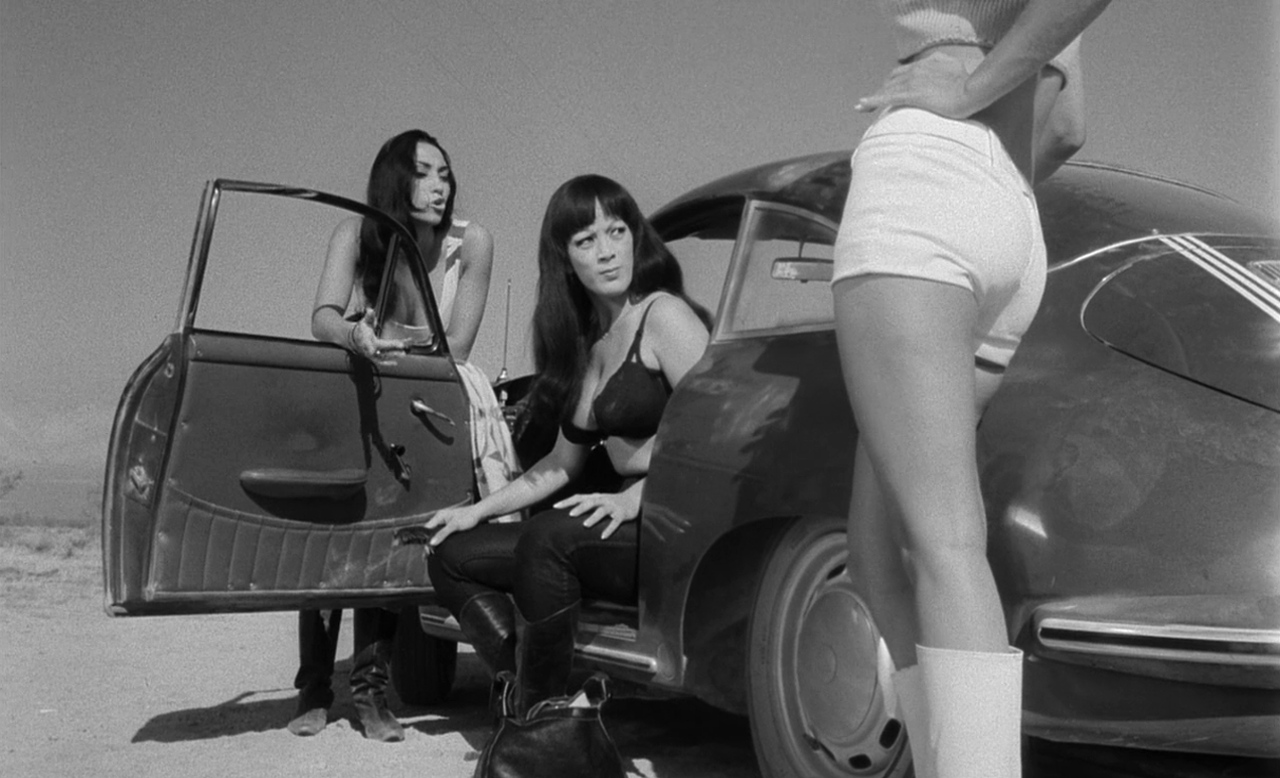
Scene from Faster, Pussycat! Kill! Kill! showing three women by a car in the desert, dressed in revealing clothes and striking bold poses.
In Faster, Pussycat! Kill! Kill! (1965, RM Films International), three tough women cruise the desert in search of trouble. Russ Meyer’s sexploitation classic shows powerful female characters who use speed, strength, and sex to stay in control. The film’s mix of style and aggression made it a cult favorite. Image Credit: RM Films International

Russ Meyer became famous for sexploitation films with loud, fast energy and bold female leads. In Faster, Pussycat! Kill! Kill! (1965), three women drive through the desert, beat up men, and take control of every scene. Meyer produced his own movies so he could show exactly what he wanted. His films focused on action, sexual power, and rebellious characters.

Three women stand triumphantly over a man’s body in front of a wrecked car on a desert road in Death Proof (2007).
In Death Proof (2007), the final scene shows three women standing over a dead stuntman after a brutal fight. Tarantino designed this as a modern tribute to Faster, Pussycat! Kill! Kill! (1965), taking inspiration from Russ Meyer’s fierce female leads and mixing it with grindhouse action and muscle cars. Image Credit: Dimension Films

Death Proof (2007) is a deliberate homage to Faster, Pussycat! Kill! Kill!. Tarantino acknowledged Meyer in the credits. Movie critics and scholarship confirm that the energy, style, and structure of Death Proof draw heavily from Russ Meyer’s cult classic, borrowing its aggressive female leads, pacing, and visual tone.

Herschell Gordon Lewis and the Birth of Gore
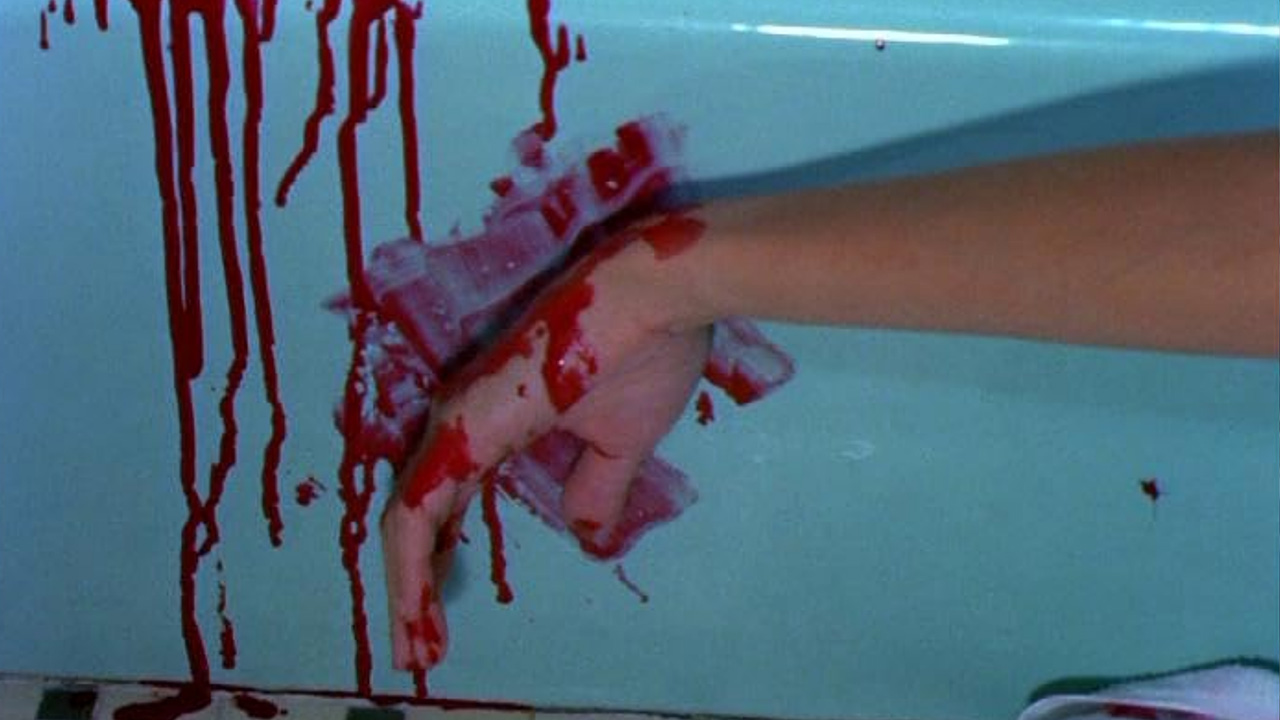
Close-up of a bloody hand smearing red liquid across a light blue bathtub in Blood Feast (1963).
In Blood Feast (1963, Boxoffice Spectaculars), a woman’s hand smears fake blood across a bathtub after a brutal murder (I didn’t want to show some of the more explicit gore scenes here, so trust me when I say, this is very mild compared to what’s in the movie). Herschell Gordon Lewis focused on shock over story, making this one of the first gore films in cinema history. It helped launch the splatter subgenre. Image Credit: Boxoffice Spectaculars

Herschell Gordon Lewis became known for horror. His movie Blood Feast (1963, Boxoffice Spectaculars) is often called the first true gore film. It showed graphic violence with very little plot or character development. Lewis focused on shock. His work was extreme for the time and earned him the nickname “Godfather of Gore.”

Roger Corman as Industry Gatekeeper
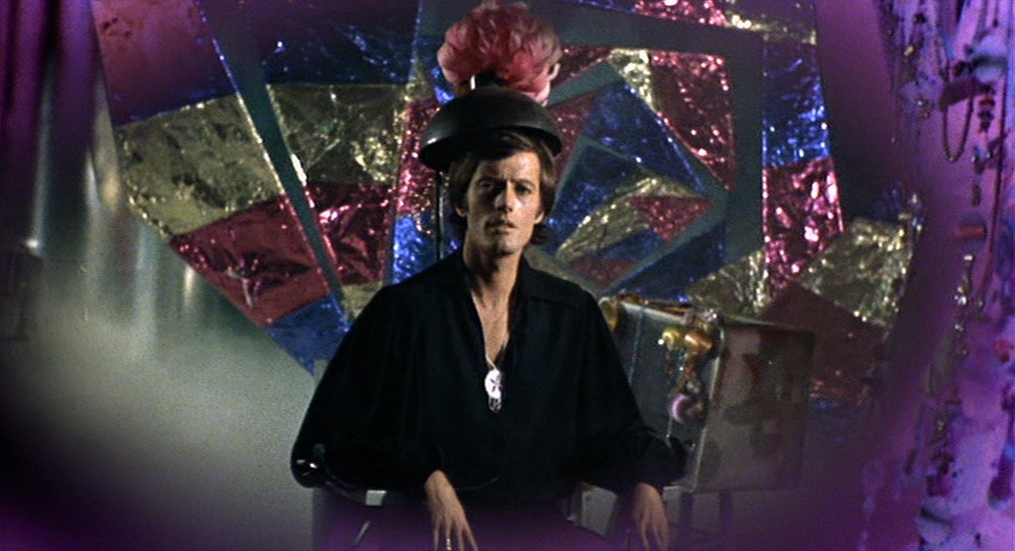
Man sitting in front of colorful psychedelic shapes in The Trip (1967), wearing a feathered hat and black shirt.
In The Trip (1967, American International Pictures), Paul Groves (Peter Fonda) sits in a psychedelic trance during an LSD experience. Directed by Roger Corman and written by Jack Nicholson, the film used surreal visuals, strobe lighting, and experimental editing to explore drug culture. It pushed boundaries while staying within the low-budget world of exploitation. Image Credit: American International Pictures

Roger Corman made hundreds of low-budget movies across all kinds of genres. He directed monster films, car chases, and sci-fi stories. He also gave new directors their first shot.
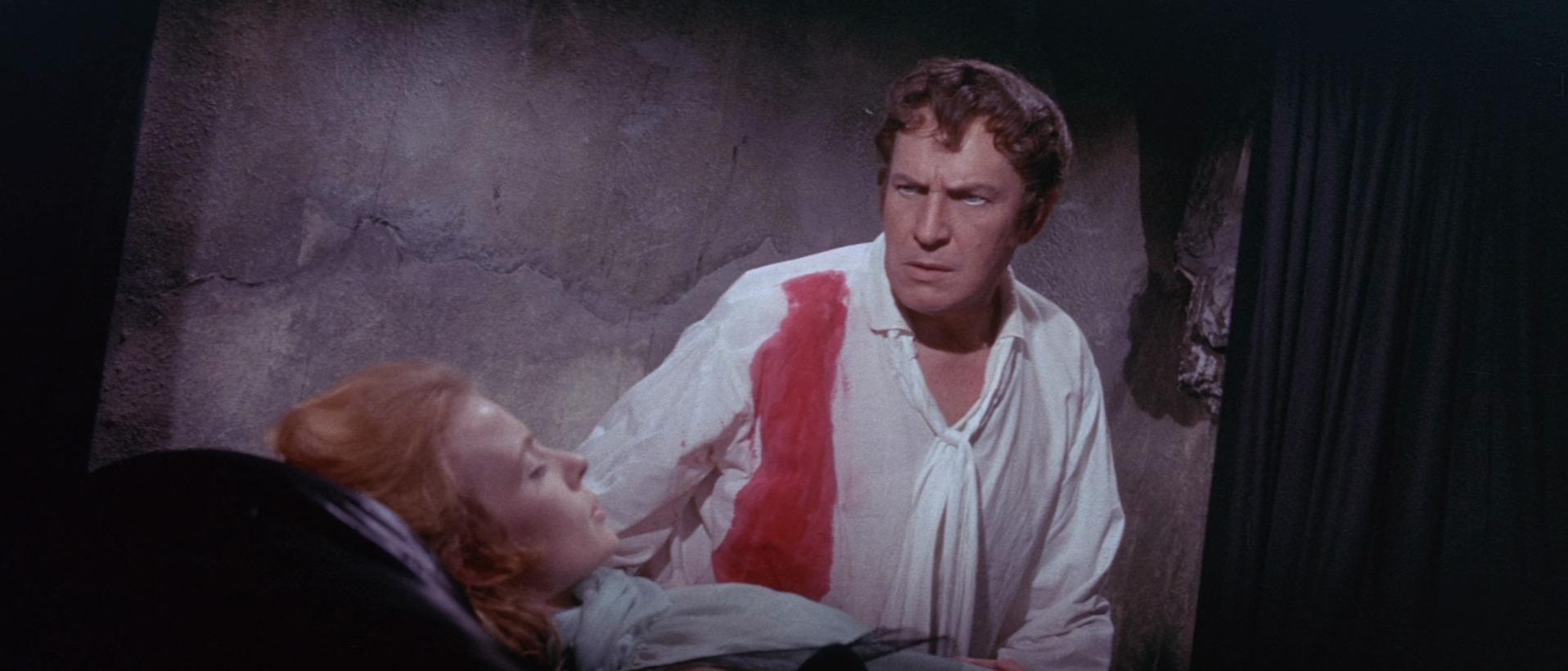
Vincent Price in The Tomb of Ligeia (1964) wearing a torn white shirt with a red stain, sitting beside a sleeping woman in a stone-walled room.
In The Tomb of Ligeia (1964, American International Pictures), Vincent Price plays a haunted widower in one of Roger Corman’s stylish Edgar Allan Poe adaptations. Best known for fast, cheap genre films, Corman didn’t stick to one formula. He made horror, sci-fi, biker films, counterculture dramas, and even period pieces like this gothic romance. Image Credit: American International Pictures

Martin Scorsese, Francis Ford Coppola, James Cameron, and Jonathan Demme all got early experience working for him. Corman’s company, New World Pictures, became a training ground for young talent.

Other Directors Who Left Their Mark
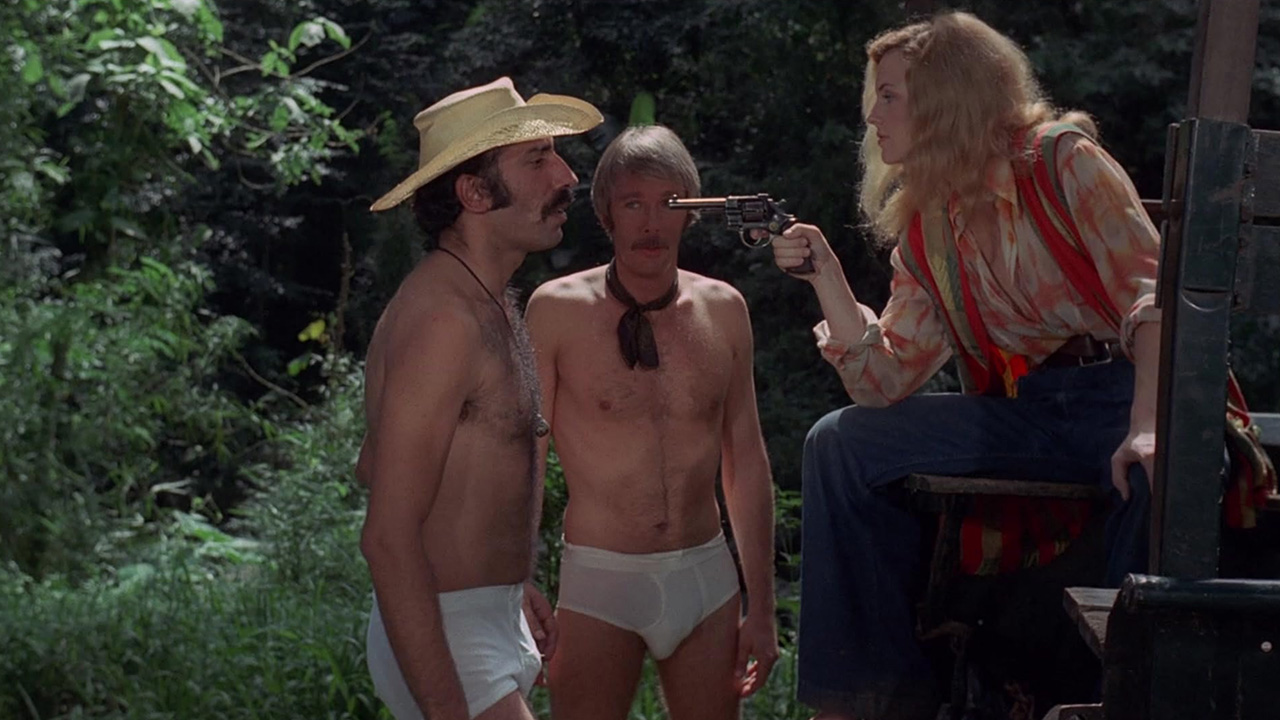
Woman sitting on a jeep points a revolver at two shirtless men in underwear in a jungle setting in The Big Doll House (1971).
In The Big Doll House (1971), a prisoner holds two guards at gunpoint in the jungle. Directed by Jack Hill, the film helped kick off the women-in-prison trend and introduced Pam Grier to exploitation audiences. Its mix of violence, nudity, and rebellion made it a blueprint for the subgenre. Image Credit: New World Pictures

Jack Hill directed women-in-prison films like The Big Doll House (1971, New World Pictures), a “roughie” (a trash-cinema genre that flourished briefly in the years before court cases legalized hardcore porn) and helped launch Pam Grier’s career.
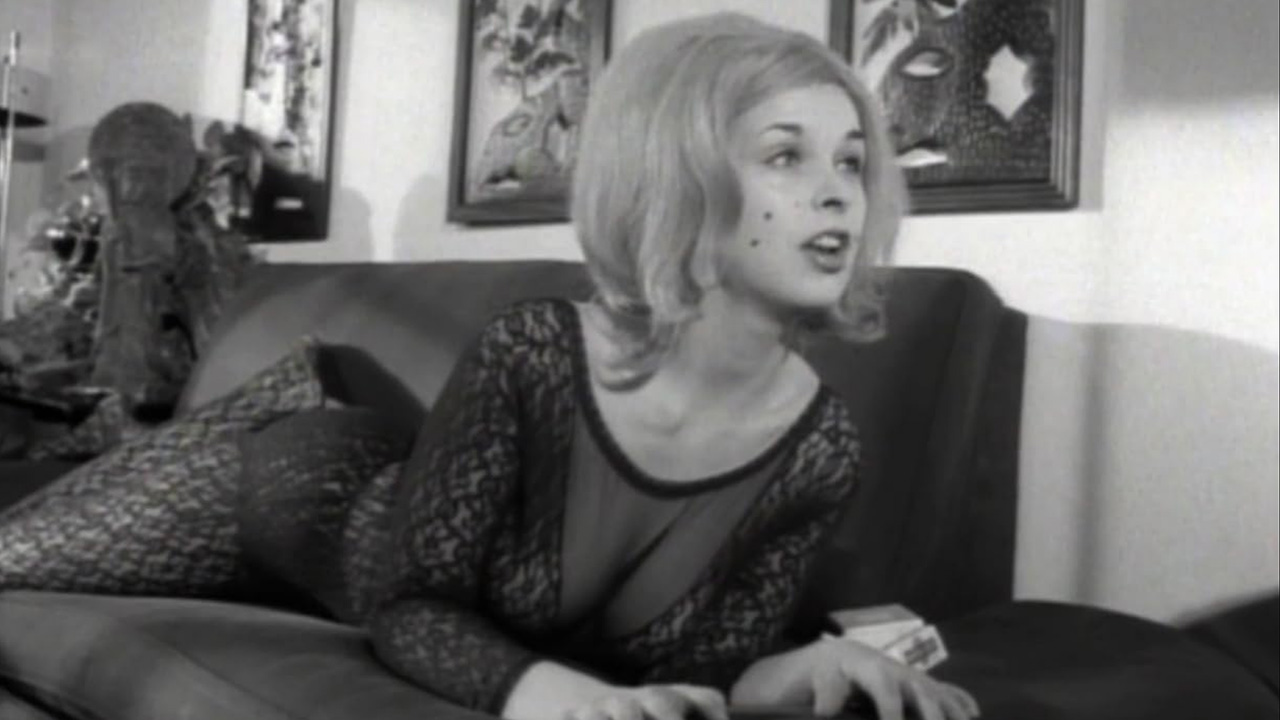
A woman in a see-through lace outfit lies on a couch, speaking with expressive body language in Bad Girls Go to Hell (1965).
In Bad Girls Go to Hell (1965, J.E.R. Pictures), Gigi Darlene plays a woman on the run after defending herself from assault. Directed by Doris Wishman, the film uses voiceover, suggestive outfits, and silent close-ups to tell a story of fear and revenge. It’s one of the most well-known examples of female-driven sexploitation. Image Credit: J.E.R. Pictures

Doris Wishman made sexploitation films from a female point of view, including Bad Girls Go to Hell (1965, J.E.R. Pictures).

Tinto Brass made erotic films like Caligula (1979), All Ladies Do It (1992), and Salon Kitty (1976) that used sex and taboo themes like exploitation cinema.

Women line up before a Nazi officer and a white statue in a luxury brothel
In Salon Kitty (1976, Cineuropa), Helmut Berger plays SS officer Wallenberg, who turns a high-end Berlin brothel into a Nazi intelligence operation. Women are recruited and trained to seduce German officers and extract secrets. Here, the women line up for inspection in front of a white statue that echoes the film’s mix of beauty, power, and control. The brothel becomes a stage where desire is used as a political weapon. Image Credit: Coralta Produzioni Internazionali / Cinema Seven Film / Les Productions Fox Europa

Salon Kitty, for instance, is often regarded as an early Nazisploitation film. Still, he also added more style and artistic intent, as well as intentional symbolism and the use of motifs. He stands somewhere between sexploitation, European art-house, and Eurocult cinema.

See the best Tinto Brass movies.

In Japan, Shunya Itō directed the Female Prisoner Scorpion series (mentioned above), which blended prison violence with dreamlike visuals and stories of revenge.

Each of these filmmakers used small budgets to create something bold. They worked outside the system, took risks, and left a lasting impact on the way exploitation films were made.

Summing Up

Exploitation cinema used fast production, low costs, and bold topics to grab attention. These films weren’t always well-made, but they were loud, daring, and different. They opened the door for new kinds of movies and continue to inspire filmmakers today.

Read Next: What is Erotic Cinema?

By Jan Sørup

Jan Sørup is an indie filmmaker, videographer, and photographer from Denmark. He owns FilmDaft.com and the Danish company Apertura, which produces video content for big companies in Denmark and Scandinavia. Jan has a background in music, has drawn webcomics, and is a former lecturer at the University of Copenhagen.