Published: April 18, 2025 | Last Updated: November 13, 2025

Tinto Brass is best known for erotic cinema, but his work also connects to Italian exploitation cinema, Eurocult, and early avant-garde film. His style blends sexual fantasy with bold visuals, political subtext, and a taste for satire.
But even though he’s best known for bold and sexual content, Tinto Brass’ work goes deeper than it may seem. Tinto Brass movies ask questions about control, freedom, and how people explore who they really are, especially through physical relationships.
This article looks at how Brass uses symbols across several of his most well-known films, including The Key (1983), Paprika (1991), All Ladies Do It (1992), and Salon Kitty (1976).
How Brass makes the audience voyeurs through Mirrors, Diaries, and Photographs
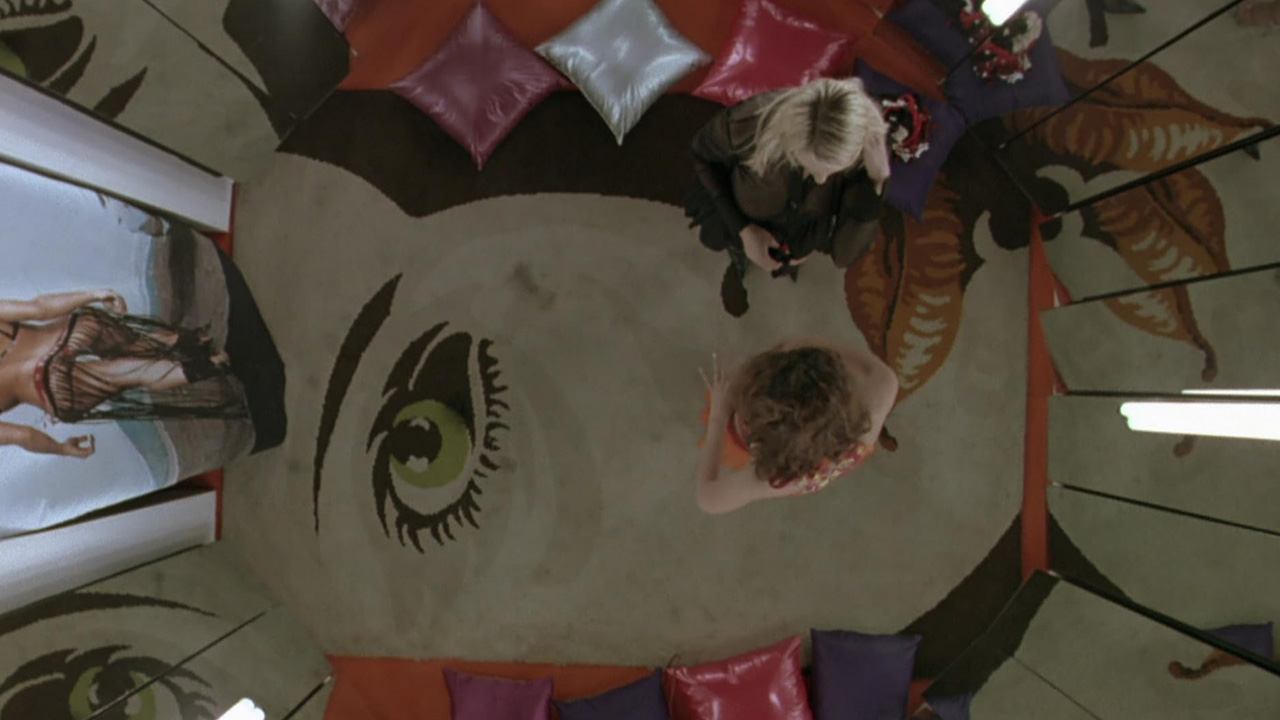
Brass constantly uses mirrors in his films as a way to reflect people’s identity. His characters often look at themselves or are seen through reflections. This makes us think about how they see themselves and how we see them.
Mirrors Show Self-Discovery in Private Moments
Tinto Brass often uses mirrors to let the audience become voyeurs, i.e., watchers of private moments. This is important in Brass’s work. He wants us to feel like we’re looking in on something personal, which makes the experience more intense.
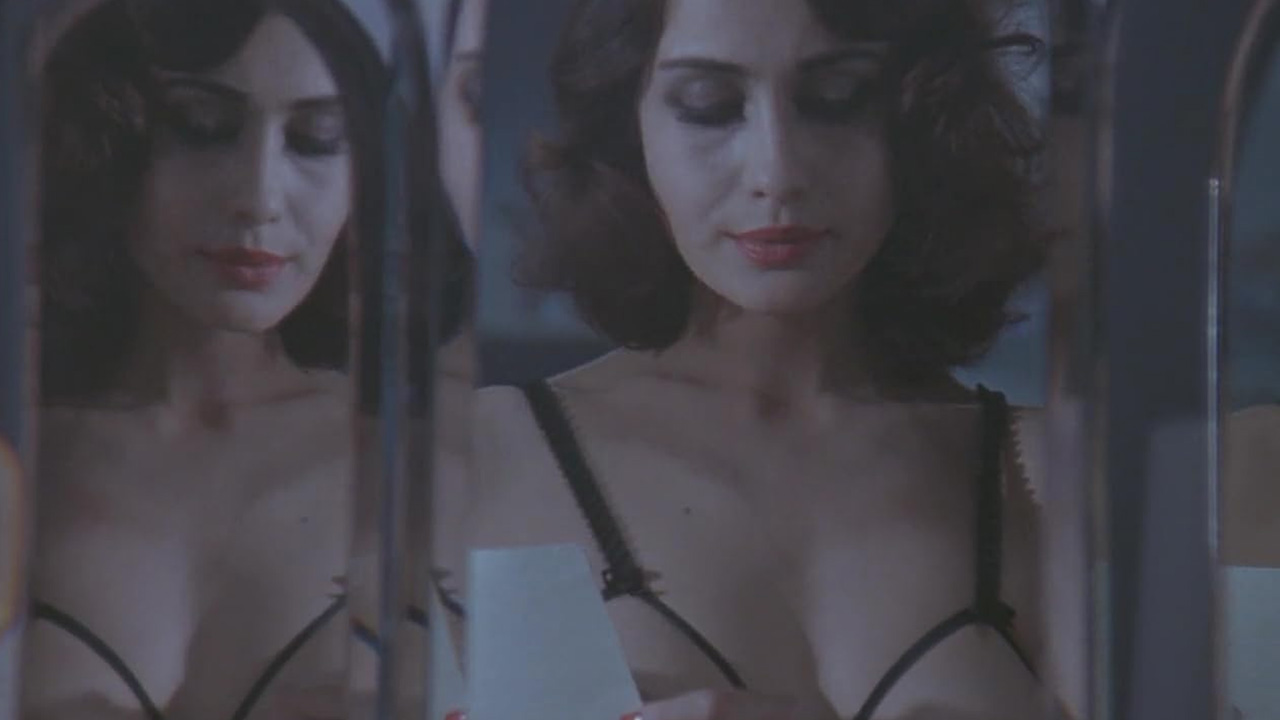
In All Ladies Do It (1992, Cult Epics), the main character, Diana, explores her sexual desires. Brass often shows her looking into mirrors in private moments, when she tries on new outfits and explores her identity. The mirrors reflect her growing confidence and curiosity, and become a tool for self-understanding.
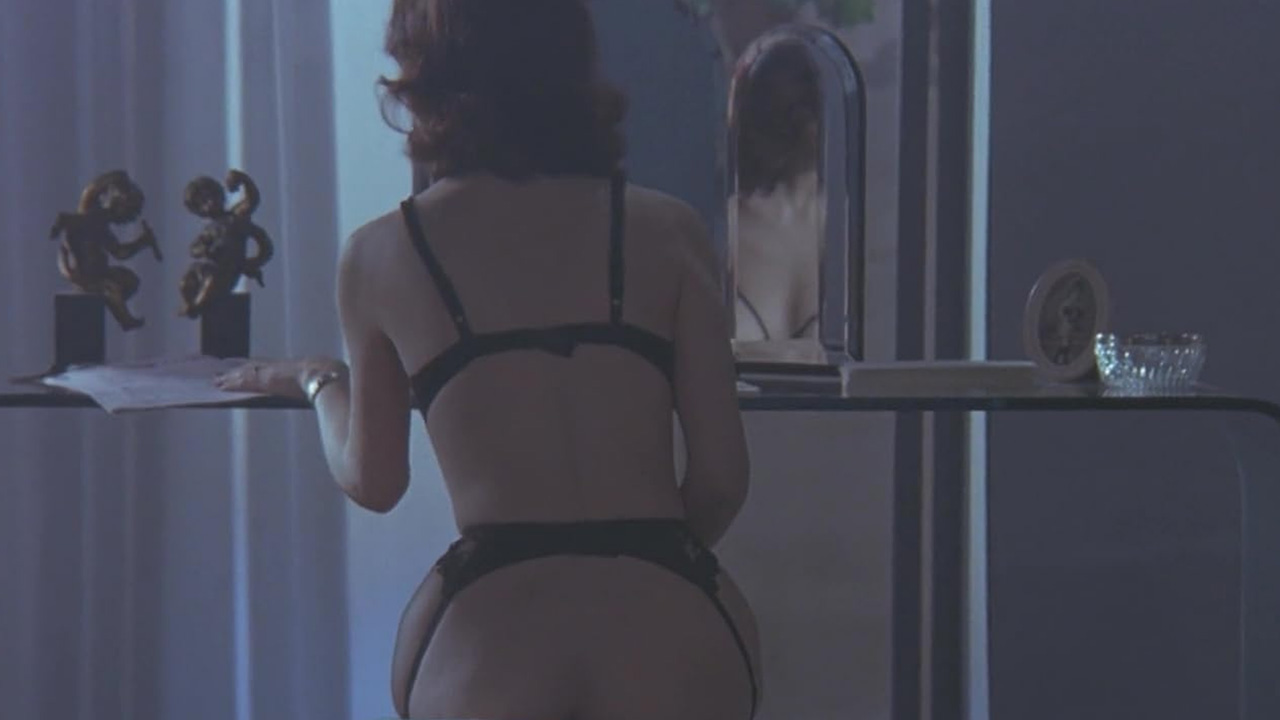
Likewise, in Paprika (1991), Tinto often uses mirrors to show sex scenes, i.e., he might use a tilt movement or a camera pan from bed action to the reflection in the mirror and back down. This prompts us to reflect on our position as voyeurs to the intimacy unfolding on screen.
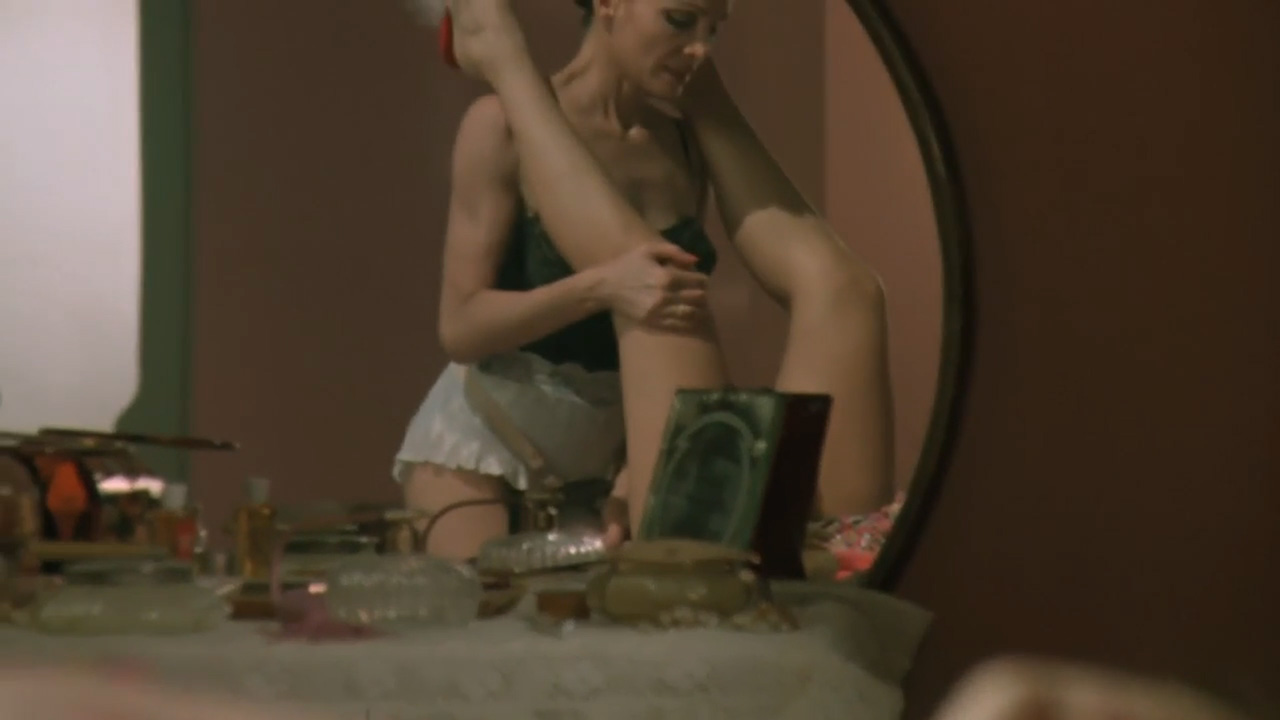
Read more on how sex scenes are filmed in movies.
In other words, we are already voyeurs as viewers of the film (watching a film is, in itself, a voyeuristic experience), but Tinto’s blatant use of mirrors in his movies makes us aware of this role.
Diaries as Mirrors of the Mind
In The Key (1983, Medusa), Brass uses literal keys and diaries as symbols. The story takes place in Fascist Italy and follows a married couple who secretly write about their desires and fantasies. They each hide their diary, and each secretly finds a way to read the other’s.

The diaries are like written mirrors. They show what characters really think. Brass uses them to explore the line between public image and private feeling. By reading each other’s words, the couple changes the way they see themselves and each other.
Photographs
Photographs also play a central role in how desire is shown in The Key (1983, Medusa Distribuzione). Nino, a retired art teacher, begins taking secret photos of his wife Teresa while she sleeps.
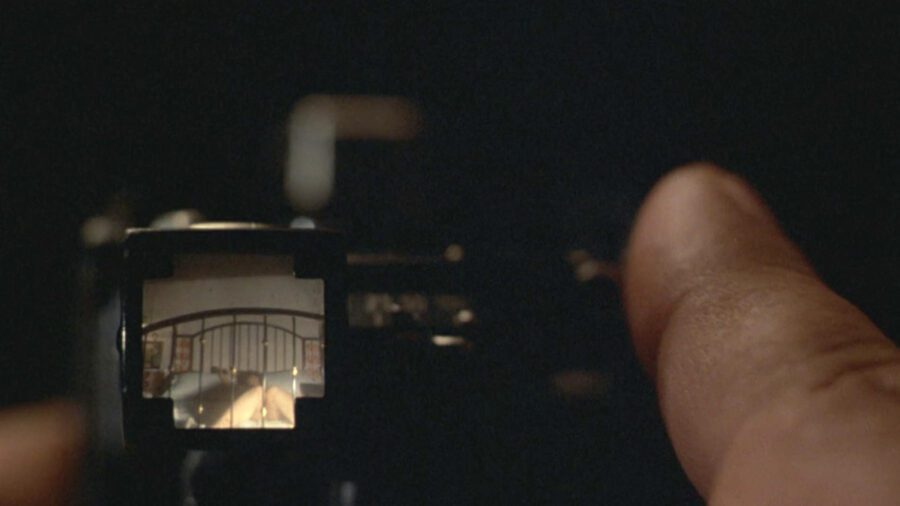
The images are hidden, passed from one man to another, and developed in secret by her daughter’s fiancé, Laszlo, with whom she later starts an affair. The early photos in the film are an act of looking without permission. Brass makes us part of that process.
As the affair grows, the images become more provocative, as Laszlo also begins photographing her. Teresa poses with more confidence, knowing they are being seen. Brass uses this to show how voyeurism shifts power. Teresa slowly takes control of how she is seen.
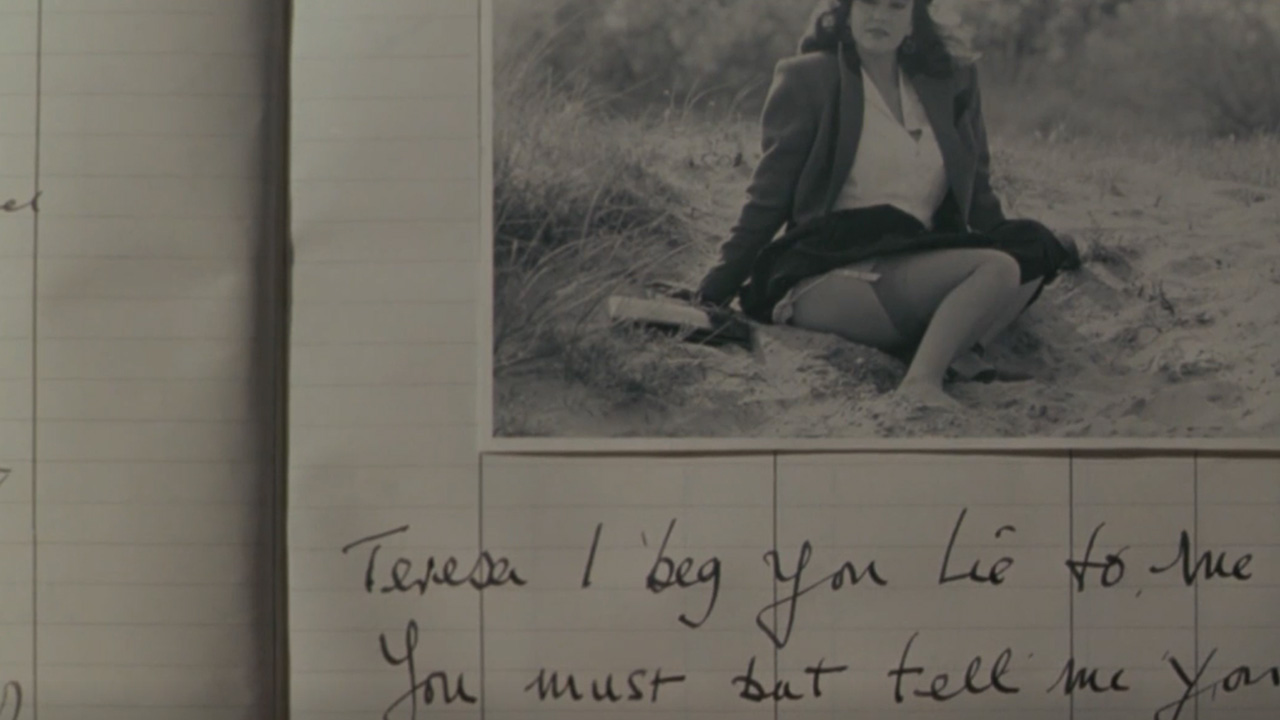
By focusing on photos instead of direct scenes, Brass puts distance between the viewer and the action. In my view, this makes the film more intimate, not less, because we become self-aware as viewers that we’re being led into someone’s private sphere.
Costumes and Role-Play in Erotic Storytelling
Costumes are another big symbol in Brass’s films. He uses lingerie, uniforms, and theatrical clothing to show how people play with identity. Dressing up becomes a way to explore different sides of the self.
Lingerie as Power in All Ladies Do It
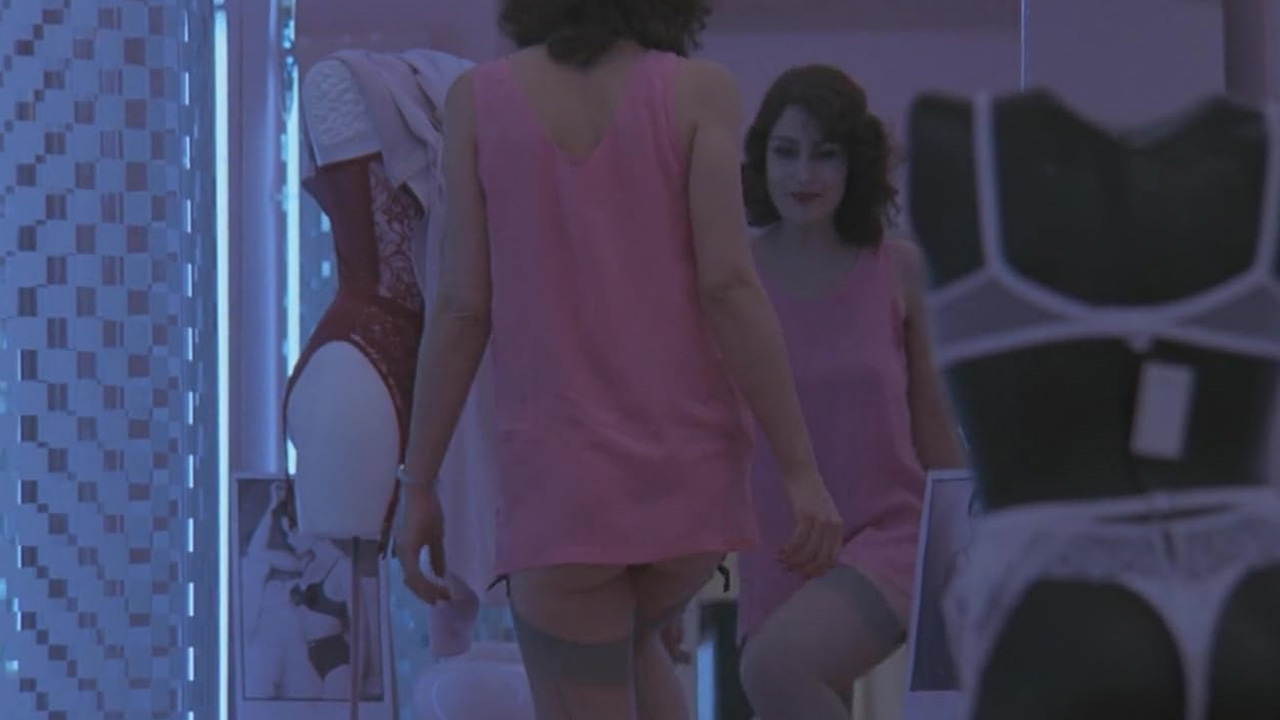
In All Ladies Do It, Diana works in a lingerie shop. The clothes give her power. By changing outfits, she changes how she acts and how she feels. Brass shows that identity can be flexible and performative.
Uniforms and Politics in Salon Kitty (aka Madam Kitty)
The early Nazisploitation movie Salon Kitty (1976, Cine 2000) is set in Nazi Germany and shows how military uniforms and brothel costumes are tied to power. The ambitious SS officer Wallenberg uses the brothel to spy on Nazi top people and important foreigners who frequent the place, by using specially trained nazi women spies/sex workers and surveillance tech.
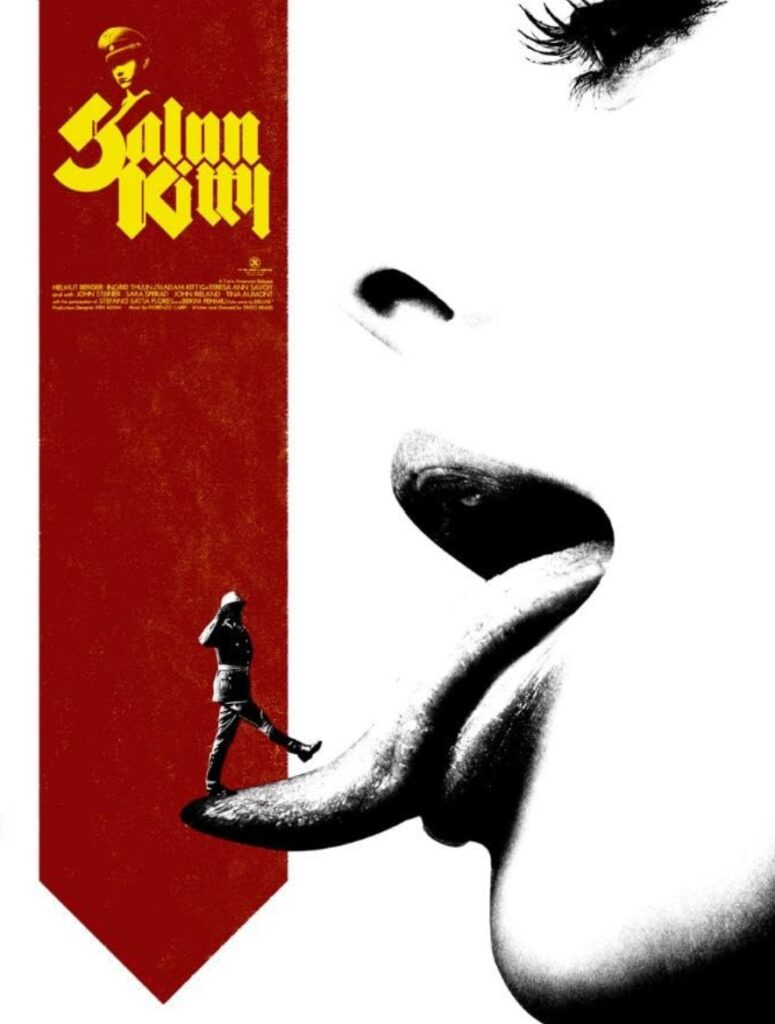
The uniforms and costumes help create a space where domination is tied to both ideology and desire. Brass uses these visual elements to show how power is staged, worn, and enforced. The SS uniforms signal state control, while the brothel outfits reinforce roles of submission, obedience, or seduction.
Chains and the Struggle Against Control: Bondage and Rebellion
Chains in Brass’s films symbolize constraint, both physical and emotional. They appear in brothel settings, especially in Salon Kitty, and speak to the characters’ lack of freedom under systems of power or social expectation.
Brass uses chains to highlight the contrast between submission and resistance. While they may appear during acts of pleasure, they often hint at deeper power struggles, making the act feel like a metaphor for social captivity.
The Female Body as a Symbol of Liberation
Tinto Brass puts the female body at the center of his visual style. Some film critics say it’s objectifying, but Brass wanted to show beauty, freedom, and confidence. In many of his films, female characters use their bodies to explore pleasure, push back against control, and express who they really are. Their nudity tells the story.
Owning Desire Without Shame
Brass treats sexuality as something natural, not something to hide. In The Key (1983, Medusa) and All Ladies Do It (1992, Cult Epics), women don’t wait for permission to feel pleasure. They try things, take risks, and figure out what they want. Brass shows their nudity without guilt or punishment. For him, the female body becomes a way to tell stories about honesty and self-acceptance.
Using the Body to Resist Control
In Salon Kitty, the women are forced to work in a Nazi-run brothel. But some of them find ways to fight back (although end up helping the Nazi party as a result). They use sex to gather information, make their own choices, and throw off the roles they’ve been given. Brass uses these scenes to show how desire can also be political. The female body becomes a way to take back power.
The Female Body as a Symbol
Brass shows confidence in how the body is framed. Characters tilt their chins up, hold long eye contact, or slowly undress while looking into mirrors. The scenes focus on control and playful seduction. The women display themselves with purpose, and the camera moves with them.
Brass uses close-ups, long takes, and props like mirrors or lingerie to turn the body into a performance with its own rhythm—a quick lift of a skirt or a flash of skin. Sex scenes are often treated with humor and silliness (often when they involve men, who are often portrayed without much brain, but thinking with their dicks).
The Female Ass as the “Mirror to the Soul.”
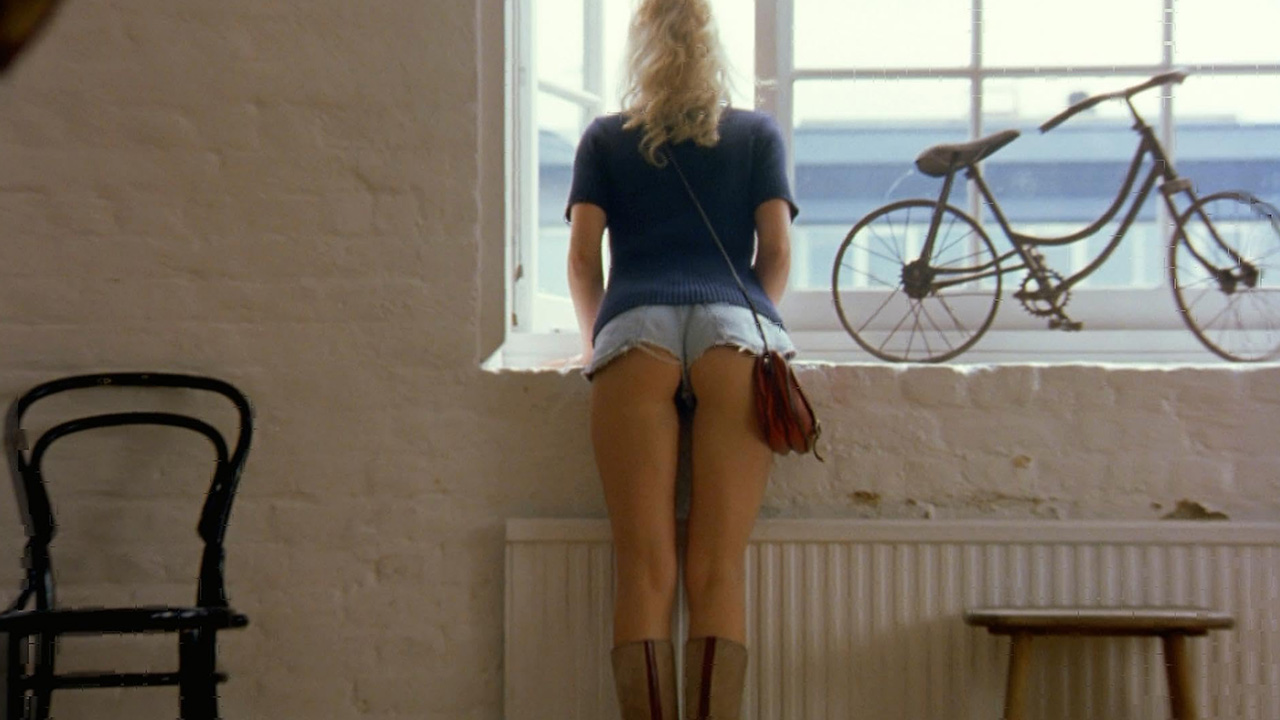
Out of everything, Brass is most known for how he films the female behind (he’s sometimes referred to as Tinto BrASS for this very reason). He once called it “the mirror of the soul.” His camera circles it, zooms in, and mirrors it in funny or bold ways. It’s shown with humor, energy, and joy.
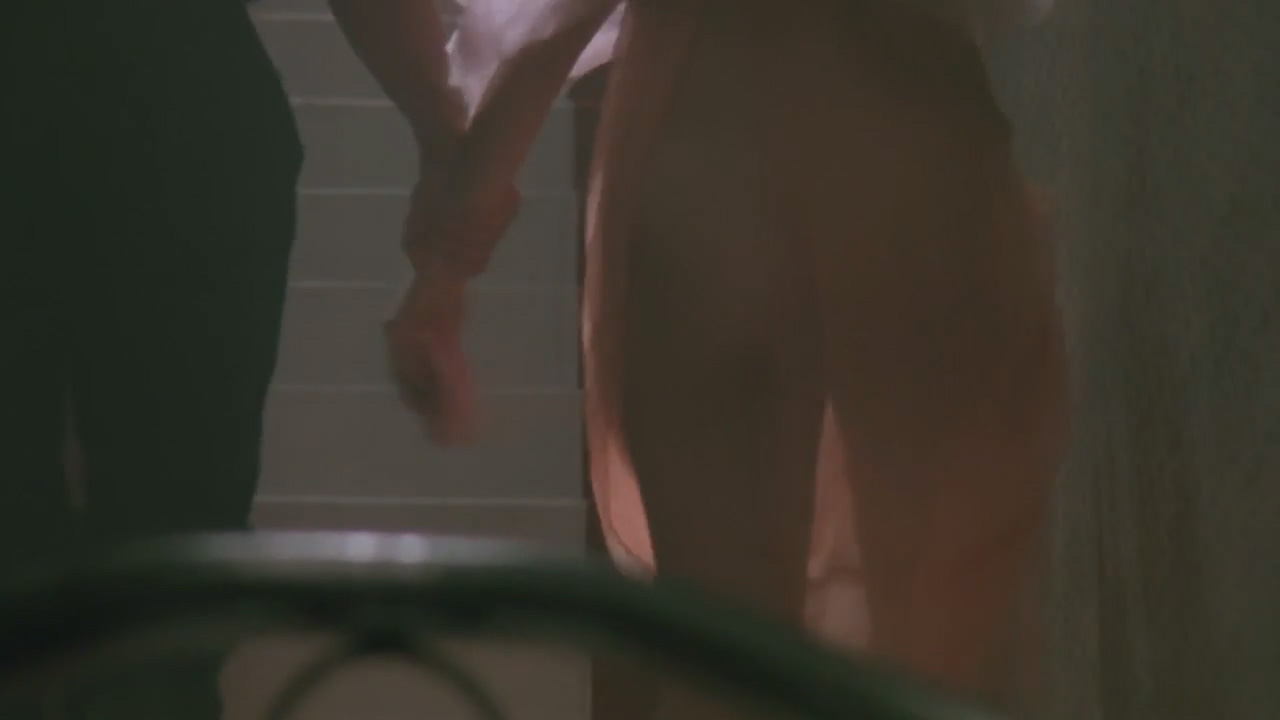
He often films women from low angles as they walk, focusing on the movement of their hips and the shape of their backs. The way they move feels smooth and confident, like they know they’re being watched and enjoy it. Each step or turn is staged with care, turning the movement of the butt cheeks into a quiet performance.
The female body stands for boldness because it challenges the usual rules of how nudity appears on screen. It stands for fun because the characters enjoy the moment and play with the camera. Attraction is part of the scene, but the focus stays on how the character uses her body to tease, surprise, and take control.
Open Windows as Symbols of Freedom
Brass often uses open windows to suggest liberation. Windows represent the possibility of freedom, escape, or a wider world beyond social rules. They let light in, and they hint that characters are ready to leave behind their limitations.
Windows and Desire
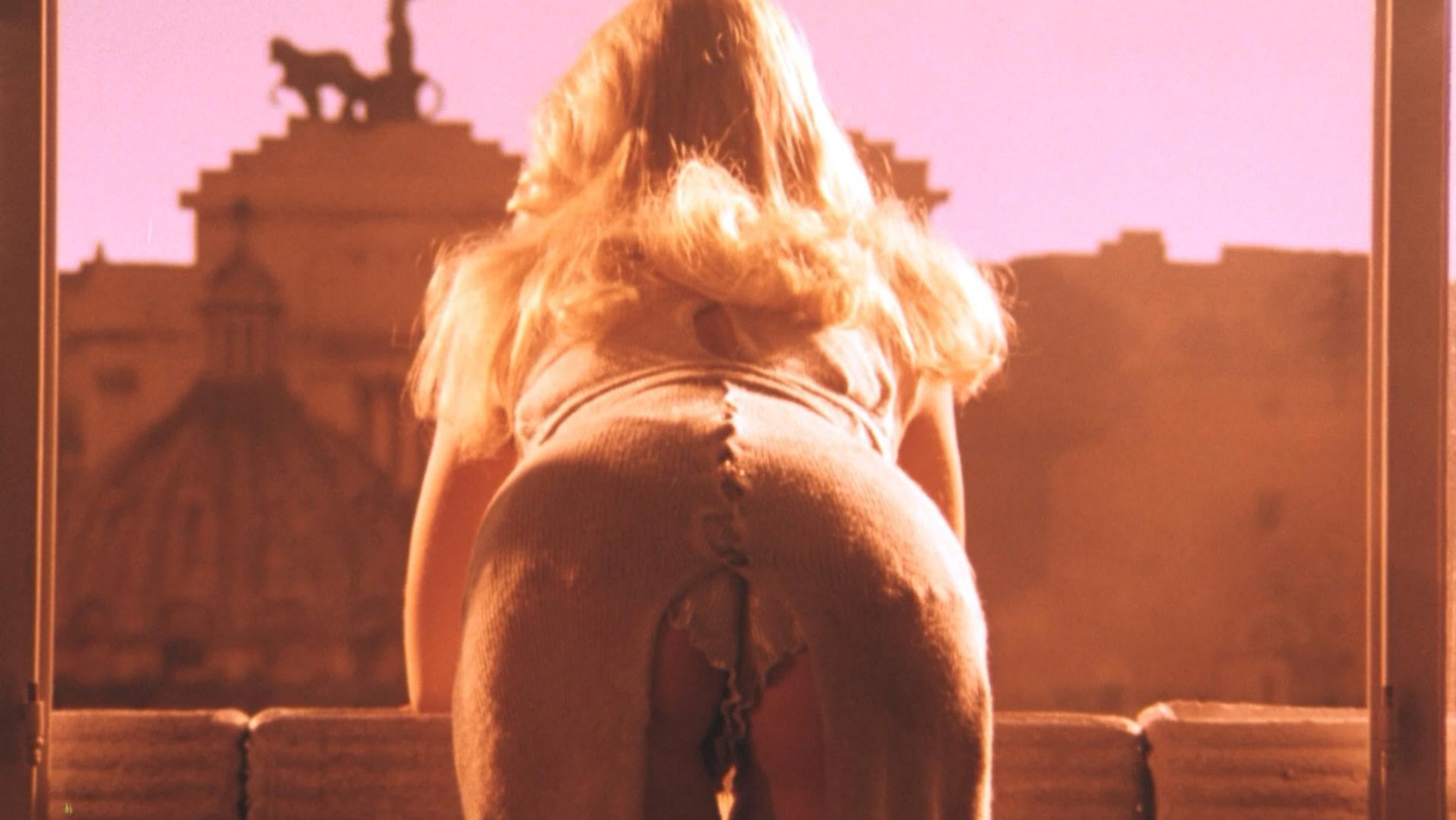
Open windows usually appear in scenes where characters are either watching or being watched. They signal that something private is about to break into the open. In this way, they’re both a symbol of vulnerability and potential change.
Water and Cleansing in Erotic Cinema
Water shows up in many of Brass’s intimate scenes, and it usually signals transformation. Baths, showers, and pools are places where characters let go of old fears, shame, or doubts. Water becomes a symbol of intimate connections, sensory experiences, and flowing emotions.
Bathing as Renewal
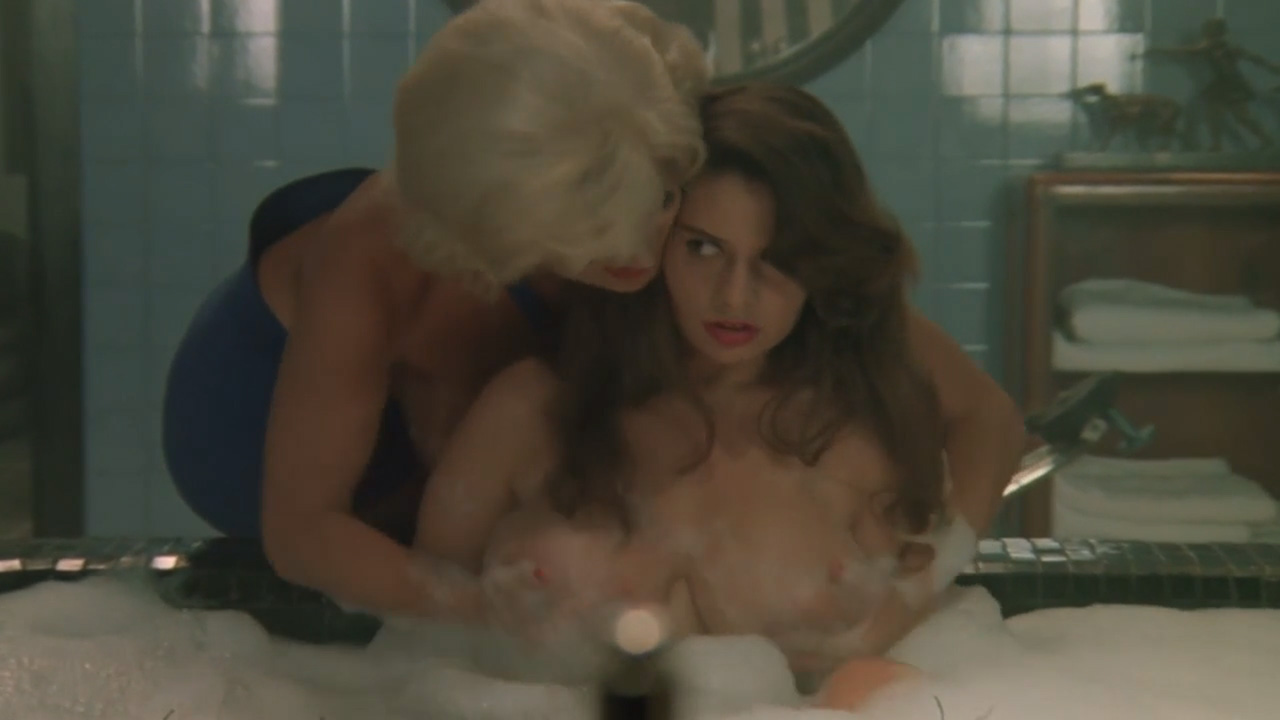
Scenes involving water often follow moments of emotional breakthrough. Washing becomes a ritual of rebirth; the water moments strip away the past and prepare the characters for something new.
Historical Settings as Symbolic Backdrops
Many of Brass’s films take place in past political eras, including Nazi Germany, Fascist Italy, and Ancient Rome. These settings do more than add style. They represent control, repression, and the danger of political authority.
Fascist Venice in The Key
By placing The Key in 1940s Venice, Brass shows how personal freedom is limited by society. The couple’s sexual discoveries are set against a backdrop of political repression. Their desires become small acts of rebellion.
Brothels and Control in Salon Kitty
Salon Kitty turns a real-life historical Nazi-run brothel into a symbol of surveillance and manipulation. Every conversation is recorded. Every act of intimacy is watched. Brass uses this setting to show how even the most personal experiences can be taken over by outside forces. Again, we have the voyeuristic undercurrent as a theme.
Summing Up
Tinto Brass used symbols to explore how people understand themselves and resist control. His characters break rules, hide secrets, and express their true selves in unexpected ways.
For young filmmakers and students, Brass’s work shows how powerful visual storytelling can be. Even in bold and explicit films, symbols can carry deep meaning. They help turn personal stories into reflections of society, history, and human nature.
Read more on symbolism in film.