Published: November 13, 2025 | Last Updated: April 23, 2026

What is Italian exploitation cinema? Definition & Meaning
Italian exploitation cinema is a cycle of low-budget films (B-movies) produced mainly from the late 1950s through the 1980s in Italy, created to cash in on global trends by offering graphic violence, sex, or sensational themes in fast-paced genre formats.
Where It Came From
Italian exploitation cinema developed in the decades after World War II, as filmmakers responded to state censorship, growing sexual liberalization, and the rise of international pop culture.
Producers worked quickly and cheaply, often using recycled sets, dubbed dialogue, and international casts. The goal was to attract attention and sell tickets through provocative posters, fast production schedules, and genre imitation.
Many productions challenged the country’s moral codes, especially before censorship laws loosened in the late 1960s. Sex, violence, and scandal became part of the business model.
At the same time, Italian genre directors found creative ways to work around budget limitations, building a visual style that later influenced horror, grindhouse, and cult directors worldwide.
Key Subgenres of Italian Exploitation
Italian exploitation cinema branched into several major subgenres, each shaped by international demand and local conditions. The categories allowed filmmakers to react quickly to trends in horror, action, and erotic storytelling while adding a uniquely Italian spin.
Giallo
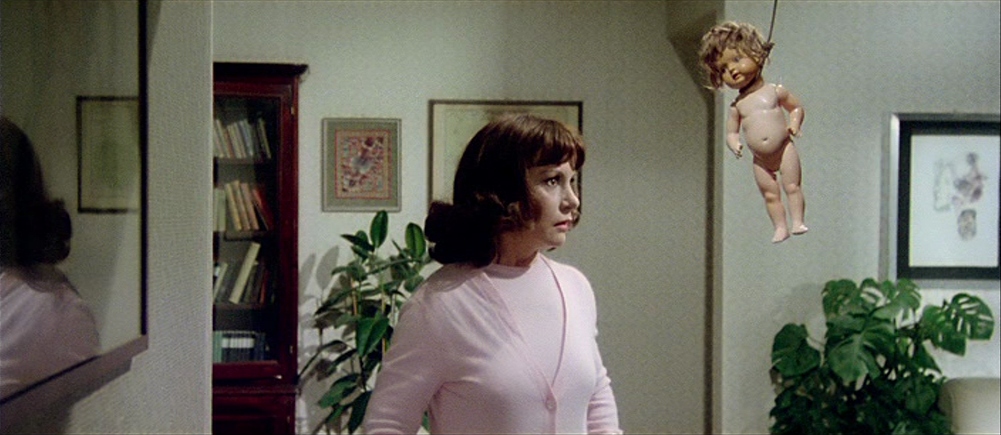
Giallo is a blend of horror, mystery, and psychological thriller. Giallo films feature masked killers, shocking murders, and stylized violence. The tone is surreal and dreamlike, with plots that revolve around paranoia and repressed trauma.
A good example is Deep Red (1975, Rizzoli Film) by Dario Argento, who helped define the genre’s visual and narrative style.
Spaghetti Western
Spaghetti westerns reimagined the American western with a darker, more cynical tone. Characters were often anti-heroes, and the violence was grittier.
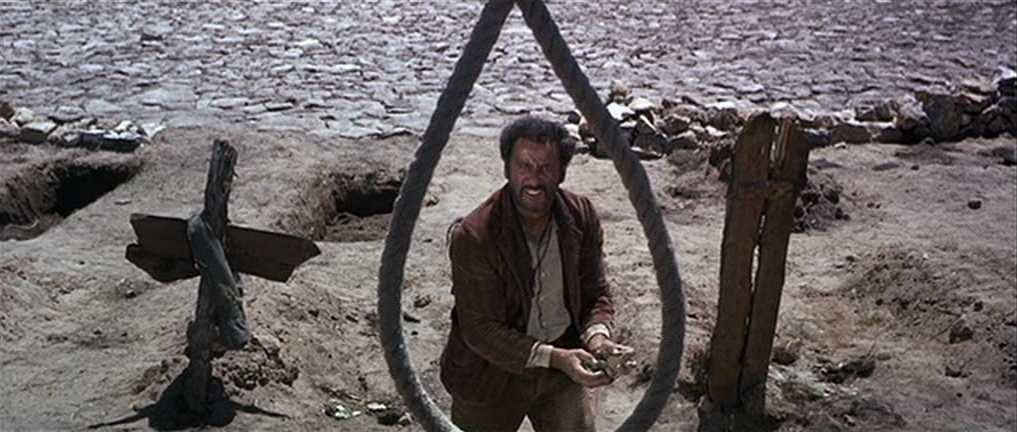
Sergio Leone’s The Good, the Bad and the Ugly (1966, United Artists) is the most famous example, but many lower-budget westerns followed. Most were shot in Spain and dubbed for export.
Poliziotteschi
Poliziotteschi thrillers responded to Italy’s political unrest in the 1970s. The stories focused on corruption, street violence, and vigilante justice.
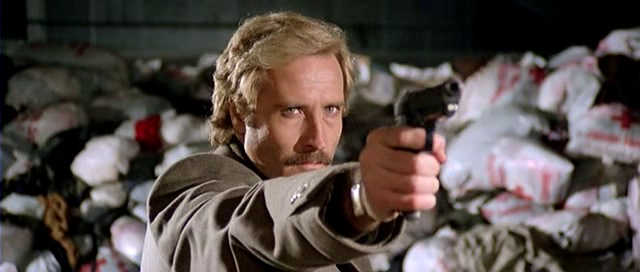
Titles like Rome Armed to the Teeth (1976, P.A.C.) used handheld cameras and fast editing to reflect social breakdown. The genre’s protagonists were often rogue police officers who broke the law to restore order.
Cannibal and Shock Horror
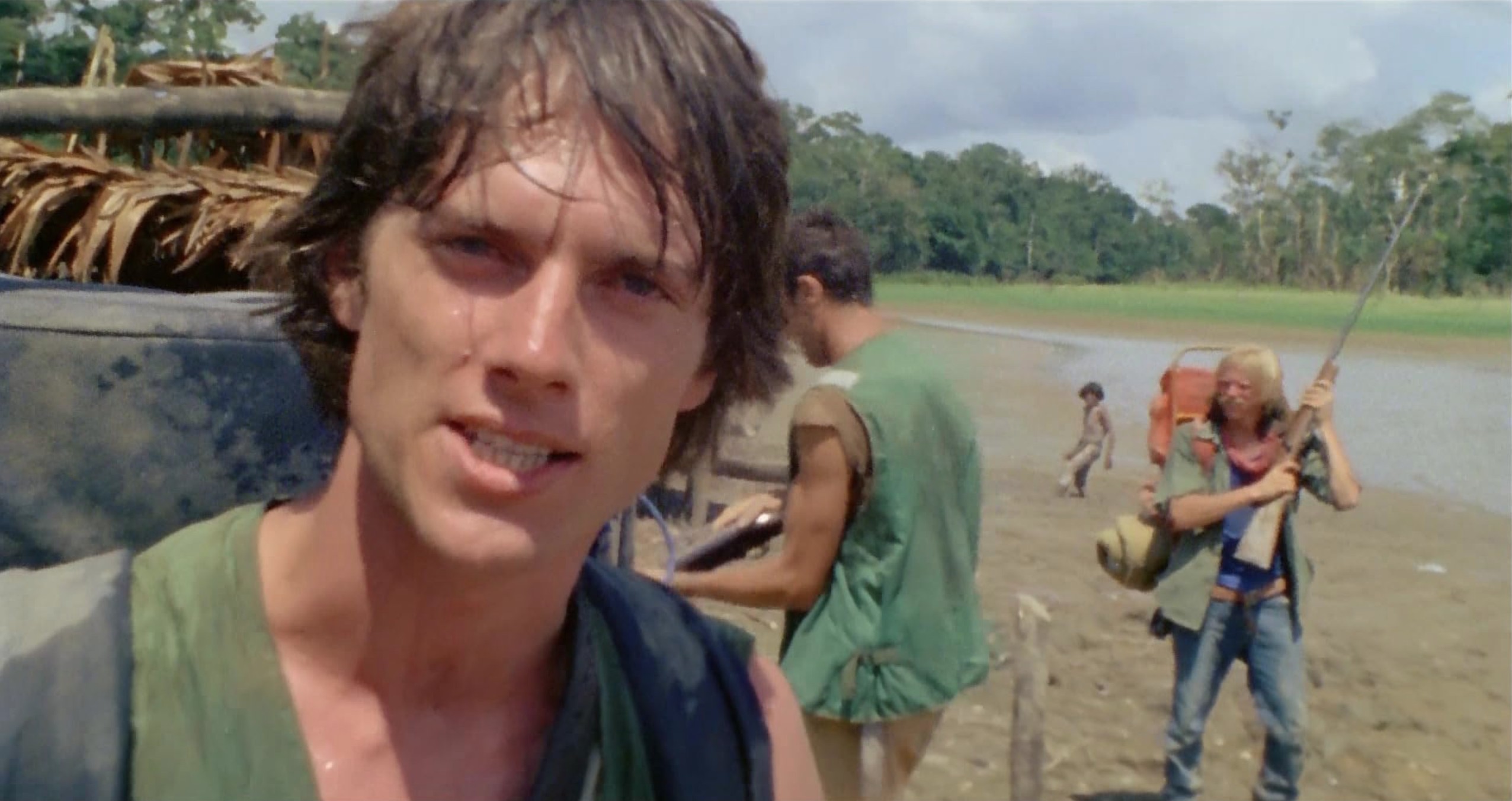
Cannibal horror and shock films became infamous in the early 1980s for their brutality. Cannibal Holocaust (1980, F.D. Cinematografica) by Ruggero Deodato used fake documentary techniques alongside real animal violence.
Censorship boards banned many cannibal horror films, but the brutal content and documentary aesthetics attracted cult audiences through late-night screenings and home video.
Erotic Drama
Erotic dramas and sexploitation became a major part of the Italian exploitation market in the 1970s and 1980s. Directors like Tinto Brass explored sexual freedom, voyeurism, and taboo relationships.
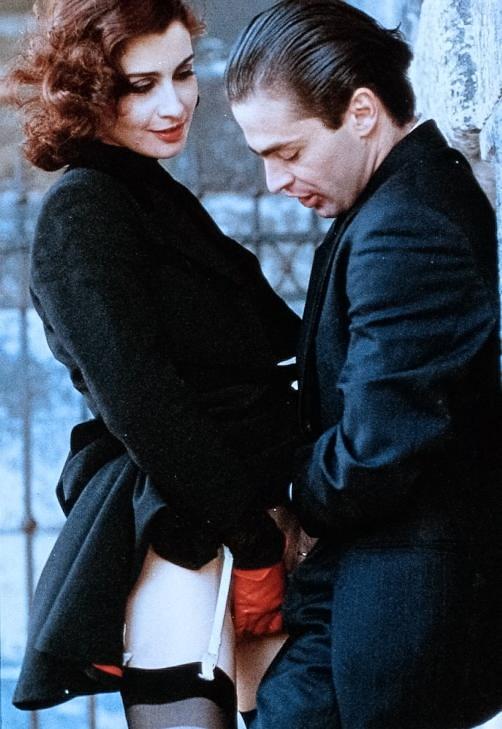
In films such as The Key (1983, Medusa) and All Ladies Do It (1992, Cult Epics), erotic scenes were framed as part of character development and personal discovery.
Visual Style and Limitations
Italian exploitation directors worked with tight budgets but used creative camera and lighting choices to leave a strong visual mark.
In spaghetti westerns and crime thrillers, they used zoom lenses, off-center framing, and handheld shots to build tension and speed. Horror films like Deep Red (1975) added surreal color schemes, sudden cuts, and extreme close-ups to create unease.
Instead of smooth tracking shots or elaborate sets, filmmakers often relied on natural light, practical effects, and color contrasts to keep costs low while still holding the viewer’s attention.
Sound and Music
Music played a major role in Italian exploitation cinema. Ennio Morricone’s soundtracks defined the atmosphere of spaghetti westerns, using whistling, guitar twangs, and offbeat rhythms.
In giallo films, bands like Goblin created synth-heavy horror scores that used repetitive rhythms and sharp tonal shifts to create tension and surrealism. And soundtracks help shape the rhythm and tone of the story.
Controversy and Censorship
Many Italian exploitation titles ran into trouble with censors in Italy and abroad. Scenes of sexual violence, nudity, and real animal deaths led to edits or outright bans.
Directors like Deodato were charged in court, and distributors faced pressure to cut scenes before international release. These censorship battles helped build the films’ underground reputations and increased demand among curious audiences.
Legacy and Influence
Italian exploitation cinema influenced directors like Quentin Tarantino, Nicolas Winding Refn, and Eli Roth. The mix of bold visuals, cross-genre storytelling, and taboo subjects laid the groundwork for modern horror and action filmmakers.
Restoration labels such as Severin and Arrow Video have reissued many Italian genre films, drawing new audiences through Blu-ray and streaming. The legacy of 1970s Italian exploitation continues to shape how viewers respond to violence, sex, and spectacle in genre filmmaking.
Summing Up
Italian exploitation cinema pushed boundaries, broke rules, and created some of the most visually daring genre films of its time. Whether through stylized murder mysteries, urban thrillers, or erotic dramas, Italian filmmakers shaped how audiences respond to genre, censorship, and cinematic shock. The legacy still lives on in the films they inspired, and in the risks they took to get made.
Read Next: Curious how visual styles define film genres?
Explore our breakdown of Genre & Visual Style to see how movements like naturalism, noir, and surrealism shape what we watch.
Looking for the big picture? Visit our Film History, Theory & Genre page to connect techniques with the eras and ideas that shaped them.