

Published: January 19, 2026 | Last Updated: February 23, 2026

Overview
Definition: A protagonist is the character whose choices keep the main story moving toward a resolution, because the film keeps testing what they do to solve the central problem.
What you’ve seen before: You have seen this when a film keeps returning to one person’s problem, tracks what they try next, and treats their wins and losses as the story’s main movement.
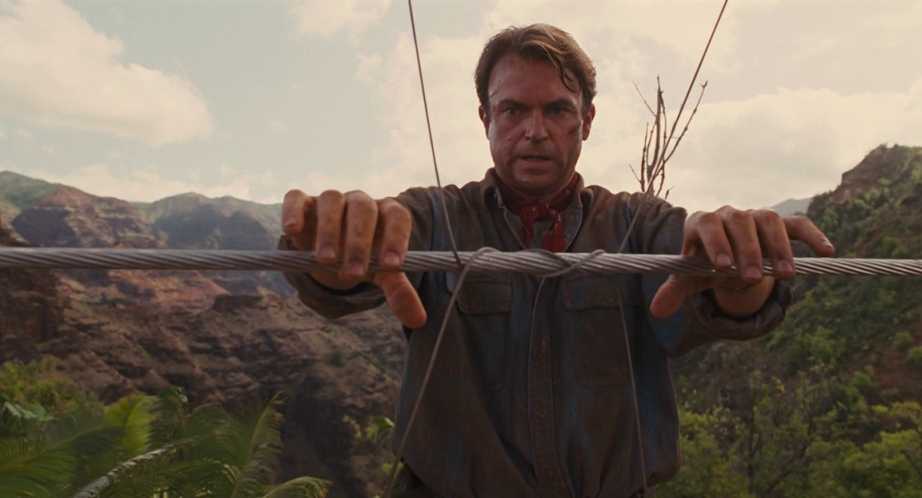
Example: In Jurassic Park (1993, Universal), Dr. Alan Grant becomes the story’s main driver once the park fails because the film keeps returning to his problem: keeping the kids alive and getting them back to safety. His choices create the next survival beat, and other threads raise pressure around the same danger.
Why it matters: Knowing who the protagonist is helps you write and shoot scenes with a clear center. It tells you whose goal sets the next obstacle, what information you need next, and whose reactions deserve the tightest coverage. If you build scenes around the wrong character, the film can feel scattered because the goal line keeps shifting.
- Key takeaway 1: Identify the protagonist by the goal or problem you keep tracking, not by who gets the first scene.
- Key takeaway 2: Build each scene around what the protagonist wants right now and what blocks it.
- Key takeaway 3: Let the biggest turns come from the protagonist’s choices, so the story feels driven instead of random.
Next, we’ll place the term inside a bigger film framework, then separate it from nearby labels that often get mixed together in notes.
What is a protagonist in film? Definition & Meaning
A protagonist is the story’s main driver in the plot system. The protagonist is the character whose decisions create the biggest cause-and-effect turns, which keeps the central conflict active across the full film.
You will hear the word “protagonist” used in writing rooms, on set, and in edit notes. People often use it as a loose synonym for “main character,” “hero,” or “the person we follow.” Those terms overlap in casual talk, but they point to different jobs inside a film.
Why the protagonist matters in real film work
Protagonist is not just a label. Protagonist is a tool you can use to test scenes, plan coverage, and fix pacing.
When you identify the protagonist, you can test each scene with one question: does this moment push the protagonist toward the goal, block the goal, or change what the goal is?
A scene can still earn its place when the answer feels indirect. You still need to name the scene’s job in plain language. The job might be raising stakes, revealing a new limit, setting up a later payoff, or showing why the next choice costs more than before.
This is how the plot reads on the page and on the timeline. One choice creates a consequence. That consequence forces a new choice. Tracking the protagonist helps you stay on that chain, so the story does not drift into scenes that feel separate from the main problem.
Protagonist vs. other terms people confuse
Notes get messy when people share the same words but mean different things. These quick contrasts keep your conversations about story function, not just screen time.
Protagonist vs. main character
The “main character” is often the person you spend the most time with on screen. Screen time alone does not tell you who drives the main plot turns.
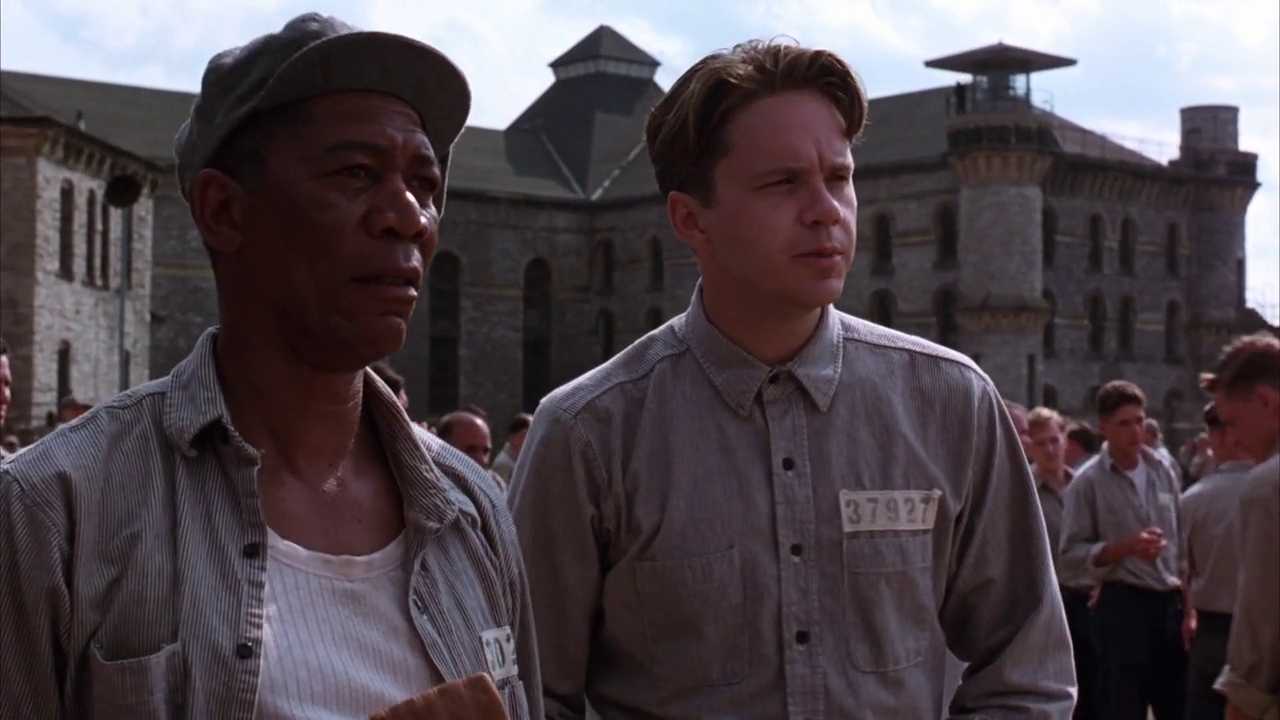
In many films, the protagonist and the main character are the same person. In other films, the camera stays close to one character while another character’s decisions keep changing the main situation. In The Shawshank Redemption (1994, Columbia), Red guides what you hear through narration, but Andy’s long-term choices drive the escape-and-survival plot.
Protagonist vs. Main Character: What’s the Difference?
Protagonist vs. hero
Hero is a value label. The word suggests the character acts in ways you are meant to admire.
Protagonist is a structure label. The word tells you who carries the responsibility of moving the main story forward through choices.
Read more about the hero in film.
Protagonist vs. antagonist
The antagonist is the force that most consistently resists the protagonist’s goal across the story. That force can be a person, a group, an institution, nature, time pressure, or a truth the protagonist refuses to face.
A one-scene obstacle is usually not an antagonist. An antagonist keeps showing up, escalates pressure, and stays tied to the same central goal.
What Is an Antagonist? Meaning, Role, and Film Examples
How to identify the protagonist in a script or rough cut
When the label feels unclear, stop guessing and track cause and effect. The protagonist is the character who keeps turning the story’s direction through decisions.
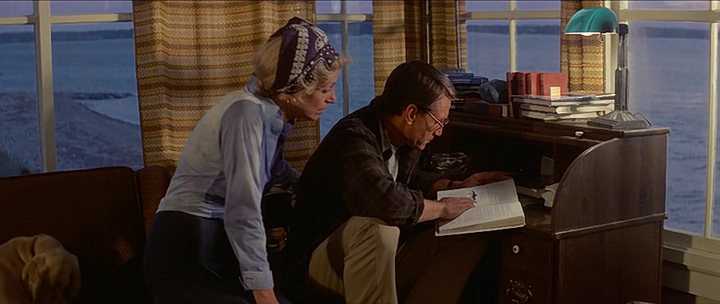
Use Jaws (1975, Universal) as a quick example of the method:
- State the main problem in one sentence. Name the on-screen situation the story keeps returning to. In Jaws, a shark is killing people, and the town keeps the beaches open.
- Name the goal that answers that problem. The goal becomes stopping the shark. Several characters argue about what to do, but Brody keeps pushing for actions that reduce danger.
- Track the decisions that turn the plot. Brody pushes for closures, accepts compromise, and then commits to hunting the shark offshore. Each decision changes the plan and raises the cost of failure.
- Check who carries the stakes when plans fail. Brody’s authority gets undermined, his responsibility deepens, and his family remains exposed to the same threat.
- Test the ending. The story resolves when Brody acts directly to end the shark threat. The film holds its final release until the protagonist makes the choice that solves the core problem.
A one-sentence premise supports this process because it forces you to name the protagonist, the goal, the conflict, and the stakes in plain language.
What Is a Story Premise? Definition and Examples
How the protagonist connects to character arcs and scene design
Protagonist choices give you a practical way to design scenes. Each scene works best when it pressures the protagonist into a new decision.
Pressure can come from less time, higher risk, fewer options, stronger opposition, or a personal cost that keeps rising.
This links to character arcs. Some protagonists transform. Some protagonists stay steady. Both types still get tested through escalating choices. One useful habit is to separate two tracks: the protagonist’s external goal and the internal change the film explores.
What Is a Character Arc? Definition, Stages, and Film Examples
When the protagonist feels vague on the page, fixes are usually concrete. Define what they want, what they fear losing, and what they do when the pressure spikes. Those answers give you levers for rewrites and for scene design.
Character Development: Write People, Not Just Roles
Common misunderstandings and how they show up in notes
Protagonist confusion often comes from a broad label that hides a specific craft problem. Notes get more useful when you name what is actually broken.
- Treating screen time as the definition. Cutting away from the story driver can work when those scenes feed the main conflict. When they do not, the film starts to feel split.
- Equating likability with the role. Likability is a tone choice. Protagonist is a structure role tied to which choices keep the plot moving.
- Confusing point of view with the story driver. A narrator or witness can guide what you see and what you learn. The protagonist is the character who keeps making the central choices that turn the main problem.
- Labeling every obstacle as an antagonist. A true antagonist persists and escalates across many scenes. One-off problems often serve a different job in the sequence. Types of Villains in Film: A Breakdown of Villain Archetypes
When the note is really about resistance, naming the conflict type often leads to faster fixes than debating labels.
Types of Conflict in Film: Definitions and Examples
Edge cases that still work in film
Some films make the protagonist harder to label on purpose. The story can still work when the design supports the confusion.
Ensemble stories can split attention across several major characters. The structure holds when each track connects to the same central problem, and turns in one track create consequences in the others. In some ensembles, one protagonist still sits at the center, and other major characters act as strong supports.
Related terms can help when a story is designed this way: What Is a Deuteragonist? and What Is a Tritagonist?
A passive-protagonist setup can also work. The character may delay bold action, but pressure must keep rising and their smaller choices must still create consequences. If nothing the character does changes anything, the story engine is missing.
When the concept adds value, and when it does not
Asking “Who is the protagonist?” helps when the answer changes a real decision in writing, shooting, or editing. The question matters less in films built around observation or mood, where change comes from routine, time, or atmosphere more than pursuit.
- Use the term when you need decisions. Outlining, second-act revisions, coverage planning, and trimming scenes benefit from a clear story driver.
- Set it aside when structure stays intentionally loose. Some films hold together through place, routine, or tone more than goal pursuit.
- Translate scorecard notes. “The protagonist is weak” often means the goal is unclear, the stakes feel small, or the scenes repeat the same beat.
Practical checklist for your next draft, shoot, or edit
These fast checks help you spot when the main plot starts to lose its center.
- Goal clarity: Can you state what the protagonist wants in this sequence without explaining backstory?
- Resistance: Is there opposition that can escalate across scenes instead of staying a one-off inconvenience?
- Choice: Does the protagonist create a new problem, risk, or direction through action?
- Scene value: If you remove the scene, do you lose a needed step in the pursuit, or do you only lose surface detail?
Supporting terms like beats, loglines, and inciting incidents help keep this vocabulary tied to moments on the page.
Related reading:
- 15-Beat Story Outline (Save the Cat style)
- How to Write a Logline for a Movie, Short Film, or TV Series
- What Is an Inciting Incident? Definition and Examples
Summing Up
A protagonist is the character whose choices keep the main plot moving toward a resolution. You identify the protagonist by tracking who turns the story’s direction, who keeps carrying the central stakes, and whose final choice must happen for the main problem to end. The term helps most during outlining, rewrites, coverage planning, and edits. Some films are designed around loose cause and effect, and other tools can describe those structures more accurately.
Read Next: Want to write characters that feel real on the page?
Start with our Free Screenwriting Course — a complete foundation in structure, dialogue, and building compelling characters.
Then browse all character development articles — from internal conflict and arcs to ensemble design and protagonist logic.
Or return to the Screenwriting section for formatting, story structure, and writing tools.
