

Published: January 30, 2024 | Last Updated: July 2, 2026

Overview
Definition: An antagonist is the character or force that blocks the protagonist’s goal through sustained opposition and pressure.
What you’ve seen before: You see this whenever a main character reaches for something, and someone or something pushes back, raises the cost, and forces harder choices.
Example: In The Dark Knight (2008, Warner Bros. Pictures), the Joker keeps forcing Batman into no-win choices. Each attempt to stop him creates a new crisis that spreads across Gotham.
Why it matters: When you know what your antagonist wants, your scenes get cleaner. The resistance becomes specific, and each block costs time, safety, reputation, or relationships.
- Key takeaway 1: Write the antagonist’s goal in one sentence, then test every obstacle against it.
- Key takeaway 2: Let the antagonist initiate moves sometimes, so the protagonist must respond.
- Key takeaway 3: Make each block cost something real, so escalation feels earned.
Next, you’ll learn how the protagonist and antagonist create a push-pull dynamic, how the antagonist functions inside narrative structure, and how to design antagonists that keep pressure on the story.
Antagonist vs. Protagonist: How the Dynamic Works
The protagonist and antagonist form the story’s main conflict engine. The protagonist has a goal, and the antagonist has a goal that collides with it. That collision is what turns plans into scenes.
- Goal clash: Your protagonist wants X. Your antagonist wants Y. Y blocks X.
- Pressure: The antagonist forces the protagonist to spend more, risk more, or compromise more.
- Change: The protagonist adapts, and the antagonist adapts back, so the story keeps moving.
A useful test is to ask one question: What does the antagonist do that changes what the protagonist must do next? If the answer stays clear across many scenes, the dynamic is working.
What is an Antagonist in Film? Definition, Meaning & Broader Framework
An antagonist is a story role, so the best definition is not a dictionary line. It is a framework you can use while you outline and write.
An antagonist is the opposing force that turns the protagonist’s goal into scene-level conflict by applying sustained pressure through tactics, constraints, or consequences.
In film terms, the antagonist is the force that makes the protagonist’s plan expensive. The antagonist closes doors, removes safe options, and forces the protagonist into choices that reveal character. That is why strong antagonists create structure. They drive escalation, push turning points, and set up the climax.
Definitions and Key Distinctions
People use “antagonist” loosely, so it helps to separate it from nearby terms you will see in writing and film analysis.
Difference Between Villain and Antagonist
The villain and antagonist difference matters because one term is about story function, and the other is about morality.
- Antagonist: the force that opposes the protagonist’s goal.
- Villain: a character framed as morally wrong who causes harm.
A villain is often an antagonist, but an antagonist does not have to be evil. A decent rival, a strict institution, or a survival situation can oppose the protagonist and still function as the antagonist.
Antagonist vs. Adversary
The adversary vs antagonist distinction helps you keep your cast clean.
- Adversary: a rival or competitor.
- Antagonist: the opposing force that carries the story’s main pressure and repeats across key scenes.
An adversary can stay small. An antagonist usually cannot, because the story keeps returning to that pressure.
Antagonist vs. Obstacle
The obstacle vs antagonist distinction helps you avoid calling every problem “the antagonist.”
- Obstacle: a temporary problem (a locked door, a broken car, a missed call).
- Antagonist: sustained resistance that keeps returning and tightening the situation.
A locked door is an obstacle. A character who keeps locking doors as the protagonist gets closer is acting as an antagonist.
Primary vs. Secondary Antagonists
Many stories have one main opposing force and several supporting pressures. Naming them helps you plan escalation.
- Primary antagonist: the main opposing force behind the central conflict.
- Secondary antagonists: opposing forces that create pressure in subplots or specific phases.
Secondary antagonists often hit different weaknesses in the protagonist, or they represent a different angle of the theme.
Can an Anti-Hero Be an Antagonist?
An anti-hero is usually a protagonist with messy ethics. The anti-hero becomes an antagonist when the story centers someone else, and the anti-hero’s choices repeatedly block that person’s goal.
If you want a deeper breakdown, see anti-heroes in film.
Types of Antagonists in Storytelling
Types of antagonists are not just genre labels. They are planning tools. Each type creates pressure in a different way, which changes what kinds of scenes you write and what kinds of choices your protagonist faces.
Below are common antagonist types with famous examples of antagonists in movies.
Human Antagonist
A human antagonist is a person who opposes the protagonist through a conflicting goal, a value clash, or direct threat. The key is sustained resistance, not “evil.”
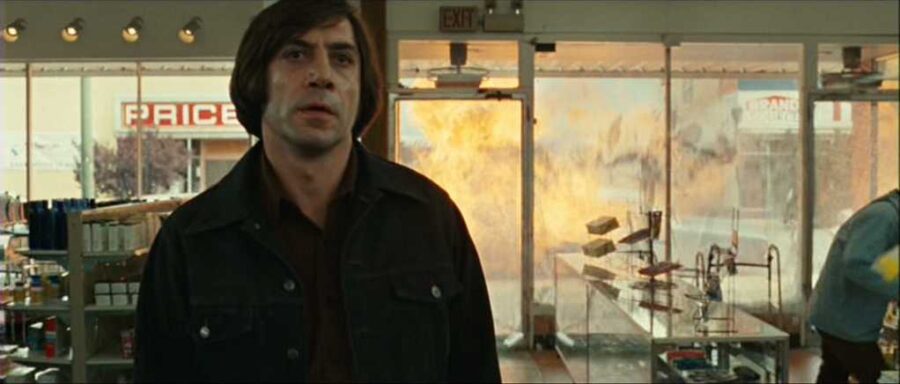
Anton Chigurh (Javier Bardem) is an antagonist because he keeps closing the distance on Llewelyn Moss (Josh Brolin). Chigurh’s goal stays simple and relentless, and that forces Moss into riskier choices as the story escalates.
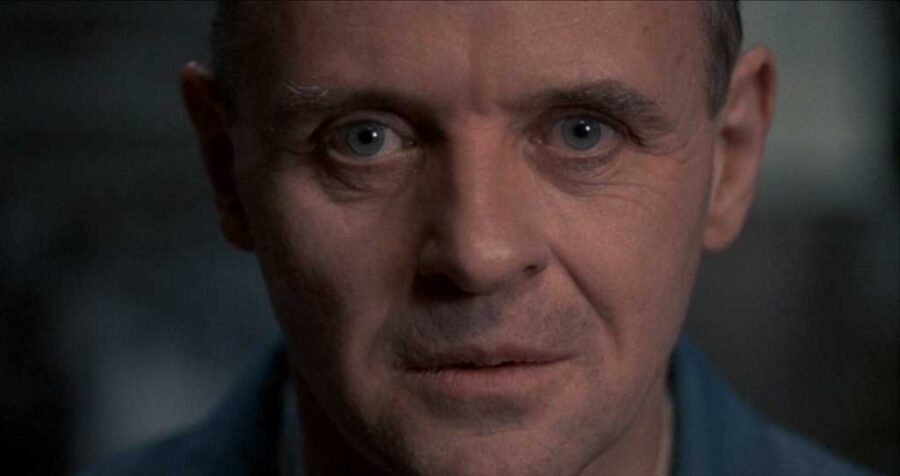
Hannibal Lecter (Anthony Hopkins) often acts as a secondary antagonist because he controls information and turns each meeting into a power contest. The film’s primary antagonist is Buffalo Bill, but Lecter still creates real resistance that slows Clarice’s progress and raises the emotional cost of each step.
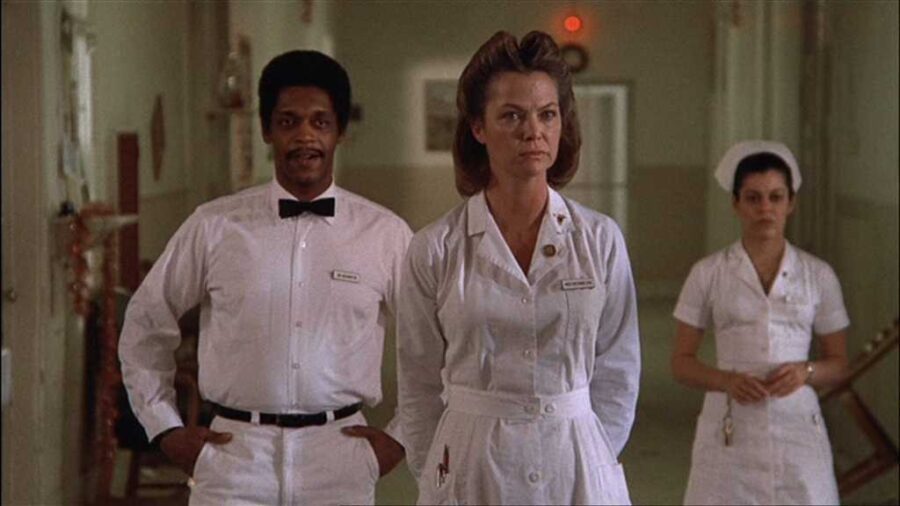
Nurse Ratched (Louise Fletcher) becomes the antagonist because she controls the rules of the institution and tightens them when Randle McMurphy (Jack Nicholson) pushes back. The conflict stays active, and the costs spread to the other patients too.
Technological Antagonist
A technological antagonist is a system, machine, or tool that blocks the protagonist’s goal. This often appears in science fiction, horror, and thrillers where technology gains agency or becomes impossible to control.

HAL 9000 functions as an antagonist because the crew depends on the system, and the system can deny access, trap people, and control life support. The conflict stays tense because negotiation and empathy do not work the way they do with a human rival.
Films that explore related technology-as-antagonist pressure include I, Robot (2004), The Terminator (1984), and The Matrix (1999) below.
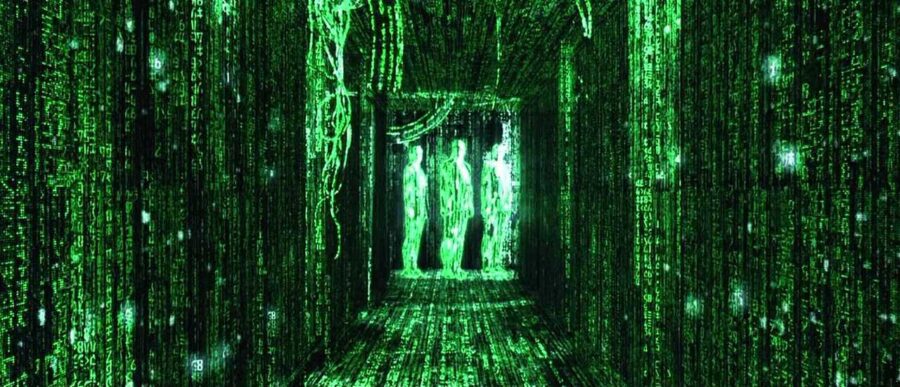
In The Matrix (1999), the Machines are antagonists because they keep humans trapped and powerless. The Matrix itself can also function as an institutional antagonist because it hides the truth and blocks the protagonist from even seeing the real problem.
Society or Institution Antagonist
An institution becomes an antagonist when its rules, surveillance, and power structure keep blocking the protagonist’s goal across the plot.
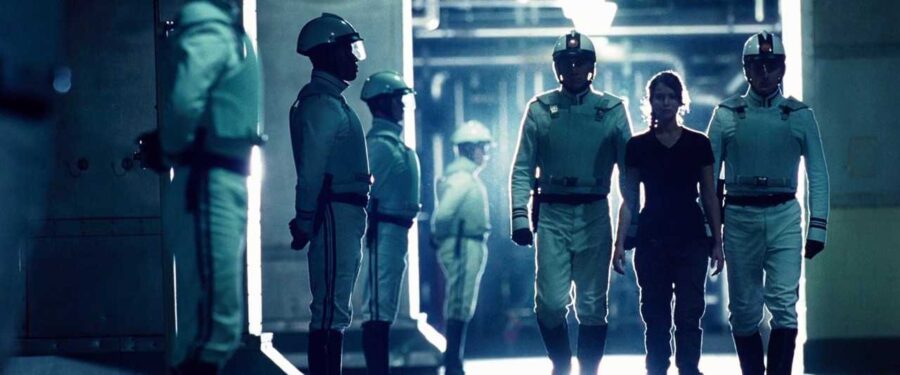
In The Hunger Games (2012), the Capitol functions as the antagonist because it forces the game, controls information, and punishes resistance. Katniss cannot reach safety without confronting the system itself.
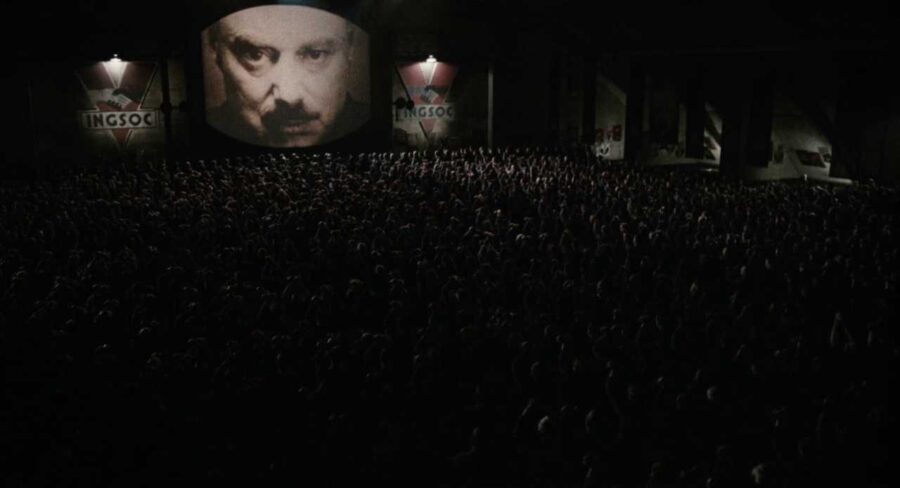
Nineteen Eighty-Four (1984) adapts George Orwell’s novel (published in 1949). The Party functions as the antagonist because it watches, punishes, and controls language. Winston’s goal collapses whenever the system closes in and removes options.
Supernatural Antagonist
A supernatural antagonist blocks the protagonist through powers that break normal rules. This often shows up in horror and fantasy, where the protagonist cannot solve the problem through logic alone.
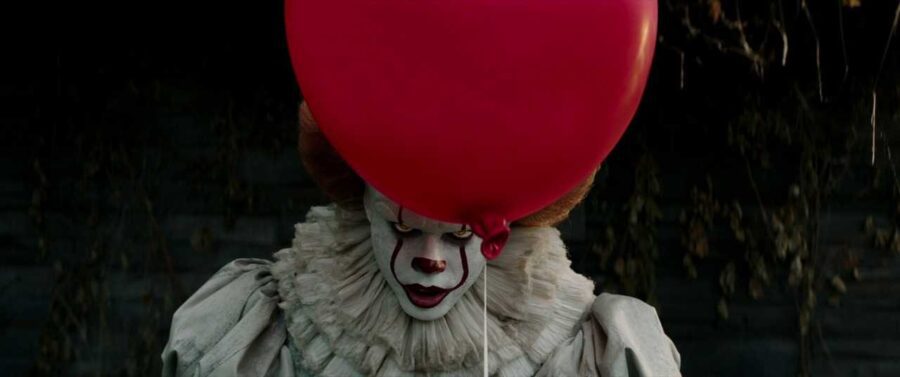
Pennywise functions as an antagonist because it returns again and again with new tactics that target each child’s fear. The resistance stays personal, and it escalates as the kids learn the rules too late.
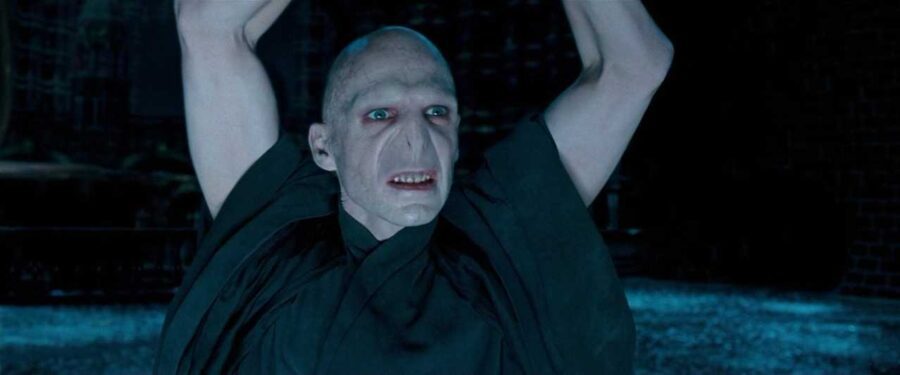
Lord Voldemort functions as a primary antagonist because his plan drives the central conflict. He gains power, recruits allies, and raises the cost of resistance until Harry has fewer safe options.
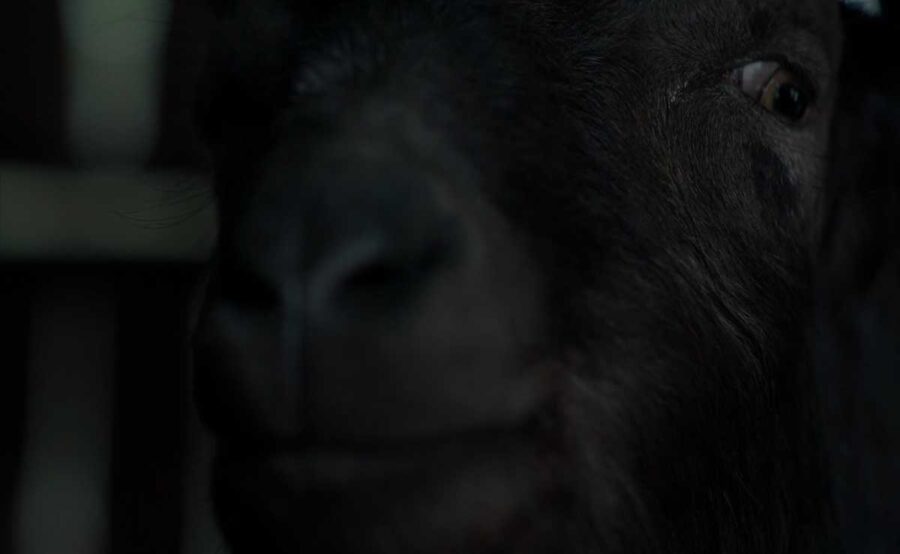
The Witch (2015) uses a supernatural threat that isolates the family and turns them against each other. The antagonist pressure rises through suspicion, manipulation, and fear until the family collapses.
Nature Antagonist
A nature antagonist is the environment or a creature that blocks the protagonist through survival pressure. The antagonist “goal” can be simple, but the resistance keeps returning.

The shark in Jaws (1975) functions as an antagonist because each new attack removes political “easy outs” and forces direct confrontation.
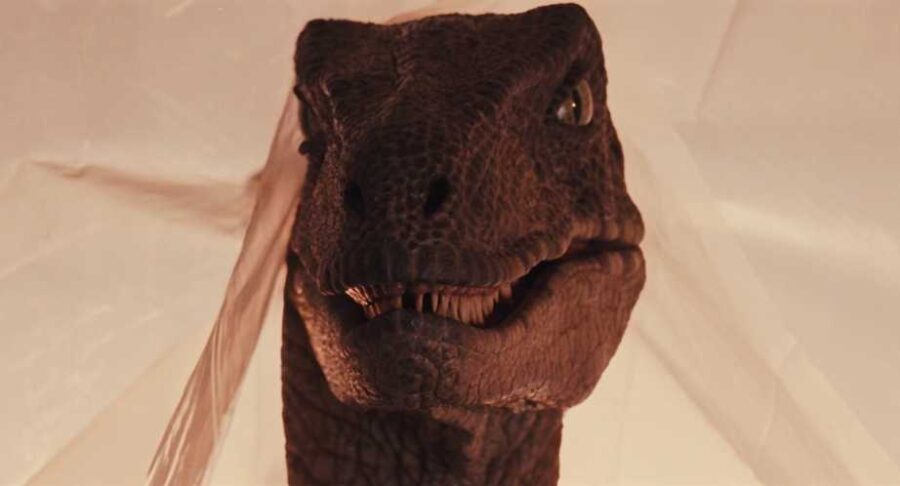
The dinosaurs in Jurassic Park (1993) become antagonistic pressure because the environment and animals overwhelm human plans. Tools fail, safe spaces fail, and the protagonists must adapt fast.
Internal Antagonist
An internal antagonist is a flaw, fear, or compulsion inside the protagonist that keeps blocking the goal. You see this when the protagonist makes self-defeating choices under pressure.
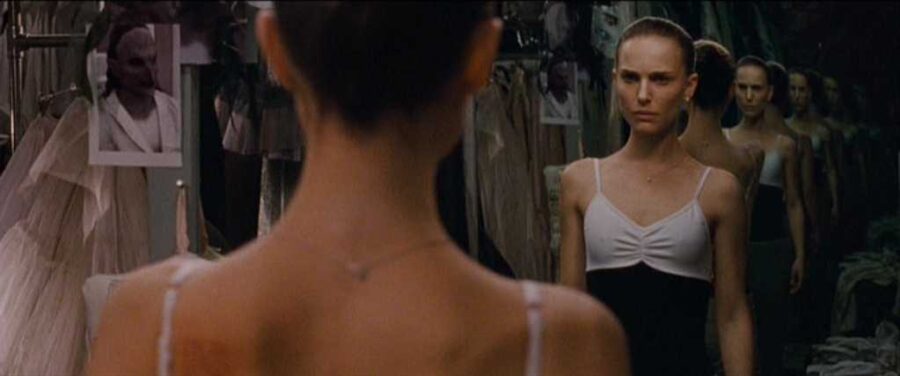
Nina Sayers (Natalie Portman) becomes her own antagonist in Black Swan (2010). Her need for perfect control blocks her ability to perform freely, and the pressure turns into paranoia and self-destruction. Lily (Mila Kunis) can function as a mirror that intensifies Nina’s fear. That connection can also be read through metaphor and symbolism.
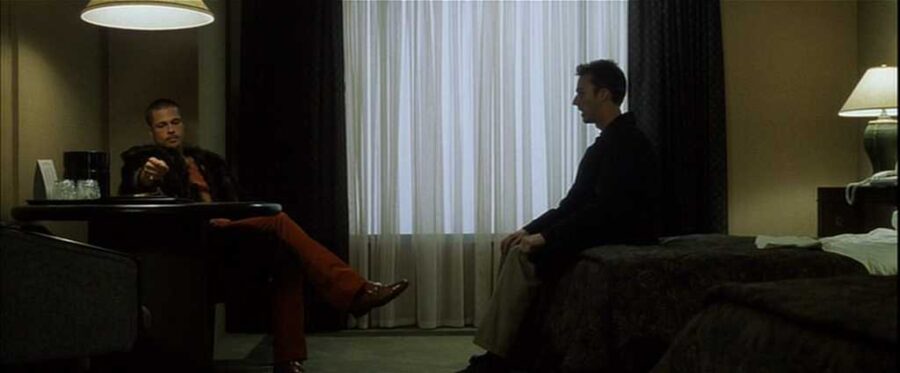
Tyler Durden (Brad Pitt) functions as an internal antagonist to the Narrator (Edward Norton) in Fight Club (1999). Tyler pushes the Narrator toward choices that destroy stability and identity. The conflict escalates until the Narrator must confront what Tyler represents. Tyler is also the protagonist’s foil because he shows an extreme version of the protagonist’s hidden desires.
Antagonistic Force of Destiny or Time
Some stories use time, mortality, or an unavoidable condition as the opposing force. The antagonist pressure comes from limits the protagonist cannot punch or negotiate away.
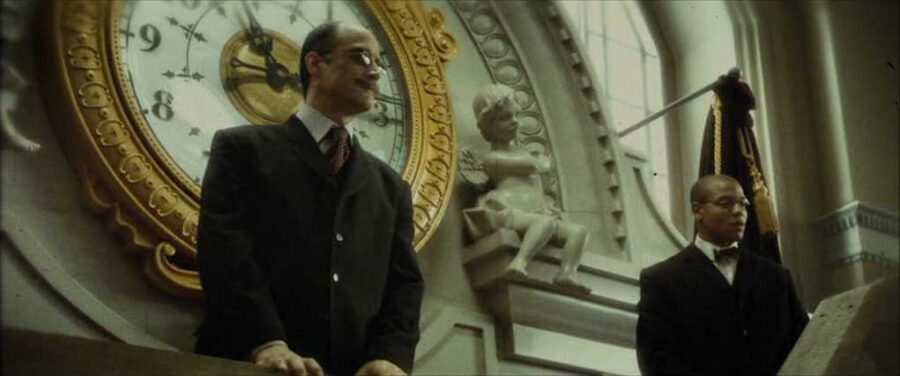
The Curious Case of Benjamin Button (2008) treats time and Benjamin’s condition as antagonistic pressure. Relationships and plans collapse because his life moves in the opposite direction of everyone else’s.
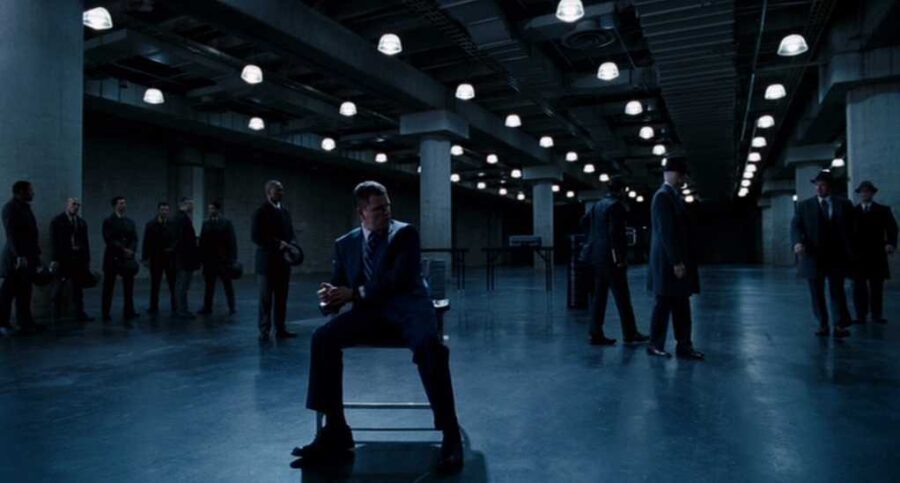
The Adjustment Bureau (2011) uses a system that keeps intervening and redirecting the protagonists. The opposing force matters because it removes choices at key moments and forces the characters to fight for agency.
Antagonistic Group or Mob
A group becomes an antagonist when numbers, shared belief, or hive behavior keeps blocking escape and safety.
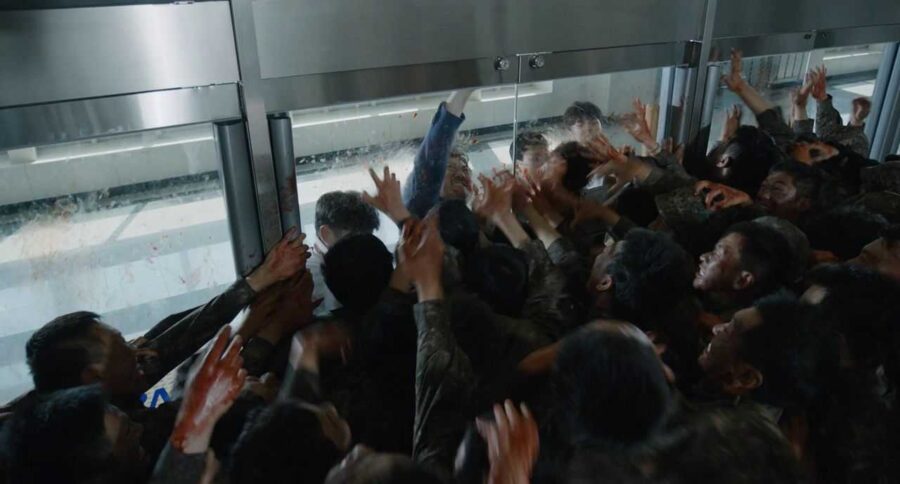
Zombie films like Train to Busan (2016) use a mob antagonist to create nonstop motion. The horde blocks pauses, separates characters, and turns every choice into a survival trade-off.
Famous Examples of Antagonists in Movies
The quickest way to learn antagonists is to study famous examples across genres. Notice how each antagonist applies pressure through a goal, a tactic, and a cost.
- Darth Vader in Star Wars: The Empire Strikes Back (1980, Lucasfilm): blocks escape and forces Luke into identity-level choices.
- Agent Smith in The Matrix (1999, Warner Bros. Pictures): functions like a system that keeps adapting and closing in.
- The Xenomorph in Alien (1979, 20th Century Fox): turns space and isolation into survival pressure.
- Norman Bates in Psycho (1960, Paramount Pictures): hides the true threat behind a controlled surface and sudden violence.
- Dolores Umbridge in Harry Potter and the Order of the Phoenix (2007, Warner Bros. Pictures): functions as institutional pressure through rules and punishment.
When you build your own antagonist, you can borrow the underlying pattern. Pick one pressure method and keep it consistent, then escalate the cost over time.
Sympathetic Antagonist Examples in Film
A sympathetic antagonist is easier to watch because you can understand their logic, even when you reject their choices. Sympathy usually comes from a believable wound, a real fear, or a goal that makes sense in context.
- Roy Batty in Blade Runner (1982, Warner Bros. Pictures): fights for survival and meaning inside a system built to discard him.
- Erik “Killmonger” Stevens in Black Panther (2018, Marvel Studios): wants justice and recognition, but his methods threaten others.
- Inspector Javert in Les Misérables (adaptations vary): believes order and law are moral truth, so he hunts the protagonist with conviction.
A sympathetic antagonist still blocks the protagonist. Sympathy changes the emotional texture. The conflict becomes harder because you can see why both sides think they are right.
Iconic Literary Antagonists
Iconic literary antagonists are worth studying because they often define a clean antagonist pattern. Each one applies sustained pressure, and each one has a clear relationship to the protagonist’s deepest weakness.
- Iago in Othello (William Shakespeare): a manipulator who controls information and turns trust into a weapon.
- Captain Ahab in Moby-Dick (Herman Melville): functions as an internal and human antagonist, driven by obsession that endangers everyone.
- Sauron in The Lord of the Rings (J.R.R. Tolkien): a distant but constant opposing force whose reach creates pressure through armies, fear, and temptation.
- The White Witch in The Lion, the Witch and the Wardrobe (C.S. Lewis): blocks growth and freedom through control and enchantment.
- Count Dracula in Dracula (Bram Stoker): uses seduction and predation as sustained threat across multiple characters.
If you want a clean takeaway, focus on tactics. Iago uses deception. Ahab uses obsession. Sauron uses reach and corruption. Each tactic changes what kinds of scenes the story needs.
Role of the Antagonist in Narrative Structure
In narrative structure, the antagonist is the force that makes acts and turning points happen. The protagonist can want something, but the story does not tighten until the antagonist makes the goal hard to reach.
- Act 1 pressure: The antagonist establishes the threat or constraint that defines the story problem.
- Act 2 escalation: The antagonist adapts and raises consequences, so the protagonist’s early plan stops working.
- Act 3 collision: The antagonist forces a final choice where the protagonist must commit, sacrifice, or transform.
This is why “antagonist” is a structural term. The antagonist is the repeating force that pushes the protagonist toward irreversible decisions.
Scene-by-Scene Antagonist Pressure: Mini Case Studies
These mini case studies show how antagonists create narrative momentum through pressure and cost. Watch how safe options disappear as the antagonist escalates.
Jaws (1975): Antagonist as Escalating Force
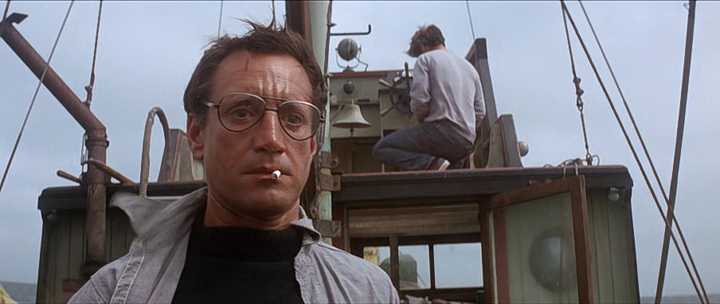
Jaws shows how a nature antagonist can still create clean escalation.
- Early: The threat stays indirect, and local leaders downplay it.
- Middle: Attacks increase, and Brody must choose between public safety and political pressure.
- Late: Compromise disappears, so Brody must hunt the threat directly.
Result: The antagonist pressure forces Brody to become the person who acts.
The Dark Knight (2008): Antagonist as Moral Stress Test
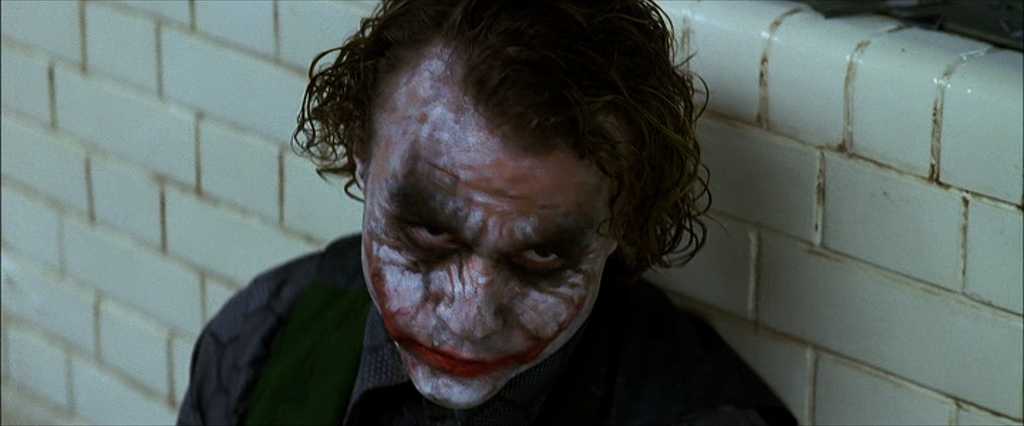
The Joker functions as an antagonist by attacking Batman’s values through forced choices and public chaos.
- Early: The Joker shows Gotham has no stable rules.
- Middle: He forces Batman into moral traps where every option harms someone.
- Late: The pressure leads to a defining choice about what Batman will allow himself to do.
Result: The antagonist pressure changes Batman’s strategy and damages his sense of control.
Black Swan (2010): Antagonist as Internal Mirror
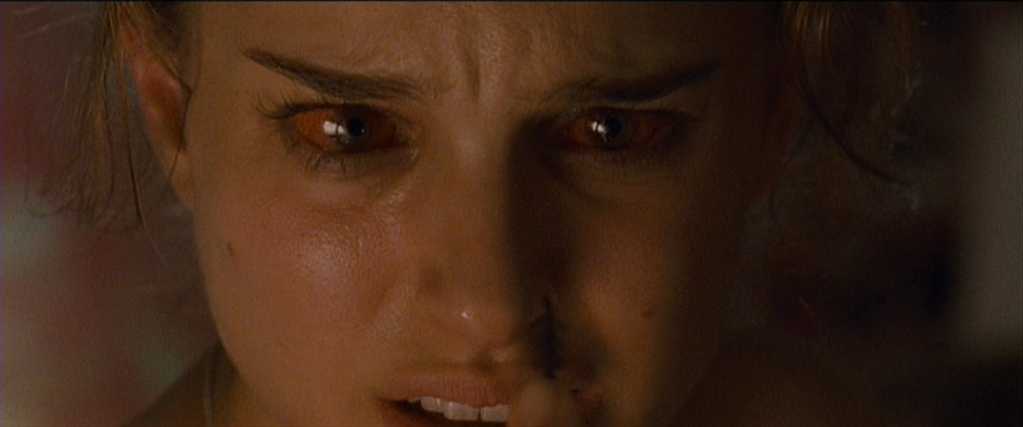
Black Swan shows how an internal antagonist can narrow choices the same way a villain does.
- Early: The pressure looks manageable, and Nina believes discipline will solve it.
- Middle: Doubt intensifies, and Nina stops trusting what she sees.
- Late: The need to be “perfect” demands a final, destructive choice.
Result: Nina’s options narrow until success and collapse become tied together.
Why This Matters for You as a Writer
The writer-side lesson is practical. Antagonists keep stories alive because they remove easy options and force commitment.
- They remove safe options.
- They force irreversible choices.
- They drive transformation through consequence.
When the antagonist changes what the protagonist must do next, your scenes stop feeling random and start feeling inevitable.
How to Write a Compelling Antagonist
A compelling antagonist is built through decisions, tactics, and consequence. The goal is not a “cool villain.” The goal is opposition that stays specific and escalates in a way the audience can track.
1) Give the Antagonist a Clear Goal
A clear goal is the foundation because it tells you what the antagonist does in each scene.
- Make it concrete: money, freedom, control, protection, recognition, survival.
- Make it active: the antagonist pursues the goal, not just reacts.
- Make it believable: the antagonist should have a reason they accept as true.
When you can state the antagonist’s goal in one sentence, it becomes easier to write consistent tactics.
2) Build Stakes That Matter to the Antagonist
Antagonists become flat when they have nothing real to lose. Stakes keep pressure honest.
- Personal stakes: identity, status, safety, freedom.
- External stakes: territory, power, influence, social order.
- Emotional stakes: pride, fear, grief, ideology.
When the antagonist’s stakes rise, the antagonist takes bigger risks, and the protagonist pays a higher cost.
3) Choose a Pressure Style (Tactics)
Pressure style is how the antagonist blocks the protagonist. Picking one dominant style keeps your conflict readable.
- Direct force: threats, violence, pursuit.
- Control: rules, surveillance, gatekeeping, bureaucracy.
- Deception: misinformation, framing, betrayal.
- Temptation: offers that compromise the protagonist’s values.
- Constraint: time limits, shortages, harsh environments.
If you want an easy planning move, map tactics to scenes. Ask, “What does the antagonist do here that blocks the goal?”
4) Escalate Through Consequences
Escalation works when each block creates a new cost. Repeating the same obstacle without a new consequence drains tension.
- Early: the antagonist tests limits and shows capability.
- Middle: the antagonist adapts, and the protagonist’s early plan stops working.
- Late: the antagonist forces a choice the protagonist cannot undo.
A clean escalation pattern is to remove options. Each act should leave fewer safe moves than the last.
5) Use Mirroring to Make Conflict Personal
Mirroring makes conflict feel personal because it connects the antagonist to the protagonist’s weakness, fear, or temptation.
- Shared skill: both are clever, both are leaders, both can read people.
- Shared desire: both want love, respect, freedom, or control.
- Value clash: they want the same thing, but they believe in opposite methods.
Mirroring works best when it creates choice pressure. The protagonist must decide what kind of person they will become.
Psychology of the Antagonist in Fiction
The psychology of the antagonist is not a diagnosis. It is the inner logic that explains what they believe, what they fear, and what they will do to win.
Belief: The Antagonist’s “True Story”
Most antagonists act from a belief they treat as reality. That belief becomes the engine behind tactics.
- Order belief: “People need control, or everything collapses.”
- Survival belief: “If I do not take it, someone else will.”
- Justice belief: “The world owes me, so I will take payment.”
- Purity belief: “Anything that threatens the system must be removed.”
Once you pick the belief, you can write consistent choices that feel motivated, even when they are harmful.
Fear: What the Antagonist Cannot Face
Fear is a strong driver because it makes the antagonist overreact, double down, or become reckless.
- Fear of weakness: they cannot tolerate looking powerless.
- Fear of loss: they cling to control because loss feels like death.
- Fear of chaos: they punish freedom because unpredictability terrifies them.
Fear becomes most useful when it explains a mistake. Antagonists should slip sometimes. Those slips make the conflict feel human.
Need: What They Are Really Chasing
Under the surface goal, many antagonists chase a deeper need like validation, identity, belonging, or safety.
This is where sympathetic antagonists often come from. You understand the need, and you reject the method.
Quick Antagonist Design Checklist
This checklist is a fast way to test whether your antagonist will do real work on the page.
- Goal: What does the antagonist want right now?
- Tactic: What is the antagonist’s main pressure style in this story?
- Cost: What does the protagonist lose each time the antagonist blocks them?
- Escalation: What changes in the antagonist’s approach after the midpoint?
- Collision: What final choice does the antagonist force at the climax?
If you can answer these clearly, your antagonist is likely to create consistent pressure and readable escalation.
Frequently Asked Questions
What is an antagonist in simple terms?
An antagonist is the character or force that opposes the protagonist and creates the central conflict that drives the story forward.
What is an example of an antagonist?
Lex Luthor to Superman, Sauron in The Lord of the Rings, or the shark in Jaws. An antagonist can also be a group, nature, or the hero’s own flaws.
What are the types of antagonist?
Human antagonists, group or institutional antagonists, non-human antagonists (an animal, monster, or nature), and internal antagonists, where the protagonist’s own fear or flaw is the obstacle.
What is the difference between an antagonist and a villain?
A villain is evil or malicious; an antagonist simply opposes the protagonist. All villains are antagonists, but an antagonist does not have to be evil.
What is the difference between an antagonist and an antihero?
An antagonist opposes the protagonist; an antihero is a protagonist who simply lacks traditional heroic qualities.
Summing Up
An antagonist is defined by story function. The antagonist is the opposing force that blocks the protagonist’s goal through sustained pressure.
When you design the antagonist through goal, tactics, stakes, and escalation, your story gains momentum because the protagonist must make harder choices with real costs.
The best antagonists also create clarity. They show what the protagonist values, what the protagonist fears, and what the protagonist will sacrifice to win.
Read Next: Want to write characters that feel real on the page?
Start with our Free Screenwriting Course — a complete foundation in structure, dialogue, and building compelling characters.
Then browse all character development articles — from internal conflict and arcs to ensemble design and protagonist logic.
Or return to the Screenwriting section for formatting, story structure, and writing tools.
