

Published: February 1, 2024 | Last Updated: July 2, 2026

Overview
Definition: A foil character is a character built to make a specific trait in another character easier to see, because they respond differently to the same story problem.
What you’ve seen before: You’ve seen this when a scene tells you who the lead is by placing them next to someone who chooses a different tactic under the same pressure.

Example: In Harry Potter and the Sorcerer’s Stone (2001, Warner Bros.), Draco Malfoy leans on status and superiority, which makes Harry’s loyalty and lack of interest in rank easier to read in the same school moments.
Why it matters: A foil helps you show character through choices instead of speeches. When two characters face the same kind of decision and answer it differently, the contrast becomes proof you can point to on screen.
- Key takeaway 1: Put the foil and the lead in the same problem so the contrast reads immediately.
- Key takeaway 2: Pick one trait to clarify, then test it through actions and dialogue in more than one scene.
- Key takeaway 3: Keep the foil’s “default answer” consistent so the comparison stays easy to track.
Next, you’ll see what a foil does, how it works on screen, how it overlaps with roles like antagonist or deuteragonist, and how you can write and analyze foils with evidence you can point to.
What is a foil character in film? Definition and meaning
A foil is part of characterization because film teaches you who a person is through repeated choices under pressure. A foil relationship makes that teaching faster. The story gives you two people in the same kind of situation, then shows two different answers through tactics, blocking, framing, and outcome. Film form supports this because repetition makes small differences easier to notice. A foil relationship can sit inside friendship, rivalry, romance, or hero-villain conflict, as long as the story keeps returning to the same kind of pressure test and shows two different answers.
What a Foil Character Does
A foil is a comparison tool. A foil works when the story puts two characters into the same kind of problem, then lets you compare what each one chooses to do.
- A foil sets up a side-by-side comparison. Similar situations make differences in values and tactics stand out.
- A foil targets a specific trait. The contrast usually focuses on a trait you can prove on screen, like patience, risk tolerance, honesty under pressure, or how someone treats people with less power.
- A foil repeats as a pattern. One contrast can be coincidence. A foil shows up again later in a similar situation, so you start to track it as design.
- A foil can be friendly or hostile. The foil might help, compete, tease, or block. The job stays the same.
- A foil lands best in choice moments. The cleanest contrast happens when both characters face a decision with a cost.
The Protagonist and the Foil
Foils are often built around the protagonist, because the foil helps you read the protagonist faster. The relationship works best when the foil has access to the protagonist’s problems, not just their personality.
- They share the same kind of pressure. The foil has to face similar stakes, even if the goal is different.
- They get real scene time together. A foil is hard to prove if the characters never meet, or only meet once.
- The contrast shows up in tactics. You see it in how they try to win, not in labels like “good” or “bad.”
- The foil does not need to drive the main conflict. The foil can be a friend, ally, rival, or a minor obstacle, as long as the comparison keeps repeating.
How a Foil Works on Screen
Film can build foils through writing, performance, staging, and editing. The camera makes comparison feel immediate when you create situations that echo each other, then show two different responses.
Parallel situations create a strong comparison
Parallel situations are repeated setups that let you compare two answers to the same type of problem. One scene can introduce the contrast, and a later scene can raise the stakes so the difference lands harder.
Film form supports this because repetition makes variations easier to notice. If you want a deeper breakdown of that idea, see our guide to film form.
Blocking and framing can carry the contrast
Blocking and framing can make the difference feel physical. One character can move closer and take space, while the other hangs back and protects distance. One character can stay still in a tight close-up, while the other paces and breaks eye contact in a wider shot.
Visual contrast works best when it matches the character’s decision style. A mismatch can make the foil feel unplanned.
Dialogue contrast works when it reflects tactics
Dialogue contrast works when each person speaks the way they try to win. One character bargains. Another threatens. One deflects with jokes. Another pushes blunt demands.
Shared “public” scenes like meetings, classrooms, interviews, and hearings are useful foil scenes because both characters want something right now, and you can watch two strategies collide in real time.
Why Foils Matter in Film and Screenwriting
Foils matter because film has limited time to explain people. A foil gives you character information while the scene still moves forward.
Foils make traits easier to read inside an active scene
Foils make traits easier to read because the scene gives you evidence. You do not need a speech about personality when you can watch a choice under pressure.

A simple example is Finding Nemo (2003, Pixar). Marlin hesitates and tries to control risk, while Dory swims forward and trusts strangers. The contrast teaches you who Marlin is while the plot keeps moving.
Foils can add pressure without driving the main conflict
Foils can apply pressure through comparison, even when they do not run the main conflict. The foil keeps pulling the lead toward a decision, and the lead keeps revealing a habit in response.
This often connects to a character arc, because repeated contrast can show what the lead needs to change, or what the lead refuses to change, across the story.
Foils can support theme through choices and outcomes
The theme is the story’s larger question, like “What do you owe other people?” or “What does power do to you?” Foils can support the theme because they show two different answers to the same question through action.

A good example is Black Panther (2018, Marvel Studios). T’Challa and Erik Killmonger respond to the same history with different solutions, and the film makes that difference readable through challenges, alliances, and final choices.
Foil Character vs Antagonist
These terms overlap, so it helps to separate them by job. Antagonist describes sustained opposition in the plot, and foil describes a comparison that helps you read traits.
An antagonist is the character or force that applies sustained opposition to the protagonist’s goal. A foil is a character who makes another character easier to read through repeated comparison in shared situations.
One character can be both. A villain can function as a foil when their pressure tests the hero’s values, and the hero’s choices become easier to judge because of that specific opposition.
Foil Character vs Deuteragonist
A foil and a deuteragonist can overlap, but they answer different questions.
- Foil character: a comparison role that helps you read another character’s traits through repeated contrast.
- Deuteragonist: a major secondary role with large story weight, often the second-most important character.
A character can be a foil and a deuteragonist at the same time. Story weight does not create a foil relationship on its own. Repeated comparison in shared situations creates it.
Foils in Literature and Shakespeare
The foil idea is older than film, and it comes from literary analysis. The term is often explained through the idea of “foil” in jewelry, where a backing helps a gem reflect light and stand out. Story foils work the same way through comparison.
Shakespeare foils often make the hero’s choices easier to see
Shakespeare uses foils to sharpen a central character’s hesitation, values, or moral line. The foil often acts faster or more confidently in a similar situation, which makes the hero’s approach easier to compare.
In Hamlet, Laertes and Fortinbras are often taught as foils because their certainty and willingness to act throws Hamlet’s delay into sharper relief. In Macbeth, Banquo can function as a foil because he faces similar temptations and prophecies, yet holds a different moral line.
Foil character examples in literature beyond Shakespeare
Foils show up in novels and short fiction for the same reason they show up in film. A second character can make the lead’s values easier to read when they face similar problems.
- Don Quixote and Sancho Panza (Don Quixote): Quixote chases ideals and fantasy, while Sancho stays practical and grounded, which makes Quixote’s mindset easier to judge scene by scene.
- Elizabeth Bennet and Charlotte Lucas (Pride and Prejudice): Elizabeth values personal respect and love, while Charlotte makes a practical choice about security, which puts Elizabeth’s priorities into sharper focus.
- Dr. Jekyll and Mr. Hyde (The Strange Case of Dr. Jekyll and Mr. Hyde): This is an internal foil, where two sides of one person show two answers to impulse, control, and consequence.
Examples of Foil Characters in Movies
These examples show different foil patterns. Each one works because the story returns to a similar kind of pressure test and shows two different answers.
The Joker as a foil to Batman
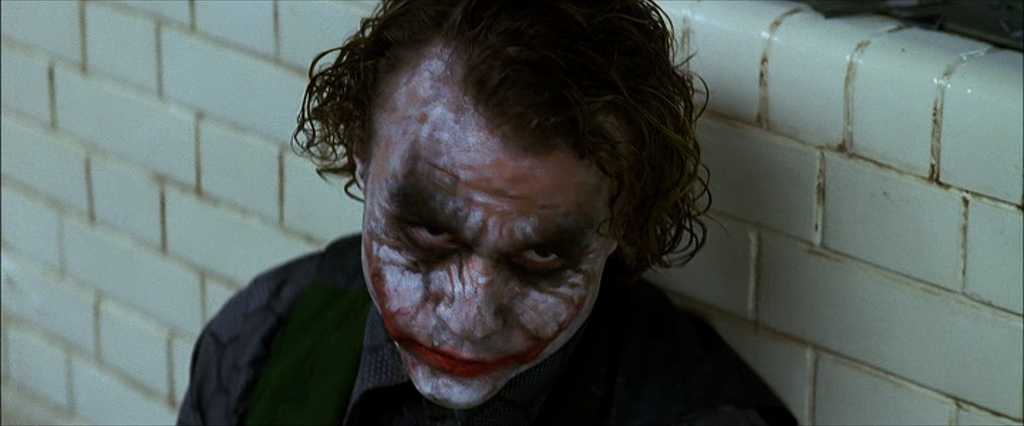
The Joker (Heath Ledger) works as a foil because his plans force Batman to reveal limits. The traps keep asking the same question in a harsher way, so Batman’s choices become the evidence.
Samwise Gamgee as a foil to Frodo Baggins

Frodo carries the Ring and bends under its pull. Sam keeps choosing loyalty and forward motion in the same moments of fear and doubt. The repeated difference makes Frodo’s vulnerability easier to read without extra explanation.
Hermione Granger as a foil inside a trio

Hermione often solves problems through rules, research, and preparation. Harry often moves fast on instinct when time feels tight. Ron often reacts from loyalty and emotion. Shared scenes make each decision style easier to compare.
Read about character arcs in Harry Potter.
You might wonder why both Hermione and Draco can be viewed as foils to Harry. A foil is not a permanent label. A character works as a foil when the story keeps putting them in similar pressure moments, and their different “answer” makes Harry easier to read.
- Draco is a rival foil. In shared school moments, Draco pushes status, superiority, and social dominance. That contrast makes Harry’s loyalty and lack of interest in rank easier to see.
- Hermione is a tactics foil. In many problems, Hermione leans on rules, research, and planning. When Harry moves faster on instinct once the moral line is clear, the difference in problem-solving style becomes obvious in the same scenes.
Quick test: If you can point to at least two scenes where they face the same kind of problem and choose different tactics, you can argue the foil relationship with evidence.
Tyler Durden as a foil to the Narrator

Tyler Durden (Brad Pitt) pushes risk, action, and rebellion. The narrator (Edward Norton) starts out cautious and trapped by routine. The foil works because the story keeps returning to the same frustrations and shows two different solutions.
Famous Protagonist and Foil Pairings in Film
These pairs are often talked about as foil setups because the film keeps putting them in the same kind of situation, then shows two different answers through choices and tactics.
- Woody and Buzz in Toy Story (1995, Pixar): leadership through control vs leadership through confidence.
- Mozart and Salieri in Amadeus (1984, Orion Pictures): effortless talent vs disciplined effort and envy.
- Neil McCauley and Vincent Hanna in Heat (1995, Warner Bros.): two driven professionals on opposite sides who mirror each other’s focus.
- Elle Woods and Vivian Kensington in Legally Blonde (2001, MGM): social assumptions vs earned competence in the same competitive space.
- Luke Skywalker and Han Solo in Star Wars (1977, Lucasfilm): idealism and faith vs skepticism and survival instinct.
- Daniel Plainview and Eli Sunday in There Will Be Blood (2007, Paramount Vantage): hunger for power through business vs power through religion.
Foil Character Examples in Television
TV is a strong place for foils because episodes repeat similar pressures over time. You keep seeing the same kind of problem, and the contrast keeps paying off.
Homer Simpson and Ned Flanders
In The Simpsons (1989–, Gracie Films), Ned Flanders often works as a foil to Homer. Homer reacts with impulse and selfish shortcuts, while Flanders reacts with patience, rules, and community-minded behavior. When the show puts them into the same neighborhood problems, Homer’s habits stand out faster because you have a second “answer” in the same scene.
Other TV pairings that are often read as foil setups include:
- Walter White and Jesse Pinkman in Breaking Bad (2008–2013, High Bridge Productions): control and justification vs emotion and regret under the same criminal pressure.
- Michael Scott and Dwight Schrute in The Office (US) (2005–2013, NBCUniversal Television): attention-seeking leadership vs strict loyalty and rule-following in the same workplace moments.
- Aang and Zuko in Avatar: The Last Airbender (2005–2008, Nickelodeon Animation Studio): two responses to duty, identity, and change across repeated tests.
How to Write a Foil Character for a Screenplay
Foil writing starts with a simple goal. You pick what you want the viewer to notice about your lead, then you build a repeated comparison that proves it through scenes.
- Pick the trait you want to clarify. Choose something you can prove on screen, like risk tolerance, honesty under pressure, or compassion under stress.
- Choose a situation where that trait matters. A foil works best when the scene forces a decision with a cost, like safety, reputation, time, or loyalty.
- Design the foil’s default answer. Decide how the foil tends to solve the same problem. Aim for a strong alternative that stays consistent.
- Put them in shared scenes early. Let the comparison land before the plot becomes complex.
- Repeat the comparison with escalation. Bring them back into a similar choice later with higher stakes so the difference lands harder.
- Give the foil a real motive. A foil works better when the foil has their own logic and wants, even if the story stays focused on the lead.
A quick outline test that keeps foils tight
Pick two scenes where the foil relationship shows up. Write one sentence that describes the lead’s tactic in each scene, then write one sentence that describes the foil’s tactic. The foil is not doing its job yet if those tactics sound the same. The foil is taking too much space if the foil keeps winning the scene objective and starts driving every beat.
A short checklist for a more compelling foil
- Give the foil a goal in every shared scene. The foil should want something specific, not just “be different.”
- Let the foil be right sometimes. If the foil always loses, the comparison stops feeling real.
- Make the contrast show up in behavior. Do not rely on traits like “smart” or “brave.” Show tactics like stalling, pushing, lying, confessing, or taking a risk.
- Keep the foil’s logic consistent. You can surprise the viewer, but the foil’s choices should still make sense for that person.
How to Analyze Foils in Film
Foil analysis works best when you treat the film like evidence. A foil claim needs repeated contrasts you can point to, not one clever comparison.
- Which trait becomes easier to read because of the pairing? Name the trait in concrete terms, then point to at least two scenes that prove it.
- What is the shared pressure test? Identify the type of situation both characters face, like fear, temptation, public status, or loyalty.
- How does each character try to win? Track tactics you can see and hear, like bargaining, threatening, hiding, or confronting.
- Does the contrast repeat with escalation? Look for a later scene that intensifies the same kind of choice.
- What does the relationship suggest about theme? Connect the contrast to the story’s larger question, then support it with outcomes and consequences.
Character analysis becomes easier to write when you use characterization language. Point to what a character says, does, and chooses under pressure, then explain how the film repeats that pattern.
Common Misunderstandings and Limits
Foils are easy to overuse as a label. Function keeps the idea tight. A foil relationship exists when a repeated comparison makes a trait easier to see.
- “Any rival is a foil.” Rivalry can create foil moments, but a foil needs repeated comparison that helps you read traits.
- “A foil must be opposite in every way.” Most foils contrast on a few key traits and still share many goals or values.
- “One scene proves a foil.” One contrast can be a gag or coincidence. Repetition turns it into a readable pattern.
- “Foil equals theme.” Foils can support theme, but theme still needs outcomes. Choices must matter in the plot.
Frequently Asked Questions
What is a foil character in simple terms?
A foil is a character who contrasts with another, usually the protagonist, in order to highlight that character’s qualities.
What is an example of a foil character?
Draco Malfoy to Harry Potter, or Dr. Watson to Sherlock Holmes.
What is the difference between a foil and an antagonist?
An antagonist opposes the protagonist, while a foil contrasts with them. The two roles can overlap, but they do not have to.
Can the protagonist be a foil?
Yes. Any character can serve as a foil to another, since the term describes a contrast rather than a fixed role like protagonist.
Where does the term foil come from?
From the old practice of placing foil, a thin shiny metal, behind a gem to make it shine brighter, mirroring how a foil character makes another stand out.
Summing Up
A foil character is a character designed to clarify another character through repeated comparison in shared situations. Film makes foils work through choices, tactics, staging, and outcomes that you can point to as evidence. When you build the relationship on purpose, you can show traits faster, keep scenes active, and support theme through two different answers to the same kind of pressure test.
Read Next: Want to write characters that feel real on the page?
Start with our Free Screenwriting Course — a complete foundation in structure, dialogue, and building compelling characters.
Then browse all character development articles — from internal conflict and arcs to ensemble design and protagonist logic.
Or return to the Screenwriting section for formatting, story structure, and writing tools.
Suggested Reading
These resources cover the core literary definition of a foil and the common explanation of the term’s origin.
- Baldick, C. (2015). The Oxford Dictionary of Literary Terms (4th ed.). Oxford University Press.
- Ward, M., & Fradkin, R. (2022, March 22). “What is a foil?” Oregon State Guide to English Literary Terms. Oregon State University.
