

Published: February 1, 2024 | Last Updated: July 2, 2026

Overview
Definition: Hamartia is the specific error or blind spot that pushes a protagonist into choices that flip their situation toward loss.
What you’ve seen before: You’ve seen this when a character has a real moment to stop, listen, or back down, but they double down instead. That decision starts the fall.
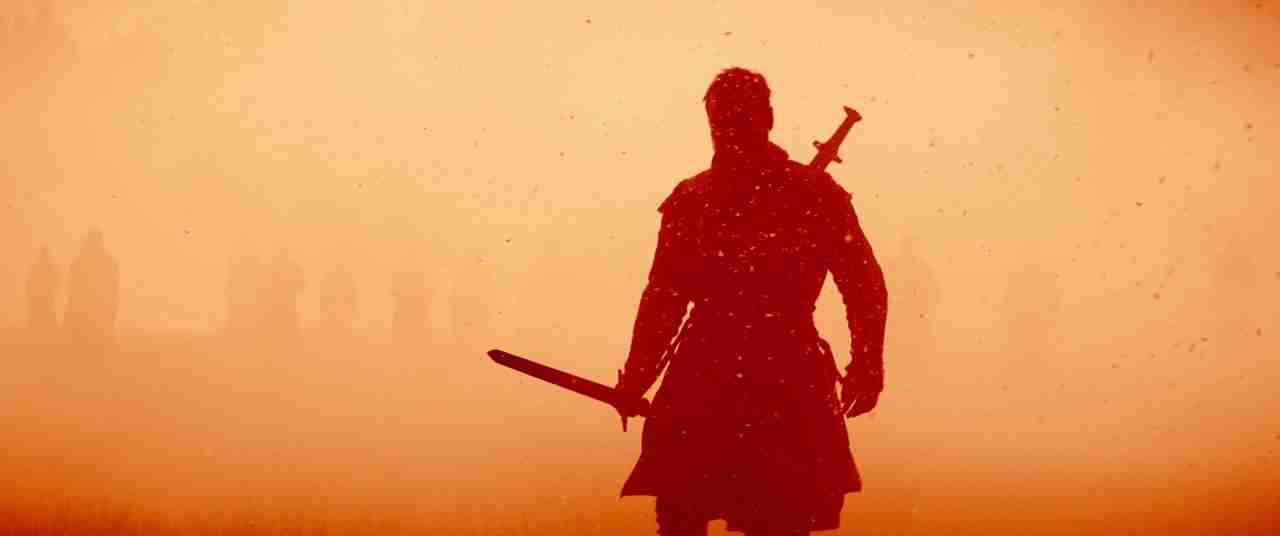
Example: In Macbeth (2015, StudioCanal), Macbeth’s ambition and need to control his future drives him to murder King Duncan and seize the throne. That first choice triggers cover-ups, paranoia, and harsher decisions that keep narrowing his options.
Why it matters: Hamartia helps you write a downfall that feels earned because the turning points come from the character’s decisions. It also helps you diagnose drafts: the 4-Proof Hamartia Test (below) lets you check whether the ending grows from earlier choices or arrives out of nowhere.
- Key takeaway 1: Tie the fall to one specific mistake pattern, so the turning points read fast.
- Key takeaway 2: Give the character a believable off-ramp, then make them refuse it for a scene-based reason.
- Key takeaway 3: Plant smaller versions of the same mistake earlier, so the big turning point feels set up.
Next, we will place hamartia in its original context, then turn it into a practical tool you can apply to plot, conflict, and character arc.
Fast on-screen test: If you can point to at least two major decisions where the same blind spot repeats under pressure, and each decision raises the cost, you can probably defend a hamartia reading.
Why hamartia matters in film analysis and screenwriting
Hamartia matters because it gives you a way to explain cause and effect in a downfall story without vague labels. You can show what the protagonist did, why it made sense to them in the moment, and what that choice broke in the story.
Hamartia also helps with screenwriting notes. When you can name the repeating mistake, you can test whether your plot is running on decisions or on coincidence. You can also check whether the ending pays off the same pattern you set up earlier.
Hamartia in Greek tragedy and Aristotle
The term comes from Greek tragedy. Aristotle, an ancient Greek philosopher who wrote Poetics around the 4th century BCE, uses the idea to explain why a tragic plot feels coherent instead of random.
What Aristotle points to in a tragic plot
In our guide to Aristotle’s Poetics, the key craft takeaway is simple: the fall should connect to what the central character does. The protagonist is not pure innocence, and the protagonist is not pure villainy either. The story turns because the character makes an error under pressure.
In film terms, you often see this error hit hardest at major turning points. A choice triggers a reversal, which often lines up with peripeteia. A later beat can bring recognition, where the character finally understands what they caused, and the ending lands with catharsis because the chain feels earned.
Why people debate the meaning
Some readings treat hamartia as a moral defect. Other readings treat it as an error that can come from ignorance, limited information, or misjudgment. You do not need to settle the debate to use the term well, but you do need to stay consistent about what you mean.
A practical rule works in most film analysis: use hamartia only when you can prove it in scenes through decisions and consequences. If you cannot point to decision points that drive the causal chain, the label becomes guesswork.
Hamartia etymology
Hamartia comes from Ancient Greek and is linked to the verb hamartanein, which means “to err” or “to miss the mark.” In story terms, the “miss” is not a tiny flaw you list on a character sheet. It is the moment where the character aims at a goal, chooses the wrong method, and sets a chain reaction in motion.
Hamartia vs. tragic flaw
People often use “hamartia” as a synonym for “tragic flaw.” That shortcut can work, but it often turns the concept into a personality label.
Hamartia stays more useful when you treat it as a scene-provable engine. You name the trigger, you name the choice, and you name the consequence. That keeps your analysis grounded in action, and it keeps your writing grounded in conflict.
How hamartia creates conflict and drives plot
Hamartia creates story pressure because it turns an internal weakness into external damage. The protagonist reaches for the same solution under stress, and that solution keeps making the situation worse.
You can map that engine onto basic structure:
- Setup: You meet the protagonist’s normal method for staying safe, staying respected, or staying in control. If you want a structure framework, see three-act structure.
- Trigger: The story hits the character with a problem they cannot solve with their usual method. That pressure often arrives around an inciting incident.
- Decision loop: The protagonist repeats the same mistake under rising stakes. Each repetition removes options and raises the cost.
- Peak decision: The conflict reaches maximum pressure at the climax, where the protagonist acts and the outcome locks in.
- Aftermath: The story shows the consequences settling into a new normal during the denouement.
The 4-Proof Hamartia Test: How to Identify Hamartia on Screen
The 4-Proof Hamartia Test is a framework for identifying whether a character’s downfall is driven by hamartia. It checks for four specific patterns: decision proof, pattern proof, alternative proof, and cost proof. If all four are present, the character’s fall is rooted in hamartia rather than external forces. Hamartia is easiest to spot when you stop thinking in traits and start thinking in decisions. One bad moment is not enough. You want a repeating pattern that compounds.
- Decision proof: Can you name at least two major decisions that push the plot toward the fall?
- Pattern proof: Do those decisions share one repeatable mistake under the same kind of pressure?
- Alternative proof: Does the story show believable off-ramps that the protagonist refuses, ignores, or cannot see?
- Cost proof: Does each repetition raise the cost and narrow the protagonist’s options?
If you mostly answer “yes,” hamartia is a good fit. If you mostly answer “no,” the story may still be tragic, but the engine may be external forces, systems, or accident.
Examples of hamartia in literature and film
Examples help because the term gets stretched too far online. A usable example shows a decision pattern you can track. The point is to explain how a human mistake becomes a chain of consequences.
Oedipus the King (performed sometime between 430 and 426 BCE, Sophocles)
Sophocles, a major Athenian playwright from the 5th century BCE, builds the fall around Oedipus’s drive to force the truth out of everyone around him. Oedipus wants to save the city, but under pressure he trusts his own judgment and keeps pushing even when warned to stop. Each step feels motivated, and each step tightens the chain that ends in recognition and collapse.
The Great Gatsby (2013, Warner Bros.)
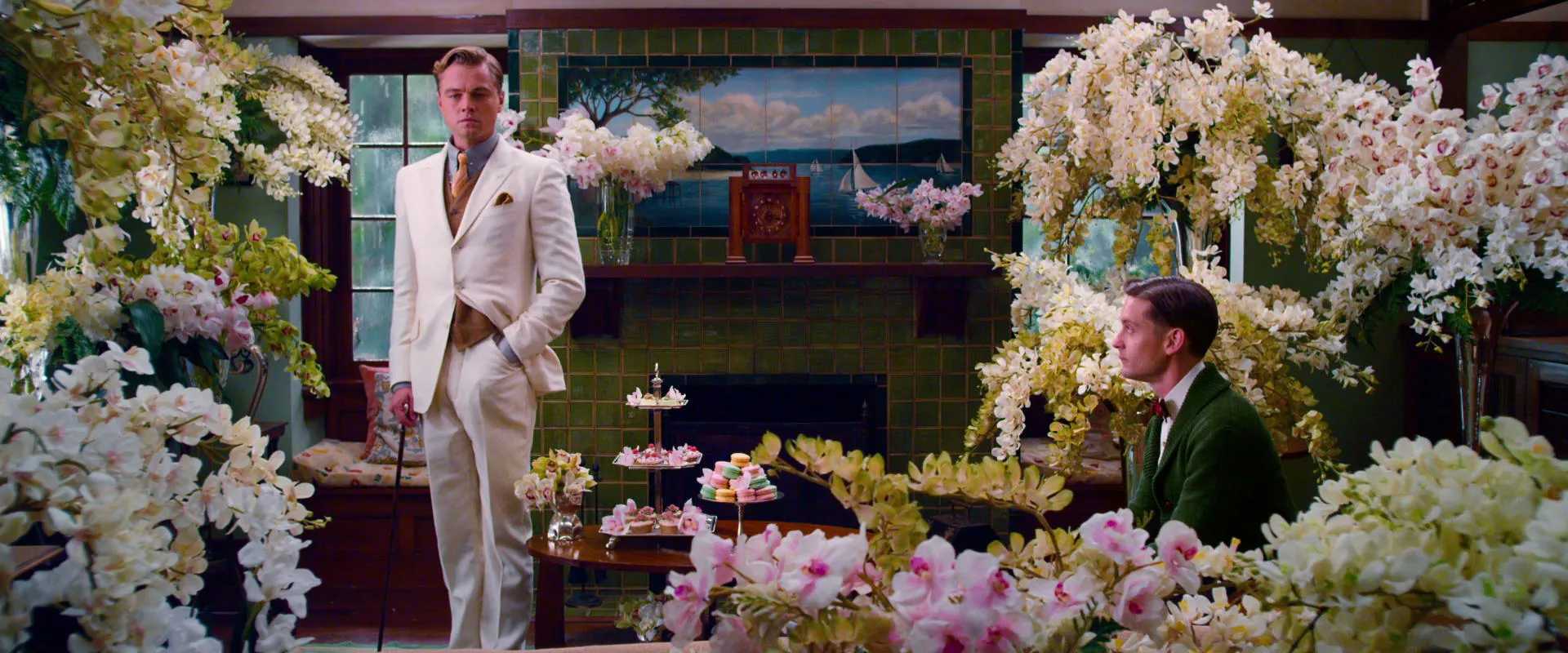
Gatsby’s hamartia is not “romantic” in the abstract. It shows up as repeated choices: he stages his identity, ignores warning signs, and keeps pushing toward a version of Daisy that reality cannot sustain. The fall comes from that refusal to adjust.
Citizen Kane (1941, RKO)
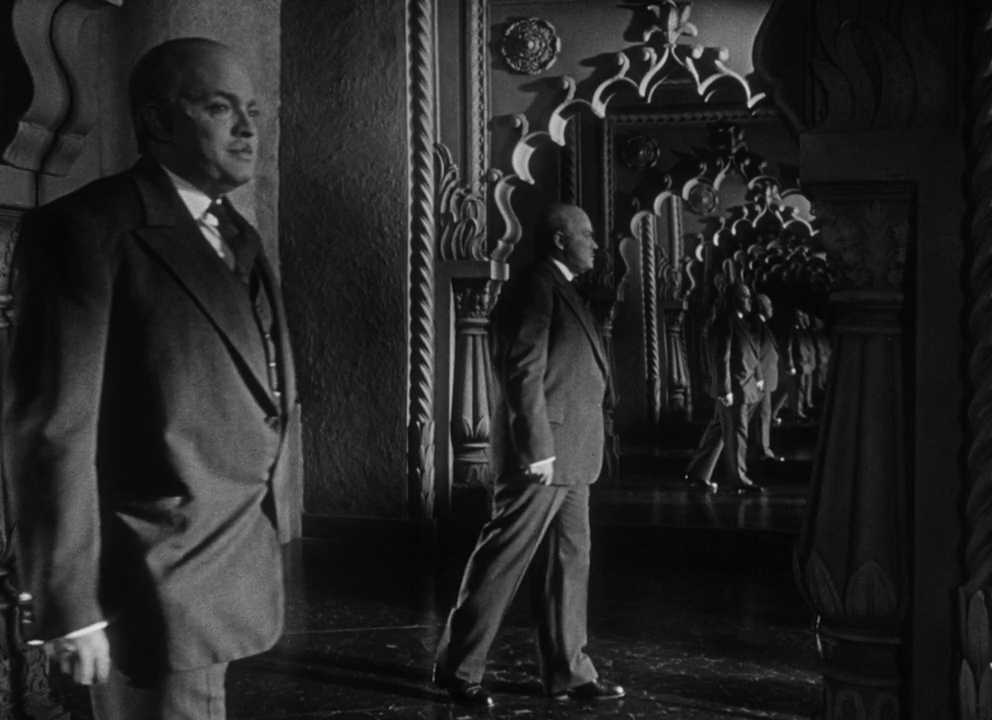
Charles Foster Kane builds influence and talks about a public mission, but he keeps trying to control people around him. When relationships resist that control, he responds with pressure instead of vulnerability. The pattern costs him intimacy, trust, and stability, until isolation becomes the end state of the same repeating choice.
Black Swan (2010, Fox Searchlight)
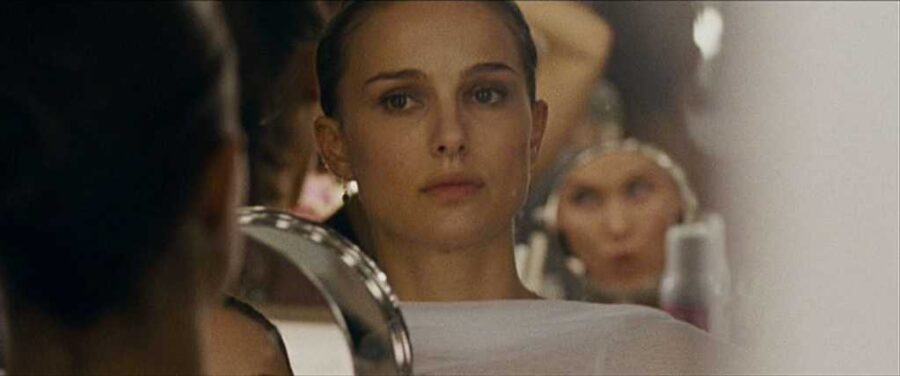
Nina’s hamartia shows up as repeatable decisions under stress. She keeps choosing stricter control to solve fear and uncertainty. The story keeps proving that the same response creates more damage, and the cost escalates.
How to write hamartia in a screenplay
Hamartia works best when you build it early, because it needs proof scenes. You are designing a mistake pattern, and you are designing the moments where it costs something.
- Name the value the protagonist protects most (control, loyalty, status, love, freedom, safety).
- Name the blind spot that value creates (what they refuse to admit, see, or do).
- Choose a pressure trigger that hits the blind spot reliably (humiliation, abandonment, loss of control, temptation, threat).
- Write two to three proof scenes where the protagonist repeats the same kind of mistake under rising stakes.
- Build the turning point so it grows from the proof scenes, with a consequence that does not reset easily.
- Plan recognition as a moment of understanding that arrives after the main damage is already done.
When you revise, run a simple test: if you cut one proof scene, the ending should weaken. If the ending stays the same, hamartia is not driving the plot yet.
Common misunderstandings and limits
Hamartia can sharpen a tragedy reading, but it can also distort stories that run on different engines. These mistakes show up a lot in essays and notes.
- “Hamartia equals any flaw”: A trait becomes hamartia only when it drives major plot turns through decisions and consequences.
- “Hamartia equals bad luck”: Chance can exist in tragedy, but hamartia points to a mistake the protagonist makes and repeats.
- “Hamartia must be a moral vice”: Some tragedies frame the failing as vice. Other readings treat it as error, ignorance, or misjudgment.
- “Every serious film has hamartia”: Some films focus on survival, systems, or external oppression. In those stories, a hamartia label can misread what the film is doing.
If you want to stay precise, use the term only when you can prove it on screen. When the proof is not there, describe what drives the downfall without forcing the label.
Frequently Asked Questions
What is hamartia in simple terms?
Hamartia is the flaw, error, or misjudgment in a tragic hero that leads to their downfall.
What is an example of hamartia?
Oedipus’s stubborn pursuit of a truth that destroys him, or Macbeth’s unchecked ambition.
What is the difference between hamartia and a tragic flaw?
They overlap, but hamartia can also mean a mistake or error in judgment, not only a fixed character flaw.
Where does the term hamartia come from?
From Aristotle’s Poetics, where it describes the error that brings about a tragic hero’s reversal of fortune.
What is the difference between hamartia and hubris?
Hubris, or excessive pride, is one common form of hamartia, but hamartia is the broader term for any fatal flaw or error.
Summing Up
Hamartia is the specific error or blind spot that drives a protagonist into decisions that cause their downfall. It works best as a scene-provable pattern, so you can track it through choices, turning points, and compounding costs. When you write it, design proof scenes that repeat the mistake under pressure. When you analyze it, use the term only when the story gives you decision-based cause and effect.
Read Next: Want to dig deeper into screenwriting?
Start with the Screenwriter’s Toolkit on literary devices vs. elements – a deep resource covering every major literary device and element used in writing.
Then explore our collection of practical writing techniques covering dialogue, structure, and pacing.
Or jump into the free screenwriting course to start your first draft today.
You can also head back to the Screenwriting section for more tools, theory, and breakdowns.
Sources
- Aristotle, Poetics (Perseus Digital Library)
- What Is Aristotle’s Poetics? Key Concepts Explained
- Encyclopaedia Britannica: “Hamartia”
- Oxford Reference: “Hamartia”
- Merriam-Webster: “Hamartia”
- Etymonline: “Hamartia”
- Hilde Vinje, “The Beauty of Failure: Hamartia in Aristotle’s Poetics,” The Classical Quarterly (2021)
- I. Hyde, “The Tragic Flaw: Is It a Tragic Error?” Classical Philology (1963)
