

Published: January 19, 2026

What is an action movie? Definition & Meaning
An action movie is a film where repeated plot turning points happen through physical conflict under immediate danger (chases, fights, escapes, rescues, stunts), and where the main story forces visible, high-risk choices; it is not a label for any film that includes violence or a single large set piece, and it should not replace the genre that drives most scenes, such as horror (fear), thriller (uncertainty), comedy (jokes), or mystery (investigation).
Why the action genre matters in film work
Genre is not only a marketing tag. Genre is a shared set of expectations that affects writing, directing, editing, and safety planning, including rehearsal time, stunt coordination, and coverage design. When you call a project “action,” you promise frequent set-piece turns, readable geography, and physical obstacles that change the plot.
That promise changes what you shoot and how you cut it because you need orientation shots, consistent screen direction, and coverage that preserves cause and effect. FilmDaft has separate guides on what genre means and how genre conventions work, which are useful when you test whether “action” is really the right label.
What actually defines an action movie
Action has a clear surface feature: physical conflict under threat. The deeper feature is that this conflict delivers the story’s major reversals. You can spot action by asking what changes the character’s situation and how that change appears on screen.
Physical conflict drives the plot beats
In action, physical conflict is not decoration. Physical conflict is how the film shows big decisions and reversals. In an action-led film, if you remove the set-piece turns and replace them with talk-only scenes, the story often shifts into a different genre.
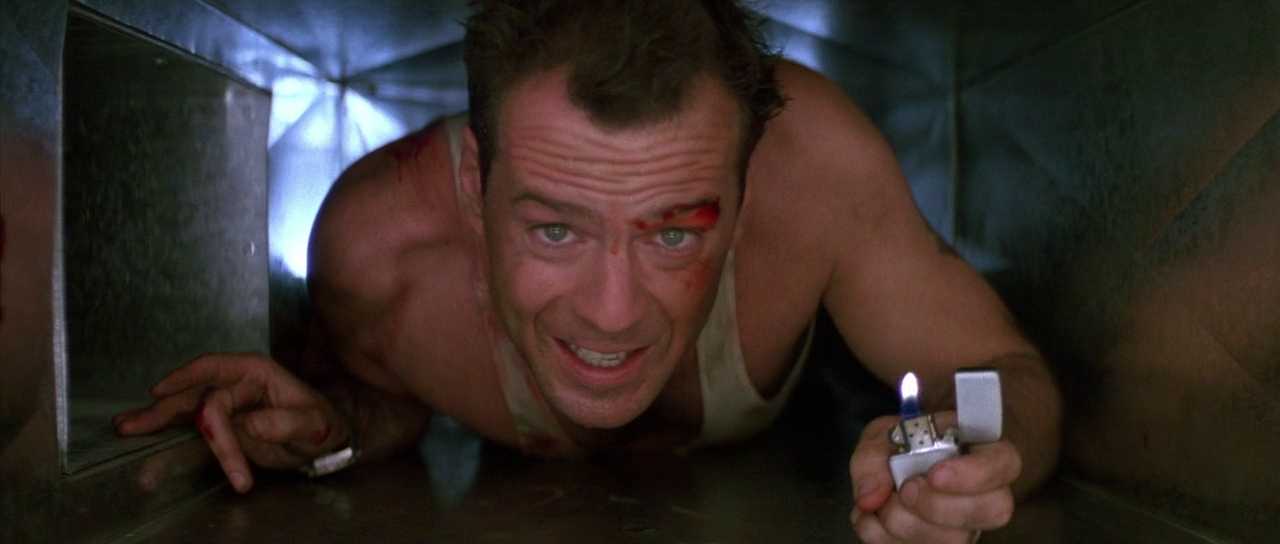
A good example is Die Hard (1988, 20th Century Fox). John McClane’s progress depends on moving through vents, improvising weapons, surviving firefights, and making choices under pressure. Each action beat changes control of the building and forces riskier decisions.
Set pieces have goals, obstacles, and consequences
A set piece is a sequence with a clear objective and a clear threat. It works when you can track who wants what, what blocks them, and what happens if they fail. Each set piece should change location, resources, or control.
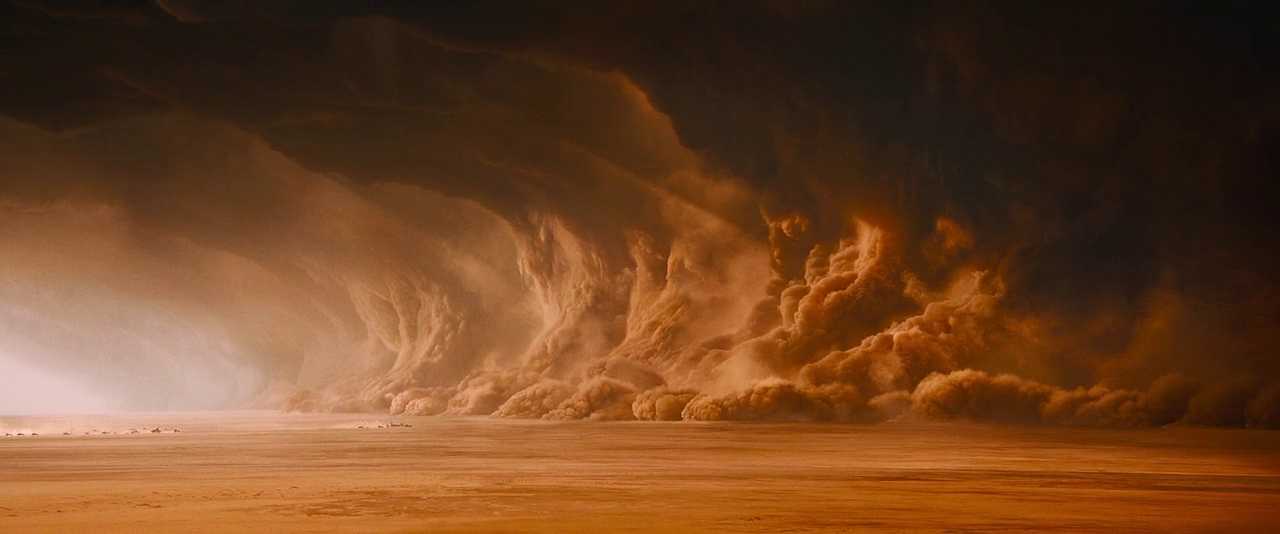
In Mad Max: Fury Road (2015, Warner Bros.), each chase segment shifts the immediate goal, from escaping to defending the rig to surviving a new attack angle. Vehicles, weapons, and injuries carry forward, so consequences remain visible.
Rhythm and escalation are part of the writing
Action often runs on a cycle: setup, contact, consequence, then a new obstacle. Escalation usually comes from shrinking options, raising risk, or tightening time. If escalation stalls, tension plateaus because beats repeat without new consequences.
This connects directly to structure. In three-act structure, action beats often carry act breaks and midpoints because they force irreversible choices. Story mountain shows the same idea through rising and falling action.
Spatial clarity and screen direction
Action depends on readable space. If you cannot track positions, movement, and cause and effect, the sequence becomes confusing because you lose where exits are, who has the advantage, and what the objective is.
Tools like the axis of action, screen direction, and the 180-degree rule keep movement consistent, which protects clarity in fights and chases.
External conflict with internal pressure
Most action stories focus on external conflict, and many add internal pressure so the action carries a real choice. Fear, pride, guilt, or duty often define what the character will risk and what they refuse to do.
FilmDaft’s guide to types of conflict helps you separate the physical problem from the personal pressure, which is useful when a sequence has movement but no clear consequence.
Action vs. action-adjacent labels
Action overlaps with other genres, so classification depends on what drives most scenes. Using the wrong label can distort pacing expectations and undercut planning for stunts, vehicles, and safety.
Action vs. thriller
Thrillers tend to rely on uncertainty and withheld information. Action relies on visible confrontation and immediate danger. A thriller can include action scenes, but its tension usually comes from what you do not know yet.

The Bourne Identity (2002, Universal) blends both. The identity mystery stays active while chases and fights deliver major plot turns.
Action vs. adventure
Adventure emphasizes travel, discovery, and tests in new environments. Action emphasizes sustained confrontation under pressure. Many films use both.
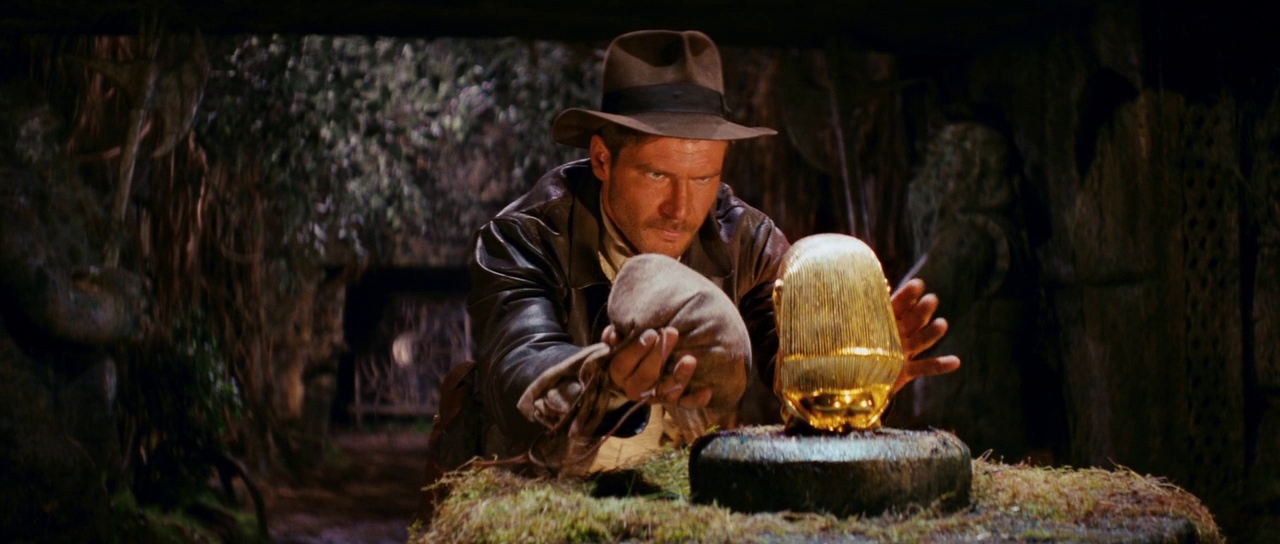
Raiders of the Lost Ark (1981, Paramount) balances action set pieces with exploration and puzzles, which supports an action-adventure label.
Action vs. superhero and sci-fi
Superhero and sci-fi usually define a premise and world rules. Action describes how turning points are delivered. A superhero film can lean toward action, comedy, or drama depending on how its set pieces function.
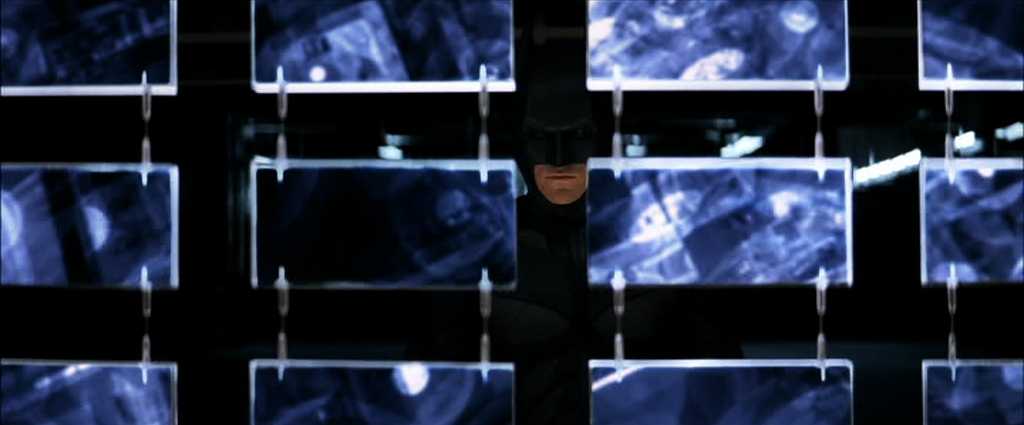
The Dark Knight (2008, Warner Bros.) includes action, but many scenes follow crime-thriller logic built on investigation and escalation.
Subgenres and hybrids
Most real projects are hybrids because writers mix genre conventions to lock in tone or broaden appeal. Problems appear when control over what drives most scenes is lost.
Action-comedy
Action-comedy combines real danger with comedic reversals. The action beat still has stakes, but the outcome lands as a joke.
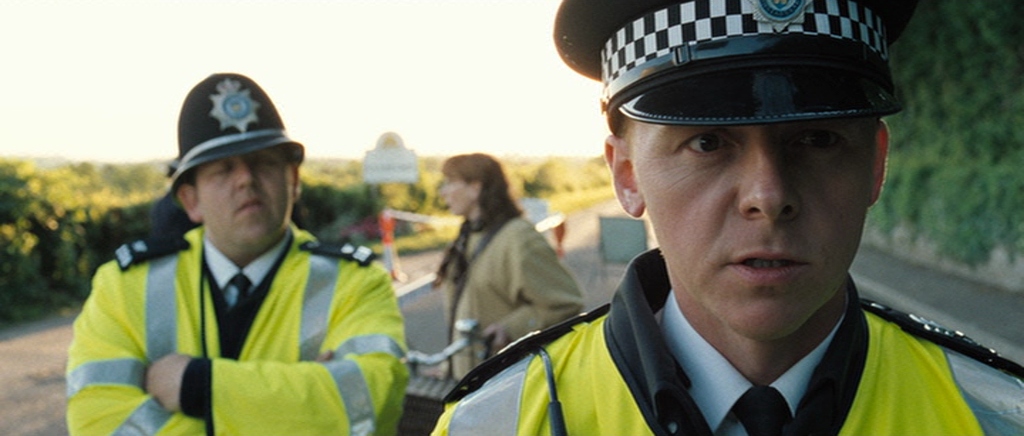
Hot Fuzz (2007, Universal) postpones large-scale action by framing ordinary police work with the visual language of action cinema, using tight blocking, clear screen direction, and exaggerated buildup. When gunfights and chases finally appear, the film keeps geography clean and movement readable, which lets the jokes come from contrast and timing rather than confusion.
Martial arts action
Martial arts action emphasizes choreography, timing, and full-body movement. Coverage choices matter because excessive cutting can hide a performer’s skill.
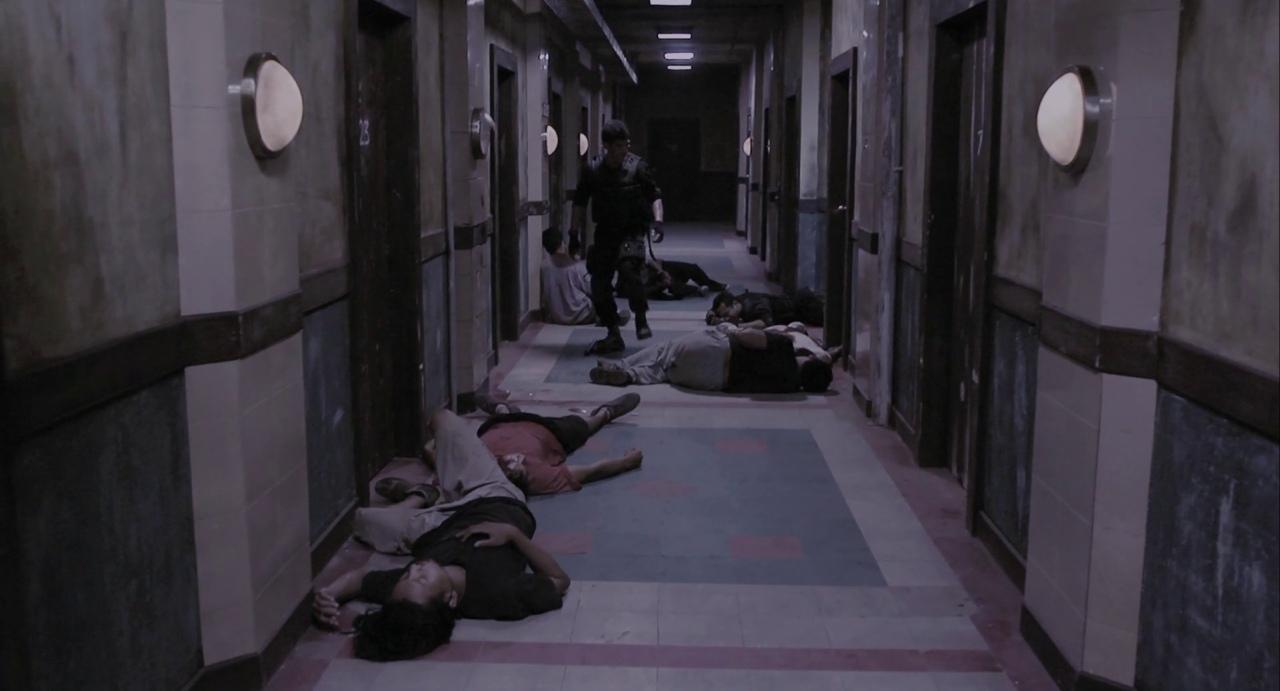
The Raid (2011, Sony Pictures Classics) advances the story floor by floor through close-quarters fights, where each victory or injury changes the next confrontation.
You might like this article on some of the best fight scenes in movie history.
Action-horror and action-thriller
These hybrids balance fear-based tension with capability-based tension. If capability dominates, fear fades. If vulnerability dominates, action stalls.
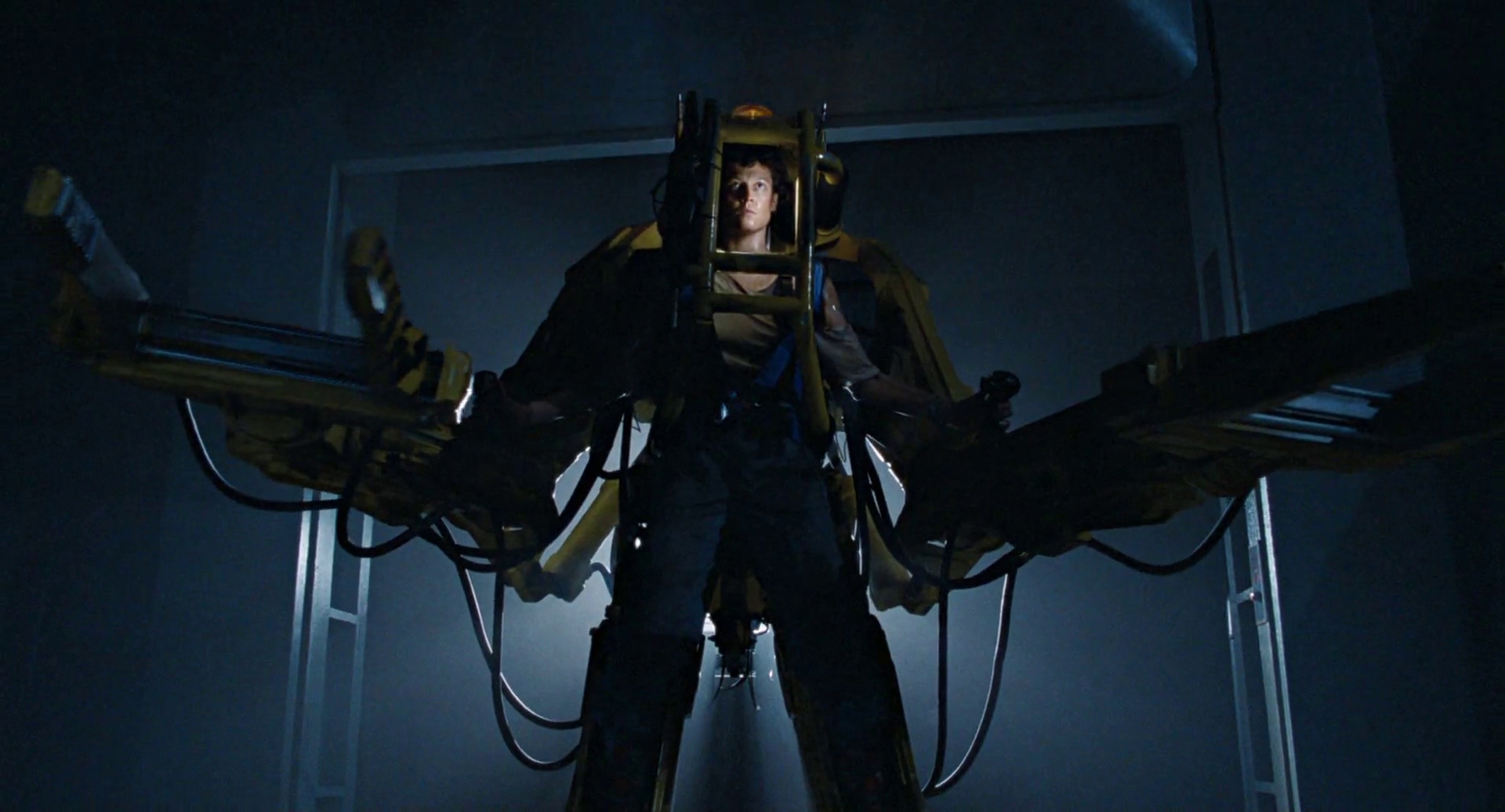
Aliens (1986, 20th Century Fox) keeps the threat high through limited control of space, surprise attacks, and equipment failure, even as action beats deliver plot turns.
How to write action so it works on screen
Action writing works when you design filmable problems, not when you list movement. Clear objectives, spaces, and consequences are what make a sequence stageable and editable.
Build every sequence around a visible objective
A strong action beat answers a simple question: what does the character need right now? Escape a room, protect a person, reach a vehicle. Clear objectives let you track progress beat by beat.
If you cannot state the objective in one sentence, the sequence often becomes movement without a clear goal.
Use constraints you can actually film
Constraints such as tight spaces, injuries, limited time, or broken gear create tension and help production by focusing coverage and reducing expensive options.
If your plan depends on complex stunts or heavy visual effects, include a safer backup version that can play through angles, props, and sound.
Plan coverage for clarity first
Speed and chaos still require orientation. Tools like the axis of action and the 180-degree rule prevent broken geography. FilmDaft’s shooting techniques section helps when planning continuity-friendly coverage.
A practical drafting checklist
Use this checklist to test whether a sequence will play as action on screen. Revise the design if any step fails.
- State the objective and the consequence of failure.
- List unavoidable obstacles and identify the beat that forces a new plan.
- Define the space and mark start and end positions.
- Decide what changes at the end and make it visible.
- Connect beats with a clear cause-and-effect chain.
How action changes production decisions
Action adds planning needs that are easy to underestimate, including rehearsal time, safety coordination, reset time, and continuity protection.
Stunts and safety
Falls, hits, vehicles, fire, and weapons require trained performers and a stunt coordinator when stunts are involved. Even small action scenes need a safety-first approach.
Continuity and editing
Action is where continuity errors become obvious. Shifting hand positions, flipped screen direction, or inconsistent damage pulls attention toward mistakes.
FilmDaft’s guide to continuity explains the issues that most often break during complex coverage.
Sound and rhythm
Action reads through rhythm, meaning how quickly information is revealed and how impacts are spaced. Sound design sells weight, distance, and speed, while editing controls clarity.
AI tools and genre judgment
AI tools can help with planning and analysis, but they often output generic genre labels unless you force them to justify those labels with scene-based evidence.
If you use AI to brainstorm, test its output against actual turning points, not taglines. FilmDaft’s AI in filmmaking overview and the AI filmmaking section explain how to keep human judgment in control.
Summing Up
An action movie is defined by sustained physical conflict that delivers major plot turns through visible action beats under high stakes. Action plays cleanly when set pieces have clear objectives, readable space, and consequences that change the situation. Many films blend action with other genres, so classification depends on what drives most scenes. In practice, the action label affects writing, coverage, editing rhythm, sound design, scheduling, continuity, and safety planning, which is why choosing it carefully matters.
Read Next: Curious how visual styles define film genres?
Explore our breakdown of Genre & Visual Style to see how movements like naturalism, noir, and surrealism shape what we watch.
Looking for the big picture? Visit our Film History, Theory & Genre page to connect techniques with the eras and ideas that shaped them.
