

Published: October 8, 2025 | Last Updated: July 3, 2026

What is A story mountain? Definition & Meaning
A story mountain is a visual structure that shows how a narrative builds tension and then releases it by dividing the plot into five key stages: exposition, rising action, climax, falling action, and resolution.
The mountain shape helps you see how a story rises to a peak, then descends toward an ending. You can use it for planning or analyzing novels, short stories, and films.
The Five Parts of a Story Mountain. Case Study: Spider‑Man: Into the Spider-Verse (2018, Sony)

The story mountain breaks a narrative into five simple steps. It is a simplified, classroom-friendly version of Freytag’s Pyramid, devised by the German writer Gustav Freytag in 1863. Each step raises or lowers tension, helping you control rhythm, character movement, and plot direction. Here’s how each one works, with film examples for clarity.
1. Exposition (Opening)
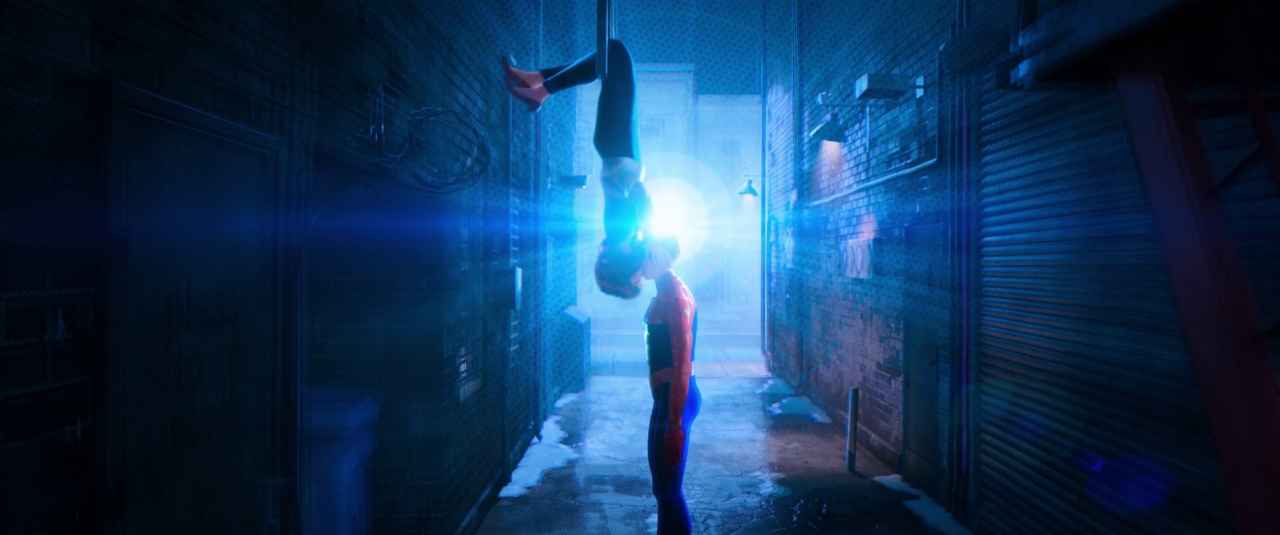
Also called the introduction or setup, the exposition is where you introduce the characters, setting, tone, and central premise. It gives your audience the context they need before tension begins to rise.
Example: In Into the Spider-Verse, we meet Miles Morales, see his home life, and learn he’s adjusting to a new school. The tone blends realism with comic-book energy, and hints of another Spider-Man set up the coming shift.
2. Rising Action (Conflict Builds)
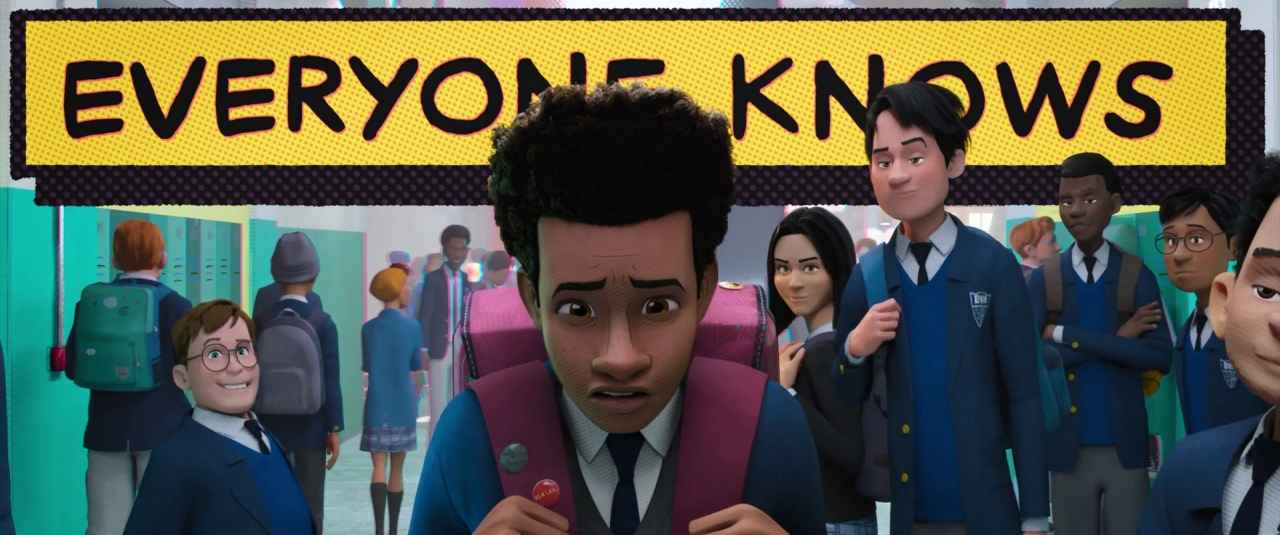
The rising action section includes the inciting incident (which starts the rising action) and a series of complications. The stakes rise as characters face challenges. Each event should push the story toward the climax.
Example: In Spider‑Man: Into the Spider-Verse (2018, Sony), Miles discovers his powers and meets alternate Spider-people. As the pressure mounts, he faces self-doubt, betrayal, and the fear of not being ready. Each event forces him to grow into his own version of Spider-Man.
3. Climax (Turning Point)

The climax is the moment of highest tension. It forces a decision, action, or confrontation that changes the outcome of the story. This is often the emotional or moral peak.
Example: The climax comes when Miles is ready. After being told he’s not strong enough, he creates his own suit, learns to control his powers, and leaps into action. The tension peaks as he swings into battle to stop the collider and save the multiverse on his own terms.
4. Falling Action
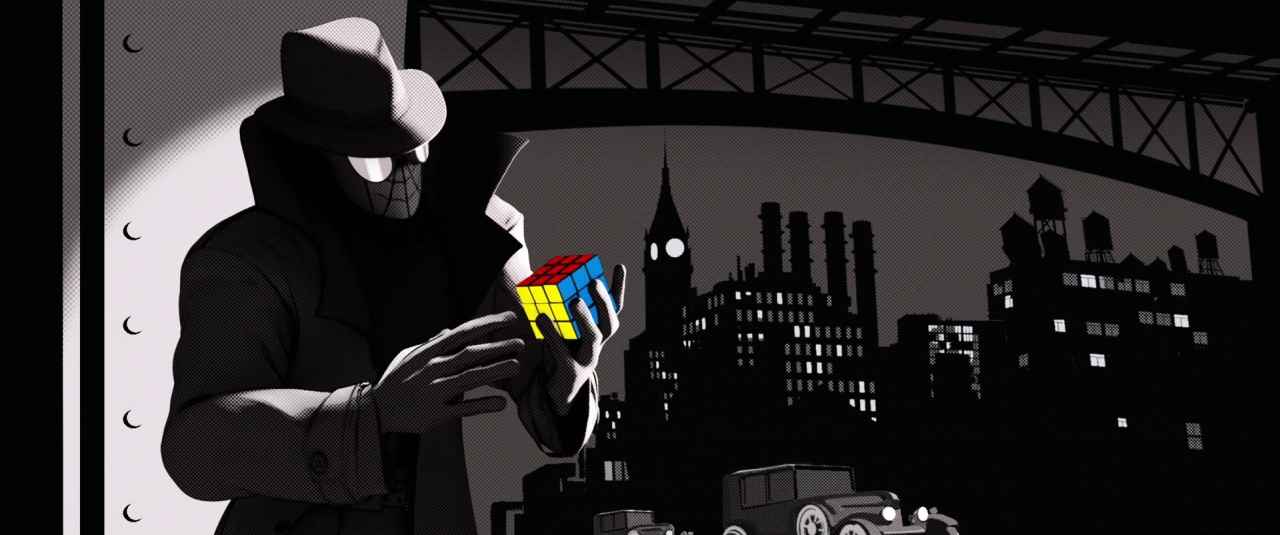
After the climax, the falling action shows the immediate effects. Tension decreases, events start to settle, and the consequences of the climax become clear.
Example: After the climax, the fallout is fast. Miles defeats Kingpin and helps each Spider-person return to their own dimension. He earns the respect of Peter B. Parker and reconnects with his father. The tension drops, but the emotion stays high.
5. Resolution (Ending)

The resolution wraps up the story. It shows how things have changed, answers lingering questions, or leaves the viewer with a final impression.
Example: The story closes with Miles back in his world, changed and confident. His narration reflects growth, and the final image shows him comfortable as Spider-Man. A portal flickers one last time, hinting at future stories, but the arc is complete.
Why and How to Use a Story Mountain
A story mountain helps you structure your plot so that each event builds tension, leads to a turning point, and then brings the story to a clear ending. It works like a pacing map. If a scene doesn’t raise stakes or push the conflict forward, it may need to be revised or removed.
This model also helps track character development and theme. As tension rises, characters change. The climax forces a choice or confrontation. The ending shows how things have shifted.
- Sketch out the five parts: exposition, rising action, climax, falling action, resolution.
- Use it to check: Does each step raise the stakes?
- Test your structure. Is there a clear turning point or irreversible action?
- Watch for pacing issues; if the middle drags, add new tension or a subplot.
- Use the resolution to tie up threads or show what’s changed.
Whether you’re planning a script or breaking down a film, the mountain gives you a way to manage rhythm and plot clarity.
Story Mountain Variations and Related Models

Some models add extra steps, like the inciting incident or multiple peaks. Others use simpler versions with just three parts: beginning, middle, and end. For younger students or short-form writing, this works well.
The story mountain also mirrors other structures:
- Freytag’s Pyramid: exposition, rising action, climax, falling action, denouement
- Three-Act Structure: setup, confrontation, resolution
- Plot Diagram: a general term often used interchangeably with story mountain
These all share the same basic rhythm: rising tension, a key turning point, then resolution. The story mountain just makes that rhythm easier to see and apply.
How the Story Mountain Relates to the Hollywood Model
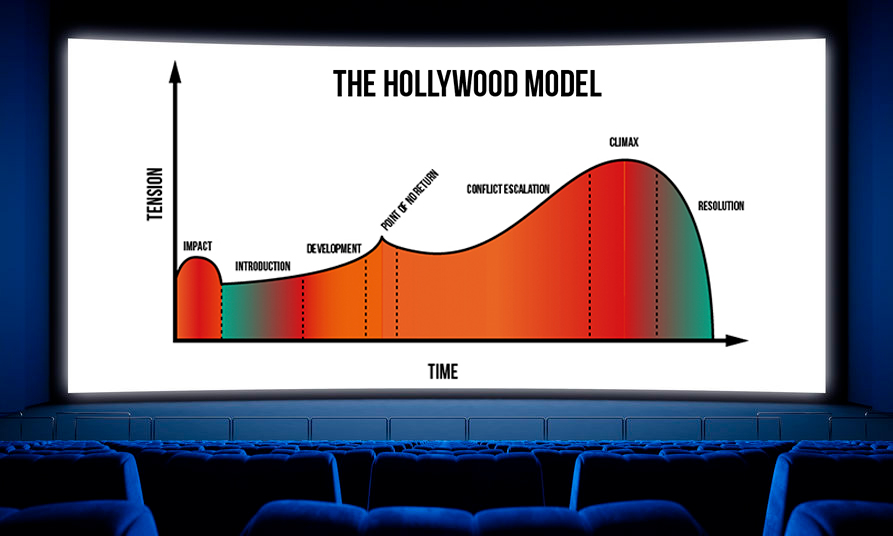
The Story Mountain shares many core ideas with the Hollywood Model (also known as the berettermodellen). Both show how a narrative builds tension, peaks, and resolves. Both use a clear structure to map pacing and character change.
The difference is in detail. The story mountain has five broad stages: exposition, rising action, climax, falling action, and resolution. The Hollywood Model breaks this arc into seven beats: initial impact, introduction, development, point of no return, conflict escalation, climax, and resolution.
Here’s how they line up:
- Exposition = introduction + setup
- Rising Action = development + point of no return + escalation
- Climax = climax (same in both)
- Falling Action = aftermath of the climax
- Resolution = closure and change
The Hollywood Model is more flexible. It allows for nonlinear openings, flashbacks, or shifting timelines. The story mountain is more visual and often used in early writing or film analysis to map tension at a glance.
If you’re writing a short story, planning a film, or breaking down narrative beats, both tools work. The Story Mountain helps you track the shape. The Hollywood Model gives you precision.
Here are Some More Examples of Story Mountains in Film
The Lion King: Exposition (Simba’s birth), rising action (Scar’s plot, Simba’s exile), climax (Simba returns to fight Scar), falling action (battle ends), resolution (Simba becomes king).
Frozen: Exposition (childhood accident), rising action (Elsa flees, Anna searches), climax (Anna sacrifices herself), falling action (curse ends), resolution (kingdom restored, sisters united).
Finding Nemo: Exposition (Marlin’s overprotectiveness), rising action (Nemo is taken, Marlin searches), climax (Marlin lets Nemo act on his own), falling action (Nemo escapes), resolution (family reconnected).
Summing Up
A story mountain is a five-part visual structure that helps you build tension, reach a peak, and resolve your story with purpose. It works across genres and formats, from short stories to full-length films. Use it to keep your structure clear, your pacing sharp, and your narrative focused.
Story Mountain FAQ
What is a story mountain?
A simple visual model of story structure shaped like a mountain: the plot climbs through exposition and rising action to a climax at the peak, then descends through falling action to a resolution.
What are the five parts of a story mountain?
Exposition (setup), rising action (building conflict), climax (the peak and turning point), falling action (winding down), and resolution (the ending).
Who invented the story mountain?
It is based on Freytag’s Pyramid, devised by German writer Gustav Freytag in 1863 in Die Technik des Dramas. The “story mountain” is a simplified, classroom-friendly version.
What is the difference between a story mountain and the three-act structure?
The story mountain has five stages built around a single central climax, while the three-act structure groups the same arc into Setup, Confrontation, and Resolution. They describe the same rise and fall in different detail.
Why use a story mountain?
It is an easy way to plan or analyse a plot, especially for students and new writers, because it makes the build and release of tension visual and intuitive.
Read Next: Struggling to shape your story?
Head to our Plot & Structure section for clear, no-fluff breakdowns of story arcs, turning points, and screenplay structure—from three-act to alternative models.
Want more tools to write with confidence? Explore the Screenwriting archive for guides on dialogue, formatting, concept development, and building a writing routine.