

Published: October 9, 2025 | Last Updated: October 26, 2025

What is the Falling action in writing? Definition & Meaning
Falling action is the part of a narrative immediately after the climax in which tension drops, conflicts begin to resolve, and the story moves toward its end. This stage shows the consequences of the climax and leads into the final resolution. It helps show how characters respond to what happened and prepares the story to end in a complete, satisfying way.
The Role of Falling Action in Story Structure

In classic story structure, falling action comes right after the climax and before the resolution in the story mountain. It’s the fourth stage in Freytag’s Pyramid. At this point, the main conflict has peaked, and the tension begins to fall. The goal is to guide the reader or viewer toward a clear ending without introducing new conflicts.
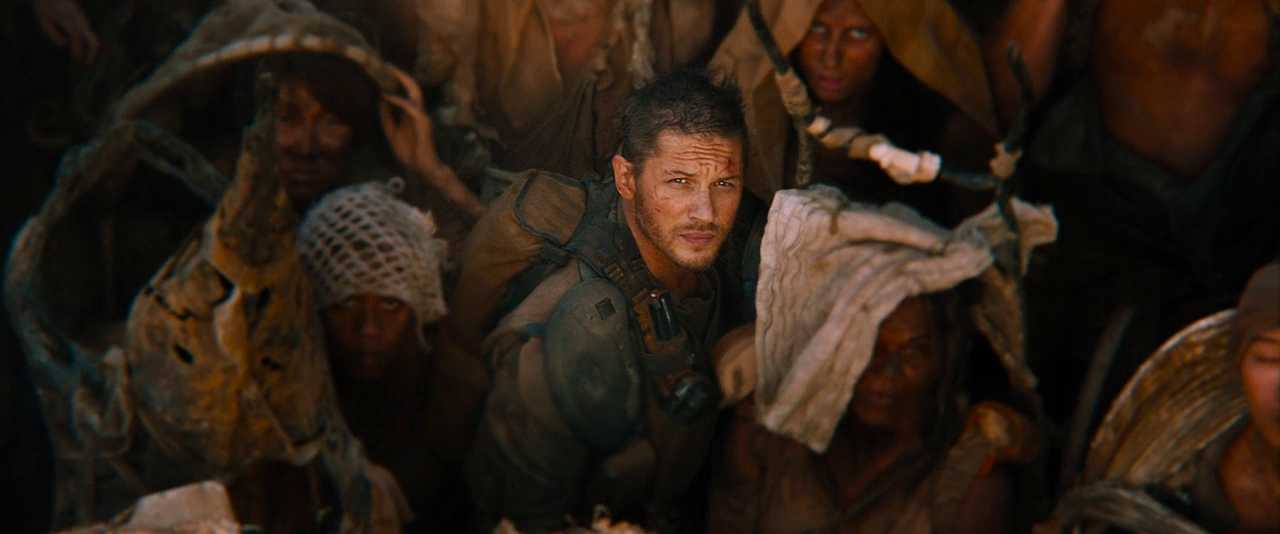
Some modern stories, like Mad Max: Fury Road (2015), shorten or skip the falling action by ending quickly after the climax. But when it’s included, falling action gives the audience time to process the climax and understand its effects. It also helps tie up subplots and character arcs in a way that feels earned.
Falling action is also different from the resolution or denouement.
The resolution is the final wrap-up. It shows where characters end up once everything has settled. The falling action is the step before that. It shows how we get there.
The word denouement comes from French and means “to untie the knot.” That’s the final unraveling of plot threads after tension has dropped.
How Falling Action Works
Falling action serves two main purposes: it shows how the characters deal with the climax, and it prepares the story for resolution. You’ll often see:
- A drop in tension or action
- Characters reacting emotionally or physically to the climax
- Subplots (like side romances, rivalries, or secrets) are being resolved or left behind
- Movement toward a new status quo
When writing your own story, falling action should feel like a direct response to what just happened. Try to:
- Show real consequences (like a character grieving, repairing a relationship, or facing legal trouble)
- Let characters reflect or change based on the climax
- Resolve subplots and answer key questions
- Keep the pacing steady, i.e., don’t drag it out, but don’t rush into the ending either
- Avoid starting a new conflict in this section
Examples of Falling Action in Film
To see how falling action plays out, here are some film examples that show the shift from climax to resolution:
Spider-Man: Into the Spider-Verse (2018)
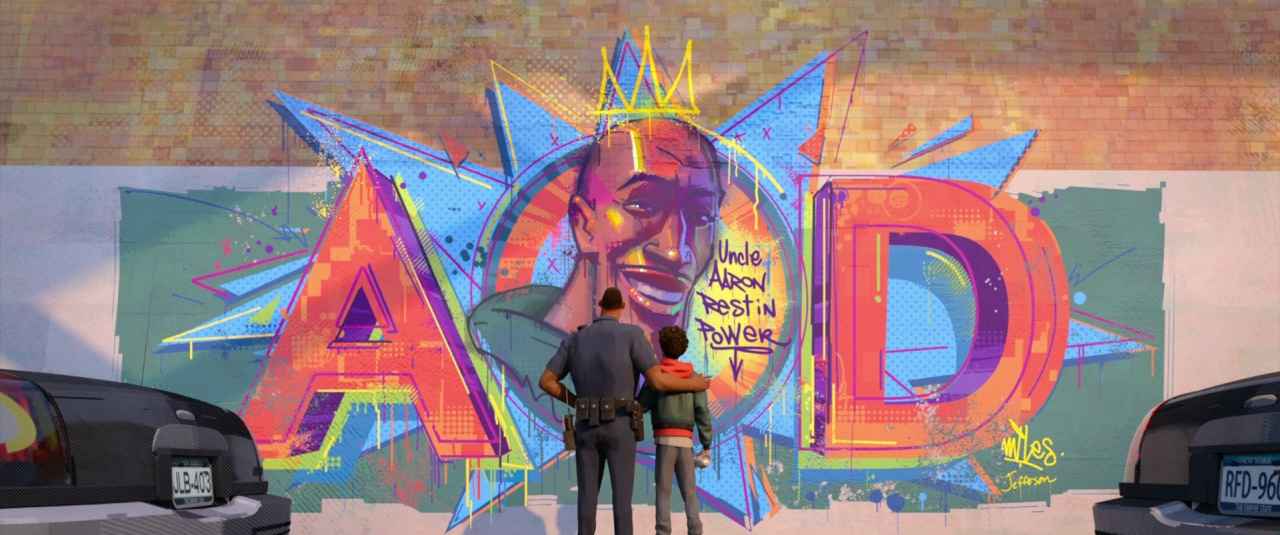
After Miles defeats Kingpin, the falling action shows him returning home, reuniting with his father, and reflecting on what he’s learned. The other Spider-People go back to their worlds. These scenes resolve character arcs, like Miles bonding with his father, without introducing new problems.
The Dark Knight (2008)

Once the Joker is caught, the falling action follows the aftermath of Harvey Dent’s downfall. Batman chooses to take the blame, setting up the ending. The tension lowers, but the moral weight stays heavy as consequences unfold.
Frozen (2013)
After Anna sacrifices herself to save Elsa, the falling action shows summer returning and the sisters reconnecting. Elsa learns how to control her powers. These scenes focus on emotional recovery, not more conflict.

Summing Up
Falling action is the section of a story that follows the climax, where tension decreases and consequences play out. It connects the peak of the action to the final resolution. Whether it’s emotional (like grief), reflective (like a quiet walk home), or just calm (like a peaceful reunion), this stage helps your story feel finished and earned.
Read Next: Want to dig deeper into screenwriting?
Start with the Screenwriter’s Toolkit on literary devices vs. elements – a deep resource covering every major literary device and element used in writing.
Then explore our collection of practical writing techniques covering dialogue, structure, and pacing.
Or jump into the free screenwriting course to start your first draft today.
You can also head back to the Screenwriting section for more tools, theory, and breakdowns.
