

Published: October 8, 2025 | Last Updated: October 26, 2025

the Difference Between Plot and Story: Definition & Meaning
The story is everything that happens in the world of the film, while the plot is the order and structure of how those events are shown to you. The story includes full character arcs, motivations, and backstory, even events that aren’t shown. The plot controls how those events unfold on screen.
Story: The Full Timeline
The story is the entire narrative behind the film, including events the viewer never sees. It’s the complete sequence of cause-and-effect actions, motivations, and consequences that make up the film’s world. Story answers: What happened, when, and why?
In film theory, this structure is called the fabula. It allows you to map out the full logic of your film, even if you choose to hide some of it in the plot.
Plot: The Presentation Layer
Plot is the arrangement of story events as presented to the viewer. It includes how scenes are ordered, how time is manipulated, and when key information is revealed. A strong plot creates engagement by managing tension, clarity, and emotional impact.
In narrative theory, this structure is known as the syuzhet. It determines how the story is experienced, not just what happens, but how it unfolds.
To sum up:
The story is what happens.
The plot is how you show it.
How Story Adds Depth
A story is more than just what happens. It includes what your film means, how characters change, and what they feel deep down. These parts of the story might never be said out loud or shown directly, but they still shape everything.
For example, a character might leave home without saying why. The plot shows them leaving. But the story might include old fears or painful memories that explain their decision. Even if we don’t see those moments, they guide how the character acts.
Why Plot vs Story Matters for Structure and Emotion
Plot is how you shape the viewer’s experience. By controlling what’s shown and when, you influence how the viewer feels and understands your film. This is where structure, pacing, and turning points come in.
A film can play with time, flashbacks, or multiple perspectives, but only if the story underneath holds together. When story and plot work as one, they create rhythm, mystery, payoff, and emotion.
Examples from Film
Many films use the difference between story and plot to shift expectations, build mystery, or surprise the viewer. Here are clear examples that show how the same story can be told through very different plot structures:
Pulp Fiction (1994, Miramax)
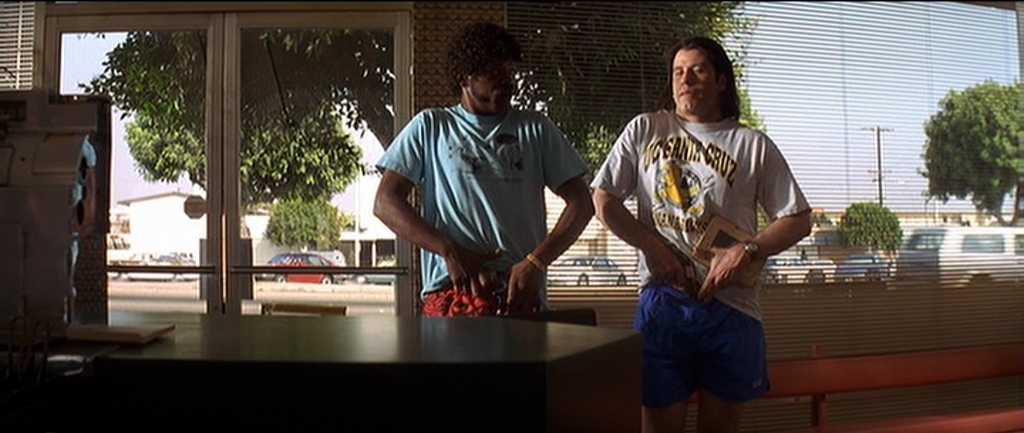
The story in Pulp Fiction is told as a set of events that happen in a clear timeline. The plot reorders them for surprise and pacing. The final scene comes from the middle of the story. See also story beats, where I discuss this further.
Memento (2000, Newmarket)

The story is linear. The plot runs in reverse, creating disorientation that mirrors the character’s memory issues.
Arrival (2016, Paramount)

The story is non-linear, but that’s hidden until later in the film. The plot slowly reveals that scenes are out of time order.
Citizen Kane (1941, RKO)
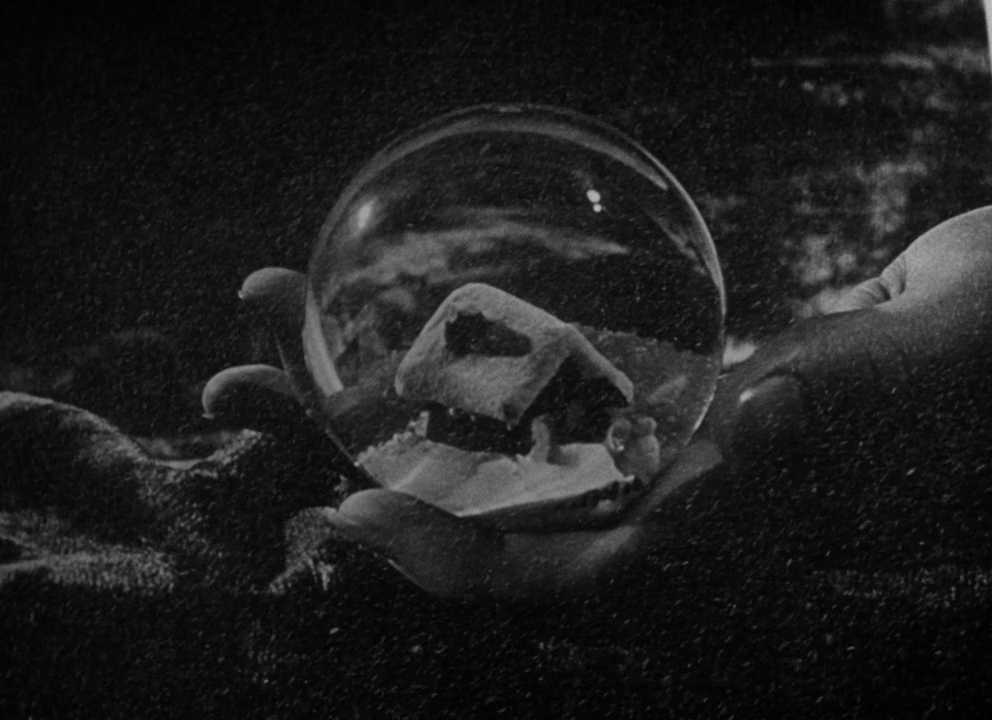
The story spans a man’s full life. The plot is told through interviews and flashbacks after his death. Viewers piece together meaning from others’ memories.
The Dark Knight (2008, Warner Bros.)
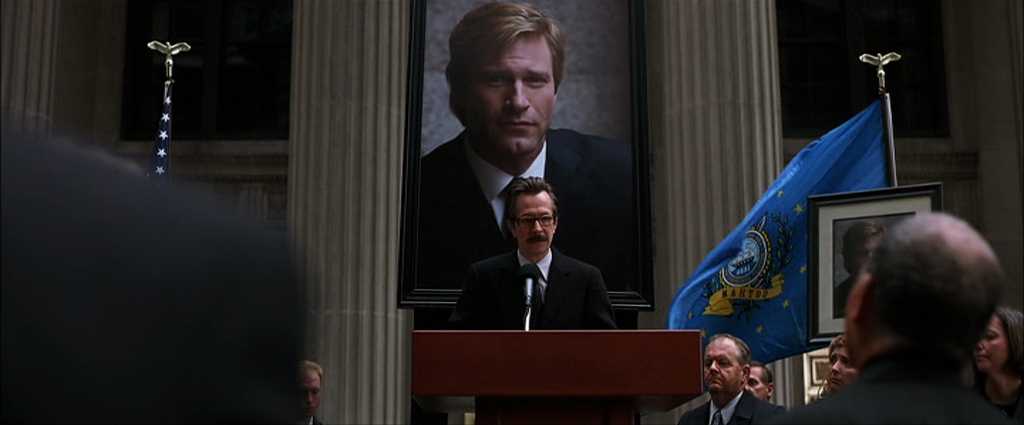
The story tracks Batman’s struggle against the Joker and Harvey Dent’s rise and fall. The plot shifts between their actions to build tension and explore themes like justice, fear, and control.
Plot vs Story: Quick Comparison Table
Here’s a side-by-side breakdown of the most important differences between plot and story. Use this table to check which layer you’re working with as you plan or analyze a film:
| Aspect | Story | Plot |
|---|---|---|
| Definition | Everything that happens in the world of the film | The structure and order of what the viewer sees |
| Order | Chronological | Can be linear, nonlinear, or fragmented |
| Scope | Includes unseen events, backstory, motivations | Only includes events shown or implied |
| Function | Builds meaning, theme, character depth | Creates suspense, surprise, and pacing |
| Examples | Vincent dies in Pulp Fiction | Final scene shows him still alive |
Summing Up
Story gives your film depth and logic. Plot gives it structure and rhythm. The best films build a full story, then carefully choose how to reveal it through plot. Once you learn to control both, you can shape how people experience your film, not just what they see, but how they feel it.
Read Next: Struggling to shape your story?
Head to our Plot & Structure section for clear, no-fluff breakdowns of story arcs, turning points, and screenplay structure—from three-act to alternative models.
Want more tools to write with confidence? Explore the Screenwriting archive for guides on dialogue, formatting, concept development, and building a writing routine.
