

Published: July 16, 2024 | Last Updated: July 2, 2026

Overview
Definition: Backstory is the past that still affects a character’s choices in the present story.
What you’ve seen before: You have felt this when a character reacts “too strongly” to something small, then you later learn the past event that trained that reaction.
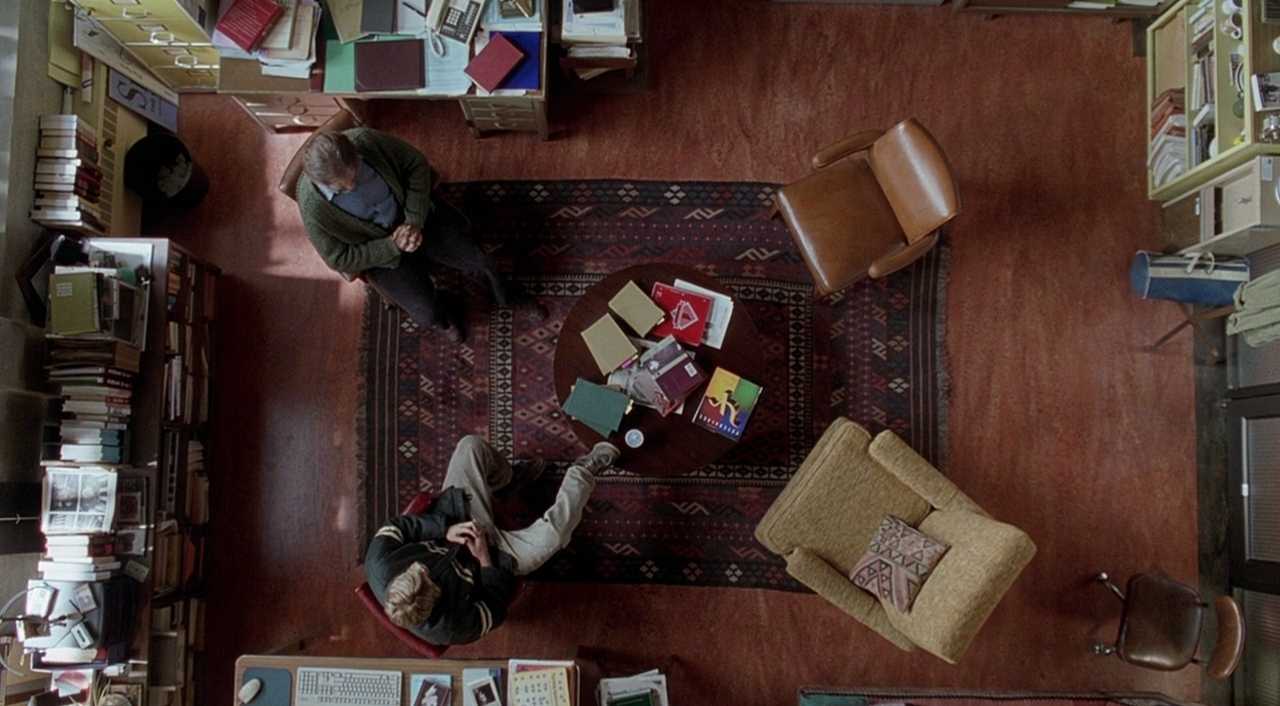
Example: In Good Will Hunting (1997, Miramax), Will pushes people away the moment a relationship turns serious. As the story goes on, details about his upbringing explain why he expects rejection and uses aggression as a shield.
Why it matters: Backstory helps you write actions that feel earned because you can trace each choice back to a specific past cause. It also keeps a character consistent across scenes because you can connect decisions to the same set of trigger points and coping habits. When you control what you reveal and when you reveal it, you can create tension, surprise, or empathy without adding extra plot.
- Key takeaway 1: Write backstory to explain on-screen choices, not to complete a biography.
- Key takeaway 2: Let behavior, habits, and conflict hint at the past before you name it in dialogue.
- Key takeaway 3: Time a reveal so it changes how you read the scene you are in.
Now let’s place backstory inside a bigger film framework, so you can build it with intention and reveal it with control.
What is a backstory in film? Definition & Deeper Meaning
Backstory is your off-screen cause map for the story. It is the chain of past events that sets a character’s wants, limits, coping habits, and trigger points, plus the world’s past that explains what is normal, what is dangerous, and who holds power. In film, you do not “cover” all of it. You choose the few past causes that will change how the next scene plays, then you reveal them at the moment they create a new decision, a new risk, or a new meaning.
Backstory supports context because it explains why a choice makes sense for this character in this moment.
Some backstory stays implicit and shows up through behavior. Some becomes explicit through dialogue, a discovery, or a flashback. Your character bio can include facts that never appear on screen, yet still guide every decision you write.
It is also fine to keep parts of the past in your notes, as long as the plot, character arcs, and resolution move logically from scene to scene.
Exposition vs backstory
Exposition is any information you give us so we can follow the story. Backstory is one category of information you might expose. A date, a rule, a relationship, and a past event can all be exposition. Only the past event counts as backstory.
Here is the practical difference you can use while you write. Backstory answers “What happened before?” Exposition answers “What do we need to understand right now?” When you drop past facts that do not affect the current conflict, the scene can stop moving.
If you want a fast test, ask this: “Does this past detail change the next choice, raise the stakes, or reframe the conflict?” If the answer is yes, it earns space. If the answer is no, keep it in your notes.
Backstory in film vs literature
Film and literature both use backstory, but the delivery tools are different. A novel can live inside a character’s thoughts for pages. Film has to show results through action, performance, visual clues, and selective lines of dialogue.
What literature can do more easily
Literature can explain the past directly through narration and interior thought. You can spell out a memory, a belief, and the logic that connects them. That makes a long, detailed backstory easier to carry without breaking the format.
What film does best
Film makes backstory feel real when you can see it. You can show a reflexive flinch, a practiced lie, a worn object, or a relationship dynamic that already has history built into it. You do not need every fact. You need the pressure the past puts on the present.
The iceberg theory and backstory

The iceberg theory is a writing idea linked to Ernest Hemingway, an American novelist. The idea is simple. You know far more than you show. The unseen part still supports the visible part, so the story feels solid instead of thin.
For backstory, that means you can write a fuller past than you reveal. The reward is subtext. A character’s choices feel specific because the past is doing work under the surface.
Types of backstory
Backstory usually falls into three buckets. Keeping them separate helps you avoid mixing “world history” with “personal damage” in the same explanation dump.
Character backstory
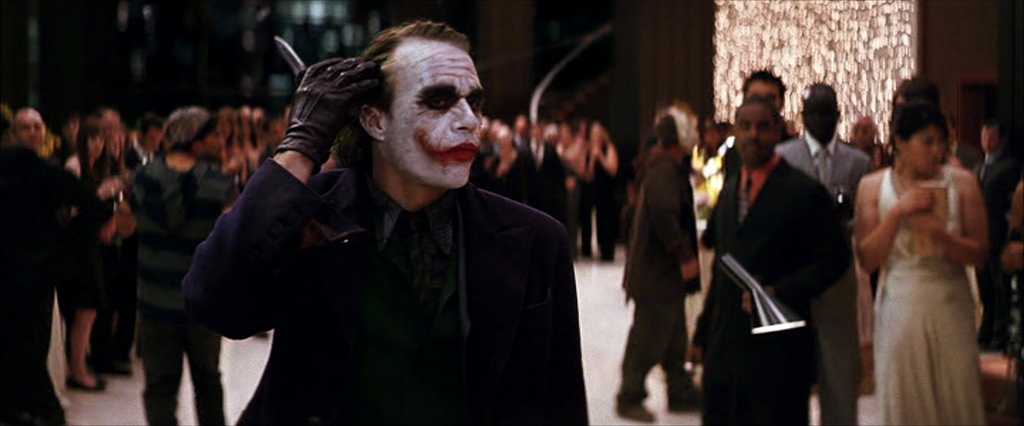
Character backstory is the personal past that explains a character’s emotional reflexes, moral lines, relationships, and coping habits. You usually see it as a pattern. The character repeats a tactic because it used to keep them safe.
Worldbuilding history
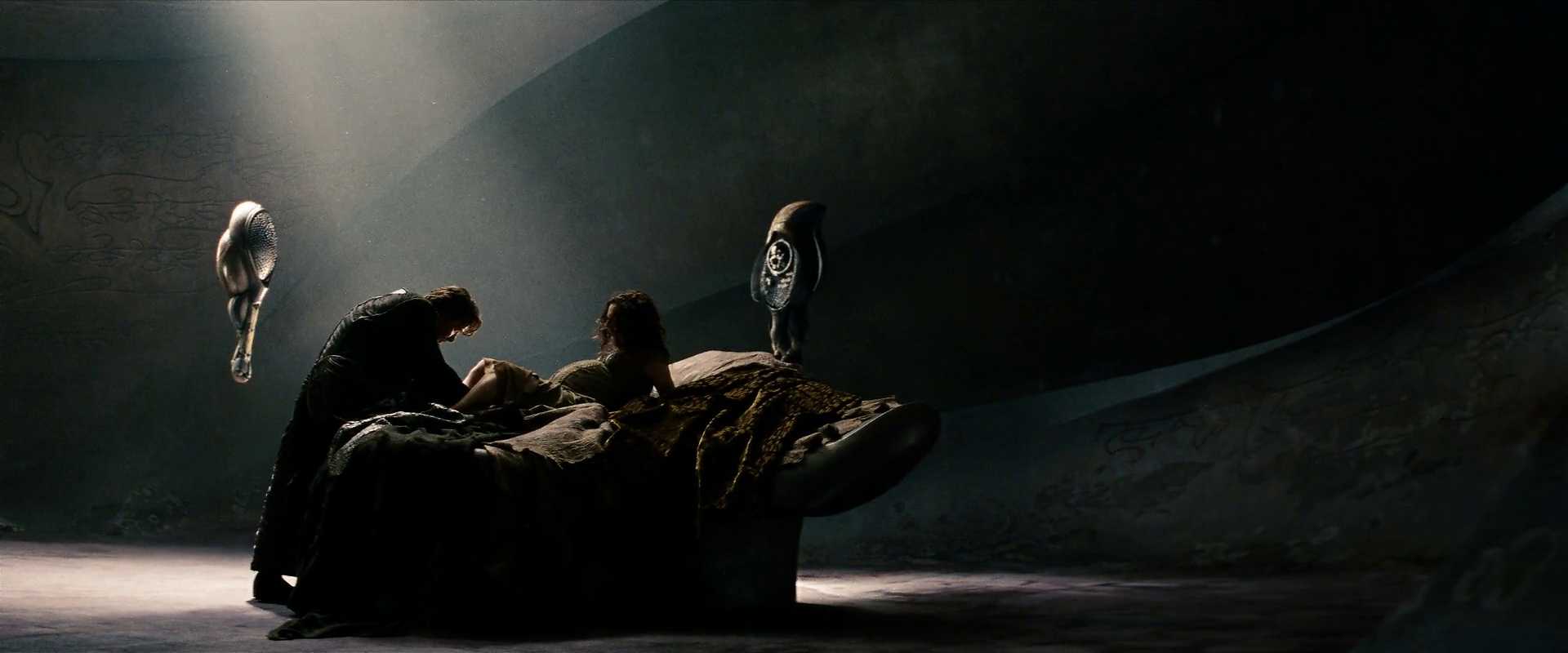
Worldbuilding history is the setting’s past. It explains rules, institutions, taboos, and power structures. This is part of world-building, and it supports the setting and the narrative.
The key distinction is simple. Worldbuilding history sets what is normal in the world. Character backstory sets what is normal inside one person.
Plot precedents
Plot precedents are events that happened before scene one that still drive the current plot. A war, a betrayal, a past deal, or an old crime can all sit here. These past events often act like catalysts once the present story presses on them.
A useful way to write plot precedents is to treat them like traps. The past sets a condition. The present triggers it.
Importance of backstory in character development
Backstory supports character development because it gives you a believable reason for change. A character arc works best when the person starts with a belief and a coping strategy that made sense in the past, and then the present plot proves that strategy fails.
This is where backstory does real work. It gives you a grounded starting point. It also gives you specific friction points that a scene can hit. When the plot hits those points, the character has to adapt, break, or grow.
How to write a good character backstory
A good backstory is short on paper and sharp on screen. You do not need many events. You need the right events that explain the choices you want the character to make.
Step 1: Start with the present goal
The present goal is what the character wants right now. Write the character’s main goal in one sentence, then write what blocks them. Your backstory should connect to that block.
Step 2: Pick one pressure point
The pressure point is the past event that still causes a strong reaction. Keep it specific. “Betrayed by a friend at 12” gives you more to play than “has trust issues.”
Step 3: Write the belief it created
The belief is the sentence the character lives by. For example, “If I need someone, I lose.” That belief is what you will challenge through the plot.
Step 4: Write the coping tactic that it created
The coping tactic is the default survival move you can show on screen. Deflect with jokes. Control every detail. Attack first. Disappear. This tactic becomes visible proof of the past.
Step 5: Decide how it shows up in scenes
Scene evidence is how the past becomes readable without a speech. List three behaviors that reveal the past without explanation. A habit. A conflict pattern. A tell when the character lies. These become your main backstory delivery system.
Step 6: Plan the reveal
The reveal plan is your timing. Decide when we learn the key fact. Time it so it changes the meaning of a current scene. That way, the story keeps moving while the backstory lands with weight.
Techniques for revealing backstory in movies
Film has multiple ways to reveal backstory. The best choice depends on what the scene needs right now. If the method steals attention from the current conflict, the scene can slow down.
Visual storytelling of backstory in cinema
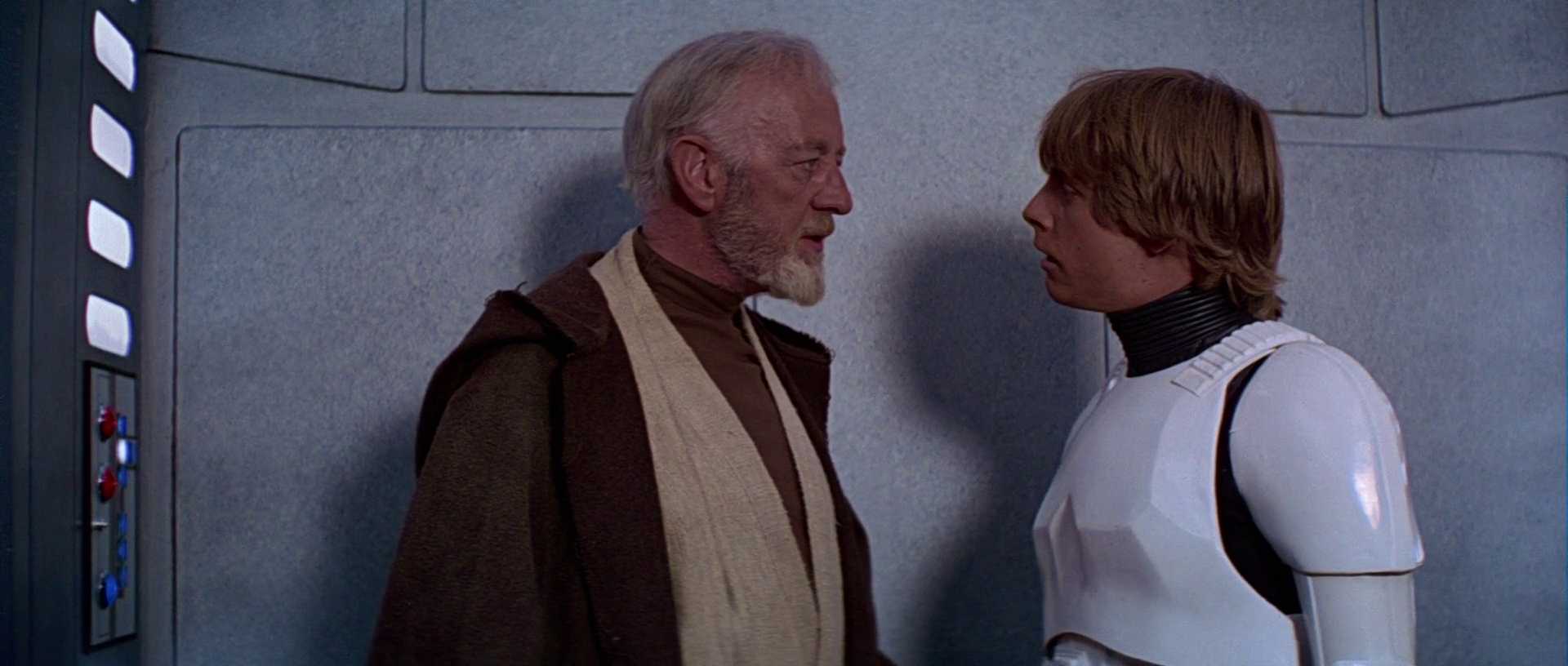
Visual storytelling is one of the cleanest ways to communicate backstory in film. You can show history through costume, props, production design, makeup, and a character’s practiced behavior.
Dialogue and conflict-based exposition
Dialogue can reveal backstory when the past is part of the fight. A confession, an accusation, or a threat can justify a past detail because two characters are using it as a weapon.
A clean rule is this. If nobody in the scene would say the line, cut it. If the line changes what someone does next, it earns space.
Flashbacks
Flashbacks work when the image itself matters. Sometimes a single look, location, or moment is the missing piece that makes the present click. Keep flashbacks short and tied to a present trigger, so they feel motivated.
Flashbacks vs dialogue for revealing backstory
Flashbacks and dialogue solve different problems. Use flashbacks when the story needs visual proof, and you want the memory to land as an experience. Use dialogue when the past is part of the present conflict and the scene needs verbal pressure.
- Pick a flashback when the past moment changes how you read a current action, and the image is the point.
- Pick dialogue when a character has a reason to bring it up, and the reveal pushes the scene forward.
- Skip both when a prop, a habit, or a choice can communicate the same idea with less time.
Inner access and voice-over
Inner access can reveal backstory through thought patterns and private logic. Voice-over can work here. Use it when it adds meaning that you cannot get through behavior alone. Keep it tied to present action, so it does not read like a pause.
If you use a stage-like device, a soliloquy approach can also work, especially when the point is confession or self-justification.
Writing backstory without info dumping
Info dumping happens when you stop the story so you can explain the past. The practical fix is to let the past arrive as part of action, conflict, or discovery.
- Let the past show up as a choice. Make the character do something specific that hints at a past cause you can infer.
- Use objects with history. A taped-up medal case, a locked drawer, or an untouched photo can carry weight fast.
- Let conflict pull the truth out. When a character is cornered, a past detail can surface as defense or attack.
- Give partial facts first. A small, honest detail builds curiosity. The fuller reveal can land later.
- Keep it tied to the current problem. If the past does not affect the next move, keep it off-screen.
Common backstory tropes in fiction
Tropes are common patterns. They become a problem when they replace specific cause-and-effect. If you use a trope, give it one concrete event and one visible consequence.
- The orphan or absent parent: Works best when it creates a specific belief, and not generic sadness.
- The mysterious scar: Strong when the scar links to a fear, a rule, or a relationship, and not a tease with no payoff.
- The dead spouse or lost love: Lands when it shows up as a daily habit, a refusal, or a self-sabotage pattern.
- The secret lineage: Strong when it changes power, identity, and choices in the present plot.
- The “one bad day” trauma: Works when you show the coping tactic it created, then the plot breaks that tactic.
Common backstory mistakes in creative writing
Most backstory problems come from one mistake. The past gets treated as explanation instead of a driver of choices. Here are the failures that show up the most.
- Backstory that explains a personality label: “He has trust issues” does not help. A specific belief and a visible tactic help.
- Backstory that never touches the plot: If it does not affect choices, it is decoration.
- Backstory that arrives too late: If you need it to understand earlier scenes, the story can feel unfair.
- Backstory that arrives too early: If you explain before you care, it can read like homework.
- Backstory told in one long speech: This can kill tension. Break it into pieces that land during conflict.
- Too many tragedies: Stacking trauma can flatten a character into one note. Pick the event that does the most work.
Balancing backstory and present action in plotting
Present action is what the character is doing right now to get what they want. Backstory should support that action, not replace it. A scene stays alive when the current goal and obstacle stay in focus.
A strong balance comes from timing. Reveal backstory at the moment it changes a decision, flips trust, raises stakes, or reframes what a character wants. That way the past lands as fuel for the next beat.
If you want a simple planning tool, map reveals to turning points. Put a small hint before a major choice. Put the full truth near the moment the character can no longer avoid it.
Examples of backstory in film
Film examples work best when you point to what the backstory does on screen. The past matters because it pushes behavior, and behavior pushes plot.
In Good Will Hunting (1997, Miramax), Will’s past shows up as a pattern. He pre-attacks relationships so he cannot be left. The story reveals enough of his history to reframe those choices as defense, then forces him to face what it costs.
Examples of backstory in literature
Literature often gives you more direct access to the past. You can still study the same core skill. The best backstories in books connect a past event to a present choice.
Examples of well-written character backstories in literature
These examples show the same pattern you want in film. The past does not sit there as “extra info.” The past creates a belief, then the belief creates choices.
- Great Expectations by Charles Dickens, an English novelist: Pip’s early shame and class anxiety drive many later choices. His past feeds his desire to reinvent himself, and it creates blind spots.
- Jane Eyre by Charlotte Brontë, an English novelist: Jane’s childhood mistreatment supports her strong moral lines and her need for self-respect. The past keeps showing up when love collides with principle.
- The Great Gatsby by F. Scott Fitzgerald, an American novelist: Gatsby’s reinvention matters because the past is the wound he cannot drop. His history explains why he treats identity as something you can build, then the story shows what that fantasy costs.
Techniques for revealing backstory in books
Literature often uses direct tools like narration, memory, and inner thought. Even so, the same rule applies. Backstory earns space when it changes how you understand the present scene.
- Selective memory: A character recalls a detail at the moment it matters, so the past arrives as pressure.
- Framed confession: A character tells someone the truth because the relationship forces it.
- Pattern reveal: The book shows repeated behavior first, then shows the past event that explains it.
See also: How To Write and Reveal Backstories in your Script
Frequently Asked Questions
What is a backstory in simple terms?
A backstory is the history and events in a character’s life that happened before the main story begins and that shape who they are.
What is an example of a backstory?
Bruce Wayne witnessing his parents’ murder, which drives him to become Batman, is a backstory revealed across the films.
How do you reveal backstory without an info-dump?
Through small, well-placed details, dialogue, objects, behavior, and the occasional flashback, rather than long explanatory passages.
What is the difference between backstory and exposition?
Backstory is the past itself; exposition is any information the audience needs delivered, which often includes backstory but also setting and rules.
Why does backstory matter?
It gives characters believable motives and depth, and makes their choices in the present feel earned rather than arbitrary.
Summing Up
Backstory is the past that drives present choices. In film, you build it as an off-screen cause map, then reveal only what changes in the next scene. Keep character backstory, worldbuilding history, and plot precedents separate, so your reveals stay clean. Use visual storytelling, conflict-based dialogue, and selective flashbacks to avoid info dumps. When the past lands at the moment, it alters a decision; the story stays alive.
Read Next: Want to write characters that feel real on the page?
Start with our Free Screenwriting Course — a complete foundation in structure, dialogue, and building compelling characters.
Then browse all character development articles — from internal conflict and arcs to ensemble design and protagonist logic.
Or return to the Screenwriting section for formatting, story structure, and writing tools.
