

Published: November 14, 2025

What is World-building? Definition & Meaning
World-building is the process of creating the setting, rules, history, and culture of a fictional world to support the characters and narrative. It gives the story structure and makes the world feel real, even when it’s entirely imagined.
Why World Building Matters in Every Genre
World-building sets the rules for how the story works. It creates tone by showing what kind of world the film takes place in, such as grim, comic, realistic, or surreal. It also creates pressure on the characters. Their decisions make sense because of the world they live in.
Genre Examples
Each genre depends on world-building in different ways. These examples show how the world influences tone, conflict, and visual style.
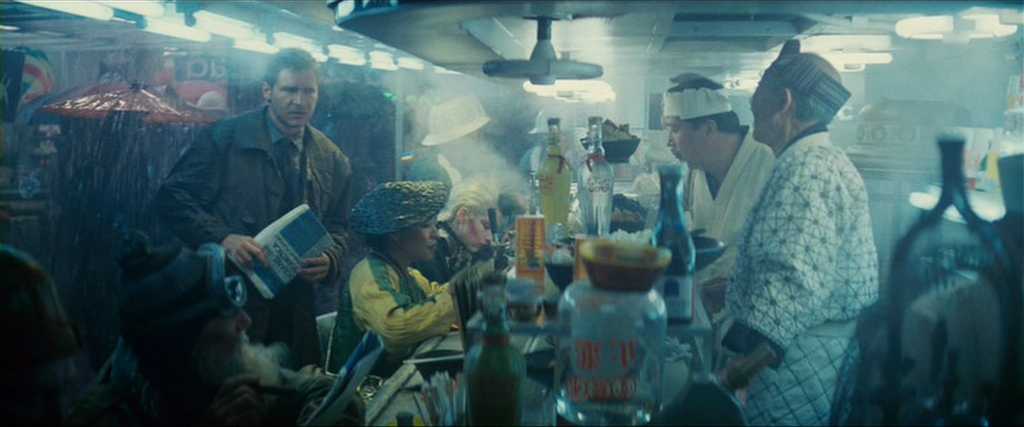
Science Fiction: In Blade Runner (1982, Warner Bros.), city design, lighting, and tech show a world changed by artificial life.
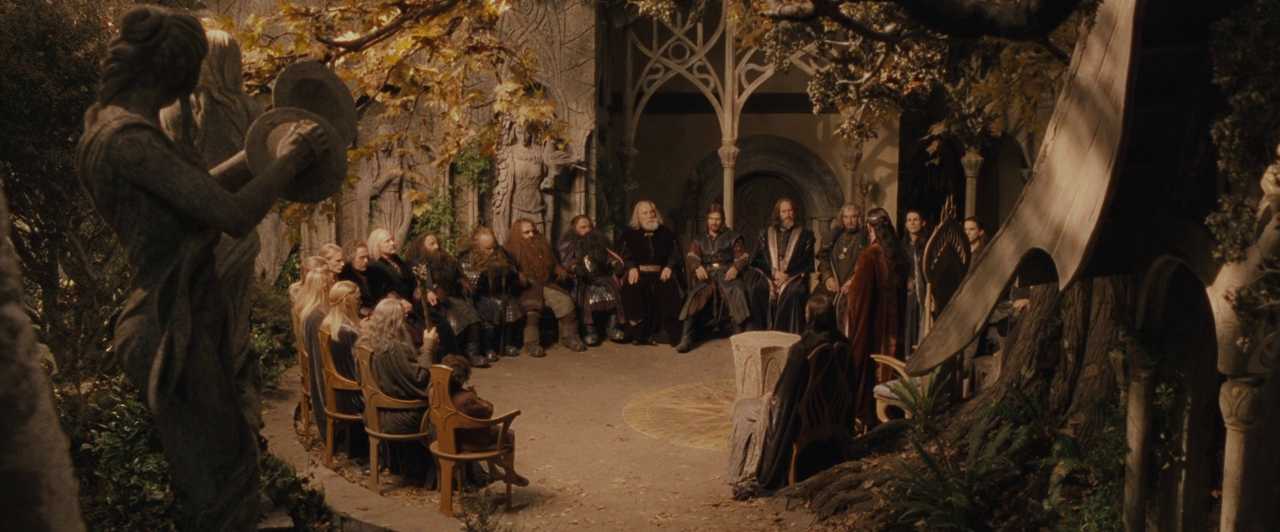
Fantasy: The Lord of the Rings (2001–2003, New Line) builds deep history, languages, and customs that shape every scene.
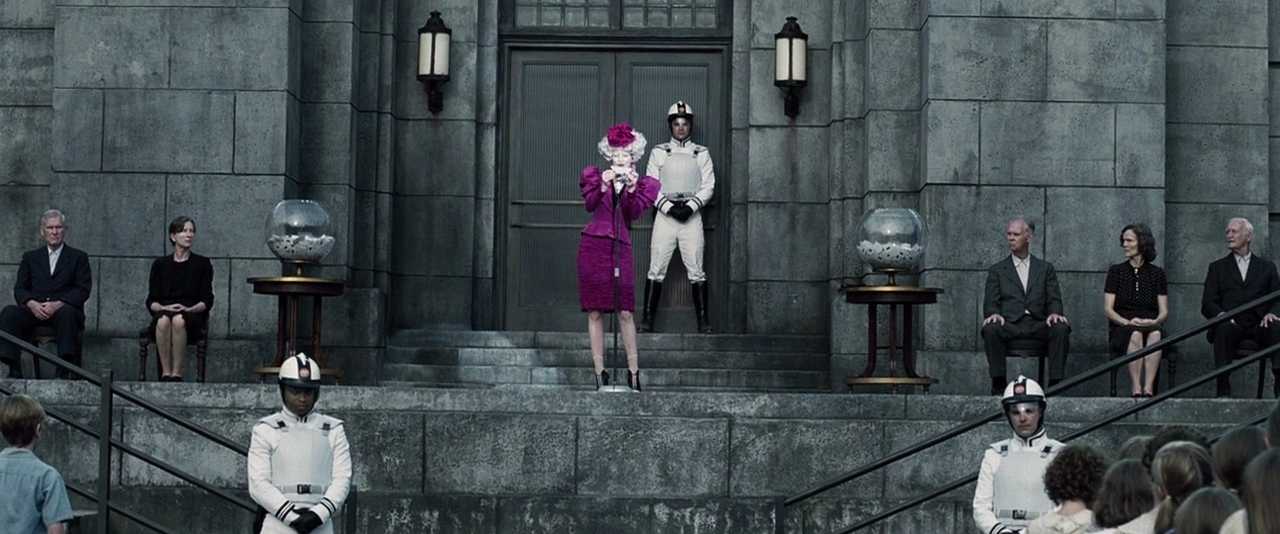
Dystopia: The Hunger Games (2012, Lionsgate) divides its world into districts, with clear power structures and consequences.
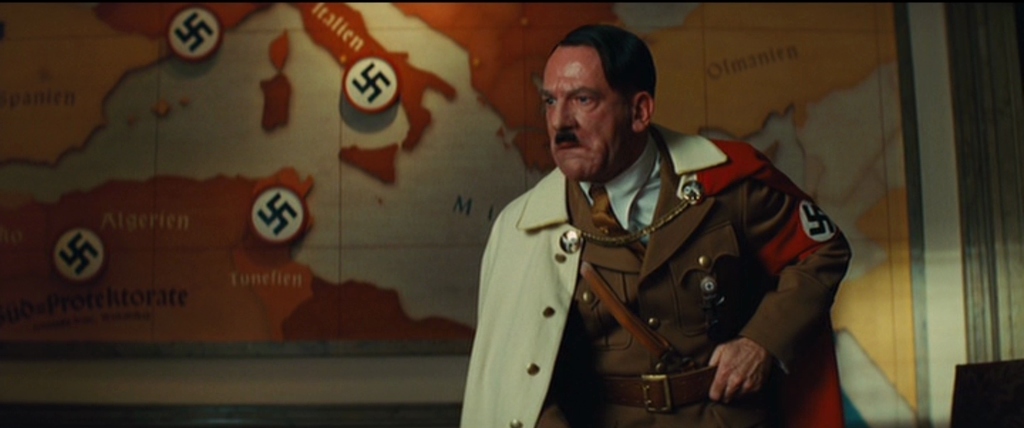
Alternate History: Inglourious Basterds (2009, Universal) changes real-world events while keeping its internal logic consistent.
Drama/Comedy: The coming-of-age dramedy Lady Bird (2017, A24) captures early 2000s Sacramento through fashion, music, and school life.

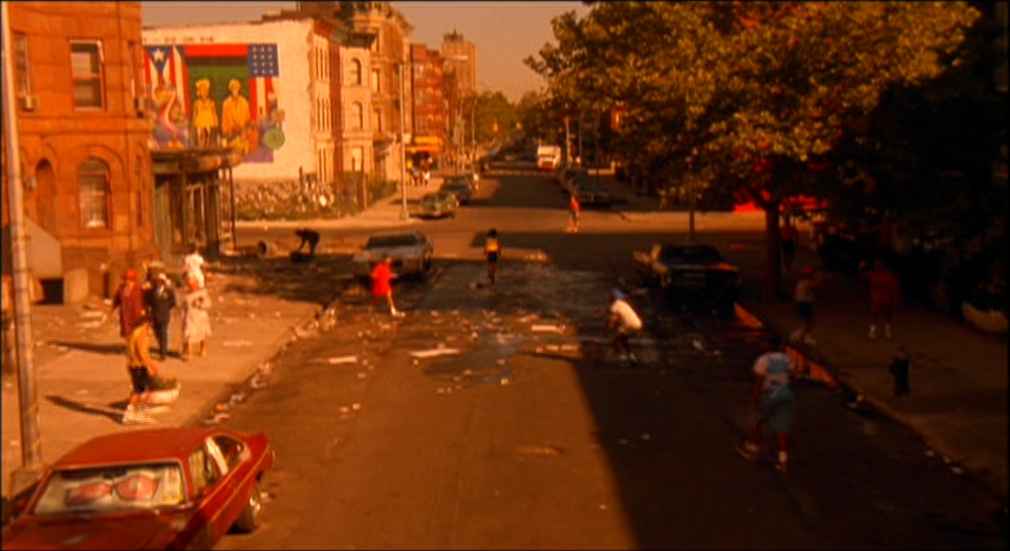
And the drama Do the Right Thing (1989, Universal) builds a Brooklyn block that feels real through murals, storefronts, and heatwaves.
How to Build a World
Strong world-building shows what’s possible, what the world looks like, and how people behave inside it. Clear rules set limits. Visuals (like costume, architecture, lighting, and props) reveal time period, class, technology, and tone. Culture shows up in habits, rituals, and everyday choices.
All of these elements let you explain the world through action and detail, without stopping the story for long explanations.
1. Set the Rules and Logic
The rules of your world create structure. They tell the viewer what’s possible, what’s dangerous, and what matters. When those rules are clear (like who has power or how a system works), the story is easier to follow, and the conflict makes more sense.
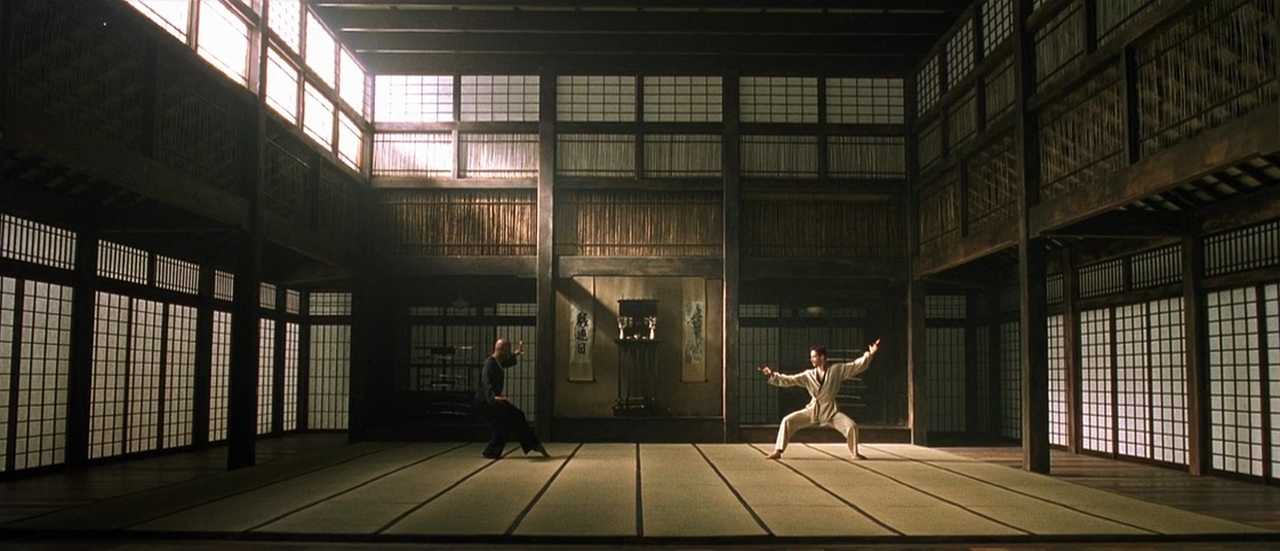
In The Matrix (1999, Warner Bros.), the world is split between a digital illusion and a harsh physical reality. The story only works because we understand the rules of both.
2. Show It Visually
Design, color, costume, and lighting all show your world without needing dialogue. These elements reveal the time period, class system, mood, or values of a place, the moment the camera starts rolling.
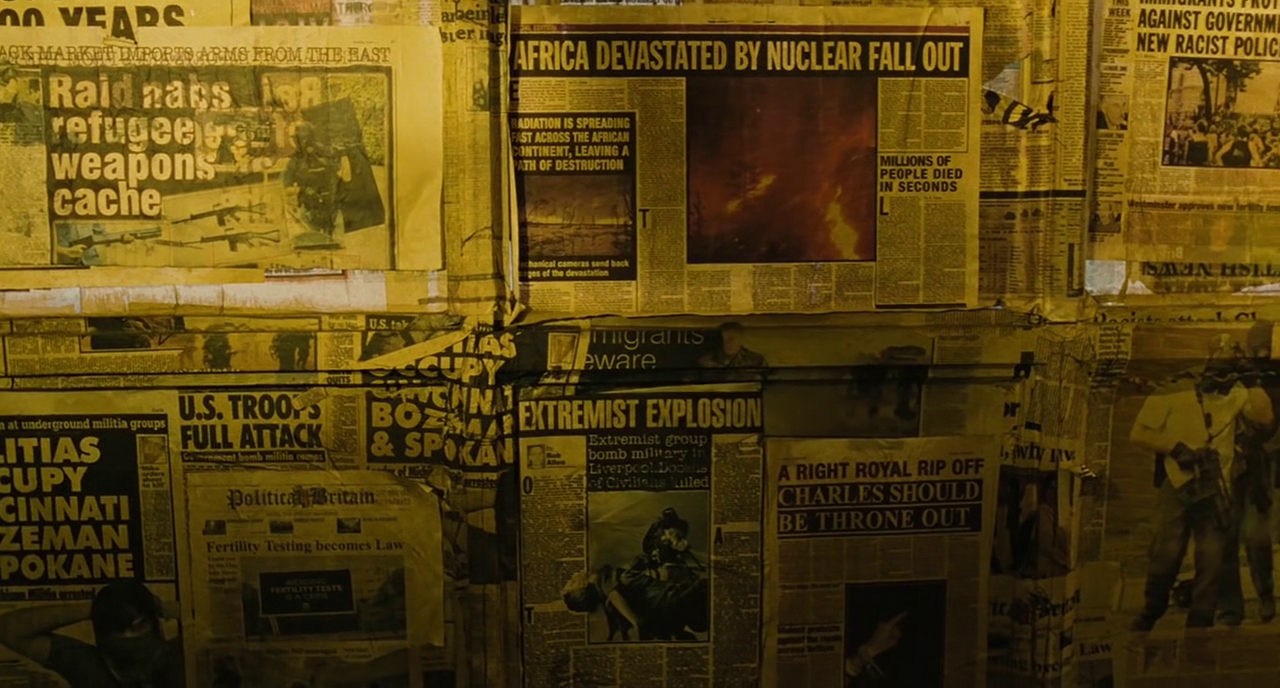
In Children of Men (2006, Universal), the world feels tense and exhausted. Streets are covered in protest signs, cages hold refugees, and soldiers patrol public spaces. The design shows a society still running, but without hope.
3. Create a Lived-In Culture
Characters should act like they know the world. Their behavior should reflect the culture they live in. How they treat objects, follow rituals, or react to danger helps you understand the rules of that world.
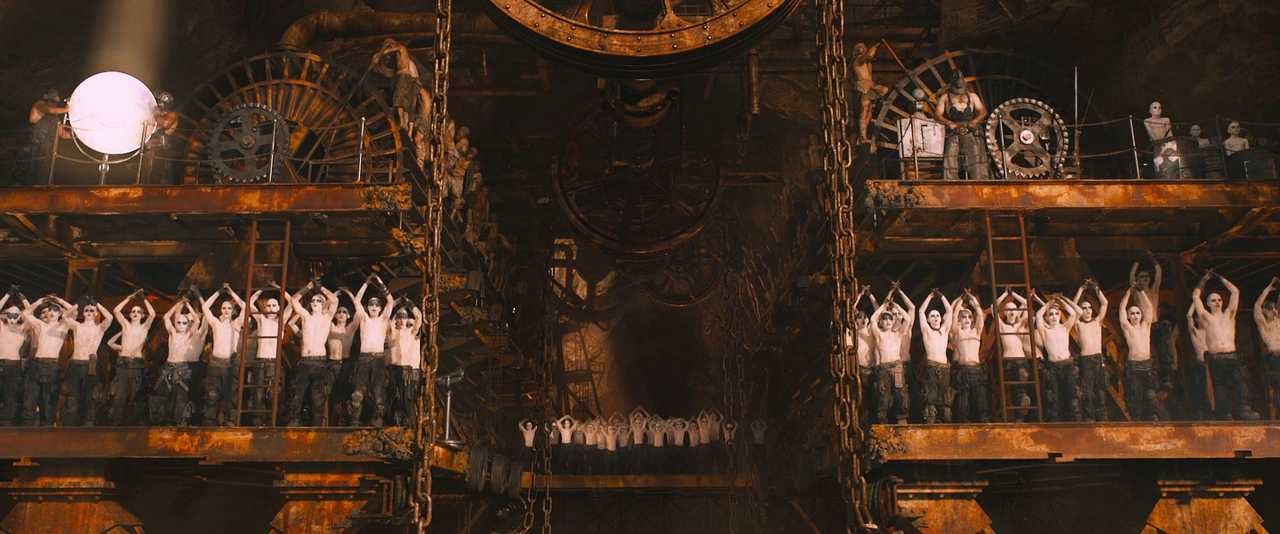
In Mad Max: Fury Road (2015, Warner Bros.), sacred steering wheels and fuel rituals show what people worship and fear. That tells you about religion, power, and scarcity without a single line of exposition.
Top-down vs Bottom-up
There are two common ways to design a world. Each method helps you control scope and stay consistent as the world grows.
- Top-down: Start with broad systems (like geography, government, and economy), then move into detail.
- Bottom-up: Start with one small location or object, then build outward based on what feels natural and connected.
World Building vs. Lore
World-building is the process of creating the full environment your story takes place in, i.e., its rules, systems, culture, and structure. It defines what’s possible, how society works, and what kind of tone the story has.
Lore is the collection of stories, myths, history, and background details that exist inside that world. Lore adds depth, but it isn’t required for the plot. It usually explains where things came from, why certain groups exist, or how past events shaped the present.
Writing Tip: You build the world so the story makes sense. You add lore to make that world feel old, complex, and lived-in. The story should still work even if the viewer doesn’t know all the lore.
How They Work Together
World-building tells you how the world works right now. Lore tells you what happened before the story began. Together, they make the world feel real and layered. Let’s look at two examples:
In Tolkien’s The Lord of the Rings (2001–2003, New Line), the world-building includes races, geography, and rules of power. The lore includes ancient wars, forgotten kings, and the origin of the Ring.
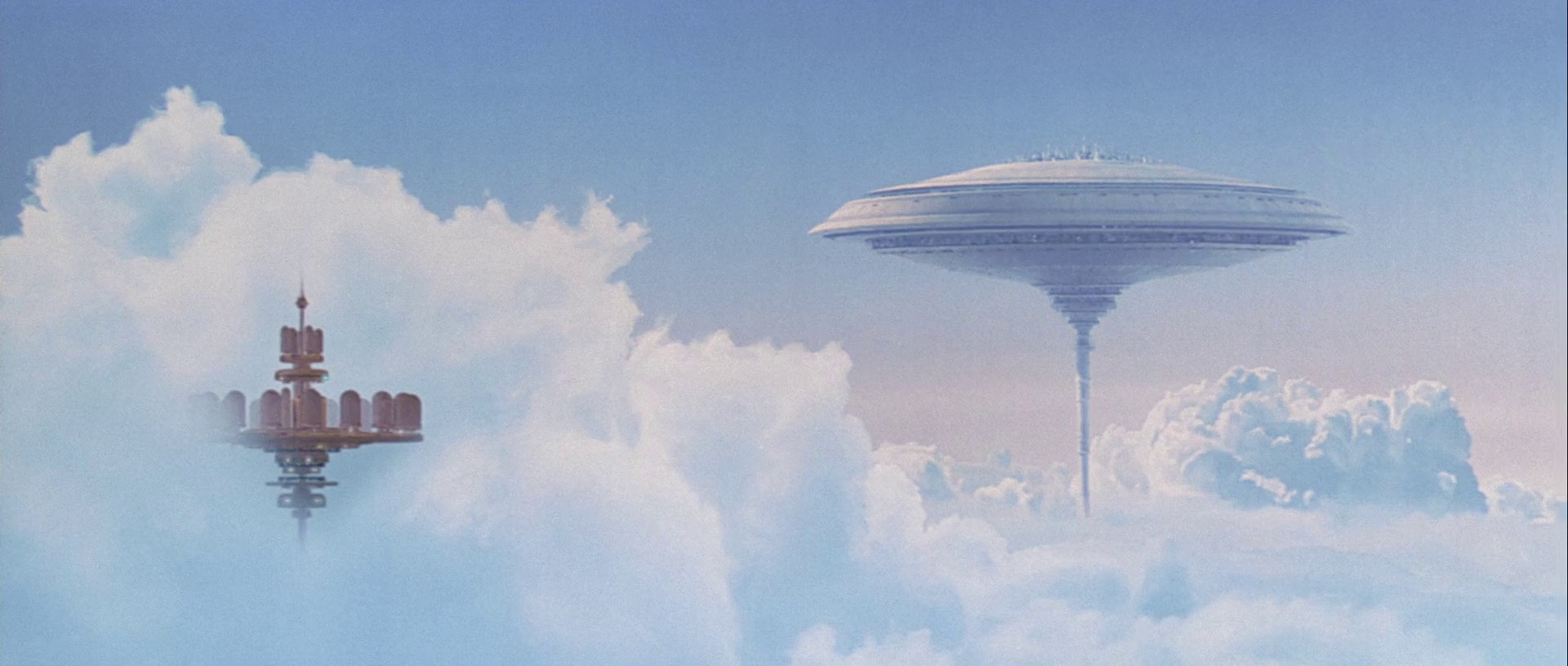
Similarly, in Star Wars (1977–2019, Lucasfilm), the world-building includes Jedi, the Empire, and space politics. The lore includes the Clone Wars, Sith history, and old Jedi texts.
Common Mistakes in World Building
These mistakes can weaken your world. Each one affects clarity, pacing, or logic. Avoid them to keep your world strong and believable.
- Over-explaining: Long expositions slow the film. Show your world through what characters do, wear, and see.
- Breaking your own rules: Once your world has logic, stick to it. If a character breaks a rule without a reason, the viewer stops believing in the world.
- Empty detail: Don’t add world details just to fill space. Every choice should connect to the character, the tone, or the story’s core conflict.
Summing Up
World-building is the creation of a film’s setting, rules, history, and logic, all working together to support the story. A strong world makes characters feel real and the stakes feel grounded. Whether you’re building a fantasy kingdom or a small-town drama, every choice you make helps the viewer understand where they are and why it matters.
Read Next: Got a cool idea but no story yet?
Check out our Story Development section for help turning rough ideas into clear concepts, building stronger characters, and finding the heart of your script before you write page one.
Want to build the whole toolkit? Explore the Screenwriting archive for structure, formatting, and career advice that supports every step of your writing process.
