Published: October 9, 2025 | Last Updated: January 19, 2026

What is An inciting incident? Definition & Meaning
The inciting incident is the story event that breaks the protagonist’s normal routine and introduces the central problem. It is the moment when life as the character knows it changes and cannot fully return to what it was before. After it, the character faces something they can’t ignore. This moment kickstarts the plot. Everything that happens next comes from this turning point.
In practical terms, the inciting incident gives the story direction. It creates a reason for the plot to exist and gives the protagonist something they must respond to, whether they want to or not.
What a strong inciting incident must do
Writers often struggle with this moment because it carries a lot of responsibility. A well-designed inciting incident does several jobs at once, even if it appears simple on the surface.
- Disrupt the status quo: The protagonist’s ordinary life is disturbed in a meaningful way.
- Point toward the central conflict: The main problem of the story becomes visible or unavoidable.
- Force a response: The protagonist must react, adapt, or make a choice.
- Create stakes: The change matters emotionally, practically, or morally.
- Enable escalation: The event naturally leads to rising complications.
The size of the event is less important than its effect. A quiet revelation can be just as powerful as an explosion if it changes the character’s path.
Where the inciting incident fits in the story structure
Most traditional narratives introduce the inciting incident early, once the audience understands the protagonist’s normal world. This contrast helps the audience recognize what has been lost or threatened.
Within a classic structure model, the inciting incident belongs to the setup and pushes the story toward commitment.
- Normal world: The protagonist’s everyday life is established.
- Inciting incident: A disruptive event introduces the main problem.
- First plot point: The protagonist crosses a line and cannot return to the old life.
For a broader context, FilmDaft’s explanations of the three-act structure and Freytag’s Pyramid show how this moment supports the full story arc.

Inciting incident vs. catalyst vs. key event vs. first plot point
Story terminology can be confusing because different teachers use different labels for similar ideas. Understanding how these terms relate helps avoid structural mistakes during outlining.
- Inciting incident: The first disruption that introduces the central problem.
- Catalyst: Often used as a synonym or as any trigger that accelerates change. See FilmDaft’s explanation of catalysts in film.
- Key event: The moment when the problem becomes personal for the protagonist.
- First plot point: The point of no return where commitment becomes unavoidable.
A useful way to remember the difference is that the inciting incident shakes the world, the key event makes it personal, and the first plot point locks the protagonist into the journey.
Types of inciting incidents
Inciting incidents tend to follow recognizable patterns. These patterns describe where the disruption comes from and how much control the protagonist has over it.
Causal inciting incident
In a causal inciting incident, the protagonist’s own choice triggers the story. The consequences that follow are a direct result of that decision.
- Breaking a rule
- Accepting a dangerous offer
- Revealing a secret
Coincidental inciting incident
A coincidental inciting incident comes from outside the protagonist. The event happens to them, rather than because of them.
- An accident or disaster
- An unexpected death
- A sudden attack or threat
Mixed inciting incident
Many stories combine both approaches. An external event occurs, but the story fully ignites when the protagonist chooses how to respond.

Comparison examples
| Type | Film | Inciting incident |
|---|---|---|
| Causal | The Incredibles | Bob accepts a secret mission and returns to hero work. |
| Coincidental | Cast Away | A plane crash strands Chuck on a remote island. |
| Mixed | The Matrix | Neo follows the white rabbit and steps into a new reality. |
Inciting incidents by genre
Genre shapes how inciting incidents look and feel. Each genre promises a specific type of conflict, and the inciting incident signals that promise to the audience.
Adventure and fantasy
These stories often pull the protagonist out of an ordinary world and into a larger one filled with danger, discovery, or responsibility.

- The Hunger Games: Katniss volunteers to take her sister’s place.
- Harry Potter: Harry learns he belongs to the wizarding world.
Drama and thriller
In genres such as dramas and thrillers, the inciting incident often introduces danger, moral pressure, or emotional conflict that tightens as the story progresses.
- Casablanca: Ilsa reenters Rick’s life.
- Get Out: Chris visits his girlfriend’s parents.
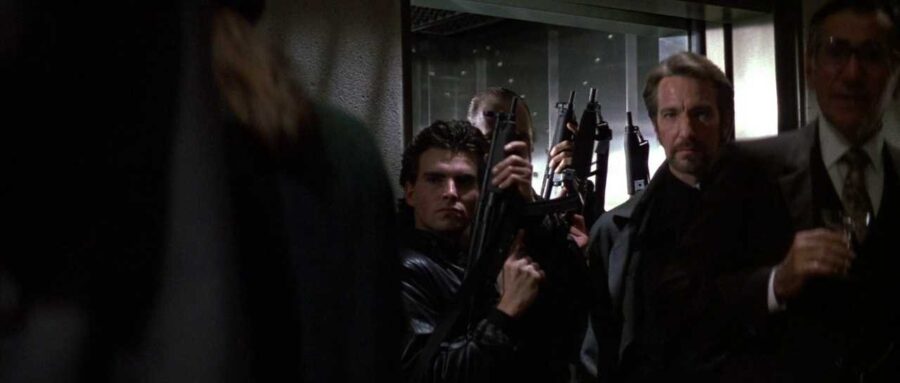
- Die Hard: Terrorists seize the building.
Family and animation
Family stories usually focus on safety, belonging, and growth. The inciting incident puts one of these at risk, such as separating a child from a parent, endangering a home, or forcing a character to grow up sooner than expected.

- Finding Nemo: Nemo is taken from the reef.
- Spider-Man Man Into the Spider-Verse: Miles gains unexpected powers.
Delayed or hidden inciting incidents
Not every story presents the inciting incident in a straightforward way. Some narratives delay or disguise it to create mystery or curiosity.
- In medias res: The story begins in the middle of events. See in medias res.
- Cold opens: A dramatic opening precedes the main setup. See cold opens.
- Backstory incidents: The inciting event happened before the story begins and is revealed later.
Common mistakes writers make
Many story problems trace back to a weak or unclear inciting incident. These issues show up frequently in early drafts.
Confusing a hook with the inciting incident
A hook grabs attention, but it does not always change the protagonist’s situation. Make sure the story direction actually shifts.
Letting the incident change nothing
If the protagonist can ignore the event and continue life as usual, the incident is not doing its job.
Overloading the opening
Multiple disruptions can work, but only one should clearly introduce the central conflict.
Removing character agency
Coincidence can start a story, but the protagonist should soon make meaningful choices.
The inciting incident and the climax
Strong stories feel complete because the ending resolves the problem introduced at the beginning.
- The inciting incident raises the central question.
- The climax answers that question through decisive action or change.
If the story begins with fear, the climax often requires courage. If it begins with denial, the ending demands acceptance.
Summing up
The inciting incident is the first meaningful disruption that points toward the story’s central conflict. It works best when it changes the protagonist’s situation, creates stakes, and forces a response.
If you are unsure whether you have one, look at the first act and ask two questions. What event makes the protagonist’s old life impossible to continue, and what event makes the central problem personal to them. When those moments are clear, the rest of the structure is much easier to build.
Further reading on FilmDaft
Frequently asked questions
Here are the answers to some common FAQs about the inciting incident that I often see confuse students.
Does the inciting incident always happen in Act One?
Often it does, but some genres delay it. When it is delayed, the opening must still create tension and curiosity.
Can an inciting incident be subtle?
Yes. The effect on the character matters more than the scale of the event.
Is the inciting incident the same as a plot twist?
No. A plot twist changes the audience’s understanding. An inciting incident launches the main conflict.
Read Next: Want to dig deeper into screenwriting?
Start with the Screenwriter’s Toolkit on literary devices vs. elements – a deep resource covering every major literary device and element used in writing.
Then explore our collection of practical writing techniques covering dialogue, structure, and pacing.
Or jump into the free screenwriting course to start your first draft today.
You can also head back to the Screenwriting section for more tools, theory, and breakdowns.