

Published: July 15, 2024 | Last Updated: July 2, 2026

Overview
Definition: In medias res is when a story begins after a major situation has already started, so you enter a problem mid-stream and learn earlier causes later.
What you’ve seen before: You’ve seen this when a film opens on a crisis, a tense deal, or a chase, and you only learn the key relationships and stakes after the scene is already moving.
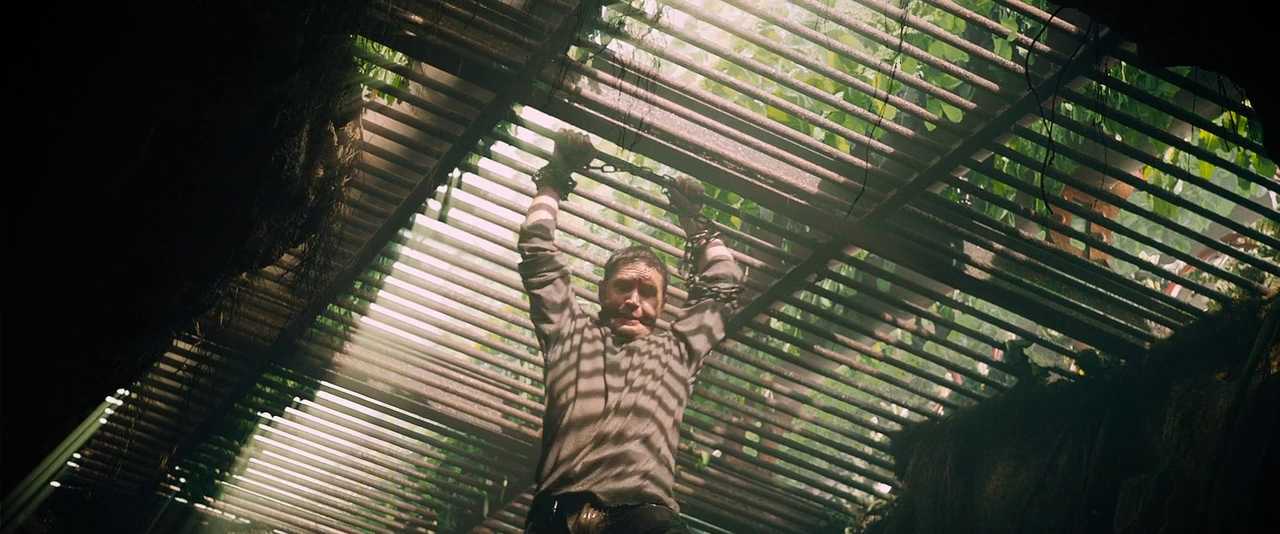
Example: In Mad Max: Fury Road (2015, Warner Bros.), Max is captured early. The film lets you feel the danger first, then it teaches the world through rules you can see in actions, objects, and power moves.
Why it matters: In medias res changes how you design your opening because the immediate goal has to stay clear without long explanations. It also changes how you deliver background because you need short, well-timed pieces of context that arrive while the story keeps pushing forward. If you hold back too much, viewers lose the thread. If you explain too much, urgency drops.
- Key takeaway 1: Start with one immediate problem you can track through clear cause and effect.
- Key takeaway 2: Reveal missing setup through details tied to choices and consequences.
- Key takeaway 3: Keep the opening goal simple, then expand the meaning once you have momentum.
The rest of this guide breaks down how the technique works in film structure, and how to write it without losing clarity.
What is in medias res in film and screenwriting? Definition and meaning
In film analysis, in medias res is a choice about information order. The story has a timeline where events happen in a certain order. The film can show those events in a different order. An in medias res opening starts with an effect that is already in motion, then it reveals earlier causes later through scenes, dialogue with stakes, or flashbacks. The goal is not speed. The goal is control. You guide attention by letting viewers track a present problem first, then you feed context at moments where it changes how the present reads.
Why in medias res matters
An opening teaches viewers how to watch the film. In medias res teaches viewers to follow pressure first and trust that answers will arrive later.
The question gap and the clarity risk
The question gap is the main engine here. The opening gives you an urgent moment, then it leaves out a few causes on purpose. You start asking, “How did this happen?” and “Why are these people stuck together?”
Clarity keeps that curiosity alive. Viewers can handle missing backstory. Viewers struggle when they cannot tell what the character wants right now, or what winning and losing look like inside the scene.
The fix is usually simple. Make the goal obvious. Make the obstacle visible. Add small orientation cues, such as names, status, and clear geography.
What it changes in exposition and pacing
Exposition still has to happen. In medias res mainly changes where it lands and how it feels.
When it works, later information feels earned because it answers questions the opening already created. When it fails, later exposition feels like repair work because the opening did not give enough to follow the basics.
What in medias res means and common mix-ups
People often use in medias res as a loose label for any intense opening. That leads to messy notes and rewrites. The term has a tighter meaning, and the differences matter when you plan structure.
In medias res and a cold open
A cold open is a scene before the title card that drops you into tone, conflict, or a mini-problem. Some cold opens are also in medias res.
Timeline is the useful test. A cold open can still be the first event in the story’s chronology, with fast orientation. An in medias res opening suggests earlier causes exist off-screen at first, and the film plans to reveal parts of that setup later.
In medias res and non-linear narrative
Non-linear narrative is a larger structure where scenes arrive out of chronological order. In medias res is one opening move. A film can start in medias res and still play mostly in order after the opening. A film can also combine in medias res with a non-linear structure.
In Memento (2000, Newmarket), the opening sits deep inside the story’s chain of events, and later scenes keep changing what the “present” moment means. That is in medias res plus a bigger time structure. I’ll get back to Memento later when discussing Christopher Nolan’s in medias res openings.
The opposite approach: ab ovo
Ab ovo is a classic term for starting from the beginning. In film terms, that often means you meet the character in normal life, then you watch the main problem arrive and grow.
Ab ovo often fits stories that depend on baseline routines, relationships, and slow build. In medias res often fits stories that want immediate pressure and later discovery.
How it works
In medias res works when you plan what viewers know now, what they learn later, and how each reveals changes the meaning of the present.
Choose an anchor moment
An anchor moment is the first scene’s core event that you can track without extra history. It can be a chase, a confrontation, a negotiation, a mistake, or a decision under time pressure. Action is optional. Readability is required.
A strong anchor answers basic questions fast. Where are we? What is the immediate goal? What blocks that goal? What happens if the character fails in the next few minutes?
Backfill earlier causes at the right time
Backfill is how the film supplies the missing setup after the opening. The most direct tool is a flashback, but it is not the only tool.
Backfill can arrive through a confession, a discovered document, a dangerous conversation, or a later scene that reveals new context for something you already saw. Backfill can also arrive visually. Props can signal relationships. Costumes can signal status. Reactions can show history.
Timing matters more than volume. A reveal should arrive at the moment it changes how you read what is happening now.
Keep cause and effect readable
Viewers still look for cause and effect, even when time order shifts. They want to know what triggers a choice, and what consequence follows.
A strong in medias res opening can delay motives and past events, but it still shows the next decision and the immediate result. That keeps the scene from feeling like noise.
How to write in medias res in a screenplay
On the page, in medias res is a choice you feel on page one. It affects your first scenes, your early pacing, and your plan for when the reader gets key context.
- Pick the anchor moment. Choose a scene with one immediate goal and one visible obstacle. If you cannot state the goal in one sentence, the opening often turns unclear.
- Decide what the reader must know right now. Give only the facts needed to follow the scene. That usually means location, roles in the room, and what “success” looks like in the next beat.
- Choose what you will delay on purpose. Delay information that creates useful questions, such as a missing motive, a hidden deal, or a past betrayal.
- Plant orientation cues. Use names, status cues, and specific behavior that shows power and alliances fast. Show who gives orders, who hesitates, and who holds leverage.
- Plan how backfill will arrive. Decide how the audience will learn earlier causes. Pick tools that fit your genre and tone, such as flashbacks, a confession, or a later reveal scene.
- Place reveal beats where they change meaning. A reveal lands best when it forces a new read of a choice, a lie, or a relationship you already saw.
- Test clarity in a cold read. Read the first five pages as if you know nothing. Add concrete cues if the scene depends on your outline for clarity.
Practical checks before you commit
Writers often reach for in medias res because they fear a slow start. Speed alone does not fix that. A better test is the promise your opening makes.
Ask what the opening sets up. Does it set up a mystery about cause, a character under pressure, a world with rules you will learn, or a moral problem that will tighten through consequences? If the opening does not set up something specific, the technique becomes surface motion.
Pros and cons in real drafts
In medias res helps when the situation is complex, and you can teach it through consequences. It also helps when the character’s routine is less interesting than the problem that breaks it.
The cost is compression. Viewers track the present problem while they also build context. Crime stories, thrillers, and survival stories often handle that load well. Some character studies need more baseline up front, especially when later emotions depend on quiet early scenes.
How to analyze in medias res in a film
Analysis starts with timing. The key question is not “Did it start with action?” The key question is “What did the opening make you want to know, and how did later scenes answer that question?”
- What is the anchor moment? Name the first scene’s goal and obstacle.
- What is delayed on purpose? List the missing causes, motives, or relationships the opening points toward.
- How does the film keep you oriented? Look for names, status cues, geography, and readable stakes.
- When do answers arrive? Track the scenes that supply missing context.
- Do reveals change earlier meaning? Note moments where new information changes what you thought you saw.
Example: Fight Club (1999, 20th Century Fox)
Fight Club opens in a moment that feels like an ending. The Narrator has a gun in his mouth, and Tyler speaks as if the plan is already locked in.
The opening places you late in the timeline, then the film builds the chain of causes that leads back to that moment. The first scene gains new meaning as later scenes reframe what you thought you understood.
Example: Pulp Fiction (1994, Miramax)
Pulp Fiction opens with a diner conversation that turns into a hold-up. You can follow the immediate problem, but you do not yet know how this moment connects to the larger character web.
The film later returns to the diner scene after you know more about Jules and Vincent, and after Jules has shifted as a person. That later context changes what the diner moment feels like.
Example: Christopher Nolan’s openings and fast orientation
Christopher Nolan often starts with high-pressure scenes, but the label in medias res does not fit every time. The useful test is whether the opening depends on later context to explain how the situation began.
Memento (2000, Newmarket) fits because the opening sits deep inside the timeline, and later scenes keep changing what the moment means.
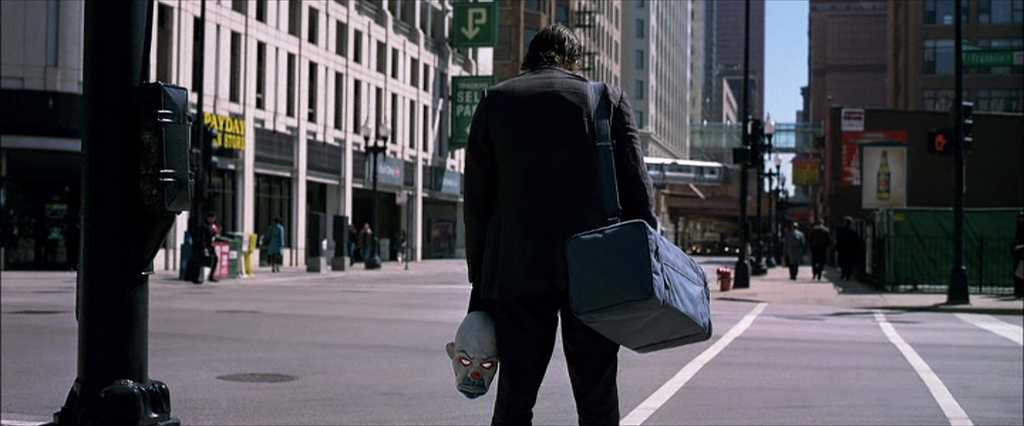
The Dark Knight (2008, Warner Bros.) opens with a bank heist that is easy to follow on its own, and it plays as early setup in the story’s timeline. Many viewers call that in medias res because it starts under pressure, but the structure does not rely on backfill to make the heist clear.
In medias res can be quiet
In medias res can begin with a tense conversation, a breakup already underway, or a moral decision that has already started. The technique is about timeline entry, not volume.
Sunset Boulevard (1950, Paramount) is a classic case. You meet the story from an extreme situation first, then the film fills in how the characters reached it. That framing changes how you read later scenes because you watch earlier choices with the ending in mind.
A short history and where the term comes from
In medias res is Latin and is commonly translated as “into the middle of things.” The idea shows up long before film.
Classical roots in epic storytelling
Horace, a Roman poet and critic, describes the approach in his writing on poetry. He praises epics that enter a story mid-stream instead of starting from the earliest event.
You can see the logic in ancient epics linked to Homer, such as The Iliad and The Odyssey. The story begins with a live problem, and earlier events arrive later through retellings and reveals. Film uses the same logic, with different tools.
How cinema uses the technique
Film can drop you into a situation fast because visuals and behavior carry information. A film can show fear, status, and danger before it explains names and history.
Many genres use in medias res to create pressure early, then supply context later. Mystery, crime, and thrillers often use it because delayed causes create questions that fit the genre.
Frequently Asked Questions
What does in medias res mean?
It is Latin for “in the midst of things” and describes starting a story in the middle of the action rather than at the beginning.
What is an example of in medias res?
The opening of Star Wars, which drops you into a space battle already underway, or the Iliad, which begins years into the Trojan War.
How do you pronounce in medias res?
Roughly “in MAY-dee-as RACE,” though the anglicized “in MEE-dee-as REEZ” is also common.
What is the difference between in medias res and a flashback?
In medias res is where a story starts, in mid-action, while a flashback jumps back to an earlier moment from a later point.
Why do writers use in medias res?
It hooks the audience immediately with action and raises questions that the rest of the story then answers.
Summing Up
In medias res is an opening choice that starts with a problem already in motion, then reveals earlier causes later. The technique works when the opening stays readable while it delays deeper context on purpose. The craft comes down to timing. Choose a clear anchor moment, plant orientation cues, and place reveals where they change how the present scene reads.
Read Next: Want to dig deeper into screenwriting?
Start with the Screenwriter’s Toolkit on literary devices vs. elements – a deep resource covering every major literary device and element used in writing.
Then explore our collection of practical writing techniques covering dialogue, structure, and pacing.
Or jump into the free screenwriting course to start your first draft today.
You can also head back to the Screenwriting section for more tools, theory, and breakdowns.
Recommended further reading
Film and narrative theory often treats in medias res as part of a bigger discussion about narration, time order, and information control.
- David Bordwell, Narration in the Fiction Film. University of Wisconsin Press.
- David Bordwell and Kristin Thompson, Film Art: An Introduction. McGraw-Hill.
- Seymour Chatman, Story and Discourse: Narrative Structure in Fiction and Film. Cornell University Press.
- Gérard Genette, Narrative Discourse: An Essay in Method. Cornell University Press.
- Aristotle, Poetics (in modern translation).
- Horace, Ars Poetica (in modern translation).
