

Published: July 12, 2024 | Last Updated: July 2, 2026

Overview
Definition: A dynamic character is a character who changes in a clear, lasting way because of what happens in the story.
What you’ve seen before: You’ve seen this when a character starts the film with one set of beliefs or habits, then ends it making different choices because they cannot go back to how they were.

Example: In Iron Man (2008, Marvel Studios), Tony Stark begins as a weapons genius who treats his work like a game. A life-or-death experience forces him to rethink what he builds and why. You can track the change in what he fears, what he values, and what he is willing to risk in public.
Why it matters: A dynamic character gives you a clean way to design a story that feels like it moves forward. It helps you pick scenes that apply real pressure, instead of repeating the same attitude in different locations. It also helps you revise, because you can test every major beat by asking what it changes inside the character and what new action that change causes.
- Key takeaway 1: Track change through decisions you can point to, not just feelings you describe.
- Key takeaway 2: Make the change happen because the plot applies pressure the character cannot ignore.
- Key takeaway 3: If the character ends the story making the same choices as page one, you probably wrote a static character.
Next, you’ll learn what counts as on-screen proof of change, how to build pressure that earns it, and how to spot a missing arc during rewrites.
Dynamic character in screenwriting: definition and examples
A dynamic character changes in a lasting way across the story, and the script can prove that change through choices and consequences on screen. The change shows up in what the character values, what they fear, or what they believe they must do to survive. This guide breaks the idea into simple tests you can apply while outlining, drafting, and rewriting.
Why “dynamic character” matters in real screenwriting work
This label matters because it changes the notes you give and the fixes you choose. When you call a character dynamic, you are claiming the story ends with a different person than it starts with. That should affect how you outline, where you place turning points, and how you judge whether a scene earns its place.
A dynamic character often helps when you want the plot to feel personal, because external events force internal decisions. It also helps when you want the ending to feel like a conclusion, because the film can show what the character learned, lost, or became through action.
If you want a wider framework for how change fits across a whole story, pair this with character arc definition.
What a dynamic character is in screenwriting terms
In a script, “dynamic” is less about description and more about evidence. You show what the character believes early, then you pressure that belief until the character either changes or breaks. The change has to show up in behavior, not only in dialogue or backstory.
Dynamic change is a before-and-after that you can prove in scenes
A simple test is to find an early scene that shows the character’s default strategy, then find a late scene where a similar pressure returns. If the character responds with a different strategy, and the script has shown why, the change reads as dynamic.
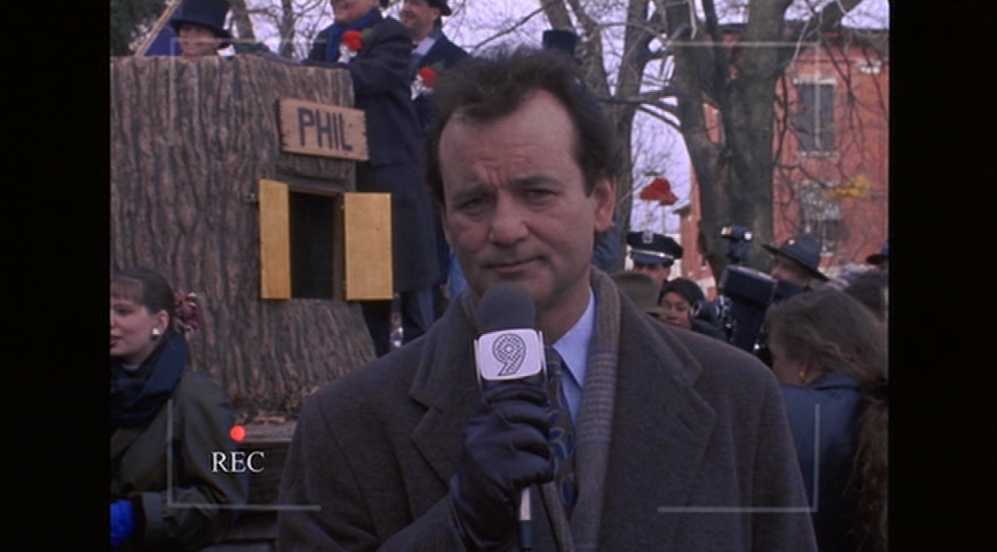
In Groundhog Day (1993, Columbia), Phil’s repeating day makes the test easy. Early loops show selfish choices and short-term fixes. Later loops show deliberate choices that help other people, even when nobody can reward him.
Dynamic change comes from choices under pressure
New information is not the same thing as change. A character can learn a secret, get fired, or lose a friend, then stay the same person inside. A dynamic arc shows what the character does with pressure, then shows the cost of those decisions.
If you want the term that covers the broader “how do we know who this person is” question, use characterization in film as your base concept.
Dynamic does not mean “high energy”
Some characters stay calm on the surface while they change on the inside. Other characters swing mood-to-mood while their values stay fixed. Dynamic change is about what stays different at the end, because the character now chooses a new strategy when the same kind of problem shows up.
Dynamic vs. static characters
Dynamic and static describe change across the whole story. The easiest mistake is to treat “static” like an insult. Many stories are built around a steady lead who holds a value and tests the world around them.
A static character can still carry the story
A static character can be the protagonist if they drive the main goal and keep the central problem active. The difference is that the ending proves they stayed consistent, even after pressure. If you want the precise definition and examples, see static character definition.
In many adventure stories, the lead’s steadiness is the engine. The plot becomes a test of skill and resolve, and the change lands on the world, the allies, or the villain.
When dynamic change adds value, and when it adds noise
Dynamic change helps when the story asks a personal question, like “Who are you when your old strategy stops working?” Static leads help when the story is about execution, duty, or survival, where the main pleasure comes from the character staying competent under stress.
If you force transformation onto a story that does not need it, the arc can feel pasted on. The final beat starts to sound like a lesson, instead of a result.
Dynamic vs. round characters (and why people mix them up)
Many people use “dynamic” as a synonym for “deep.” That creates messy notes because depth and change are two different measurements. One is about layers you can point to in scenes. The other is about a shift across time.
A round character is about depth you can prove
A round character has multiple traits, competing motives, and believable contradictions that show up in scenes. A round character might change, and a round character might stay stable. Use round character definition when you want to separate “layered” from “changing.”
A dynamic character is about an internal shift that sticks
A dynamic character can look simple on the surface and still be dynamic if the story proves a real internal shift. The reverse is also common. A character can be layered and still end in the same belief, value, and identity.
If you want a quick map of how the labels overlap, see flat, round, static, and dynamic character types.
Internal change vs. external change
When people argue about whether a character is dynamic, they often talk past each other. One person points to external events, and the other person looks for an internal shift. Separating the two helps you write cleaner arcs and give better notes.
Internal change is a shift in belief, value, or identity
Internal change is what the character thinks is true about themselves, other people, or the world, and what they choose to live by. You can show it through decisions, priorities, and the risks the character accepts.
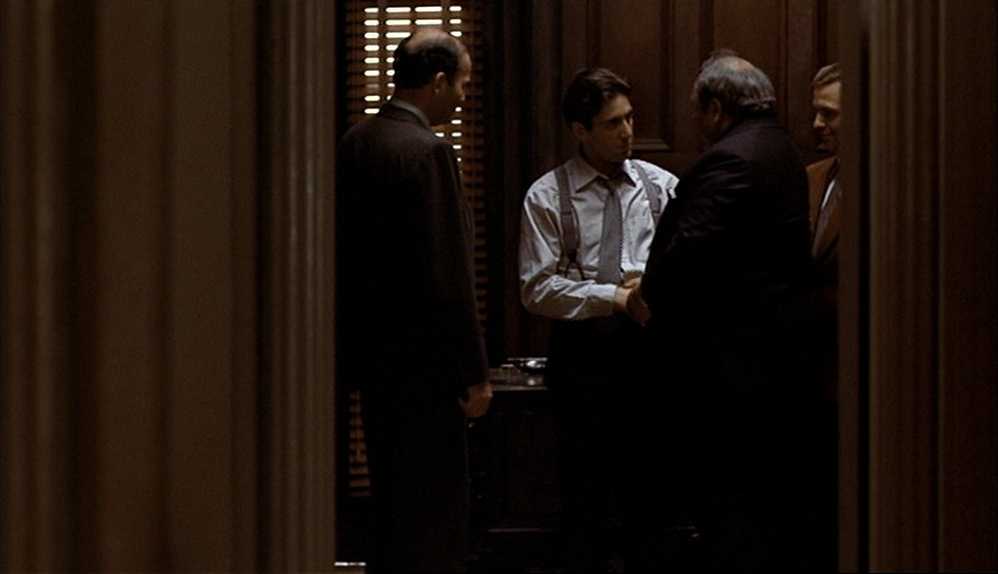
In The Godfather (1972, Paramount), Michael’s arc becomes easier to track when you focus on belief and identity. Early scenes sell his distance from the family business. Later scenes prove he accepts power logic, then becomes the person who controls it.
External change is a shift in role, status, or situation
External change is what happens around the character: a new job, a new relationship, a new location, higher rank, public disgrace. External change can support an arc, but it does not automatically create one.
A character can become rich and still stay fearful. A character can lose everything and still stay proud. External facts matter most when they force new choices.
The strongest arcs connect internal and external change
A clean dynamic arc links the character’s inner shift to something you can see in the world. The story sets a cost, then proves the character accepts that cost for a new value, or refuses it to protect an old one.
If you want to pressure the character from more than one direction, build scenes that combine internal and external obstacles. Use types of conflict in film to name what you are applying.
How to write a dynamic character arc (a practical method)
You do not need complex psychology terms to write change that reads as real. You need a starting strategy, a reason it exists, pressure that breaks it, and a costly choice that forces a new path. Use the steps below as a drafting checklist and a rewrite diagnostic.
- Define the start state as a usable rule. Write one sentence the character lives by, even if they never say it out loud. Keep it practical. It should control decisions. Example start rule: “If I rely on people, I get hurt.”
- Show the old strategy working, then show its hidden cost. Early scenes should prove the strategy has benefits. They should also hint at what it damages. If the strategy never works, the character looks foolish. If it has no cost, the character has no reason to change.
- Design pressure that targets the strategy, not only the goal. The plot should attack the coping move. The character should try the old solution, then watch it fail in a specific way. In Toy Story (1995, Pixar), Woody’s control and jealousy drive choices that backfire. The story keeps forcing situations where control makes things worse.
- Force a choice that has a visible price. The turning point should ask the character to risk something real: status, safety, love, identity, pride. The character either changes or doubles down. A speech can help, but the decision is the proof.
- Prove the new self through action, then let the world answer. The ending should show the character acting from the new rule, and it should show consequences that confirm the shift. If nothing changes in behavior, the arc stays theoretical.
Common misunderstandings and bad notes you can avoid
Most dynamic character problems come from vague language. The fix is to name what changed, where it changed, and what scene proves it. If you cannot point to proof, you are describing a wish, not an arc.
“They have backstory, so they are dynamic.”
Backstory can explain why a character has a rule, but it does not create change. A dynamic arc happens during the story, and it shows up through new decisions under new pressure.
“They suffer a lot, so they are dynamic.”
Pain is not change. A character can suffer and stay stubborn, cruel, or avoidant. The arc appears when the suffering forces a different value or a different identity choice.
“They become nicer, so the arc is done.”
“Nicer” is vague. Write the specific shift instead. Maybe they stop lying. Maybe they accept help. Maybe they stop chasing approval. Each version creates different scenes and different endings.
“They change because the theme says they should.”
Theme and arc can support each other, but the story still has to earn the shift through choices and costs. If you want a practical way to keep theme grounded, use theme in film to keep the idea tied to outcomes on screen.
How to diagnose a “missing arc” during rewrites
Rewrite work gets easier when you treat the arc as evidence that has to appear on the page. You are checking whether the script proves the shift at the right moments, with the right cost.
Check the start, the middle, and the end for the same pressure
Pick one kind of pressure that defines the character’s problem, then look for it in three places: early, mid, late. The scenes do not have to match, but the pressure should rhyme. When the pressure returns, the character’s response should evolve if the arc is dynamic.
Track choices, then track consequences
Write down the character’s five most important decisions. Under each decision, write the consequence that follows. If consequences do not land, the arc feels weightless. If consequences land but decisions stay the same, the character reads as static.
Use supporting characters as pressure tools
Supporting characters can force the protagonist to face their rule. A friend can reward honesty. A rival can punish weakness. A mentor can demand responsibility. If every side character only agrees, the arc has no friction.
If you want a planning tool that helps you keep behavior consistent across drafts, use character bio template to lock the start state before you design the change.
Character development exercises that build dynamic change
Exercises work best when they produce scenes you can actually write. The goal is to build a start rule, test it under pressure, and prove a shift through action.
- The repeated situation test. Write two short scenes with the same setup, one near the start and one near the end. Keep the situation similar, then change the character’s choice. Finish with one sentence that explains what the story did to earn the difference.
- The failing strategy ladder. List the character’s default coping move. Write three escalating situations where the move works, then works less, then breaks. The third situation should force a decision that costs something.
- The cost sentence. Finish this sentence: “To become the person who can win, they must risk __.” If you cannot name the cost, the arc is probably too safe.
- The behavior proof pass. Choose one inner shift, then write three pieces of behavior that prove it without dialogue. Make one private, make one social, then make one under stress.
Frequently Asked Questions
What is a dynamic character in simple terms?
A dynamic character is one who changes in a meaningful way over the course of a story.
What is an example of a dynamic character?
Michael Corleone in The Godfather, who transforms from a reluctant outsider into a ruthless crime boss.
What is the difference between a dynamic and a static character?
A dynamic character changes over the story, while a static character stays essentially the same from start to finish.
What is the difference between a dynamic and a round character?
Dynamic refers to change over time, while round refers to depth and complexity. A character can be both at once.
Is the protagonist always a dynamic character?
Often, but not always. Many protagonists change, but some, especially in series or action films, stay static while the world around them changes.
Summing Up
A dynamic character changes in a lasting way across the story, and the film can prove that change through choices and consequences. The cleanest test is a before-and-after under similar pressure. If the character responds with a new strategy, and the story earns it through cost and consequence, the arc reads as dynamic.
Dynamic is not the same as round. Round is about layers you can point to. Dynamic is about an internal shift that sticks. A story can also succeed with a static character when the point is endurance, duty, survival, or a steady value that changes the world around them.
Read Next: Want to write characters that feel real on the page?
Start with our Free Screenwriting Course — a complete foundation in structure, dialogue, and building compelling characters.
Then browse all character development articles — from internal conflict and arcs to ensemble design and protagonist logic.
Or return to the Screenwriting section for formatting, story structure, and writing tools.
