

Published: July 11, 2024 | Last Updated: July 2, 2026

Overview
Definition: A round character is a character with more than one clear trait, so you can see mixed motives in their choices.
What you’ve seen before: You’ve seen this when a character makes different choices under different pressure, and each choice still feels like the same person.
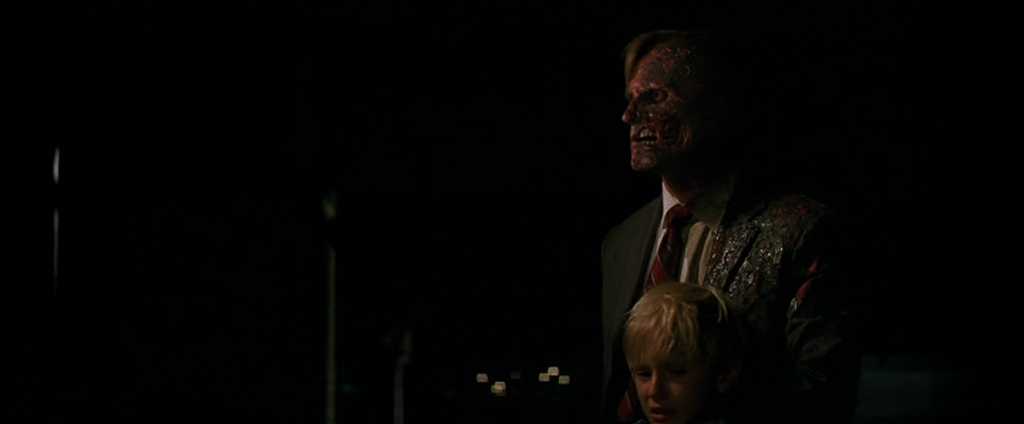
Example: In The Dark Knight (2008, Warner Bros.), Harvey Dent presents himself as Gotham’s public “white knight.” The film also shows pride, anger, and a need for control when plans fall apart. After he is disfigured, he starts using the coin to judge outcomes and takes violent revenge on the people he blames, and you can still trace the shift back to traits the story showed earlier.
Why it matters: A round character changes how you write and shoot scenes because the character usually wants two things at once. That mix shows up in dialogue, distance, eye contact, and timing. The tension stays readable because you can track what the character wants, what they fear, and what they refuse to give up.
- Key takeaway 1: Give the character at least two traits that can clash in the same situation.
- Key takeaway 2: Prove those traits through choices under pressure, not labels or backstory dumps.
- Key takeaway 3: Track a through-line, so each new action connects to what you already know about them.
Important nuance: Round is about depth. Dynamic is about change. A character can be round and still be static.
Next, we’ll place round characters inside the bigger character-writing framework, then break down how to spot them and write them with scene-level proof.
Round characters within a bigger writing framework
A round character is a character whose behavior shows more than one motive across the story, which helps you track turning points, relationships, and theme through scene evidence.
A round character belongs to characterization. Characterization is the on-screen proof that tells you who a character is. Roundness is one way that proof shows up, because you can point to multiple traits and see how they compete inside choices.
Round characters often matter most in stories where decisions create the main turns. When you can track the character’s mixed motives, you can understand why a scene changes direction. You can also connect character choices to theme because theme often shows up when a character must pick between values.
Round vs. dynamic vs. static vs. flat
These terms overlap, so they often get mixed up. Each term answers a different question.
| Type | What it means | Quick test |
|---|---|---|
| Round | You can prove more than one trait and more than one motive through scenes | Can you name conflicting traits and point to a scene that proves each one? |
| Flat | The character stays close to one main trait, with little variation across situations | Do they play basically the same note even when the stakes change? |
| Dynamic | The character changes internally across the story (beliefs, values, identity, or priorities) | Do they end with a different belief or value than they started with? |
| Static | The character keeps the same core beliefs and values across the story | Do their core values stay the same even as circumstances change? |
If you want a full breakdown of how these types combine, see: Character Types Explained: Flat, Static, Round & Dynamic. You can also jump to the dedicated guides on dynamic characters and static characters.
What makes a character round
A round character feels real because you can prove different sides of them in different situations. The proof comes from choices, habits, and reactions that repeat across scenes.
Roundness often shows up as a conflict between motives. The character wants an outcome, and they also want to protect something else, such as pride, safety, or control. You can see that conflict in what they avoid, what they push for, and what they say when they feel cornered.
- More than one trait, with scene proof for each one.
- Competing motives, so the character can want two incompatible outcomes in the same situation.
- Behavior that changes with pressure, while the core values stay traceable.
- Specific costs, where choices risk status, relationships, safety, or identity.
- Contradictions that matter, because they create dilemmas that force a decision (see internal conflict).
Significance of round characters in storytelling
Round characters matter because they make turning points feel earned. You can see why a character hesitates, compromises, lies, or explodes, because the motives are already on the table.
Roundness also helps you stage scenes. If a character wants approval and control at the same time, you can show that through blocking and timing. You can stage them close to someone they need, and you can have them step back when the conversation threatens their self-image. The conflict shows up before anyone says a word.
Roundness can also carry theme in a clear way. Theme often shows up when a character must choose between values, such as duty versus love. When you can prove both values in earlier scenes, the later choice lands harder because it has a setup.
How to spot a round character in a script or film
When you analyze a character, focus on proof you can point to. If you cannot name scenes, you end up with labels that do not help you write or shoot anything.
- Trait evidence: Can you name 3 to 5 traits and point to a scene for each one?
- Contradiction evidence: Can you name one contradiction and show where it appears under stress?
- Motivation evidence: Can you explain what they want, what they fear losing, and what they protect, with at least one scene for each?
- Pressure test: When stakes rise, do their choices reveal character, or do they simply serve plot convenience?
- Relationship variation: Do they behave differently with different people, and can you explain why the stakes change?
If your notes keep turning into vague adjectives, you may be looking at a flat character. You may also be looking at a character who could be round, while the script has not yet proved the layers through actions.
How to write a round character in a screenplay
Roundness comes from scene design. You build repeatable situations that force choices, and you make each choice cost something the character cares about. When you do that, you can surprise the viewer without losing clarity, because the earlier scenes already proved the traits.
Tips for creating three dimensional characters in scripts
These tips help you turn character adjectives into playable behavior. Each one pushes you toward decisions that show up on the page and on screen.
- Turn one trait into an action habit: If the character is “kind,” show what they do when kindness costs time, money, or status.
- Give them a private rule: A rule creates consistency. Make it specific, such as “I never beg” or “I never hit first.”
- Give them a mask and a private self: Show who they act like in public, and show what changes when they feel safe.
- Change the pressure, then watch the same traits react: Put the character in the same kind of conflict with higher stakes, and see which motive takes over.
- Use relationships as proof: Different people should trigger different sides of the character because the history and stakes differ.
- Let them be right and wrong: A round character can make a smart point in one scene, then make a selfish choice in the next scene.
Character development techniques for round characters
These techniques help you draft and rewrite with a clear target. The goal is simple: build patterns an actor can play, and build choices a viewer can follow.
Technique 1: The want, protect, fear map
Write one sentence for what the character wants in this scene. Write one sentence for what they protect, such as pride, control, or approval. Write one sentence for what they fear losing. Then write the scene so those three forces pull in different directions.
Technique 2: The contradiction pair with scene proof
Write one contradiction as a pair, then prove both sides in separate scenes.
- Example pair: Protective and controlling.
- Scene proof: One scene shows care that helps. Another scene shows the same care becoming control when fear takes over.
Technique 3: The default strategy, then the failure
Give the character a default coping move, then make it stop working. A default strategy can be joking to avoid pain, lying to keep control, or people-pleasing to avoid conflict. Show it early, then design a later scene where that move causes a worse result.
Technique 4: The values collision scene
Create a moment where two values cannot both win. Force a decision, then show the cost. That cost is character development, because it proves what value wins when the character runs out of safe options.
Technique 5: The escalation ladder
Repeat a similar situation three times, and raise the cost each time. Keep the core motive readable, and make the behavior shift as pressure rises. You can keep the character static and still learn more about them through higher-stakes tests.
If you want to connect this to structure, see story arc and how it connects to a character arc.
Round character checklist
Use this checklist while you outline, revise, or break down a character. Aim for scene answers, so you can point to proof instead of general impressions.
- What do they want right now, and what action shows it?
- What do they protect, and what line will they not cross yet?
- What do they fear losing, and what behavior shows that fear?
- What contradiction defines them, and which scene proves each side?
- What do they do under stress that they do not do when calm?
- What choice under pressure costs them something they care about?
To pressure-test choices inside a full structure, map turning points and decisions with beats. See: How to Use and Write Story Beats in a Screenplay and the broader guide to narrative structure formulas.
Examples of round characters in literature and film
Examples work best when you treat them like mini case studies. For each one, name a contradiction, name the pressure point, and name the choice that proves depth.
Examples from literature (and film adaptations of literature)
These characters come from books, and the same proof-based approach works when you watch adaptations or write your own scenes.
Elizabeth Bennet, Pride and Prejudice
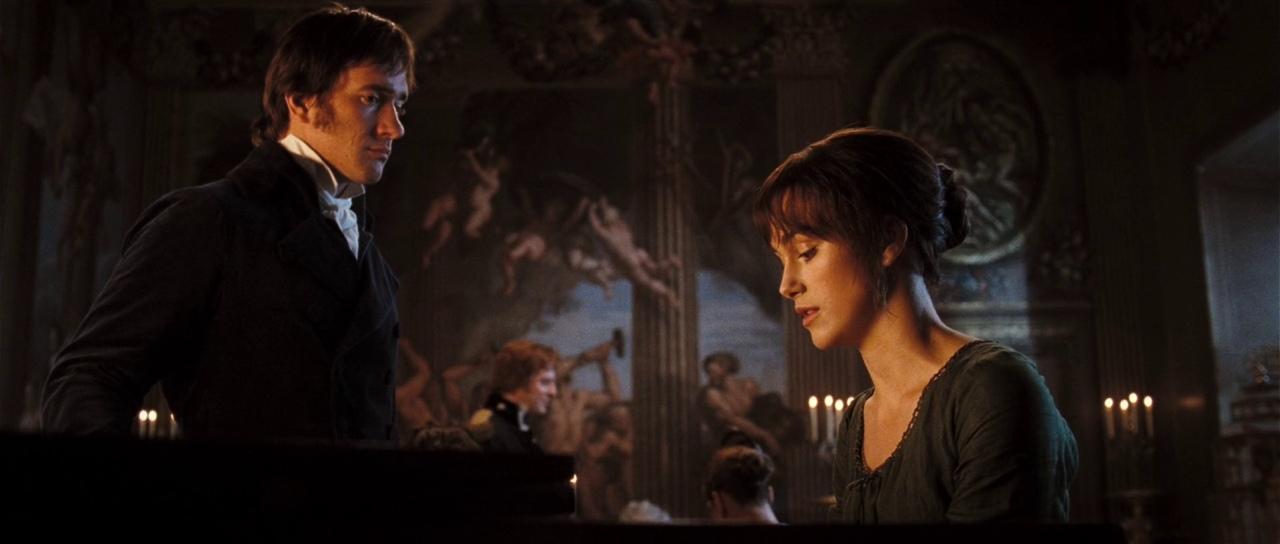
Elizabeth reads as round because pride and perception both drive her choices. New information forces her to adjust, and you can see that adjustment in behavior, not only in attitude.
- Contradiction: Confident and perceptive, yet proud and quick to judge.
- Pressure: Social expectations collide with personal values.
- Roundness evidence: A later scene forces her to admit she judged too fast, and her behavior changes after that proof.
Jay Gatsby, The Great Gatsby
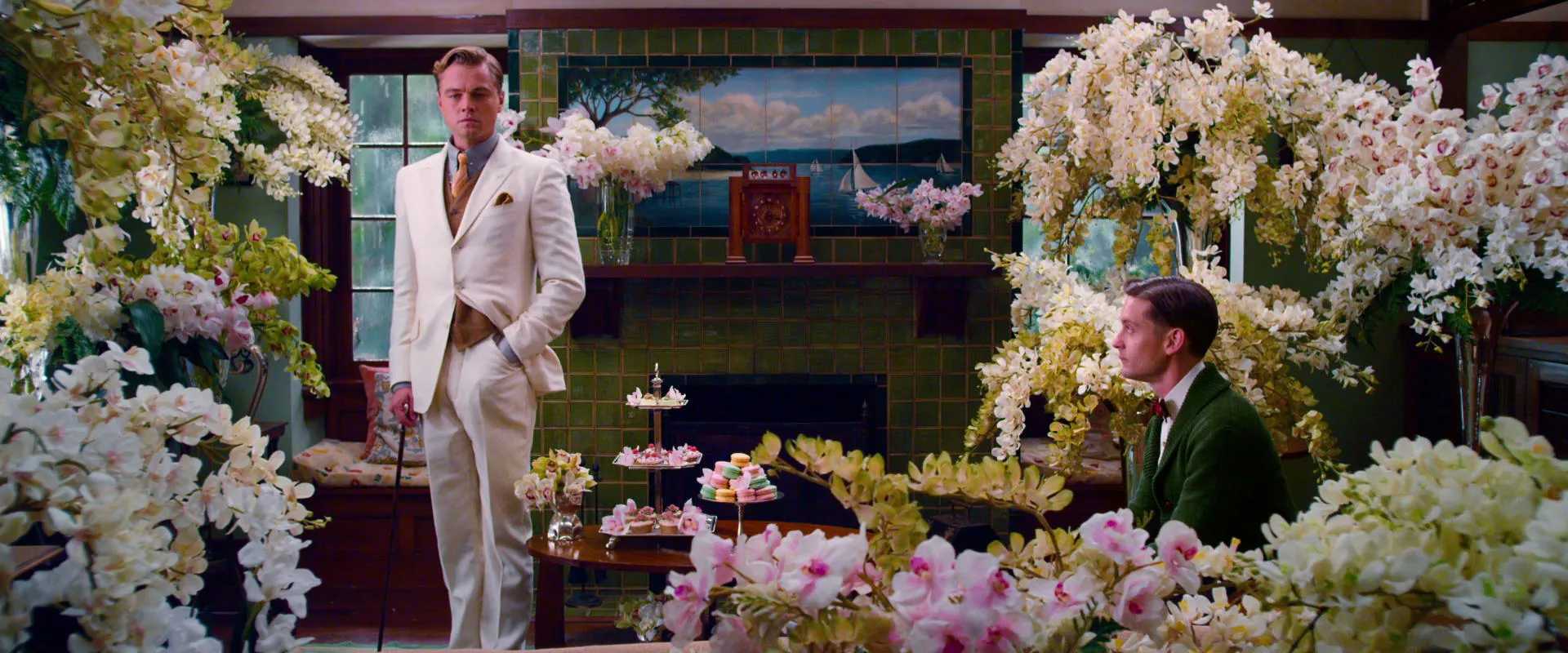
Gatsby feels round because his dream creates charm and self-destruction at the same time. You can track what he wants, and you can also track what he hides to keep that dream alive.
- Contradiction: Romantic idealism paired with deception.
- Pressure: A dream that cannot survive reality.
- Roundness evidence: The story keeps revealing deeper motives behind earlier behavior, and the reveals connect to choices you already saw.
Harry Potter, Harry Potter series
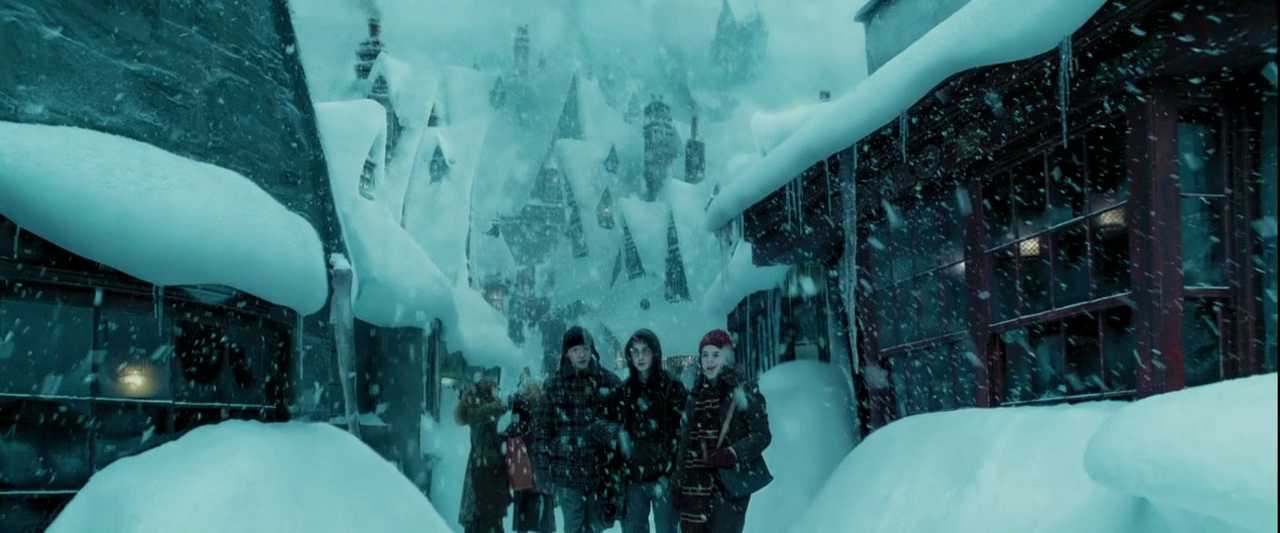
Harry reads as round because the story keeps testing the same core values under different pressure. You can see impulse in one moment, and you can see careful responsibility in another moment, with clear reasons for both.
- Contradiction: Teenage impulse vs. responsibility to protect others.
- Pressure: Loss, temptation, and identity decisions across multiple stories.
- Roundness evidence: The motives stay readable even when his behavior shifts from scene to scene.
Examples from movies and TV
These characters work on screen because the story keeps forcing choices, and the consequences keep stacking. That chain of cause and effect is what proves depth.
Shrek, Shrek series
Shrek feels round because he wants connection, and he also wants protection from rejection. When intimacy gets close, his defense behavior pushes people away, even when he wants the opposite result.
- Contradiction: Defensive cynicism paired with deep sensitivity.
- Pressure: Intimacy threatens the identity he built to survive rejection.
- Roundness evidence: He uses humor and anger as armor, and the armor fails when relationships become real.
Rick Blaine, Casablanca
Rick reads as round because self-protection keeps colliding with a moral core he cannot fully bury. The story forces choices where either option costs him something, so you can see which value wins when it matters.
- Contradiction: Self-protection vs. responsibility to other people.
- Pressure: Love and survival collide with ethics and sacrifice.
- Roundness evidence: He hesitates, tests people, and commits once the cost becomes unavoidable.
Walter White, Breaking Bad
Walter feels round because his motives shift while he keeps telling himself the same “provider” story. You can track the gap between his stated reasons and his real hunger for control, and that gap grows through decisions.
- Contradiction: Provider logic vs. pride and hunger for control.
- Pressure: Each step creates a new moral problem that demands a fresh choice.
- Roundness evidence: His reasons evolve across scenes, and the evolution changes what he is willing to do next.
Related reading
- Flat character
- Static character
- Dynamic character
- Character types comparison
- Characterization
- Internal conflict
- Theme
- Story arc
Frequently Asked Questions
What is a round character in simple terms?
A round character is a complex, fully developed character with depth, contradictions, and a believable inner life.
What is an example of a round character?
Michael Corleone in The Godfather, or Elizabeth Bennet in Pride and Prejudice.
What is the difference between a round and a flat character?
A round character is complex and multi-dimensional, while a flat character has just one or two traits.
What is the difference between a round and a dynamic character?
Round refers to depth and complexity, while dynamic refers to change over time. A character can be both.
Are protagonists always round characters?
Usually, but not always. Most protagonists are round, but some are deliberately simple, especially in genre or action films.
Summing Up
A round character has depth you can prove in scenes. You can point to more than one trait, you can point to competing motives, and you can connect later decisions to earlier evidence. Many round characters also change internally, and roundness does not require that kind of change.
If you want to build stronger character work from the ground up, start here: Free Screenwriting Course.
After that, use the character development articles on internal conflict, arcs, ensemble design, and protagonist logic. You can also return to the full Screenwriting section for tools and guides.
Read Next: Want to write characters that feel real on the page?
Start with our Free Screenwriting Course — a complete foundation in structure, dialogue, and building compelling characters.
Then browse all character development articles — from internal conflict and arcs to ensemble design and protagonist logic.
Or return to the Screenwriting section for formatting, story structure, and writing tools.
