

Published: October 9, 2025 | Last Updated: October 26, 2025

What is A story arc? Definition & Meaning
A story arc is the complete emotional and narrative journey of a character from beginning to end. It shows how the character starts in one state, faces challenges, and ends in another, often transformed by their experience.
A story arc connects the key events in your narrative so that each one leads to the next. It shows how change builds over time and gives your story a clear direction.
Why Story Arcs Matter
Without a story arc, characters feel static. Events may happen, but they don’t add up. A strong arc makes each story beat feel earned. It also builds emotional stakes, gives structure to your plot, and shows clear cause and effect.
Core Structure: The Five-Part Story Arc
Most story arcs follow a familiar five-part structure. This helps organize your story into distinct stages that build toward meaningful change.
- Exposition: Introduce the character and their normal world.
- Rising Action: A conflict or goal appears. Stakes rise. Obstacles build.
- Climax: The character faces a major turning point or decision.
- Falling Action: Consequences of the climax play out. Loose ends begin to resolve.
- Resolution (or Denouement): The story closes. The character reaches a new emotional or narrative state.
Example: Luke Skywalker in Star Wars: A New Hope (1977)
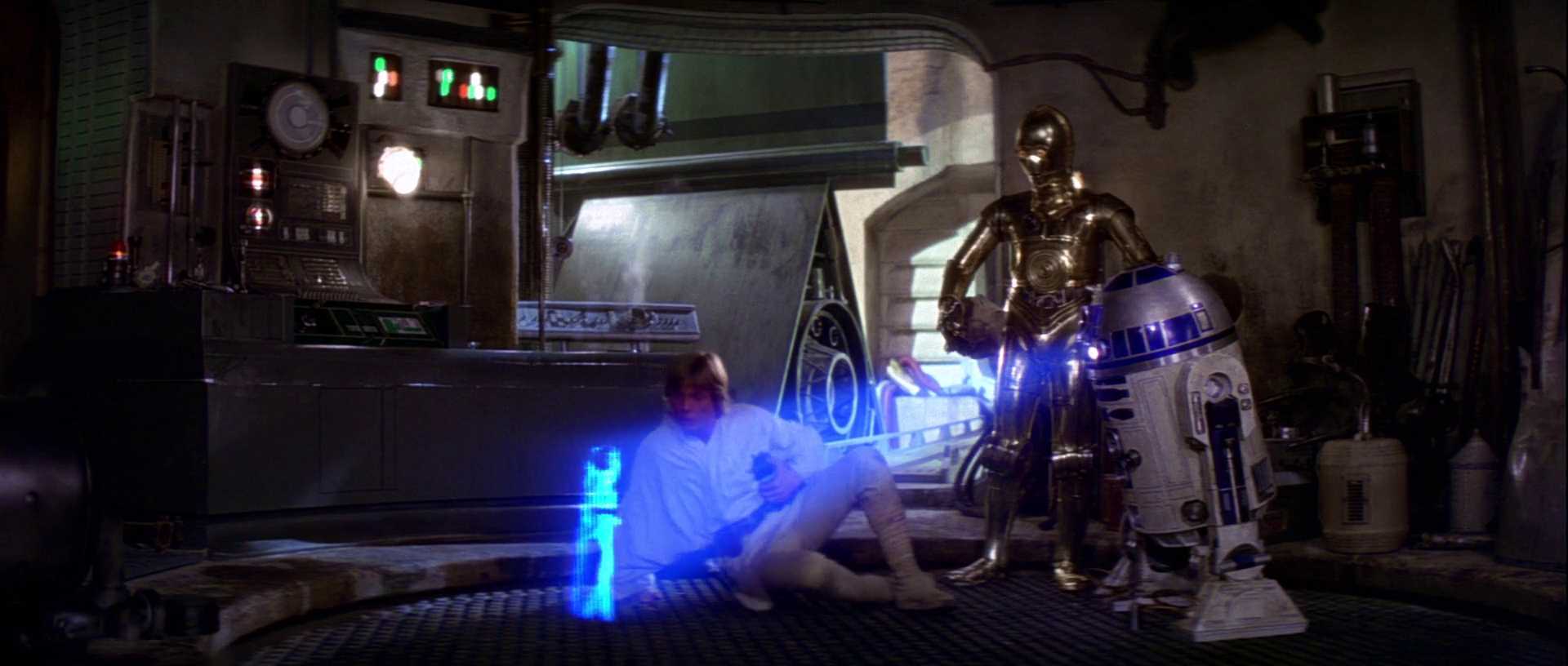
This example shows how a story arc works in a well-known film. Notice how each stage brings Luke closer to transformation.
- Exposition: Luke feels stuck on Tatooine and longs for more.
- Rising Action: He finds Leia’s message, joins the Rebellion, and begins Jedi training.
- Climax: He trusts the Force and destroys the Death Star.
- Falling Action: The Rebels celebrate. Luke is recognized as a hero.
- Resolution: Luke has transformed. He’s no longer just a farm boy.
Story Arc vs. Plot vs. Character Arc
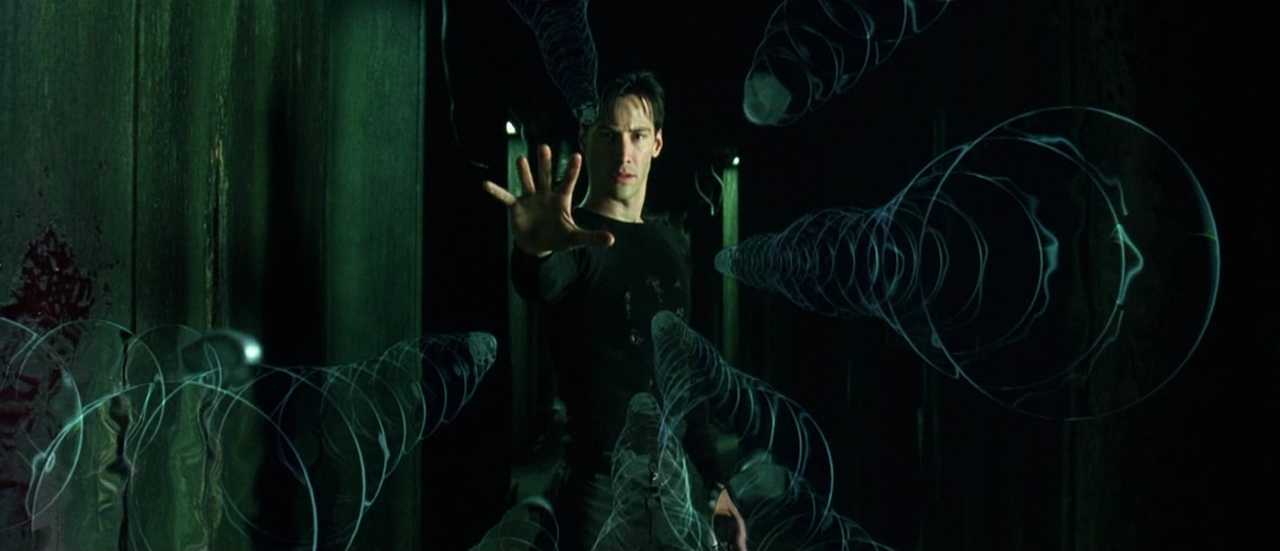
These terms are often confused. Here’s how they relate and differ from one another.
- Plot: The sequence of events in a story, what happens.
- Story: The full experience of a narrative, including characters, setting, theme, conflict, and emotional meaning. A story includes what happens and why it matters. Read more on the difference between plot and story.
- Story Arc: How those events are arranged to build emotional and narrative momentum.
- Character Arc: The inner transformation of the character in response to the events.
In most stories, plot, story arc, and character arc work together.
In The Matrix (1999), the plot includes training, pursuit, and battles. The story arc builds tension toward a final moment of transformation. Neo’s character arc tracks his internal shift from doubt to complete self-belief, culminating when he stops bullets and accepts his role as “The One.”
Types of Arcs and Emotional Patterns
Story arcs describe the shape of change across a narrative. They track how a character or situation shifts over time through growth, decline, or resistance to change.
- Positive Arc: The character improves or overcomes internal flaws. Example: Moana in Moana (2016).
- Negative Arc: The character falls, fails, or becomes worse. Example: Anakin Skywalker in the Star Wars prequels.
- Flat Arc: The character stays true to their beliefs, helping others to change. Example: James Bond in Casino Royale (2006).
Full stories also follow emotional arcs. These show how the audience’s emotional experience rises and falls. Six common story arcs appear across genres and formats:
- Rags to Riches (rise): A steady rise in fortune. The story moves from low to high. Example: Cinderella.
- Tragedy/Riches to Rags (fall): A fall from grace. The story moves from high to low. Example: Requiem for a Dream (2000).
- Man in a Hole (fall → rise): The protagonist falls into trouble and then climbs back out. Example: The Martian (2015).
- Icarus (rise → fall): A rise followed by a steep fall. Example: Goodfellas (1990).
- Cinderella (rise → fall → rise): A fall, a rise, and a happy ending. Example: Legally Blonde (2001).
- Oedipus (fall → rise → fall): A rise, fall, and further fall. Example: Scarface (1983).
The patterns shape how the story feels. The emotional arc builds tone, meaning, and payoff. The six emotional arcs are based on story shapes first proposed by Kurt Vonnegut and later confirmed by a 2016 data study from the University of Vermont and MIT. Source: Reagan et al., “The emotional arcs of stories are dominated by six basic shapes”, published in EPJ Data Science, 2016
Turning Points and Sub-Arcs
Most story arcs don’t move in a straight line. They include critical moments where things shift, especially in longer narratives. These turning points help the character move into a new phase of their journey.
- Inciting Incident: An event that breaks the status quo and forces the character to act.
- Plot Point 1: The character commits to a new path or goal.
- Midpoint: A major reveal or reversal. Stakes shift.
- Plot Point 2: A final obstacle appears before the climax.
In longer stories, you can also create nested arcs. These are smaller arcs tied to secondary characters or subplots. They add layers to the main narrative and make your world feel richer.
Genre and Pacing
Not all story arcs feel the same. Genre influences pacing, structure, and tone. Think about how different genres shape the flow of tension and resolution.
- Thrillers: Fast pacing and sharp shifts in tension.
- Character dramas: Slower build-up focused on internal change.
- Comedies: Circular arcs that resolve conflict while restoring balance.
Good arcs rise and fall. Don’t keep tension flat for too long. Use small peaks and dips to hold interest and prepare for major beats.
How to Build a Strong Story Arc
To plan your story arc, ask clear questions. These guide the structure and show where emotional shifts must happen.
- Where does the character start? What do they want?
- What event breaks their routine or forces action?
- What choices raise the stakes?
- What decision or moment defines the climax?
- How do they change by the end?
Each event should have weight. Make sure every scene causes something to shift, whether it’s a plan, a goal, or an emotional state.
Summing Up
A story arc is the emotional and structural path of a character’s journey. It shows how your character changes (or resists change) across time. By using strong turning points, pacing, and structure, you can shape a narrative that feels complete, clear, and emotionally honest.
Read Next: Want to dig deeper into screenwriting?
Start with the Screenwriter’s Toolkit on literary devices vs. elements – a deep resource covering every major literary device and element used in writing.
Then explore our collection of practical writing techniques covering dialogue, structure, and pacing.
Or jump into the free screenwriting course to start your first draft today.
You can also head back to the Screenwriting section for more tools, theory, and breakdowns.
