

Published: October 10, 2025

What is A stereotype? Definition & Meaning
A stereotype is a fixed, oversimplified idea about a group of people, repeated so often that it becomes a cliché. It flattens individuals into roles based on race, gender, class, culture, or age. Stereotypes make stories predictable and characters hollow.
Why Stereotypes Persist
Writers often follow what they’ve seen before. Studios reward familiarity. When deadlines are tight or research is weak, scripts fall back on shallow patterns. These habits keep stereotypes in circulation.
Historical Legacy
Early cinema used blackface, yellowface, and redface to mock or distort identity. These portrayals shaped long-lasting tropes. Many modern stereotypes are updated versions of harmful ideas rooted in colonial and racist traditions.
Common Stereotypes in Movies
Stereotypes appear across genres. They reduce characters to one trait, often repeated without reflection:
The Gay Best Friend: Funny and stylish but sidelined, with no arc of their own.

The Muslim Terrorist: A villain defined only by ethnicity or religion (see examples further down in this article).
The Asian Genius: Quiet, awkward, and always solving technical problems.

The Strong Black Woman: Always helping others, never receiving support.
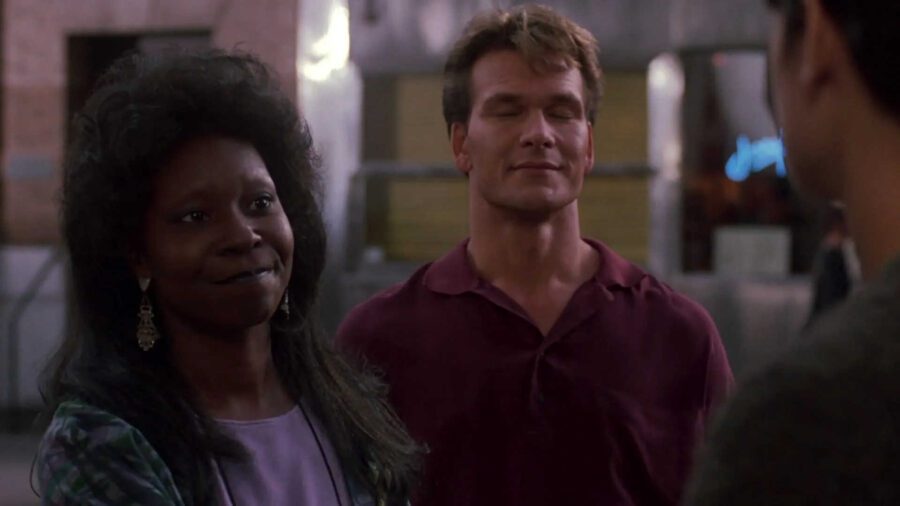
The Latina Spitfire: Loud, oversexualized, and used for tension or humor (see examples further down in this article).
Token Minority: A single non-white character included for surface-level diversity.
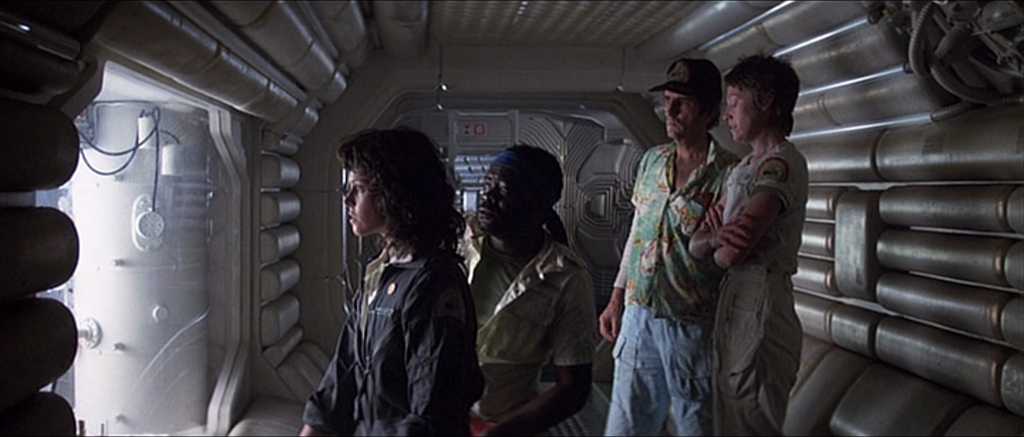
Magical Helper: A wise outsider who exists only to guide the hero.
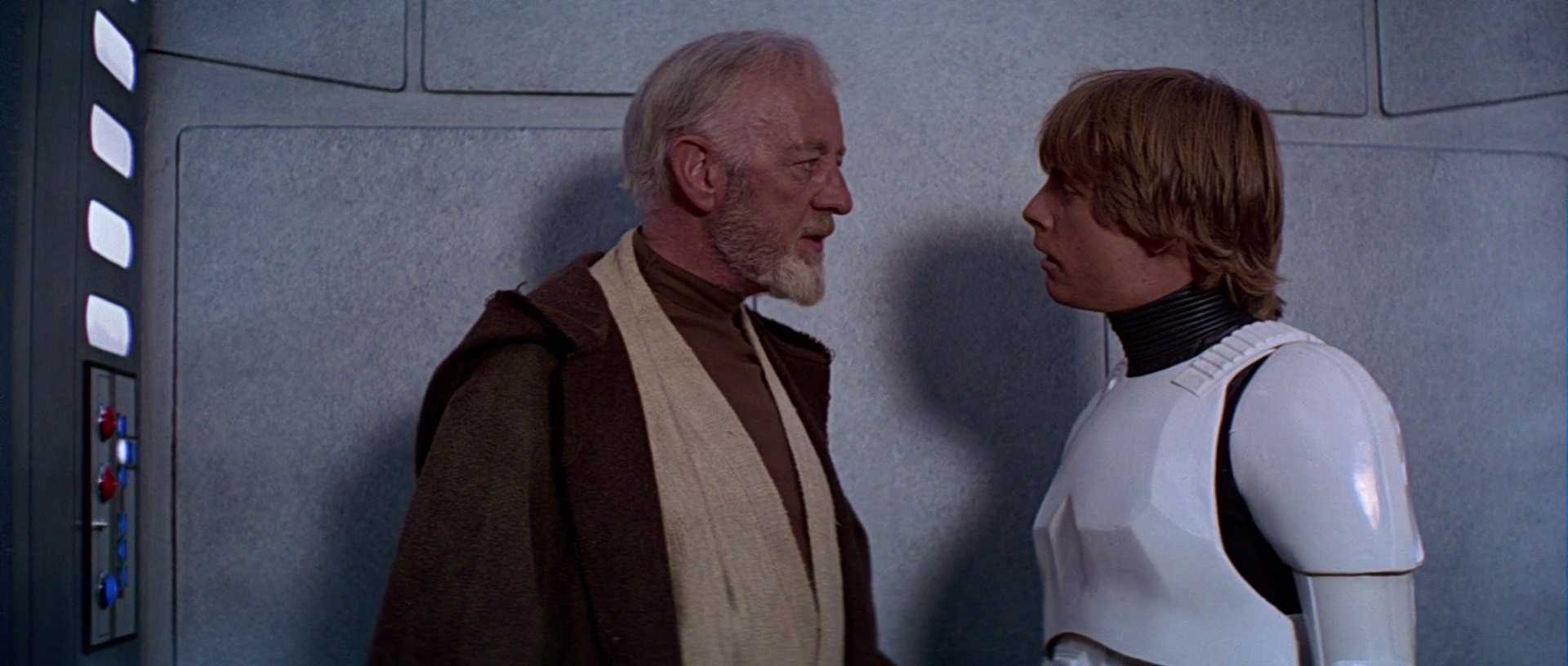
Exotic Other: A character from a non-Western culture portrayed as strange or mystical.
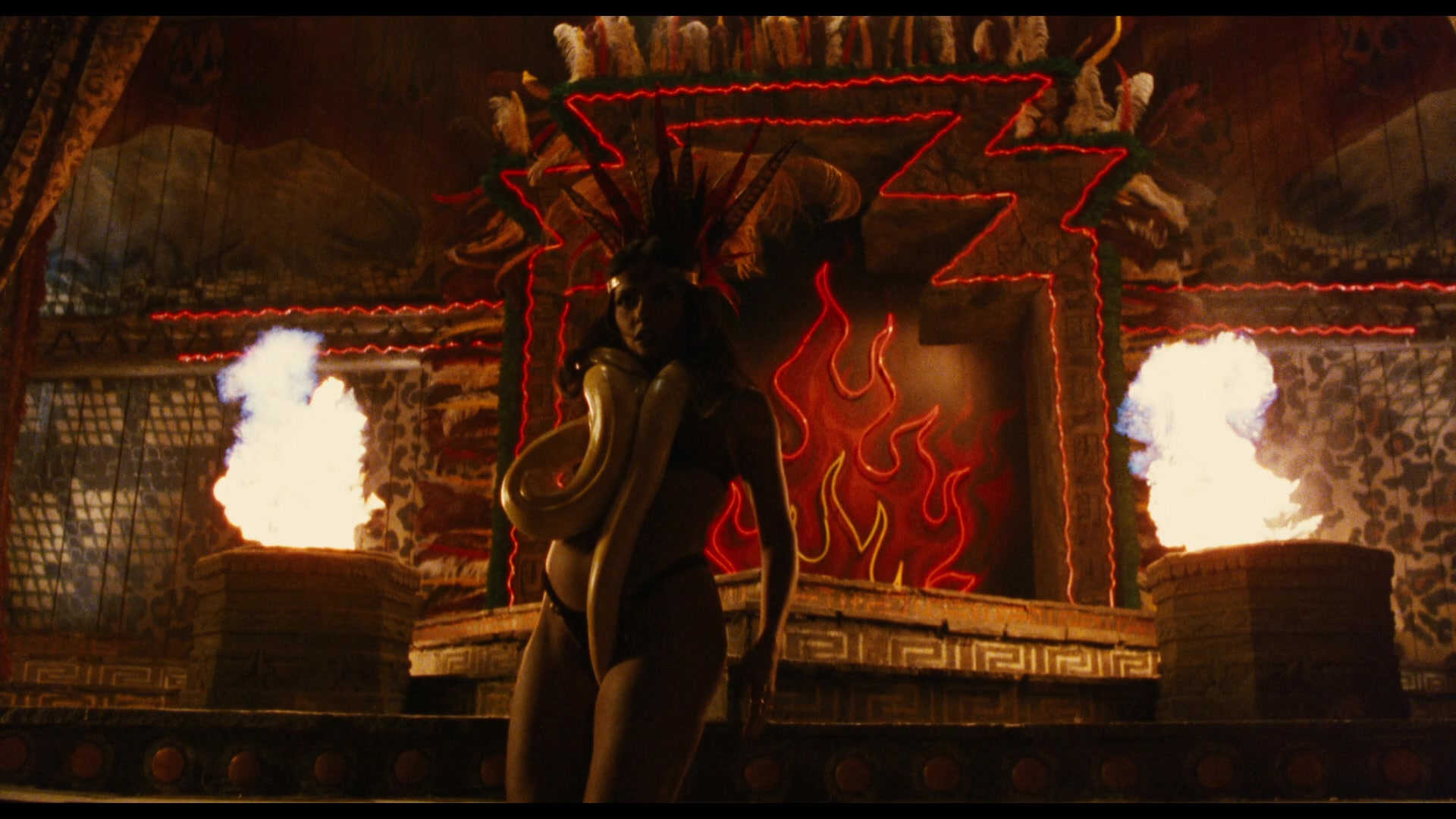
Whitewashing: Casting white actors in roles meant for non-white characters.

Stereotypes vs. Stock Characters vs. Archetypes
Not every repeated character type is a stereotype. Some characters are built on shared storytelling patterns. It helps to know the difference:
- Stock characters are familiar roles used for quick recognition, like the jealous ex, the clueless boss, or the nerdy neighbor. They serve a function but often lack depth.
- Character archetypes go deeper. They’re rooted in myth and story tradition, like the hero, the mentor, or the trickster. They describe roles in a journey, not surface traits.
- Character tropes are common patterns. They’re neutral by nature. A trope becomes a problem only if it’s overused or unexamined. Example: The chosen one, the reluctant hero, the femme fatale.
- Stereotypes are different. They reduce real people to a set of shallow traits, often based on race, gender, or culture. Unlike archetypes, they reflect bias, not story logic.
The key is how you write them. Archetypes become meaningful when characters feel specific and real. Stock characters can work when subverted. Stereotypes never add value. They flatten instead of reveal.
How to Avoid Stereotypes
Stereotypes can be avoided by writing people, not roles. Focus on motivation, complexity, and honest voice. Authenticity doesn’t come from using stereotypes; it comes from research and intention.
Character-Level Fixes
Stereotypes fade when characters have goals, contradictions, and real choices. Start from the inside, not a template.
- Define clear goals. What does the character want, and what’s in their way?
- Include contradictions. Real people hold opposing traits. Let your characters surprise you.
- Listen and research. If you’re writing outside your experience, ask people who’ve lived it. Don’t assume.
- Flip or combine roles. Avoid stock side characters by merging them or giving them unexpected depth.
Power of Casting and Crew
Hire actors who reflect the culture they represent. Involve diverse writers and crew. Authentic voices help prevent mistakes before they reach the screen. Stereotypes often pass unnoticed because no one was there to challenge them.
Real-World Examples of Flat Stereotypes and Better Written Representation
Now, let’s look at some examples to show how a flat character can become believable with just a few changes. You don’t need complexity for its own sake, but honesty, motivation, and perspective.
The Muslim Terrorist

Flat: A Muslim man is shown only as a terrorist. In London Has Fallen (2016), the villains are mostly portrayed as faceless militants. They offer no real motives, little backstory, and few distinguishing traits beyond violence. Their identity is reduced to threat.

Nuanced: In the British political satire black comedy Four Lions (2010), Muslim characters are flawed, confused, and human. The story focuses on their individual struggles, not their labels.

Other shows, like Homeland (2011-2020), take a more complex approach. Nicholas Brody is a U.S. Marine held captive and turned by terrorists. He returns home with trauma, doubt, and a secret allegiance. Across the series, he shifts between victim, father, traitor, and patriot. His arc explores loyalty, guilt, and identity. He’s a man pulled in two directions. The show doesn’t reduce him to a type. It shows how violence and ideology break people apart from the inside.
The Latina Spitfire
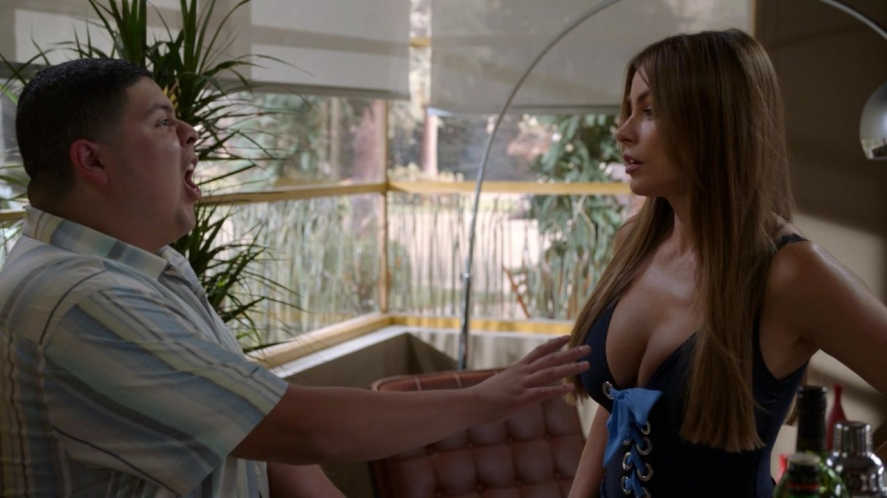
Flat: In Modern Family (2009–2020), Gloria Delgado-Pritchett (played by Sofía Vergara) is loud, fiery, and heavily sexualized. Her accent and temper are used for comic effect. She’s often exaggerated for contrast against her older white husband. Her personality is reduced to attitude, appearance, and voice. While she brings energy to the show, her traits are rooted in stereotype, although that’s exactly the point, and it adds comedy.
Nuanced: In White Men Can’t Jump (1992), Gloria Clemente (Rosie Perez) is loud, opinionated, and sexual, but she’s also sharp, goal-driven, and emotionally aware. Her ambition to appear on Jeopardy! shows depth beyond romance. She challenges the men around her and walks away when they fail to meet her standards. She defines her own terms.
Impact and Responsibility
Film shapes how people see the world. Repeated stereotypes reinforce real-life biases. Young viewers often absorb media as truth. Honest representation helps challenge these patterns and opens the door for empathy.
Summing Up
Stereotypes limit your story. They simplify people into types and reflect lazy writing. Strong characters are specific, flawed, and full of intent. Writing them takes work, but it leads to stories that matter.
Read Next: Want to write characters that feel real on the page?
Start with our Free Screenwriting Course — a complete foundation in structure, dialogue, and building compelling characters.
Then browse all character development articles — from internal conflict and arcs to ensemble design and protagonist logic.
Or return to the Screenwriting section for formatting, story structure, and writing tools.
