

Published: May 3, 2024 | Last Updated: January 19, 2026

What is Genre conventions? Definition & Meaning
Genre conventions are the elements or criteria that define a specific genre within film. These conventions help audiences set expectations about what they will see and guide filmmakers in creating content that aligns with audience expectations. The conventions can include themes, settings, character types, and specific plots or narrative devices.
Each genre has its distinct conventions. In science fiction, films like Blade Runner (1982) use futuristic settings and advanced technology to explore themes such as identity and humanity. On the other hand, romantic comedies rely on the chemistry between leads, humorous situations, and often a happy ending, as seen in When Harry Met Sally (1989).
But genres are not static; they evolve as filmmakers diverge from established conventions. Likewise, the conventions that make up the genres stabilize and change over time, meaning the genres change.
See also What is Genre? Definition and Examples from Film.
Genre Conventions vs Tropes: What’s the Difference?
Genre conventions and tropes are closely related, but they are not the same thing.
Genre conventions are the shared building blocks of a genre. They include recurring character types, settings, themes, narrative structures, visual styles, and audience expectations that define what a genre is and how it works.
Tropes, on the other hand, are specific, recognizable patterns or devices that appear within those conventions. Tropes can be used sincerely, subverted, exaggerated, or deconstructed.
A simple way to think about it:
- Conventions are the rules of the game
- Tropes are common moves within that game
For example:
- In horror, dark lighting and isolated locations are conventions
- The “final girl” or the “jump scare after silence” are tropes
Understanding this distinction helps explain how filmmakers can follow genre conventions while still surprising audiences by playing with or subverting familiar tropes.
Evolution and Innovation within Conventions
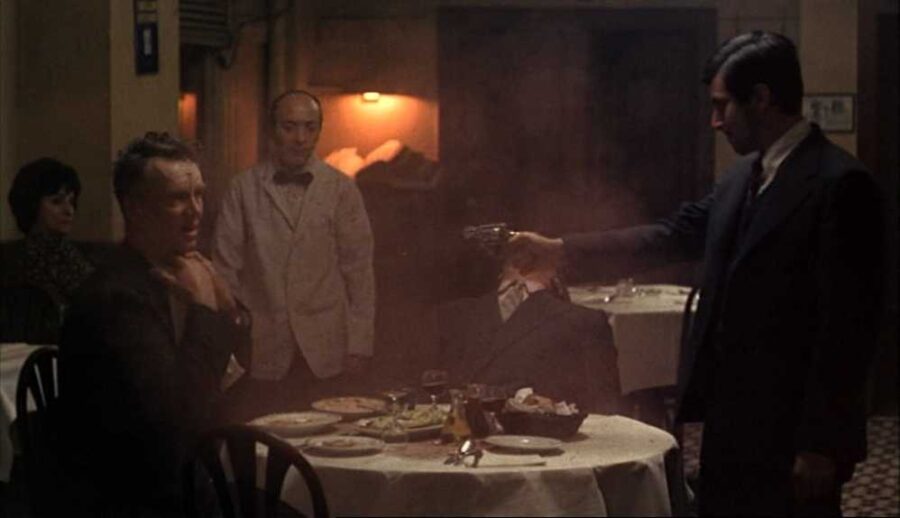
Genres are both static and fluid. On the one hand, genres represent what is common between certain types of films but not between others. This stabilization is essential because it establishes an anticipatory framework for viewers.
For example, when watching The Godfather (1972), we anticipate crime and family dynamics intertwined with a dramatic narrative, which are staple conventions of the gangster genre. This love within a select group, contrasted with the violence and indifference towards the outside world, is one of the reasons gangster movies are so popular.
See ten essential gangster movies every film student should know.
On the other hand, genres constantly evolve. Genre conventions (plots, tropes, cliches, themes, settings, etc.) are the building blocks that make up a genre. Like LEGOs, they are constantly being assembled, disassembled, and assembled again in new, innovative ways, meaning genres constantly evolve, and conventions are renegotiated among creators and audiences.
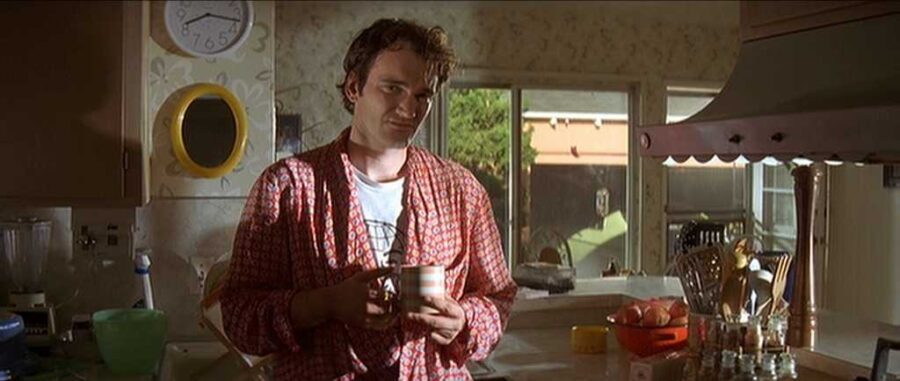
Subgenres and hybrid genres combine the conventions of two established genres and are good examples. For example, the movie Cowboys & Aliens (2011) is a Western/Sci-fi movie.
In other words, genre conventions are not just mirrors of social reality but are also part of the apparatus that constructs it. This construction allows for innovation, as seen in Pulp Fiction (1994), which rejuvenated the crime genre by experimenting with non-linear storytelling and idiosyncratic dialogue.
Common Types of Genre Conventions
Let’s look at some conventions commonly referred to when establishing a genre.
Character Archetypes and Settings

Each genre typically has its own set of character archetypes.
For example, in superhero films like The Dark Knight (2008), you expect a protagonist with extraordinary abilities and a clear moral code. Similarly, Westerns often feature the rugged, solitary cowboy, as seen in Unforgiven (1992).
The setting also plays a key role in defining the genre. Sci-fi films, such as Blade Runner (1982), often take place in futuristic or outer space settings, use advanced technology, and explore themes like artificial intelligence and existentialism.
Read more on settings in film.
Plot and Narrative
Genres often dictate the kind of plots and narrative structures you can anticipate.
Mystery genres, for instance, revolve around the resolution of a puzzle or crime, leading the audience through a series of clues. Films like Gone Girl (2014) serve as prime examples.
Romantic comedies like When Harry Met Sally (1989) usually follow a formula where two protagonists meet, initially clash, but eventually fall in love after overcoming various obstacles.
Read more on plots in film.
Themes and Visual Style

Themes specific to certain genres give films their unique identity.
Horror films exploit themes of fear and the unknown, often using a visual style that includes dim lighting and jarring angles to create suspense and terror. The Exorcist (1973) uses these techniques.
On the other hand, science fiction films often explore themes like dystopia, technology, and exploration, employing special effects and imaginative visual styles seen in films like Interstellar (2014).
See 20 movie themes to explore.
How to Identify Genre Conventions: A Practical Checklist
When analyzing a film, you can usually identify its genre conventions by asking the following questions:
Character Conventions
- What types of protagonists and antagonists appear?
- Are there familiar archetypes (heroes, mentors, outsiders, monsters, lovers)?
- How do characters typically resolve conflict?
Setting Conventions
- Where does the story usually take place?
- Is the setting realistic, stylized, historical, or fantastical?
- Does the location create a specific mood or expectation?
Narrative and Plot Conventions
- How does the story usually begin and end?
- Are there expected plot beats (training montage, investigation, final showdown)?
- Is the resolution optimistic, tragic, or ambiguous?
Thematic Conventions
- What ideas or questions does the genre explore?
- Does it focus on morality, fear, justice, love, survival, or identity?
- Are certain values reinforced or challenged?
Visual and Audio Conventions
- What kind of lighting, color palette, or camera movement is common?
- How is music used (suspense, emotion, excitement)?
- Are sound effects or silence especially important?
Using this checklist makes genre analysis more systematic and helps explain why a film feels like it belongs to a particular genre.
Examples of Conventions in Main Genres
To finish this article, I’ll examine a few mainstream genres (disregarding that mainstream can be considered a genre) and try to pinpoint what conventions they typically relate to.
Whether it’s the dark, suspenseful ambiance of a horror film or the intricate character arcs in a drama, these conventions are fundamental to storytelling within genres.
Action Genre

Key conventions in action films include high-paced plotting, physical stunts, and clear-cut heroes and villains. The narrative often revolves around good versus evil, with the protagonist overcoming substantial obstacles. Die Hard (1988) exemplifies this with its intense action sequences and resilient hero, John McClane.
Comedy Genre
Comedies focus on humor, primarily intending to entertain and provoke laughter. They often feature situational humor, slapstick, and witty dialogue. Movies like Superbad (2007) use relatable scenarios and sharp dialogue to drive the humorous plot.
Drama Genre
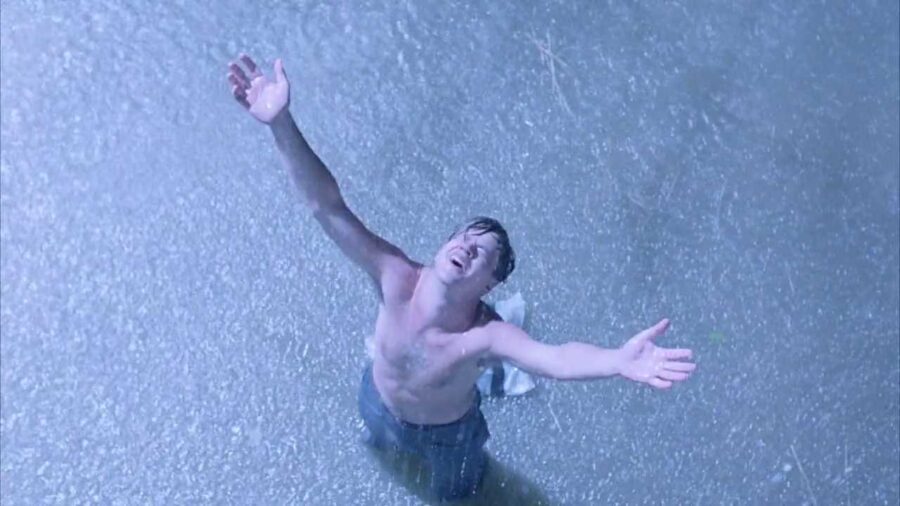
Dramatic films emphasize character development and a narrative-driven plot, often exploring intense emotional conflicts. Themes of love, loss, and redemption are common. The Shawshank Redemption (1994) is a prime example, providing deep character studies and emotional depth.
Horror Genre
Horror movies are designed to elicit fear, anxiety, and suspense from the audience. Common conventions include jump scares, creepy settings, and supernatural elements. The Conjuring (2013) uses these techniques to create a tense and frightening atmosphere.
Western Genre

Westerns are set in the American West and emphasize frontier life. Common themes include survival, lawlessness, and conflict with Native Americans. The Good, The Bad, and The Ugly (1966) showcases these conventions by portraying rugged landscapes and complex character dynamics.
Romantic Genre
Romantic films focus on love stories between protagonists and main characters. They often explore the obstacles the characters must overcome to be together. A classic like The Notebook (2004) uses a historical setting and a sweeping emotional narrative to engage the audience.
These conventions are not just repetitive elements but critical in shaping the viewer’s expectations and experience. But they’re constantly being renegotiated and used in new, innovative ways.
Related Reading: FilmDaft’s Guide to Genres and Subgenres.
Genre Conventions in Action: Scene-Level Examples
Genre conventions become most visible when you look closely at individual scenes. Below are a few simplified examples showing how filmmakers use shot choice, lighting, music, and pacing to reinforce genre expectations.
Example 1: Horror — Building Fear Through Form
A typical horror scene often uses:
- Low-key lighting with deep shadows to obscure information
- Slow camera movement to build tension
- Minimal or absent music, followed by a sudden sound cue
- Extended pacing, delaying the reveal to heighten anxiety
These choices work together to create unease and anticipation before the threat is fully revealed.
Example 2: Action — Momentum and Spectacle
Action films frequently rely on:
- Fast-paced editing and short shot lengths
- Dynamic camera movement, including tracking and handheld shots
- Loud, rhythmic music to maintain energy
- Clear spatial geography so the audience understands the physical stakes
The result is a scene that prioritizes excitement, clarity, and physical impact.
Example 3: Romance — Emotion and Intimacy
Romantic scenes often emphasize:
- Soft or warm lighting to create intimacy
- Close-ups to capture emotional nuance
- Slower pacing that allows moments to linger
- Melodic or emotionally driven music to guide audience feelings
These conventions help viewers emotionally invest in the relationship at the center of the story.
Genre Convention Map: A Visual Overview
| Genre | Typical Characters | Common Settings | Core Themes | Plot Expectations | Visual & Audio Style |
|---|---|---|---|---|---|
| Action | Hero, villain, henchmen | Cities, battle zones | Justice, survival | Escalating conflict, final showdown | Fast cuts, loud music |
| Horror | Victim, monster, survivor | Isolated or claustrophobic spaces | Fear, death, the unknown | Rising dread, confrontation | Dark lighting, silence |
| Romance | Lovers, rivals, confidants | Homes, cities, intimate spaces | Love, connection | Emotional obstacles, union or loss | Soft lighting, melodic score |
| Western | Lawman, outlaw, settler | Frontier towns, open landscapes | Order vs chaos | Moral confrontation | Wide shots, natural light |
| Comedy | Everyday people, exaggerations | Familiar social spaces | Absurdity, social norms | Escalating misunderstandings | Bright lighting, rhythmic timing |
This table highlights how multiple types of conventions work together to signal genre to the audience almost instantly.
Summing Up
It can often feel as if “you watched this movie before.” That is true because movies rely on the same set of genre conventions. This is especially true of Hollywood’s mainstream blockbuster movie production, which can be viewed as the distillation of genre conventions.
That doesn’t mean Hollywood doesn’t add anything new to genres. In fact, establishing the mainstream creates the foundation for further exploration. In that sense, Hollywood blockbusters are probably the closest we get to stabilized genres.
Sometimes, Hollywood can surprise us and help revitalize a genre; a good example is how Wild Wild West (1999) helped revitalize the Steampunk genre.
Genres and the conventions that make up them are constantly in flux. As soon as something is “established,” a new filmmaker comes along and explodes the boundaries. In my view, that’s what makes cinema so exciting: it’s constantly evolving.
Read Next: Curious how visual styles define film genres?
Explore our breakdown of Genre & Visual Style to see how movements like naturalism, noir, and surrealism shape what we watch.
Looking for the big picture? Visit our Film History, Theory & Genre page to connect techniques with the eras and ideas that shaped them.
Further Reading and References
For readers who want a deeper academic or theoretical understanding of genre conventions in cinema, the following works are widely cited in film studies:
- Bordwell, David & Thompson, Kristin — Film Art: An Introduction
- Altman, Rick — Film/Genre
- Neale, Steve — Genre and Hollywood
- Grant, Barry Keith — Film Genre Reader
- Schatz, Thomas — Hollywood Genres
- Tudor, Andrew — “Theories of Film Genre”
- Mittell, Jason — Genre and Television (useful for modern genre hybridity)
These texts explore how genres form, evolve, and interact with culture, industry, and audience expectations.
