

Published: July 31, 2025 | Last Updated: September 24, 2025

What is A romcom? Definition & Meaning
A romcom is short for ‘romantic comedy,’ a film genre that blends a love story with humor, usually centered on two characters who face emotional or social obstacles before ending up together.
Romcom Structure and Tropes
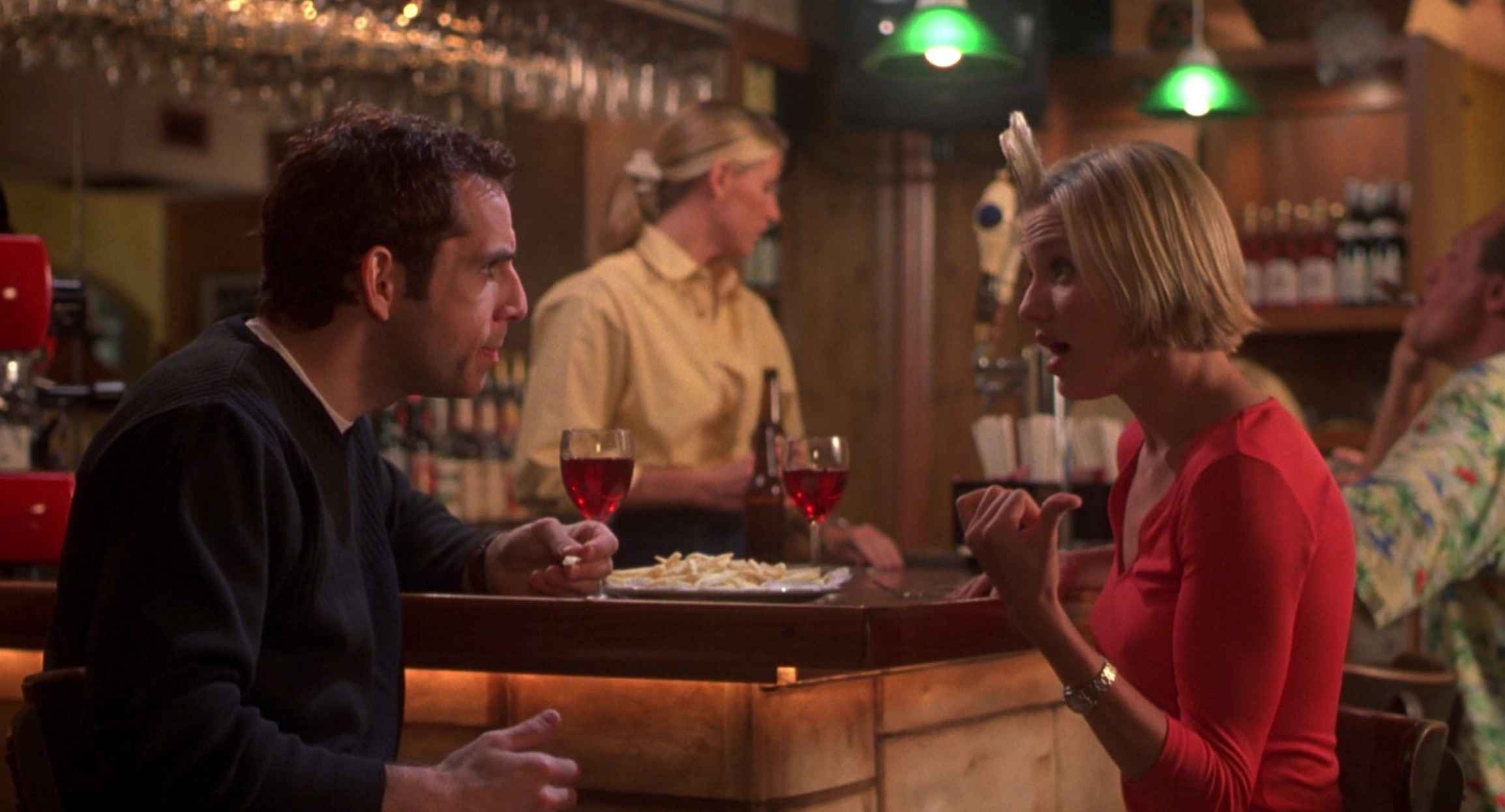
Romantic comedies often follow a familiar pattern and tropes, but they stay fresh through strong characters, sharp writing, and modern settings.
Romcom Story Structures
Most romcoms follow a clear emotional arc: First comes the spark (often through conflict or denial), followed by a breakup or crisis that feels final. The final act usually shows one character fighting to repair the connection, ending in a reunion.
This rhythm mirrors the idea of “boy meets girl, boy loses girl, boy gets girl back,” a formula that creates both emotional payoff and comic tension.
The three-part structure echoes older myths. A well-known example is the Greek story of Orpheus and Eurydice: a couple deeply in love is torn apart, one of them descends into the underworld to win the other back, and the ending depends on whether they succeed.
Romantic comedies often follow this same shape, but instead of tragedy, they aim for resolution, reunion, and joy.
Romcom Tropes
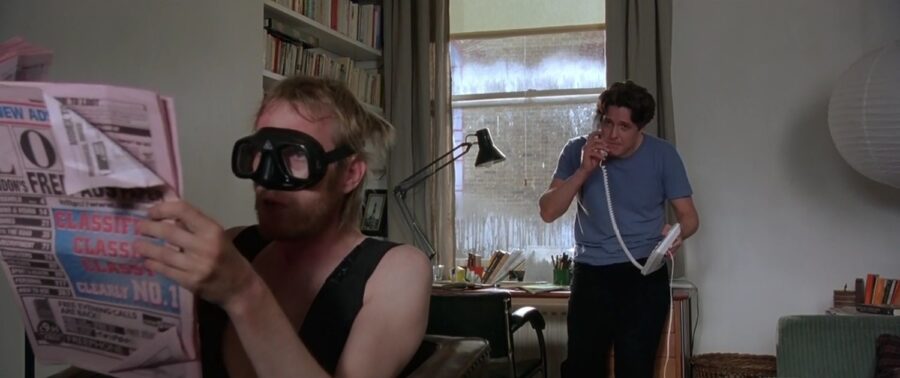
Romcoms are often set in stylized urban spaces, like New York, where characters live in large apartments and work in creative jobs like publishing, fashion, or running independent shops.
A recurring element is the quirky best friend who offers comic relief and endless emotional support.
Below, I’ve created a list of some of the most common romantic comedy tropes, including:
- Meet-cute: A funny or unusual first meeting between the leads
- Opposites attract: The couple often has different values or lifestyles
- The big misunderstanding: A conflict that causes a breakup before the final reunion
- The grand gesture: One character risks rejection to confess their feelings
- Red herring love interest: A seemingly perfect partner who turns out to be wrong for the protagonist
- Kiss in the rain: A dramatic visual moment used to seal the relationship
Key Romcom Examples
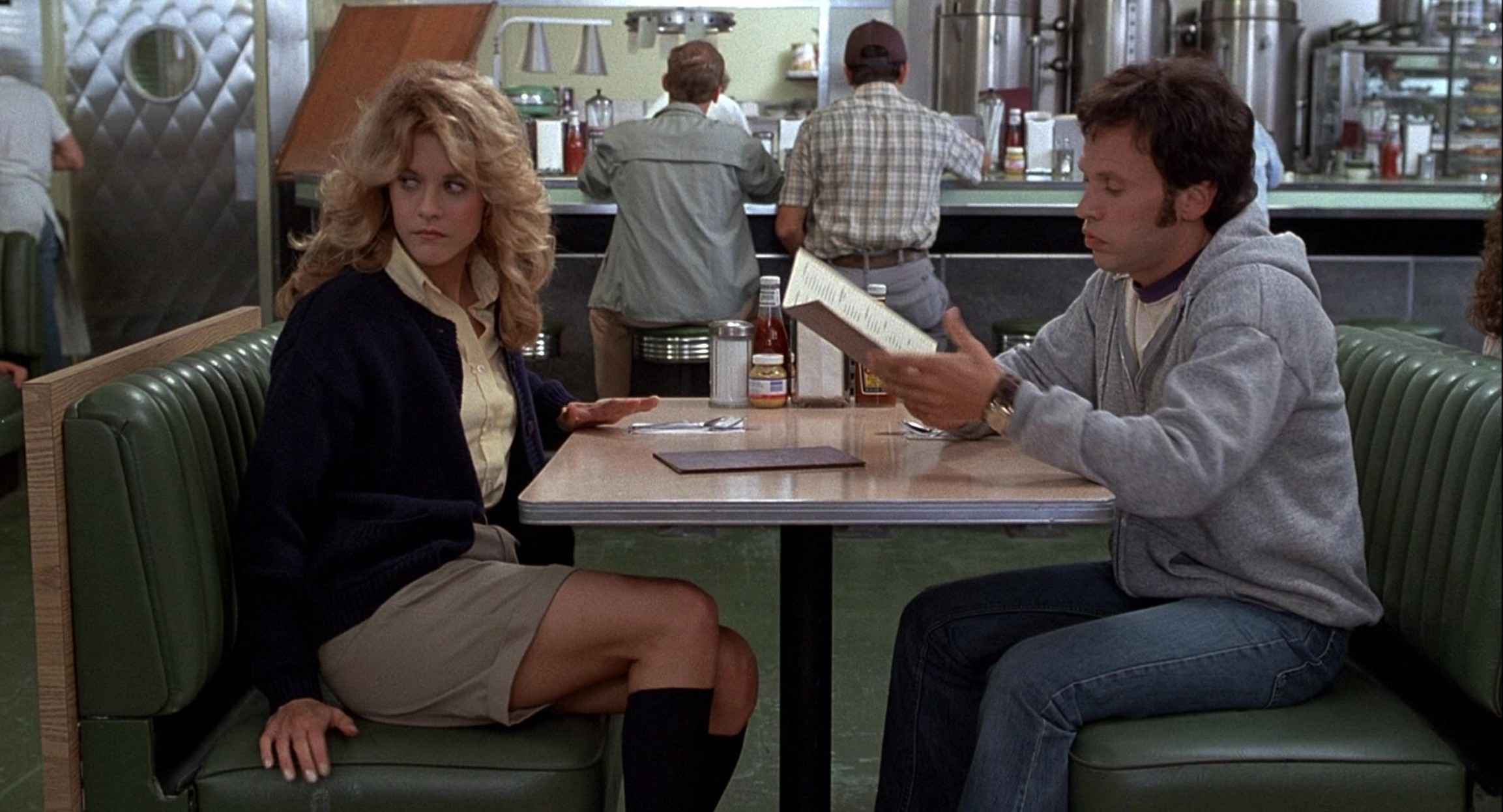
Many romcoms have become cultural touchstones. A good example is When Harry Met Sally (1989, Columbia), written by Nora Ephron. The film shows a friendship that slowly becomes romantic, using sharp dialogue and relatable characters.
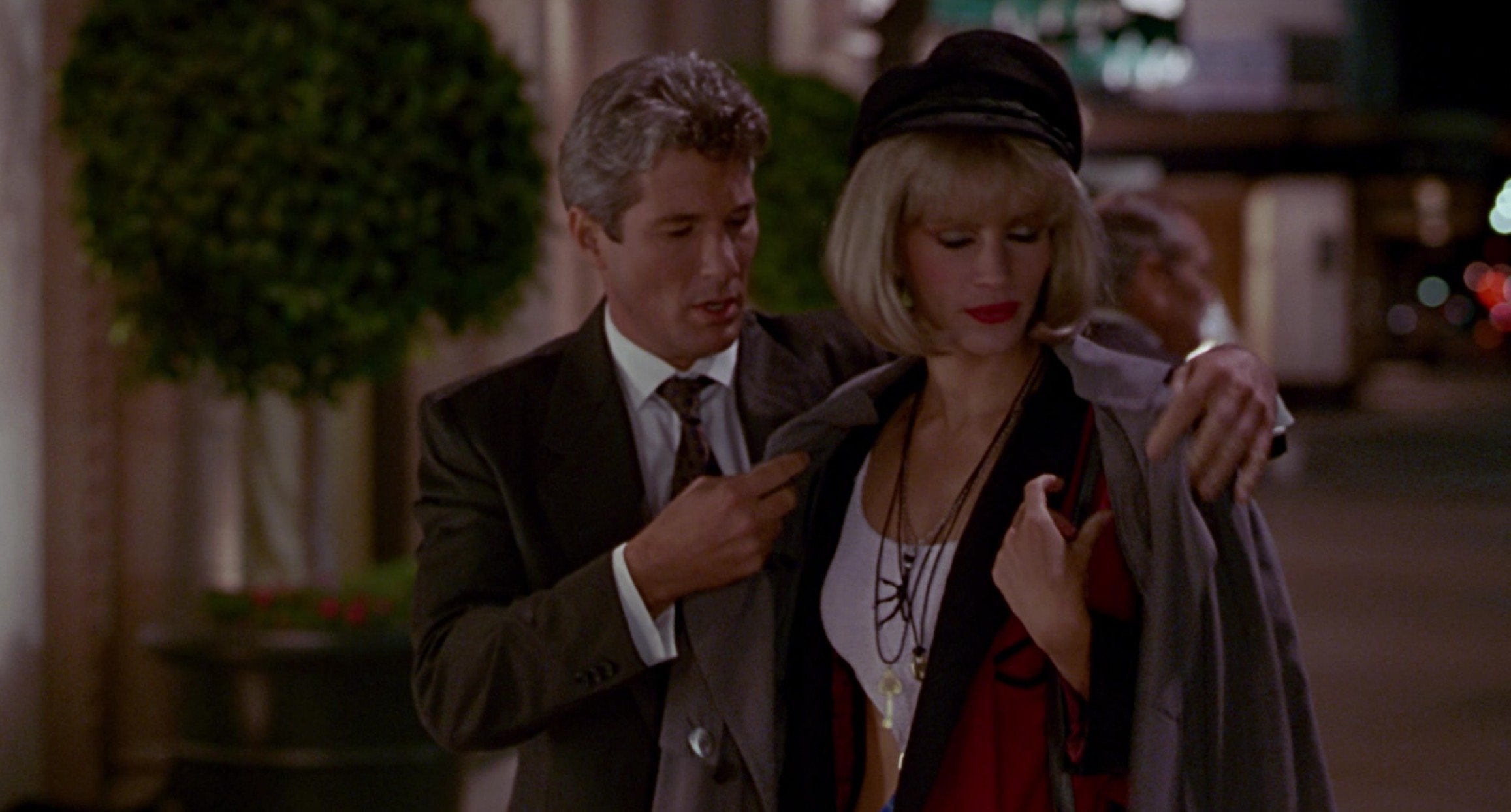
Pretty Woman (1990, Touchstone) uses a romantic fantasy, where love bridges class divides and transforms both characters in idealized ways.

Bridget Jones’s Diary (2001, Miramax) adds awkward humor and a flawed heroine. These films follow the traditional structure but add enough personality and charm to make each story feel distinct.

Crazy Rich Asians (2018, Warner Bros.) brought more diversity to the genre by centering an all-Asian cast, celebrating Singaporean culture, and telling a familiar rom-com story from a perspective rarely seen in Hollywood.

The Big Sick (2017, Amazon Studios) is based on a real relationship. It shows how culture, family pressure, and different backgrounds can make love more complicated.
These films helped refresh the romcom by showing different perspectives and emotional stakes.
What Makes a Romcom Work?
Romcoms succeed when the emotional connection between characters feels earned. That means strong chemistry, believable development, and writing that reveals deeper truths beneath the humor. The couple needs time to open up and connect, not just through attraction but through real conversations and shared experiences.
Equally important are the side characters and emotional setting. In Four Weddings and a Funeral (1994, PolyGram), the friend group becomes as memorable as the leads. In Bridget Jones’s Diary, the chaotic energy of Bridget’s friendships and family pressures shapes her entire romantic arc.
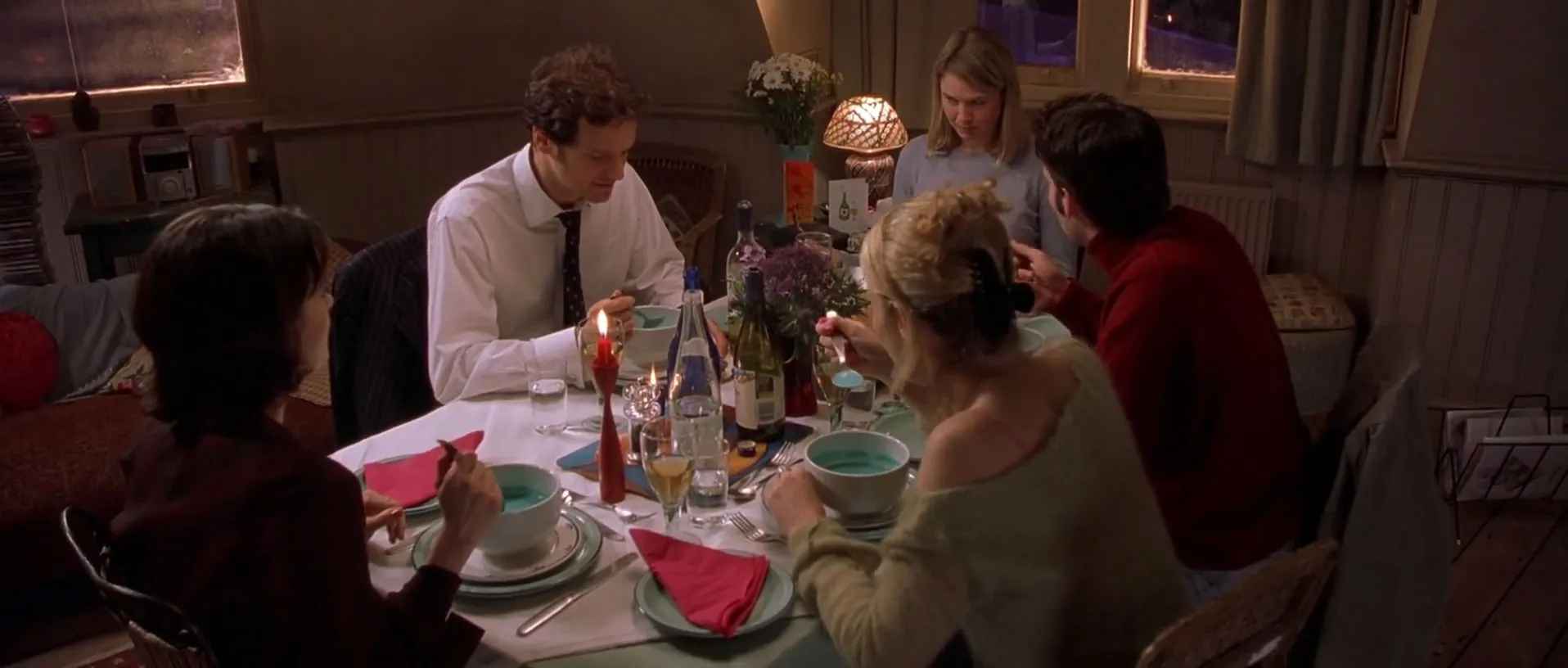
The best romcoms build a sense of world around the romance, showing that the characters have lives, careers, and relationships beyond just falling in love.
While romcoms often present idealized versions of love, their popularity stems from tapping into shared emotional fears, such as being alone or never finding connection. This raises an important question: what if your life is not a romantic comedy, but a melodrama or even a horror movie?
The Role of Writing
Great romcoms work because of great dialogue and characters who feel real, funny, flawed, and honest. The films don’t rely on big action or special effects. What matters is how the characters talk, fight, and open up.
Romantic comedies need structure and voice. The jokes should come from the characters, not from random gags. The love story has to feel true, even if the world around it is exaggerated. In the best romcoms, everything builds to one honest moment: when the characters finally understand what they feel.
Many writers come back to this genre because it helps them work through their own emotions. A good romcom isn’t just about falling in love. It’s about dealing with fear, heartbreak, and hope. That’s why strong writing always comes from a place that feels real.
Romcoms and Self-Growth
At their best, romcoms show more than just a couple getting together. Instead, they show a character growing into someone who’s ready for love. Often, the story isn’t about finding the right person, but becoming the right person.

Many modern romcoms focus on internal change. In Isn’t It Romantic (2019, Warner Bros.), the lead has to learn to value herself before she can believe she deserves love.
The journey to love is often the journey to self-respect. This is why many romantic comedies end not just with a kiss, but with clarity. Whether the story features a breakup, a reconciliation, or a new beginning, it usually points back to the same theme: love only works when both people are honest with themselves first.
The emotional arc of many romantic comedies mirrors the myth of Orpheus and Eurydice: love found, love lost, and love pursued again, often with conditions. That myth ends in tragedy, but romcoms flip the outcome and reward the characters’ vulnerability with reconnection. The pattern remains because it reflects something universal: the fear of losing love and the effort to win it back.
Romcoms Aren’t Just Feel-Good Movies
Romantic comedies have always made space for emotional truth beneath the jokes, but today that space is wider. Modern romcoms often reflect real heartbreak, doubt, and personal struggle. Many writers approach the genre not to escape reality, but to process it. The writing becomes a kind of catharsis, shaped by fears of being misunderstood, rejected, or stuck in a pattern of failed connection.
The middle section of a romcom (the “lose” phase) often holds the most emotional weight. It’s where a character realizes what they’ve lost, and why it mattered. This part of the story might include comic scenes and side characters, but it’s built around loneliness. The world seems quieter. Friends get tired of offering advice. The pain becomes private. This stretch of the film mirrors real breakups, even if the final act ends in hope.
That’s why modern romcoms matter. They still carry the structure of connection, separation, and reunion, but they show how people grow through it. Again, The Big Sick (2017) is a good example, where the couple separates over cultural tension and miscommunication. The film lets the characters live in that quiet second act until they’re ready to try again. The humor helps hold it.
Romcoms Across Time and Place
The romantic comedy has a long history. Shakespeare used mistaken identity and witty sparring in plays like Twelfth Night. Jane Austen’s novels shaped the “marriage plot,” where the central question is who ends up with whom.
The early works shaped the stories that modern romcoms still follow: two people fall in love despite obstacles, often ending in emotional or comic resolution.
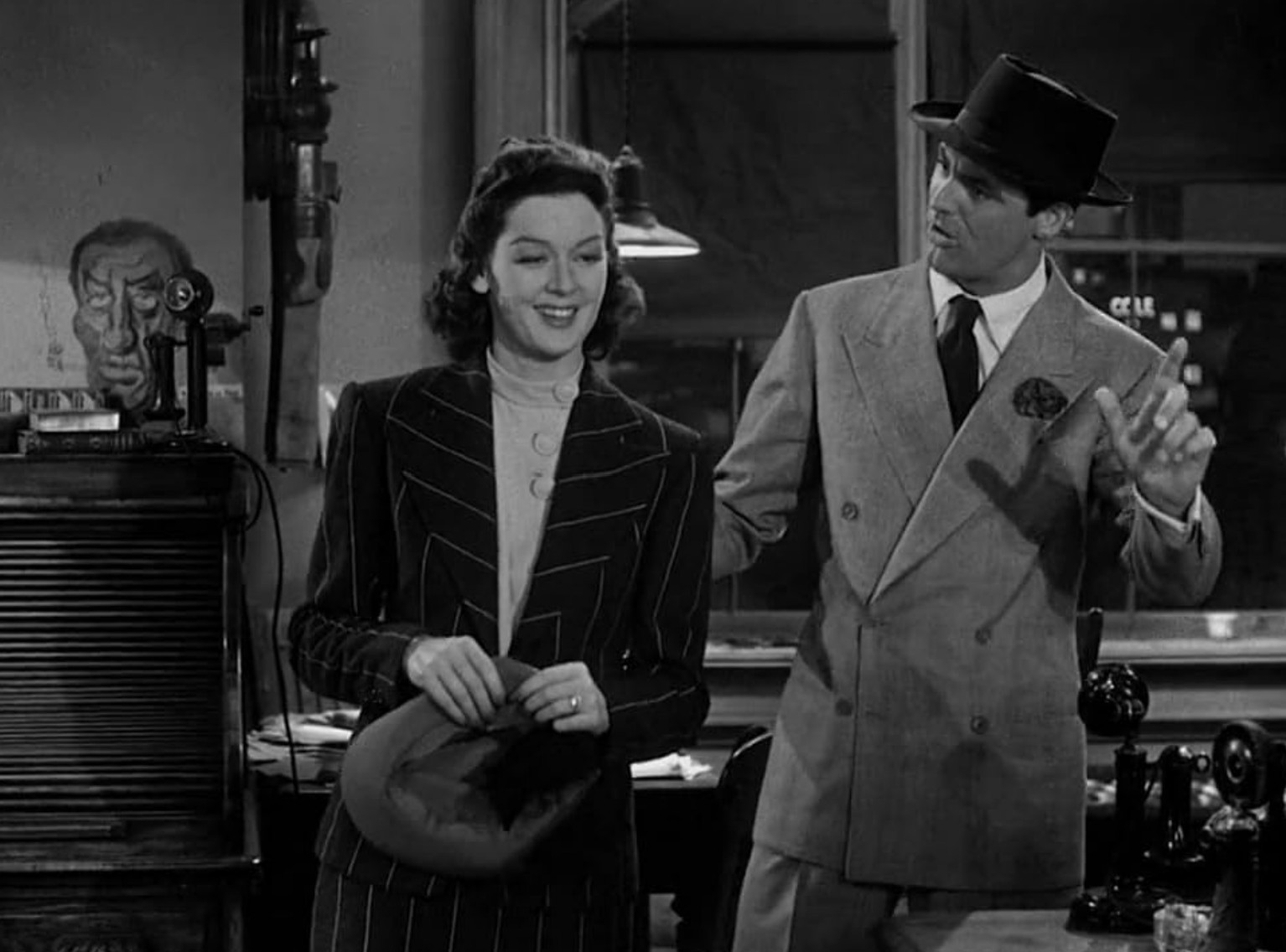
In the 1930s and 1940s, screwball comedies like His Girl Friday (1940) brought gender tension and fast dialogue to the screen. These early stories were full of conflict, but the characters always felt like they had met their match. The leads argue constantly, but their fast, sharp dialogue shows they understand each other better than anyone else. Their chemistry stems from that push-and-pull, a dynamic still used today.
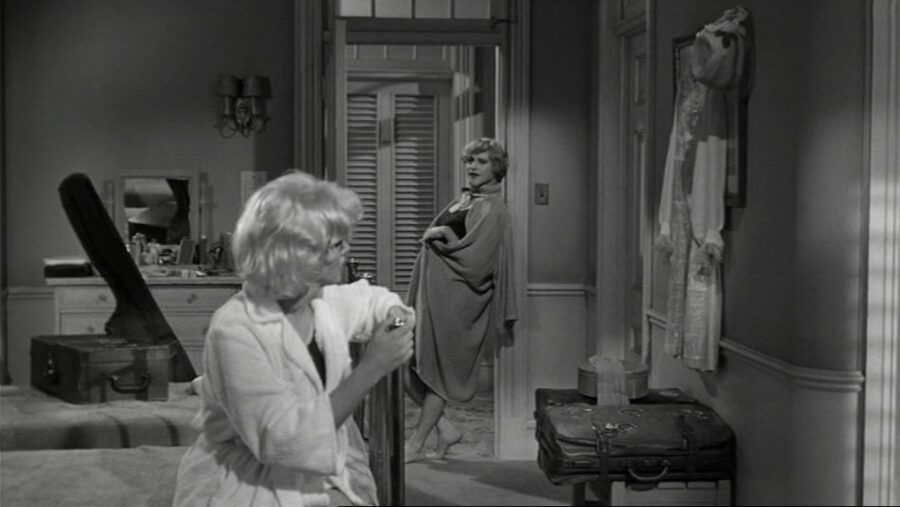
Later films like Some Like It Hot (1959, United Artists) pushed against censorship and brought more playful energy to the genre.
The 1990s and early 2000s became the genre’s golden age, with writers like Nancy Meyers and Richard Curtis leading the way. Stars like Meg Ryan, Julia Roberts, and Hugh Grant defined the era with consistent charm and strong scripts.
In the streaming era, romcoms are finding new life. Netflix’s 2018 “Summer of Love” introduced hits like Set It Up and To All the Boys I’ve Loved Before. The films center on younger characters, include more diverse casting, and reflect changing views on relationships. The genre is also experimenting with tone, from the honesty of The Big Sick to the stylized satire of Isn’t It Romantic.
Summing Up
Romcoms blend romance and comedy into stories that are often simple on the surface but rich in detail. When done well, they speak to our fears about loneliness and our hope for connection. The best ones let us laugh while reminding us that love is worth the risk. Their future depends not on novelty, but on honest characters, strong writing, and emotional truth.
Read Next: Curious how visual styles define film genres?
Explore our breakdown of Genre & Visual Style to see how movements like naturalism, noir, and surrealism shape what we watch.
Looking for the big picture? Visit our Film History, Theory & Genre page to connect techniques with the eras and ideas that shaped them.
