

Published: July 30, 2025 | Last Updated: November 17, 2025

What is A B-movie? Definition & Meaning
A B-movie is a low-budget film made outside the major studio system or produced as a cheaper, secondary feature for double bills, often focusing on genre content like horror, sci-fi, action, or exploitation.
The term “B-movie” originally described the second film in a double feature during the 1930s and 1940s. A double feature is when two films are shown back-to-back for the price of one ticket, usually with a main “A-picture” and a cheaper “B-picture.”

The B-movies were shorter, less expensive, and made quickly to fill time in the theater. They played alongside “A-pictures,” which had bigger stars, longer runtimes, and higher budgets. Over time, the term came to represent any film made cheaply, often without major studio support.
Where B-Movies Came From
During the studio era, companies like RKO, Columbia, and Universal created smaller units to churn out B-movies for regular releases. The films helped keep costs down for theaters and gave lesser-known actors and directors a chance to gain experience. Many future stars, including John Wayne and Jack Nicholson, got their start in B-movies.
Genres like westerns, crime dramas, and horror were common in early B-movies. They followed simple plots, reused sets, and featured fast-paced action and beautiful women to keep audiences engaged. B-movies were usually under 70 minutes long and relied on recognizable formulas.
Drive-Ins, Genre Blending, and Exploitation
In the 1950s and 1960s, B-movies became popular at drive-in theaters.
Independent producers like Roger Corman and William Castle made films that mixed science fiction, teenage rebellion, and horror. The movies were marketed with eye-catching posters and titles to pull in younger audiences.
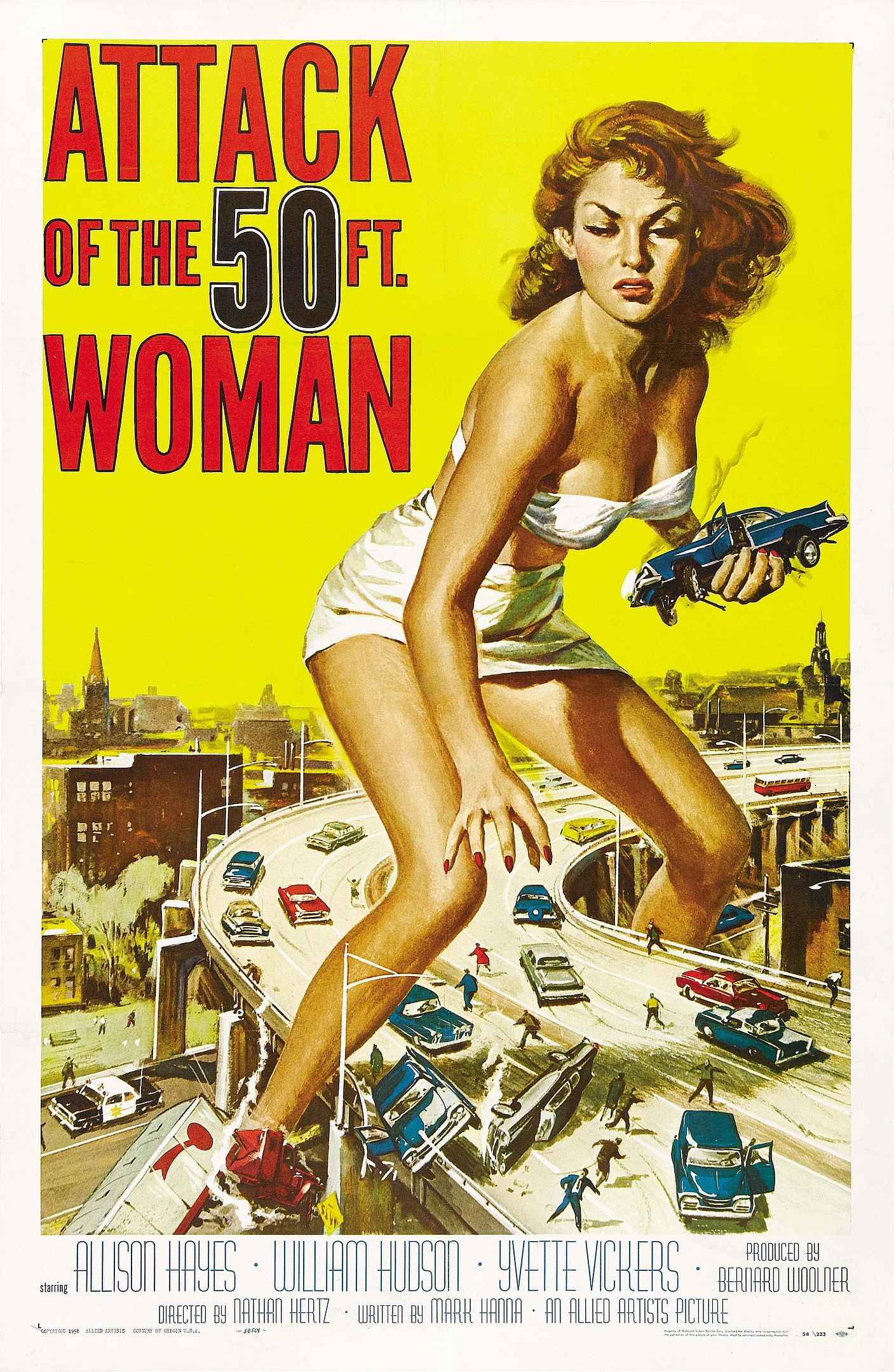
A good example is the high-concept film Attack of the 50 Foot Woman (1958, Allied Artists), which used an exaggerated sci-fi idea (a giant woman seeking revenge) and dramatic poster art to grab attention.
Many B-movies mix genres to stand out. Sci-fi horror, crime westerns, and supernatural thrillers became common, especially when filmmakers worked without studio limits. Mixing genres helped B-movies feel fresh, even when the budget was low.
B-Movies and Cult Status

Many B-movies became cult classics, either because they were unintentionally funny or because they embraced their low-budget style. Plan 9 from Outer Space (1959, Reynolds Pictures) by Ed Wood is often called one of the worst movies ever made, but it remains popular because of its odd charm and clumsy execution.
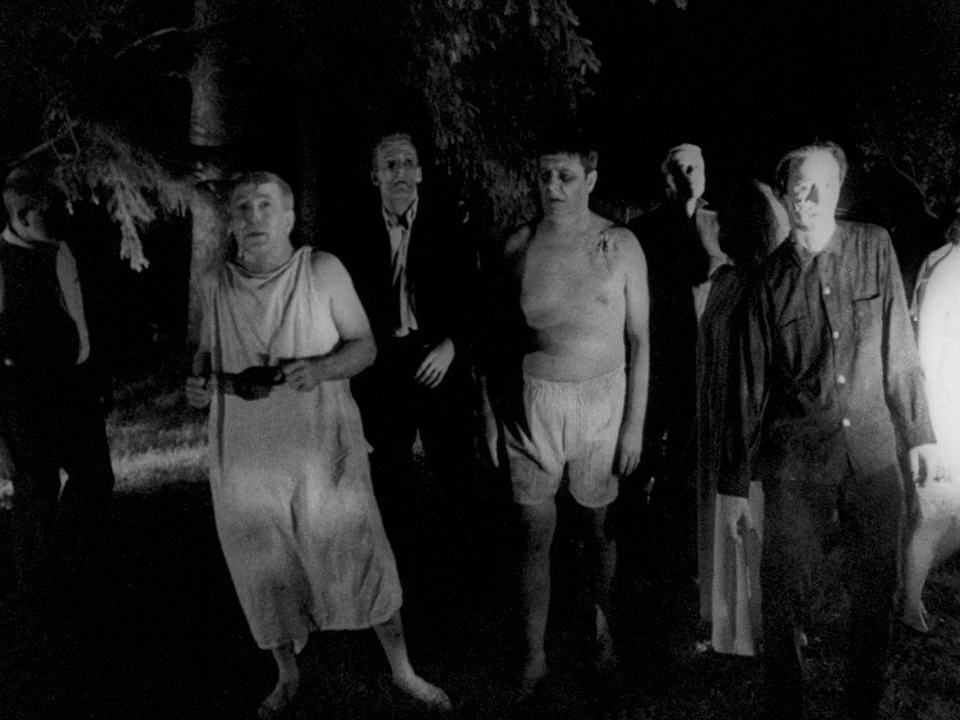
Some directors used B-movies to experiment with new ideas. George A. Romero’s Night of the Living Dead (1968, Image Ten) changed horror forever, using a raw style and low budget to make something new.
B-movies took risks that bigger studios avoided, often showing more violence, sex, or political themes than Hollywood allowed at the time.
From Drive-Ins to Home Video
In the 1980s and 1990s, B-movies found a new home on VHS. With the decline of drive-ins, video stores became the main way for audiences to find low-budget horror, sci-fi, and action films.
Independent companies like Troma and Full Moon released wild and cheap genre films straight to tape, often with outrageous covers and titles.
This shift gave B-movies a second life. Home video allowed filmmakers to reach niche audiences directly. Cheap effects, practical gore, and over-the-top characters became the norm.
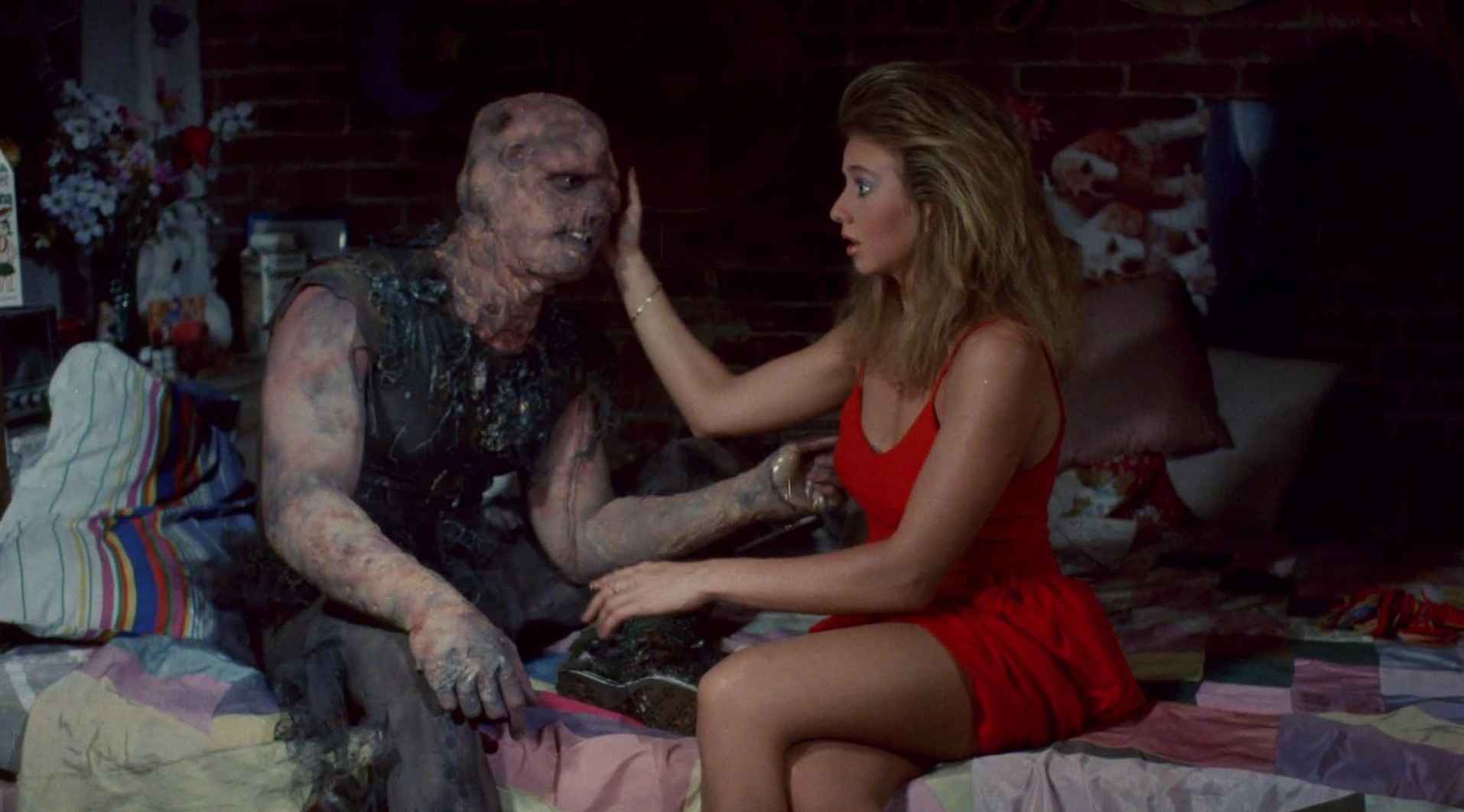
A good example is The Toxic Avenger (1984, Troma Entertainment), a film that mixed superhero parody with splatter horror. Although The Toxic Avenger (1984) had a limited theatrical run, it gained a second life on VHS, where its mix of gore, comedy, and absurdity made it a cult hit among home video audiences.
Modern B-Movies and Streaming

Today, B-movies live on through direct-to-video and streaming platforms. While the double feature is (mostly) gone, the idea of cheap, fast entertainment survives. Films with small budgets still find audiences by leaning into wild ideas, genre mashups, or retro styles.
Movies like Sharknado (2013, Syfy) continue the tradition by using absurd concepts, cheap effects, and viral marketing. Many fans now seek out B-movies for their honesty, creativity, and humor, even when the quality is rough. Modern B-movies can still surprise viewers and build strong fan followings.
How to Spot a B-Movie
Here, I’ve tried to summarize the key traits of B-movies:
- Low production budget and value
- Genre-focused (especially horror, sci-fi, action)
- Unknown or first-time actors
- Short production time
- Simple or outrageous plots
- Independent or small-studio release
- Often released direct-to-video or streaming
- Genre blending and exaggerated visuals
Launching Careers and Influencing Film
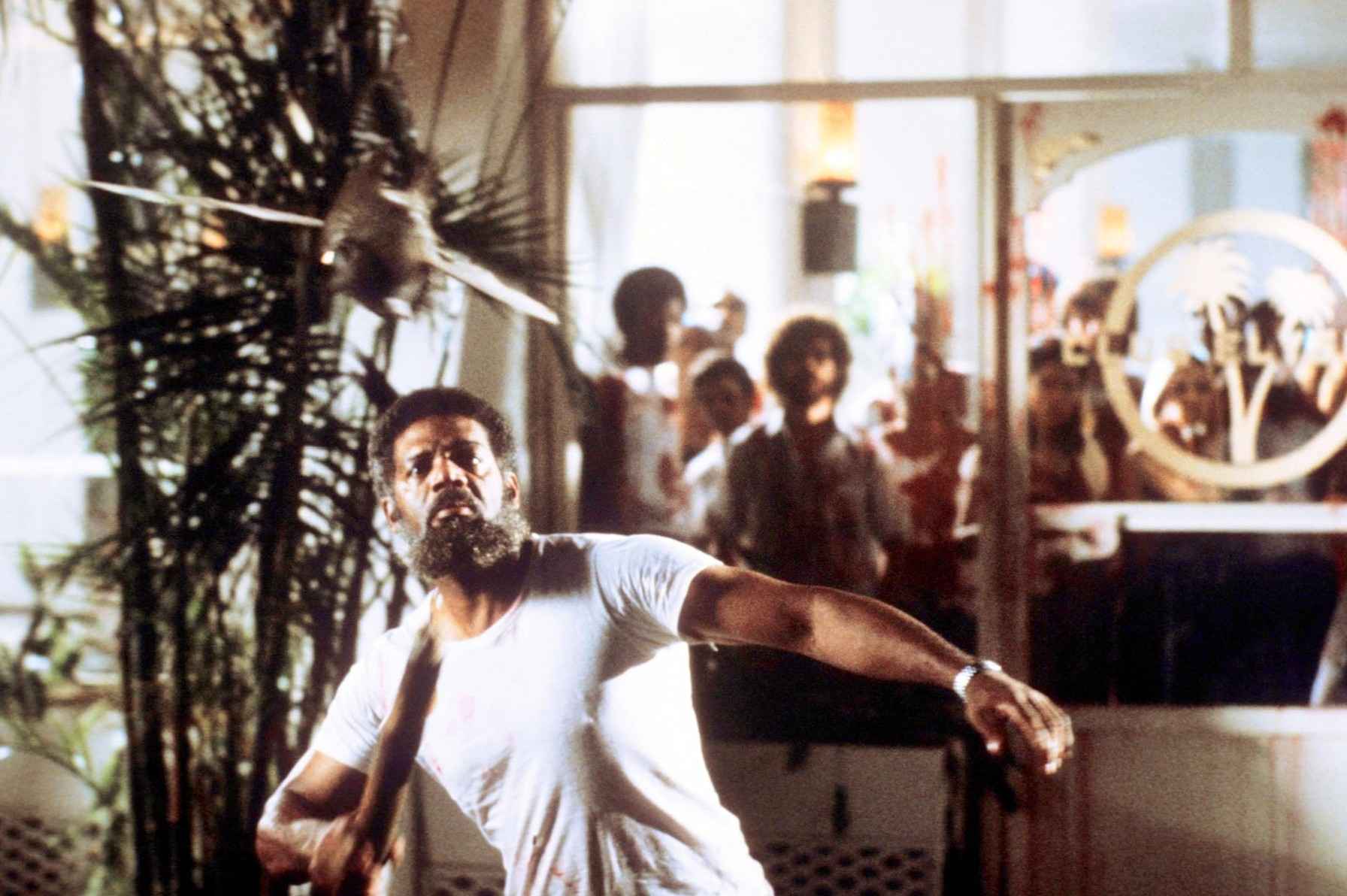
B-movies have launched many careers. Francis Ford Coppola directed Dementia 13 (1963) under Roger Corman. James Cameron got his start with Piranha II: The Spawning (1982), and Martin Scorsese helmed Boxcar Bertha (1972) before breaking out with Mean Streets. Working outside the studio system gave them creative freedom and hands-on experience.
Read more on why horror films can be a great entry into making feature films.
Even mainstream movies borrow from the B-movie playbook. Fast editing, gory effects, and bold stories have shaped horror, action, and sci-fi ever since. Some directors, like Quentin Tarantino and Robert Rodriguez, openly celebrate B-movie style in their work, especially with their Grindhouse series.
Summing Up
B-movies were never meant to be blockbusters, but they’ve played a big role in film history. They gave space for experimentation, launched careers, and created subgenres that still influence movies today. Whether serious or silly, B-movies show how creative you can be, even on a shoestring budget.
Read Next: Curious how art movements shaped film?
Explore our full Visual Art Timeline to see how styles like Surrealism, Cubism, and Suprematism influenced cinema’s most experimental moments.
Or keep browsing our Film Movements & World Cinema section for more on the histories that shaped screen culture around the globe.
