

Published: November 17, 2025 | Last Updated: December 17, 2025

What is the hollywood studio system? Definition & Meaning
The studio system in Hollywood is a method of film production and distribution where major movie studios controlled every part of the filmmaking process, including actors, directors, scripts, and theaters. It dominated American cinema from the late 1920s through the 1940s and began to collapse in the 1950s.
How the Studio System Worked
During this era, studios controlled every step of movie production. From casting actors to distributing the finished film to theaters they owned themselves, studios ran everything under one roof.
Five major companies (MGM, Paramount, Warner Bros., RKO, and 20th Century Fox) controlled most of the market. Columbia, Universal, and United Artists also produced and distributed films, but they didn’t own theater chains.
Here’s how the system operated:
Contract talent
Actors, directors, and writers worked under exclusive multi-year contracts. They had no control over which roles or projects they were assigned and could be suspended for refusing a part.
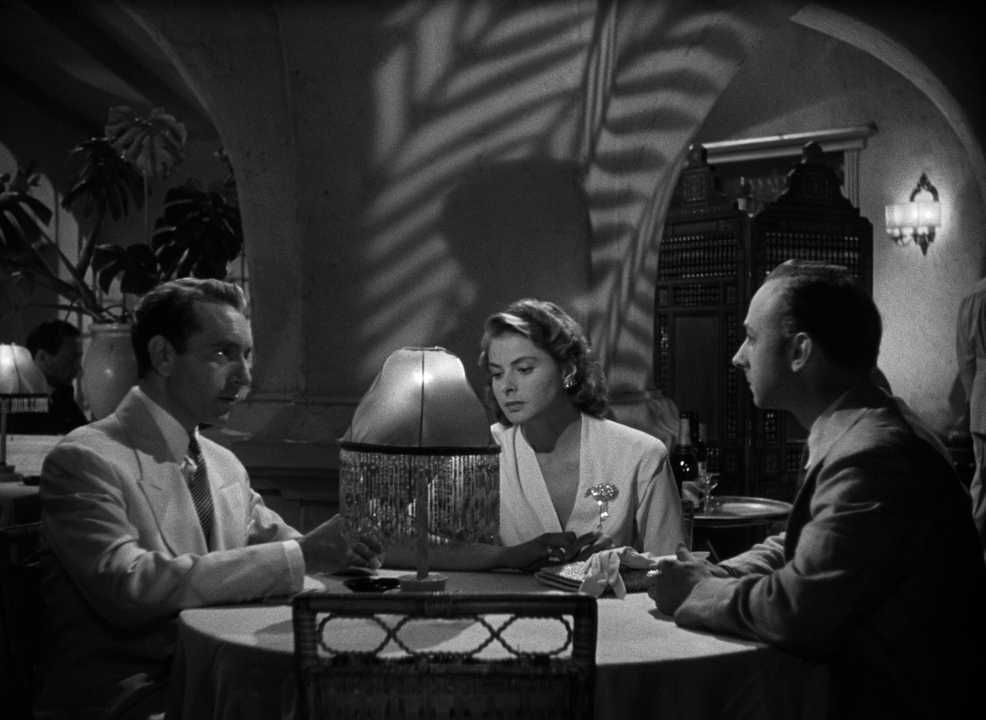
A good example is Casablanca (1942, Warner Bros.), made with contract actors, directed on studio sets, and distributed through theaters the studio either owned or controlled. Warner Bros. handled everything from pre-production to screening.
Block booking
Studios sold movies in packages. If a theater wanted a big release, it had to screen smaller, less marketable films from the same studio.
Genre branding
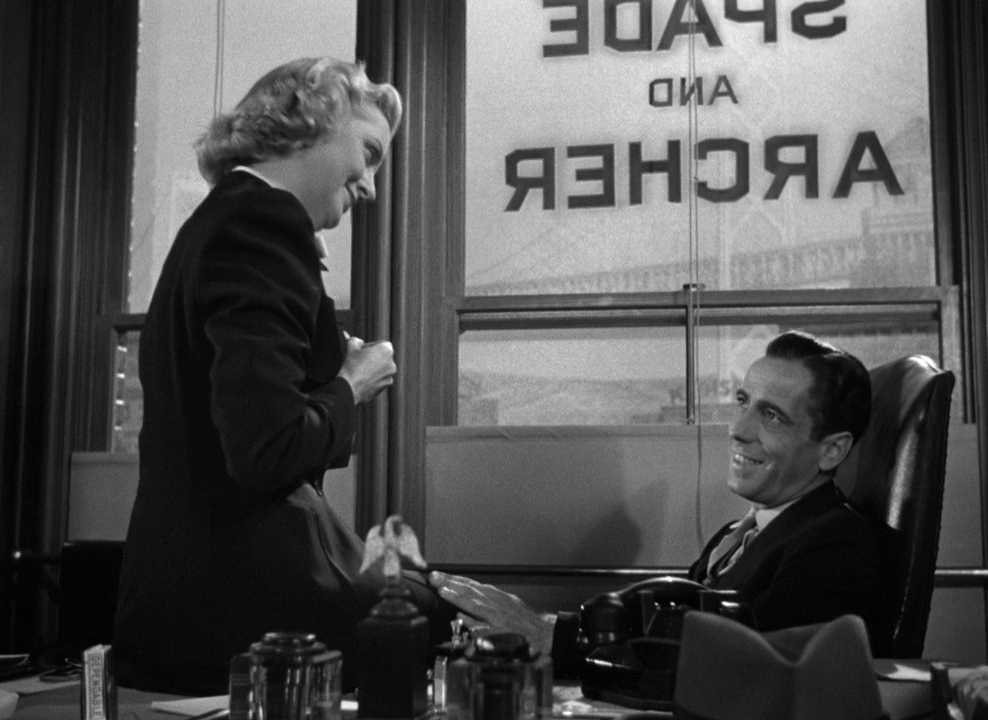
Studios developed recognizable styles. MGM produced polished musicals, Warner Bros. released crime dramas like The Maltese Falcon (1941), and Universal specialized in horror with films like Dracula (1931).
The star system
Studios shaped the public image of their contract stars. They arranged publicity events, suppressed scandals, and typecast actors in roles that matched a pre-built persona.
What Were the Benefits?
The studio system ran like a factory. It reused sets, costumes, props, and even footage across films. With fixed schedules and in-house crews, studios produced films quickly and predictably.
Between 1930 and 1945, Hollywood released over 7,500 feature films (roughly 300 to 400 per year across the major studios).
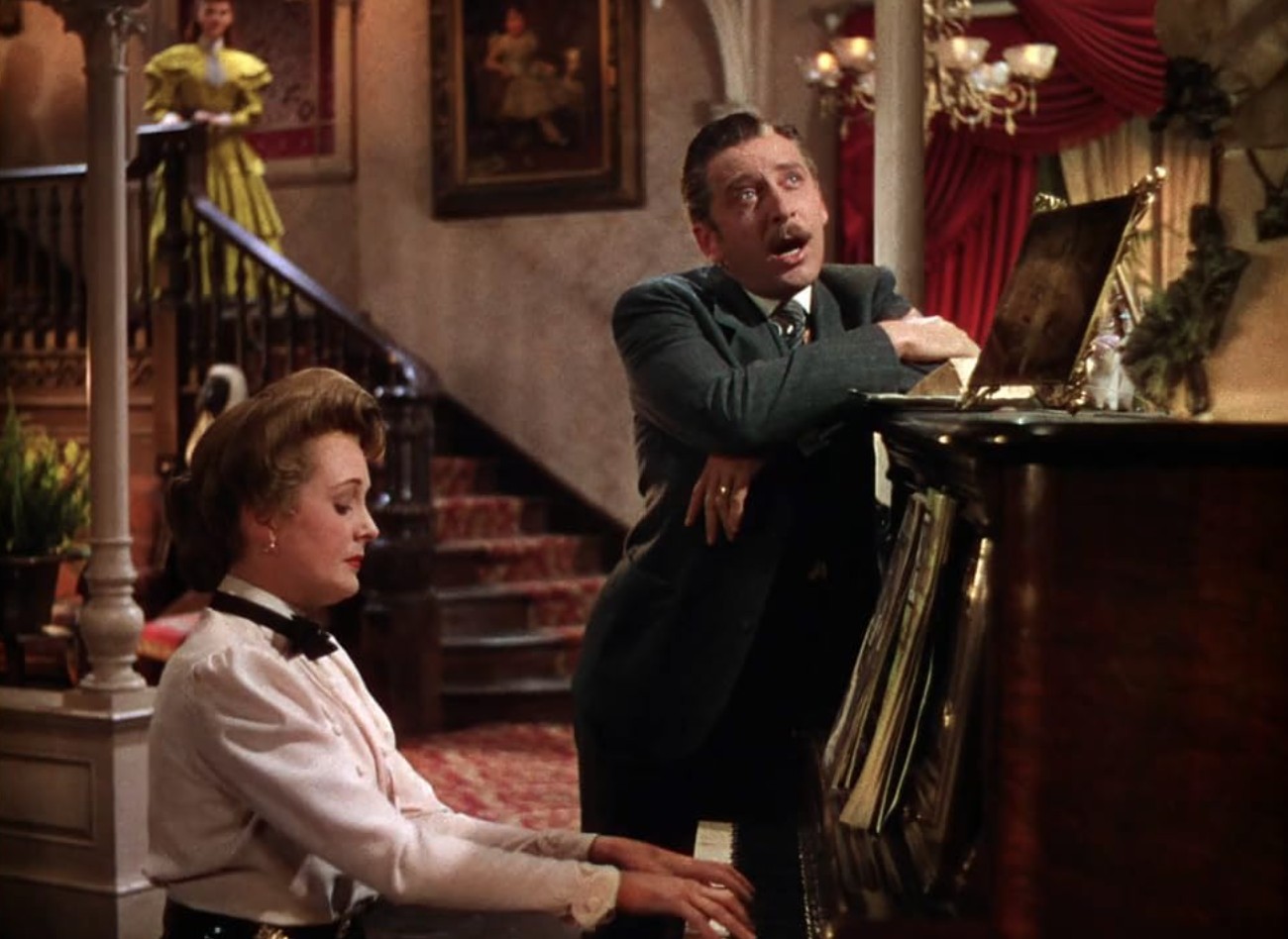
Studios also built brand loyalty. When you saw the MGM lion, you expected big stars and musicals like Meet Me in St. Louis (1944). When you saw Universal’s globe, you expected classic horror. The structure gave studios control over budget, tone, and release strategy with very few delays.
How Did It Limit Creativity?
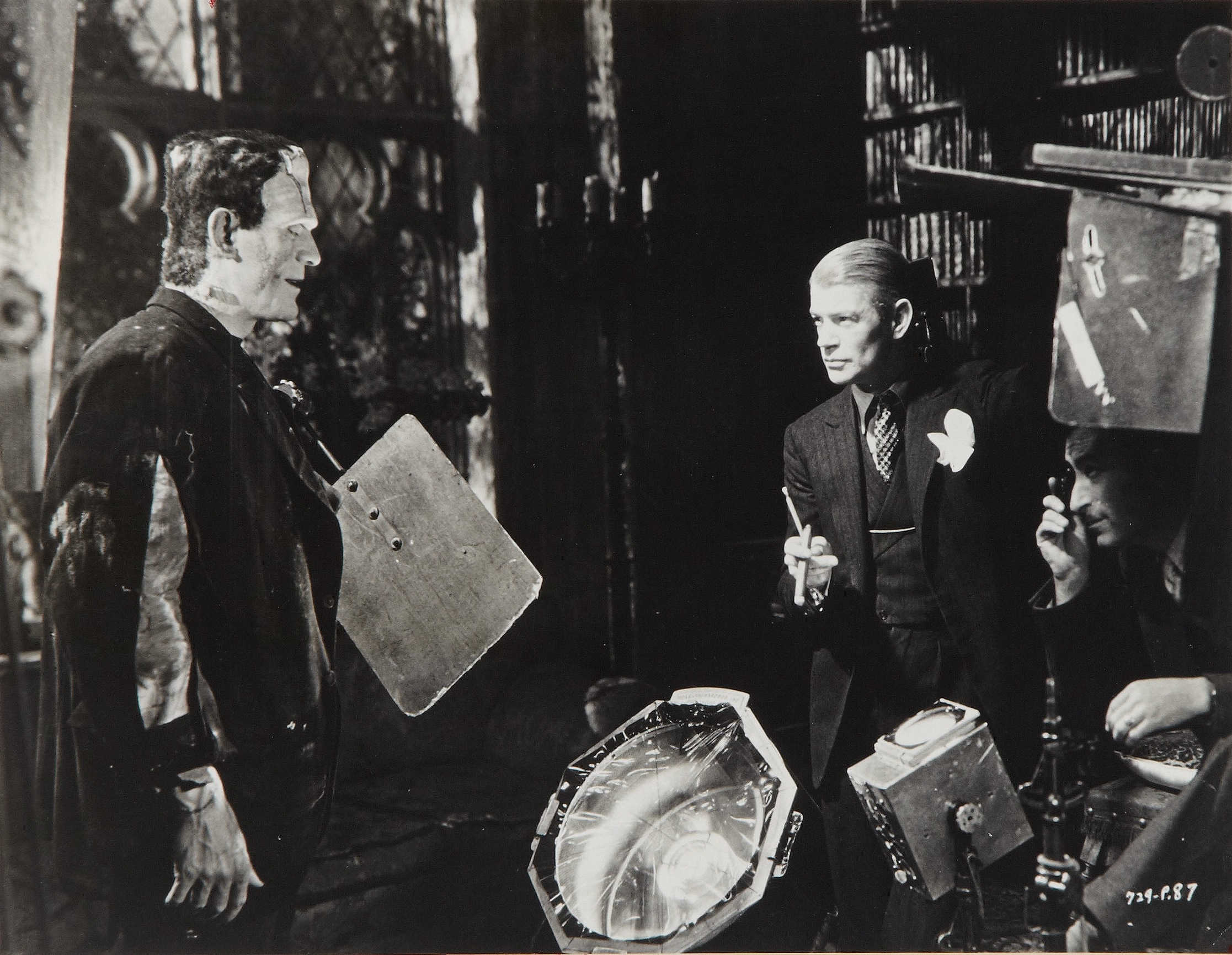
The system often trapped talent in fixed roles. Actors were typecast, meaning comedians stayed in comedies, and romantic leads rarely moved into serious drama. Writers and directors followed set formulas to fit the studio’s brand.
- No project control: Contract actors could not choose scripts or collaborators. Refusing a role meant suspension or legal action.
- Typecasting: Stars were assigned the same kinds of roles to maintain their image. A “tough guy” actor stayed in gangster films. A leading lady played romance leads over and over.
- Formula-driven stories: Studios prioritized genre repetition over experimentation to keep production stable and audience expectations met.
Bette Davis famously sued Warner Bros. in the 1930s to break her contract and choose better roles. She lost. Even major stars couldn’t control the parts they played unless they negotiated rare exceptions.
How the Hays Code Reinforced Studio Control
During the studio era, the major Hollywood studios controlled both how films were made and what could appear on screen. From the mid-1930s to the late 1950s, they followed the Hays Code, a set of strict moral guidelines approved by the industry’s trade group.
The code blocked any content that included sex, profanity, drug use, or excessive violence. It also required films to support law, religion, and traditional values. Heroes had to act morally. Criminals could not go unpunished. Romance had to follow clear rules. These limits shaped the types of stories the studios produced.
The Production Code Administration (PCA) enforced the code. It was led by Joseph Breen and worked independently from the studios. Studios had to send their scripts and final cuts to the PCA before release. Without a PCA seal, theaters often refused to show the film.
Because all the major studios were members of the same trade organization, they agreed to follow the code across the industry. This gave the big five even more control over film content. Writers, directors, and producers worked within the code from the beginning. The studios set the rules, and the code helped keep them in place.
What Ended the Studio System?
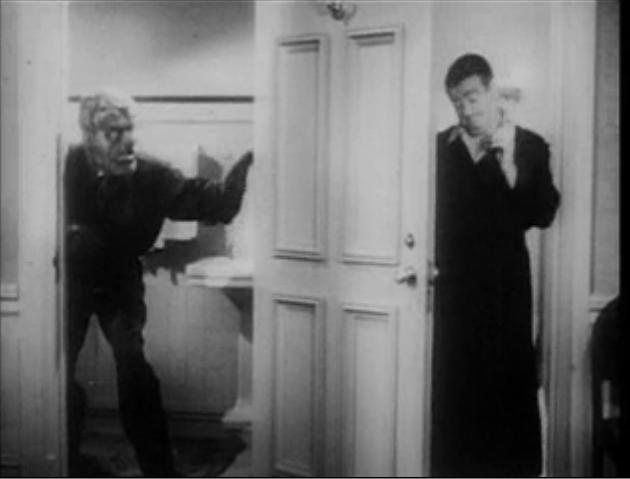
By the late 1940s, the system faced legal and economic collapse. In 1948, the U.S. Supreme Court ruled in United States v. Paramount Pictures, Inc. that studios had to sell their theater chains and stop bundling films. Without guaranteed exhibition, the vertical system fell apart.
Other forces also sped up the collapse:
- Television: TV gave people a new form of home entertainment. Movie attendance dropped sharply.
- Independent filmmaking: Outside directors and producers began gaining attention by releasing films that felt less staged and more personal.
- End of contracts: Studios began hiring freelance actors and directors on a per-project basis. They also relied more on external production companies to lower risk.
By the mid-1950s, the long-term contract system had mostly disappeared. Studios restructured how they made films and adapted to a changing audience.
Lasting Influence of the Studio System
Even though the original structure collapsed, its influence remains. Modern studios like Disney and Warner Bros. still oversee every part of a franchise, from scripts and casting to merchandising and streaming.
They control tone, casting choices, and the long-term vision across sequels and spin-offs.
- Franchise control: Studios now manage entire cinematic universes, like the Marvel and Star Wars brands, across films, shows, merchandise, and games.
- In-house branding: Just like the studio genres of the 1930s, modern franchises have recognizable tones. Marvel mixes action and humor. Pixar focuses on emotional family stories.
See all the stuff Disney owns in terms of franchises, production companies, and more.
In other words, the Hollywood Studio System’s DNA lives on in how studios manage IP, branding, and distribution. What used to be built around actors and stages is now built around franchises and platforms.
Related Systems and Controls outside the US
Outside the U.S., studios in Japan, India, and Europe operated similarly. In 1930s Japan, for example, Shochiku and Nikkatsu controlled actors, built their own studios, and owned their own theater networks. Their systems closely mirrored Hollywood’s structure.
Summing Up
The studio system ruled Hollywood from the late 1920s to the 1950s. It streamlined how films were made and sold, but it also restricted creative freedom. A legal ruling broke up the system’s control, and television gave people new entertainment options.
But the legacy of the studio system lives on. You can still see its influence in how studios build franchises, brand their tone, and plan release strategies for global audiences.
Read Next: Want a deeper look at global film history?
Start with our Film History, Theory & Genre hub to see how early studios, national movements, and major shifts shaped the language of cinema.
Then explore our full Film Movements & World Cinema section for guides on movements like German Expressionism, French New Wave, Italian Neorealism, and more.
You can also check out our Visual Art Timeline to see how global art movements shaped the look, tone, and rhythm of film across decades.
