

Published: December 5, 2025 | Last Updated: January 19, 2026

What is a spin-off in film? Definition & Meaning
A spin-off is a new film, television show, or other narrative work that is derived from an existing work but focuses on different aspects (such as a character, location, or storyline) rather than continuing the original plot. A spin-off keeps a clear link to the source material while telling its own story. It can highlight a side character, expand the fictional world, revisit a different time frame, or tell the story from a different character’s point of view.
How Spin-Offs Work
Spin-offs take part in an original story and build a new story, setting, or perspective around it. This could be a character, a location, or a theme that was part of the original but didn’t get enough screen time or story development. The new project still connects to the original, but it tells its own story with its own tone.
Spin-offs are not the same as sequels, prequels, or reboots. They branch off and explore a different path, even if the world or characters overlap. Not every movie in a shared universe is a spin-off. A true spin-off must grow directly from a specific earlier film, not just share a setting or brand.
Common Types of Spin-Offs
There are a few basic types of spin-offs in film. Each one changes the focus while keeping a connection to the original project.
- Character-based: Focuses on a known character, usually a supporting one, and turns them into the lead.
- Setting-based or world-based: Stays in the same fictional universe but follows new characters or events.
- Sidequel (parallel story): Happens during the same time as the original but follows a different storyline.
- Prequel or sequel spin-offs: Shows what happened before or after the main plot, often from a new angle.
Character-Based Spin-Offs

These spin-offs take a minor or secondary character and give them a lead role (and sometimes an origin story). The tone often shifts (for example, from ensemble comedy to legal drama, or from fantasy to adventure), but the character keeps the link to the original story.
Better Call Saul (2015, AMC) spins off from Breaking Bad (2008, AMC), following Jimmy McGill before he became Saul Goodman. The world feels familiar, but the slower, legal tone makes it stand apart.
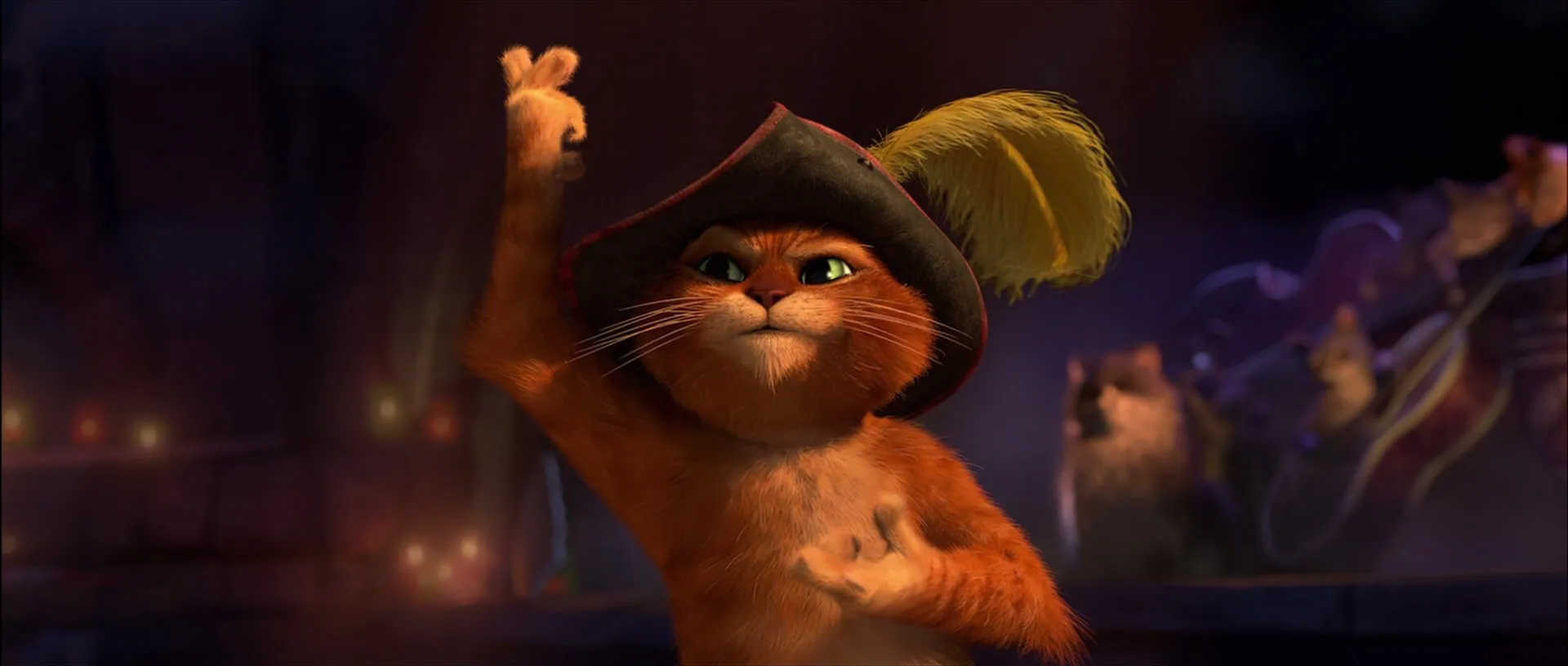
Puss in Boots (2011, DreamWorks) spun off from Shrek (2001) with a lighter, adventure-focused tone aimed at younger audiences.
Setting-Based or World-Based Spin-Offs

These spin-offs keep the same universe but tell new stories with new characters. The world stays the same, but the narrative focuses on new characters with different goals, problems, or threats.
Fantastic Beasts (2016, Warner Bros.) takes place in the Harry Potter universe but features a new lead, a different country, and an earlier time period. It uses the magical world in a completely new way.
Sidequels, Prequels, and Sequel Spin-Offs
Some spin-offs shift the timeline. Prequels show earlier events. Sequels move the story forward with a new focus. Sidequels happen at the same time but follow a different path, often highlighting characters or conflicts that ran alongside the original.

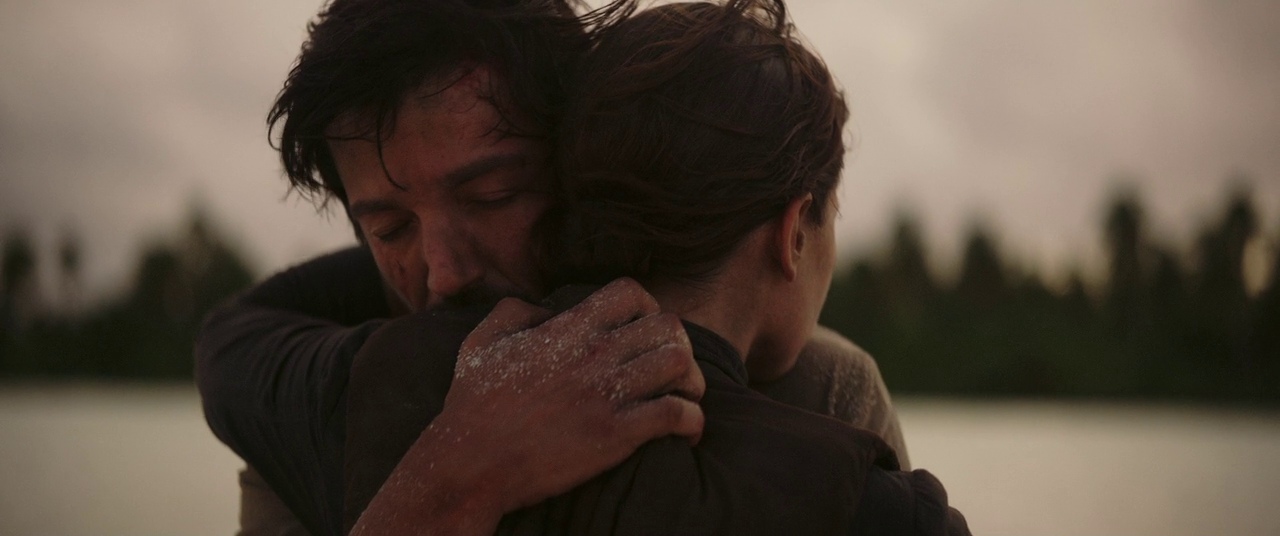
Andor (2022, Disney) is a prequel to Rogue One (2016), which itself spun off from Star Wars. Each layer adds political and emotional depth to the larger saga.
Creed (2015, MGM) follows Adonis Creed, son of Apollo Creed from the Rocky films. It tells a new story within the same world, bridging generations.
Why Studios Use Spin-Offs
Studios use spin-offs to grow franchises, lower financial risk, and test out new genres (like horror or satire), character types, or visual tone, without restarting the franchise. A spin-off lets you stay in a successful world while shifting tone, genre, or focus.
Some spin-offs start as side characters introduced in earlier films. This approach lets studios test interest before launching a full-length feature or greenlighting a new film series in the same universe.
- Rogue One (2016) kept the Star Wars brand active between sequels.
- Black Panther (2018) first appeared in Civil War (2016) before leading a full film.
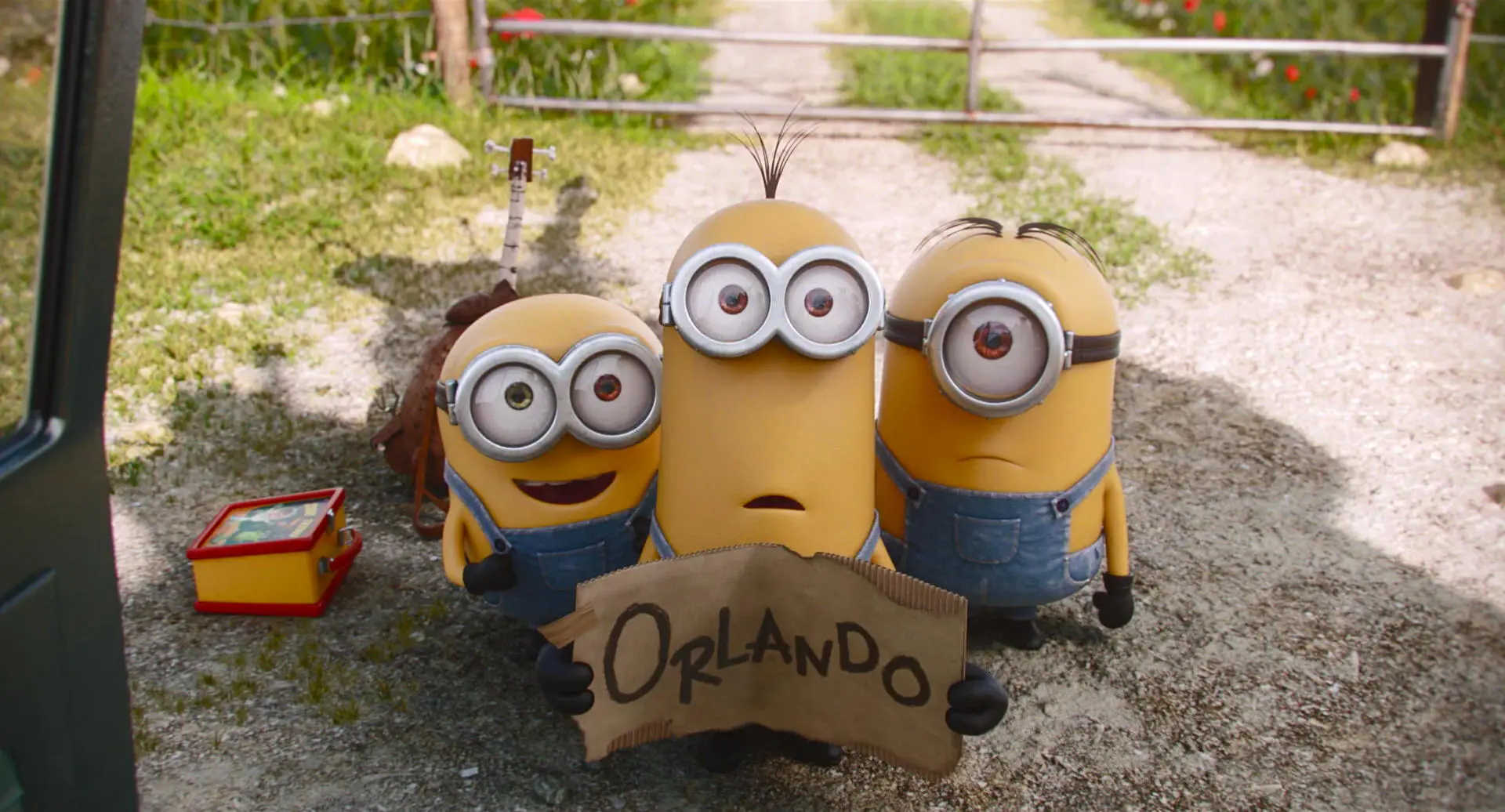
- The Minions were comic relief in Despicable Me (2010) before spinning into their own franchise.
- The Marvels (2023) is both a sequel and a spin-off, pulling from Captain Marvel, WandaVision, and Ms. Marvel.
Shared universe films like Ant-Man (2015) are part of a bigger world, but they are not spin-offs unless they branch directly from a specific earlier film or storyline.
How Spin-Offs Are Credited in Film
Spin-offs often credit the original creators, especially when reusing characters or story elements. This appears in credits like:
- “From a character created by…”
- “Based on characters from the motion picture…”
This helps protect rights and shows continuity between projects.
Challenges and Risks
Spin-offs are hard to get right. If they depend too much on the original, they feel repetitive or uninspired, reusing scenes, jokes, or character arcs without adding anything new. If they drift too far, they lose the emotional tone, narrative structure, or character development that made the original work successful.
Joey (2004) lost the group chemistry that made Friends work. Solo (2018) faced backlash for recasting and tone that did not match fan expectations.
Examples by Type
This table shows how different types of spin-offs play out in film, with their source titles included for reference.
| Type | Film Example | Original |
|---|---|---|
| Character-based | Puss in Boots (2011) | Shrek (2001) |
| World-based | Fantastic Beasts (2016) | Harry Potter series |
| Prequel | Andor (2022) | Rogue One (2016) |
| Sequel spin-off | Creed (2015) | Rocky (1976) |
| Hybrid (TV/Film) | The Marvels (2023) | Captain Marvel / WandaVision |
What Creators Say About Spin-Offs
Showrunners and filmmakers often say spin-offs work best when they bring a new tone, a new focus, or a new genre angle to a familiar world. The goal is to expand what you already know, not to repeat the original beats with a different title.
Better Call Saul co-creator Peter Gould, who helped develop the series alongside Vince Gilligan, has said the show needed its own identity. He has described a slower, more character-driven approach that separates the series from Breaking Bad and lets it stand on its own creative footing.[1]
Andor creator Tony Gilroy has shared a similar view about building a distinct voice. He has emphasized that the series should not rely on fan service as its main engine. His goal was a grounded political thriller set inside the broader Star Wars world, with an emphasis on hard choices under pressure.[2]
Together, these perspectives point to a useful rule for your own projects. A strong spin-off respects the original, but it makes a clear creative promise that the original did not make.
Summing Up
A spin-off is a story that branches off from an existing film, show, or franchise. It gives you more ways to explore a world you already know. Good spin-offs balance old and new. They respect the original while exploring new characters, timelines, or conflicts with different personal consequences. In film, spin-offs are one of the most reliable ways to grow a universe and try new things.
Read Next: Curious how film theory shapes the way we watch movies?
Start with the Film Theory section to break down realism, formalism, structuralism, and more — with examples from iconic films.
If you want studying film theory I recommend starting with The FilmDaft overview of film theory discourses to break down realism, formalism, structuralism, and more — with examples from iconic films.
Then explore the full Film History, Theory & Genre collection to see how movements, styles, and storytelling traditions have evolved.
Whether you’re into Soviet montage or 2000s genre mashups, there’s something here to sharpen your understanding.
