

Published: November 12, 2025

What is an origin story in a film? Definition & Meaning
An origin story is a film that explains how a character, group, or world came to be by focusing on their earliest events, experiences, or transformations. It focuses on defining moments (like grief, discovery, trauma, or conflict) that push a person to change their role, beliefs, or goals. These stories appear often in superhero films, crime dramas, fantasy, sci-fi, and historical epics.
Why Origin Stories Work (and When They Don’t)
Origin stories work because they show you what shaped a character’s values and fears. They reveal the reasons behind key decisions. This makes later actions feel earned, not random. When you understand what someone has been through, you care more about what they do next.
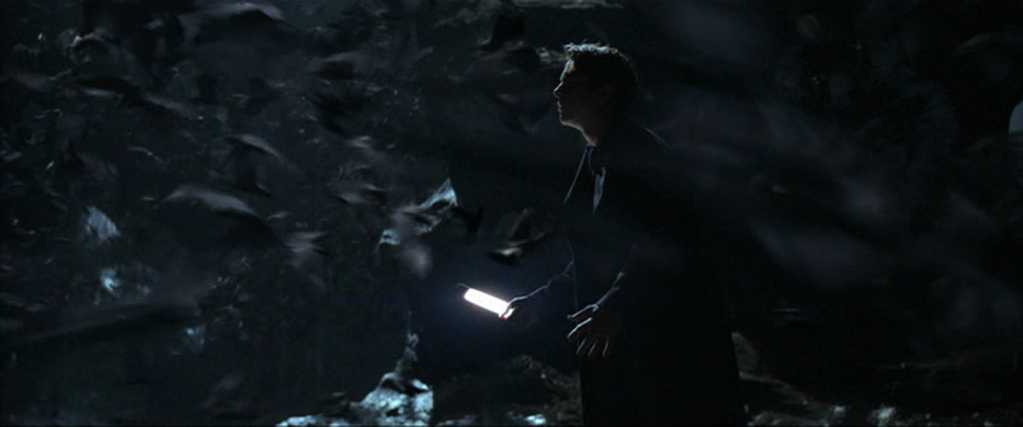
Batman Begins (2005, Warner Bros.) shows Bruce Wayne training with the League of Shadows, facing his fear of bats, and watching his parents get murdered. These events explain why he chooses to fight crime without killing. His rules come from pain and purpose.
But origin stories can drag when they focus too long on setup, especially if there’s no clear conflict or goal in the first half. When the main plot doesn’t start until the final act, the film feels stalled. Over-explaining a character’s past can also remove tension or mystery, especially for villains.
What Makes an Origin Story Different from Backstory?
A backstory fills in the past. An origin story shows the turning point and transformation. It explains how a person becomes something new, like a hero, villain, rebel, or leader.
Origin stories often answer one central question: What happened that changed everything, and how does it reshape the character arc? The best ones focus on change in identity, i.e., not just what someone did, but how they began to see the world differently. That change is what drives the rest of the film or series.
Common Types of Origin Stories
Most origin stories fall into clear patterns. Each one focuses on a different kind of transformation and goal.
1. Superhero Origins
Superhero origin films show how someone gains powers or chooses to become a hero. The turning point is usually shaped by loss, a moral test, or sudden responsibility.
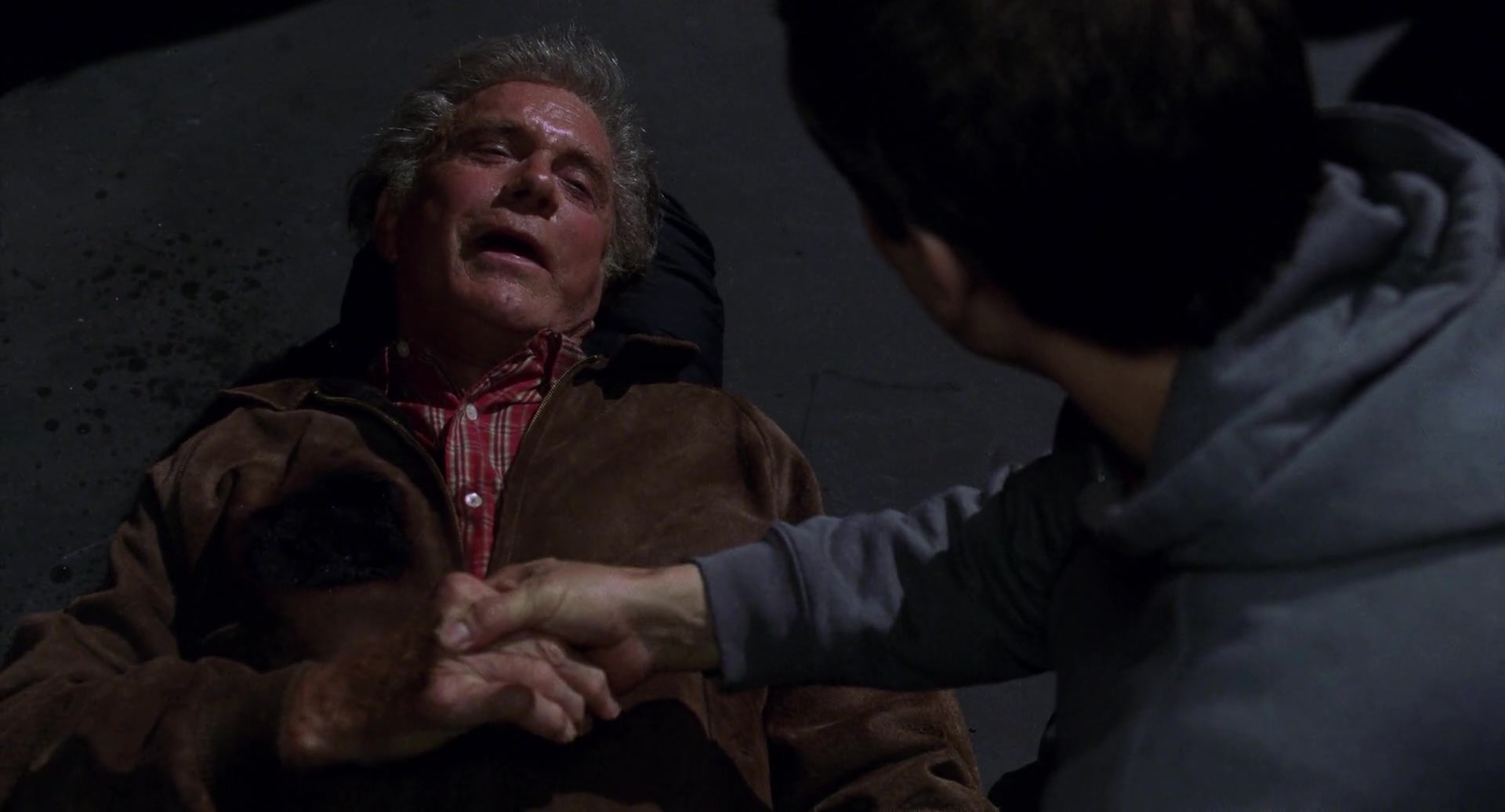
Spider-Man (2002, Sony) follows Peter Parker after he’s bitten by a radioactive spider. But it’s the death of Uncle Ben (and Peter’s guilt) that pushes him to act. His powers matter less than the lesson he learns: “With great power comes great responsibility.”
2. Villain Origins
Villain origin stories show how someone turns toward darkness. They often begin with humiliation, rejection, or deep injustice.
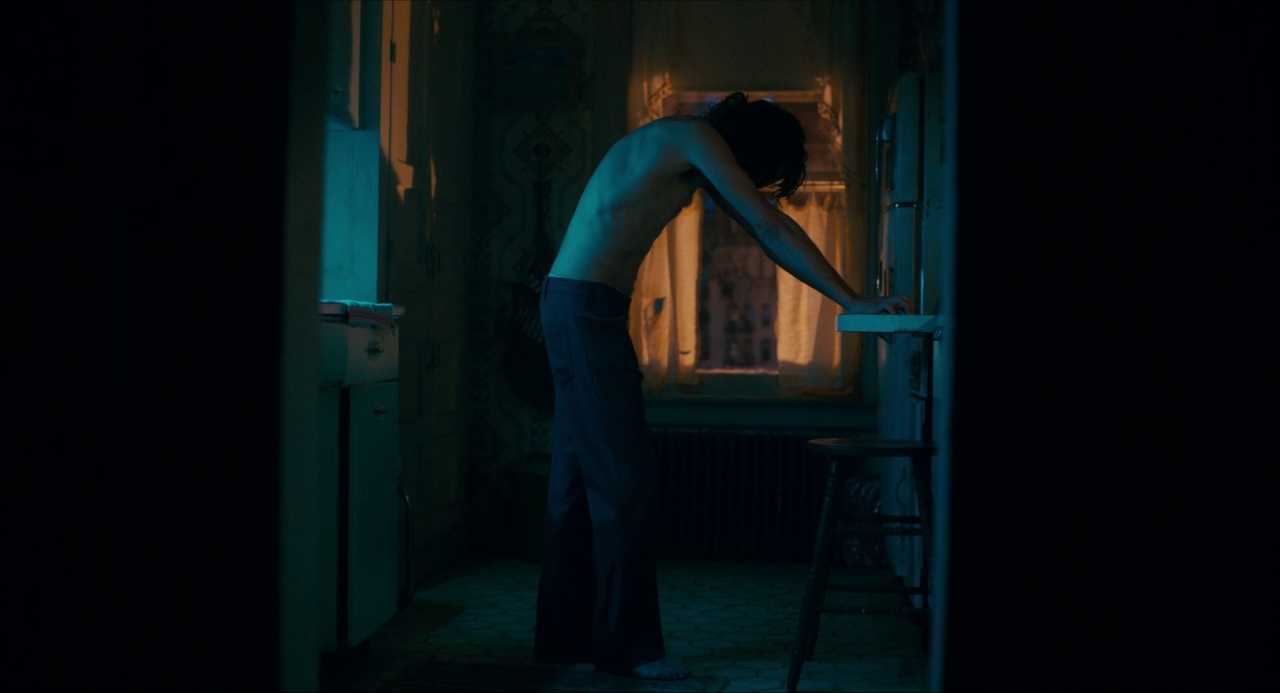
In Joker (2019, Warner Bros.), Arthur Fleck is a man ignored by society and struggling with mental illness. After being publicly mocked and pushed past his limit, he transforms into the Joker. The film shows how cruelty, not just madness, drives his actions.
3. Group or Team Origins
These stories show how a team forms and begins to work together. They often focus on clashing values, shared goals, and early conflicts that create trust.
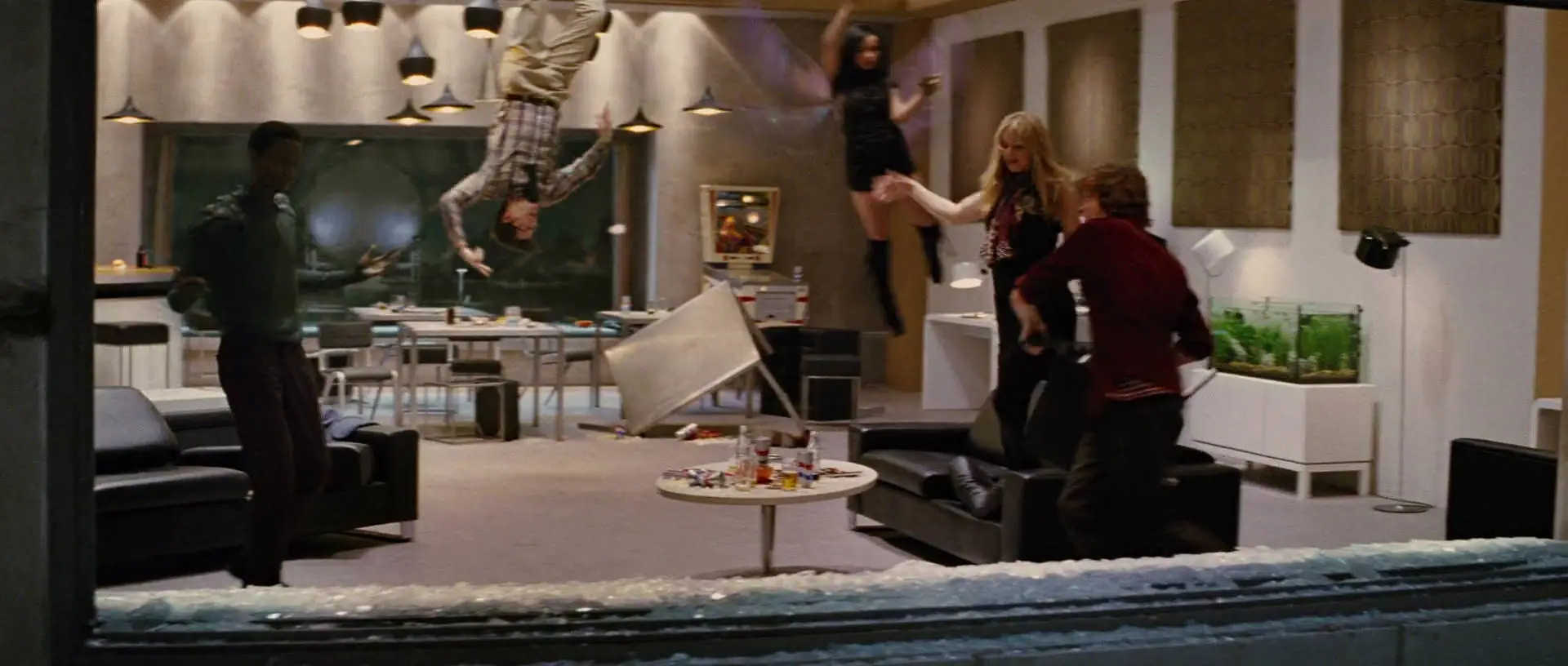
X-Men: First Class (2011, 20th Century Fox) shows how Charles Xavier and Erik Lehnsherr bring together the first group of mutants. Each person’s power connects to their past, but the focus is on how the group bonds and how internal conflict leads to a future split.
4. World or System Origins
Some origin stories explain how a world or society formed. They’re often used in dystopian or fantasy genres, where rules and systems need background.
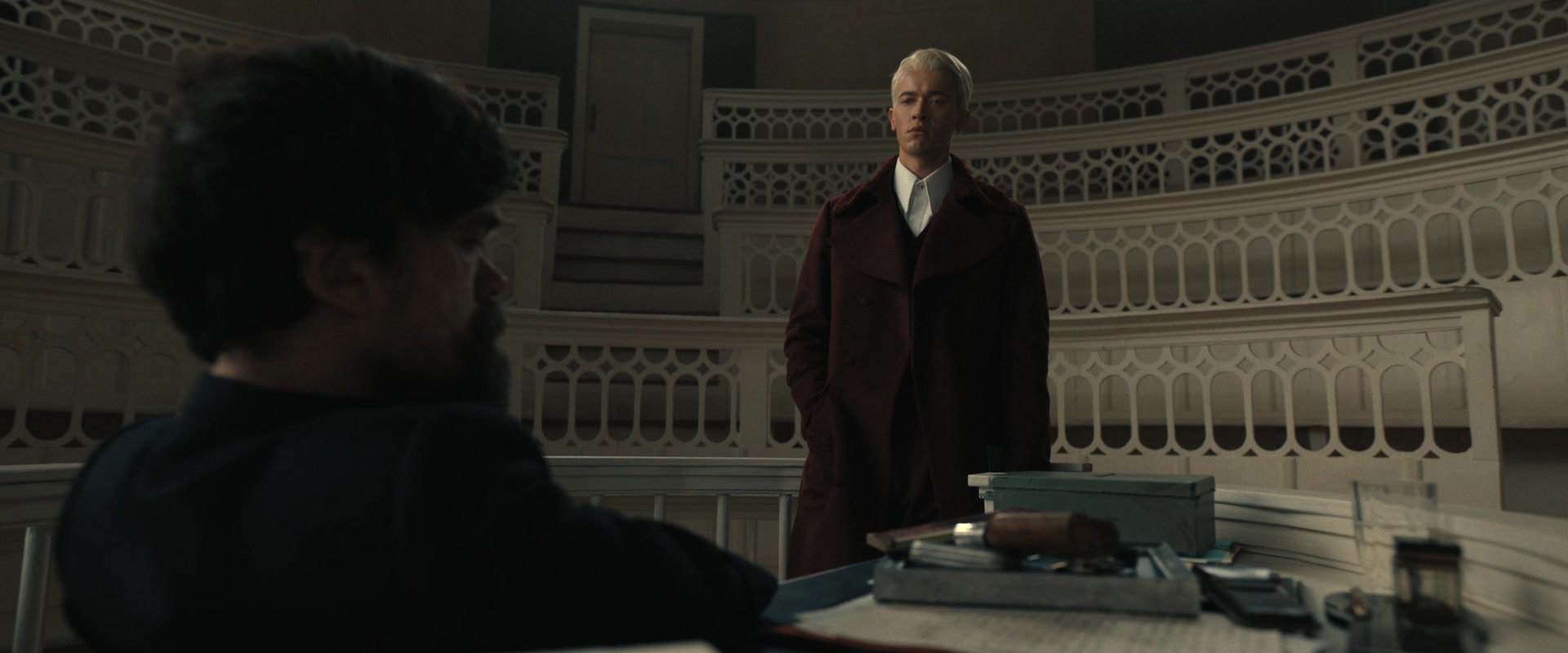
The Hunger Games (2012, Lionsgate) introduces a brutal game and a divided society. But The Ballad of Songbirds and Snakes (2023) shows how the games began, and how early decisions shaped the cruelty that followed. The story makes the system feel more real and more disturbing.
How to Structure an Origin Story
Most origin stories follow a simple structure:
- Setup: Show the character’s starting point, their beliefs, goals, or way of life.
- Catalyst: A major event challenges life (like a loss, discovery, or betrayal).
- Transformation: The character changes how they see the world, shifts their identity, or chooses a new path.
- Outcome: They act on that change, stepping into a new role that defines their future.
This basic arc also overlaps with steps from the Hero’s Journey, especially the “call to adventure,” “refusal,” and “transformation” stages.
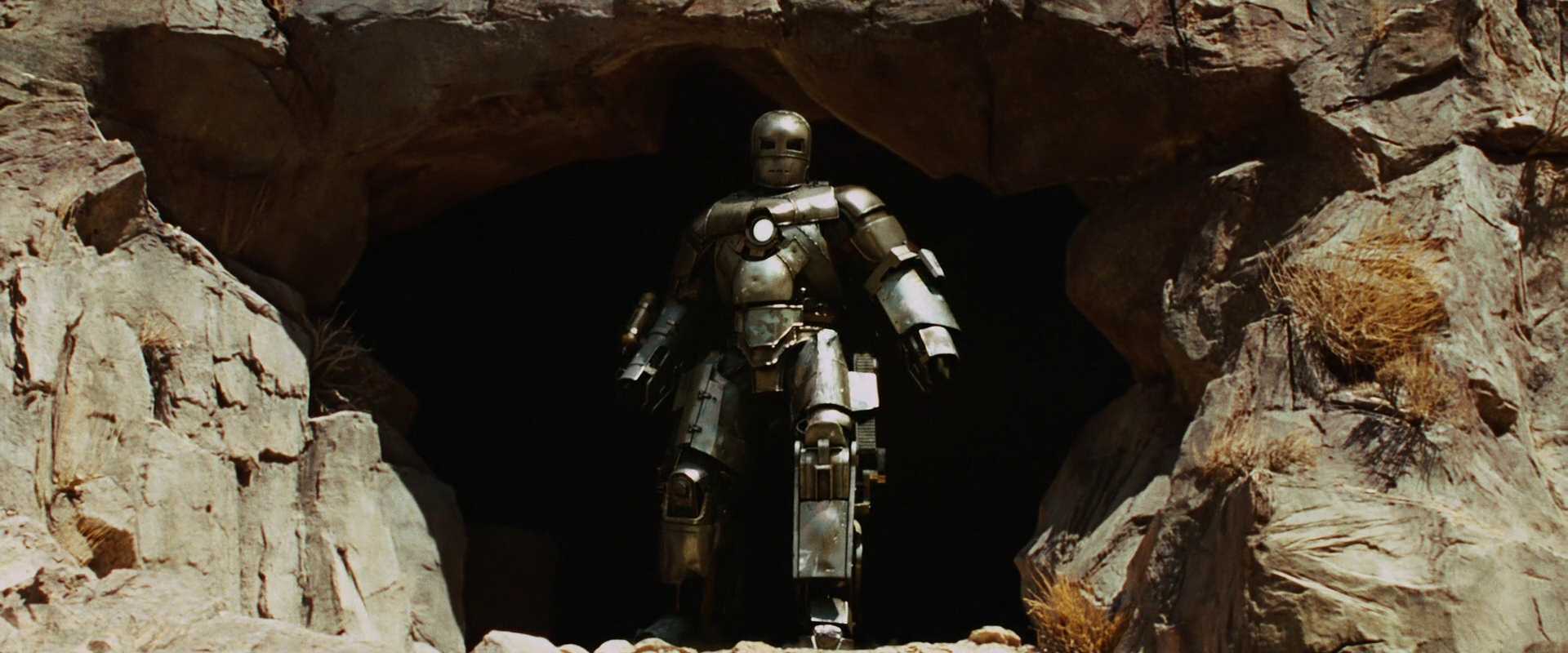
In Iron Man (2008, Marvel Studios), Tony Stark starts as a selfish weapons dealer. After being kidnapped and nearly killed, he rethinks everything. He builds his first suit to escape, then decides to use his mind to help, not harm. His trauma forces growth. That choice becomes the core of who he is.
Ask these questions when creating or studying an origin story:
- What specific event forces the change?
- How does the character’s worldview shift?
- What do they do differently afterward?
- Is there mystery or space left for future growth?
Standalone, Prequel, or Omission?
Origin stories can appear in the first film of a series or later as a prequel. Either way, they must stay focused. A good origin story sets the stakes, but doesn’t explain everything.
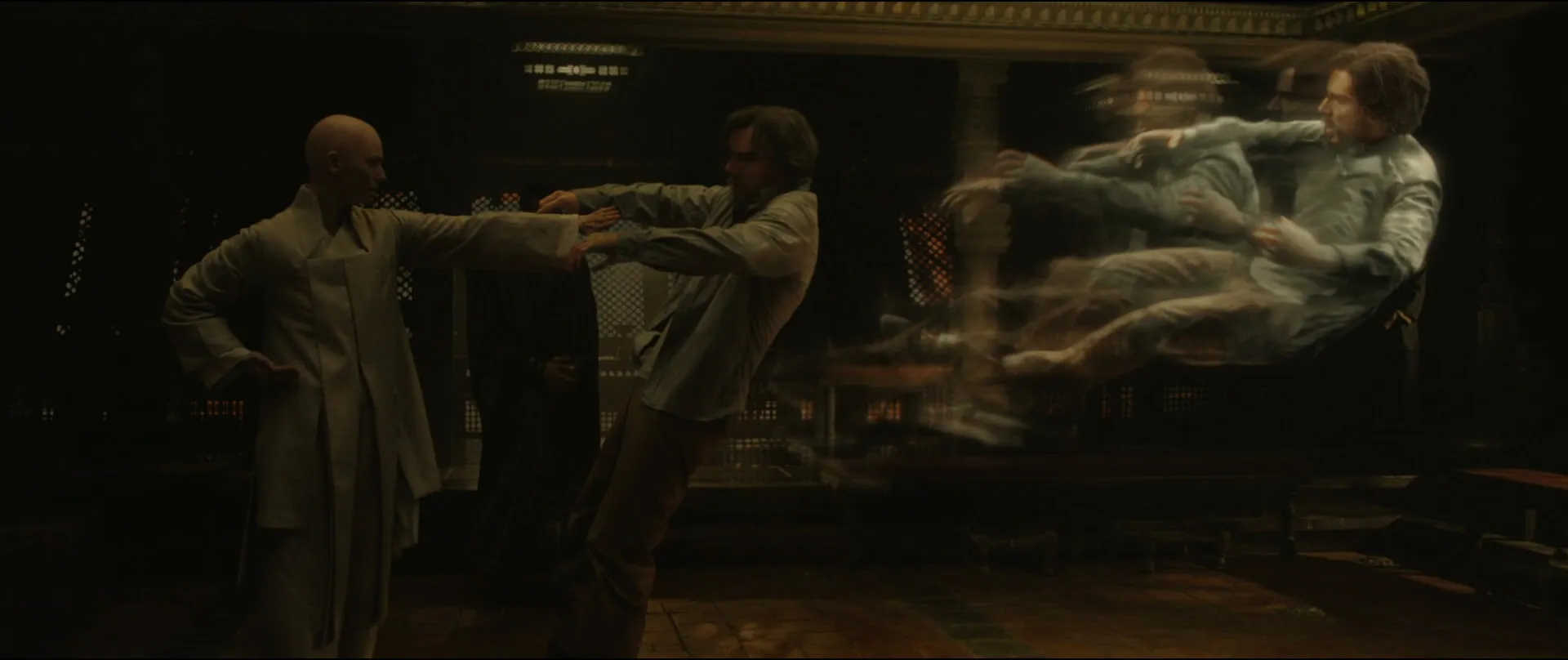
Doctor Strange (2016, Marvel Studios) is a standalone origin story. It follows Stephen Strange from arrogance to humility, ending with his decision to protect the world. It gives just enough backstory to support his growth, then moves forward.

Monsters University (2013, Pixar) is a prequel. It shows how Mike and Sulley became friends before the events of Monsters, Inc. Because we already know the outcome, the film focuses on how their bond was tested and earned.
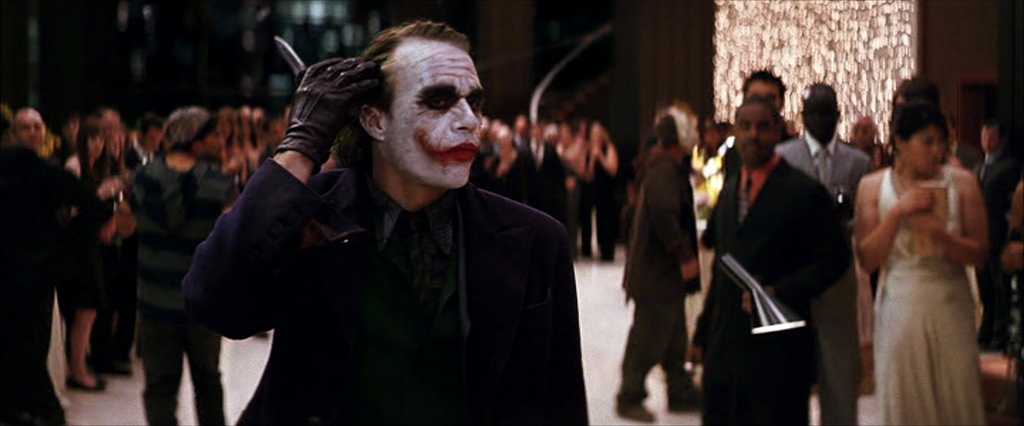
But not all characters need an origin. In The Dark Knight (2008), the Joker tells different lies about his past. That mystery makes him harder to predict, and scarier. If your character works better as a force of chaos, it may be best not to explain them. The Dark Knight does work as an origin story for Two-Face, though.
Summing Up
An origin story gives you the turning points that shape a character or world. It shows how someone becomes who they are by facing a challenge, changing their values, and acting on that change. A strong origin story creates purpose, sets tone, and prepares everything that comes next.
Read Next: Got a cool idea but no story yet?
Check out our Story Development section for help turning rough ideas into clear concepts, building stronger characters, and finding the heart of your script before you write page one.
Want to build the whole toolkit? Explore the Screenwriting archive for structure, formatting, and career advice that supports every step of your writing process.
