

Published: November 12, 2025

What is a screenlife movie? Definition & Meaning
A screenlife movie is a film where the entire story is shown through digital screens, like a laptop, phone, or tablet. Instead of using traditional cameras and locations, the action takes place inside the digital world. You see what the character sees, types, clicks, or records in real time.
How Screenlife Movies Tell Stories
Screenlife films turn the screen itself into the camera. The viewer watches as the character moves between apps, video calls, social media, web searches, and files. Every action on the screen becomes part of the story. This creates a direct connection between the character and the viewer.
Common screenlife techniques include:
- Video chats through Zoom, Teams, or FaceTime
- Real-time messaging in chat apps or group threads
- Social media posts and scrolling
- Search engine results and browser history
- Pop-up windows and desktop folders
Every sound, from typing to message alerts, becomes part of the scene. Typing sounds, message tones, and pauses set the pace of a scene. A sudden notification can create surprise, while long silences after a message can build suspense the same way a music cue or camera movement would.
Origins and Rules of Screenlife
The screenlife format was shaped and named by producer Timur Bekmambetov. He called screenlife a “language” instead of a genre.
He directed Profile (2018), a screenlife thriller told entirely through a laptop screen. He also produced other key titles like Unfriended (2014) and Searching (2018).
He also defined the screenlife basic rules: one screen at a time, real-time action, and device-based sound only.
The screen acts as the stage where every action matters. A slow cursor shows hesitation, a quick one shows panic, and hovering over a file or message can feel like a moment of indecision.
Screenlife became widely known in the 2010s, but early examples appeared in the 2000s. Two important titles from that period are The Collingswood Story (2002) and Thomas in Love (2000).
Examples of Screenlife Films
Screenlife films work across different genres, from horror to political thrillers. Each one uses screen-based action to show fear, suspense, or emotional pressure in real time. The examples below show how the format adapts to different types of stories.
Horror
Unfriended (2014, Blumhouse)

Set during a Skype call between teenagers, Unfriended follows a group haunted by the ghost of a classmate. The film builds suspense through typing delays, backspacing, dropped calls, and unread messages.
Host (2020, Shudder)
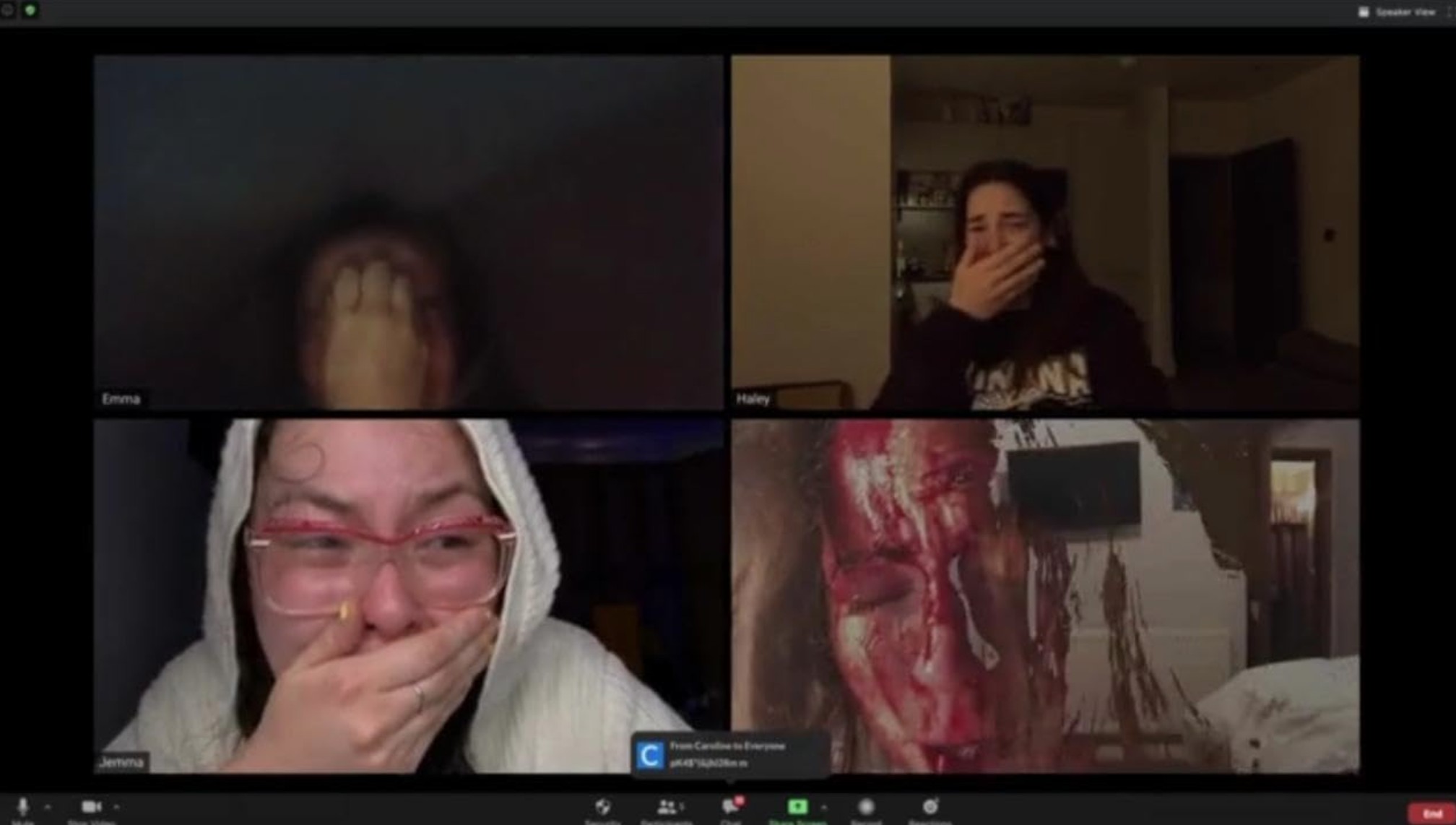
Shot and released during COVID-19 lockdowns, Host takes place on a single Zoom call. A group of friends holds an online séance that quickly turns deadly. Because the characters never meet in person, the horror spreads through screens alone. This mirrors how people stayed apart during lockdowns.
Thriller and Mystery
Searching (2018, Screen Gems)
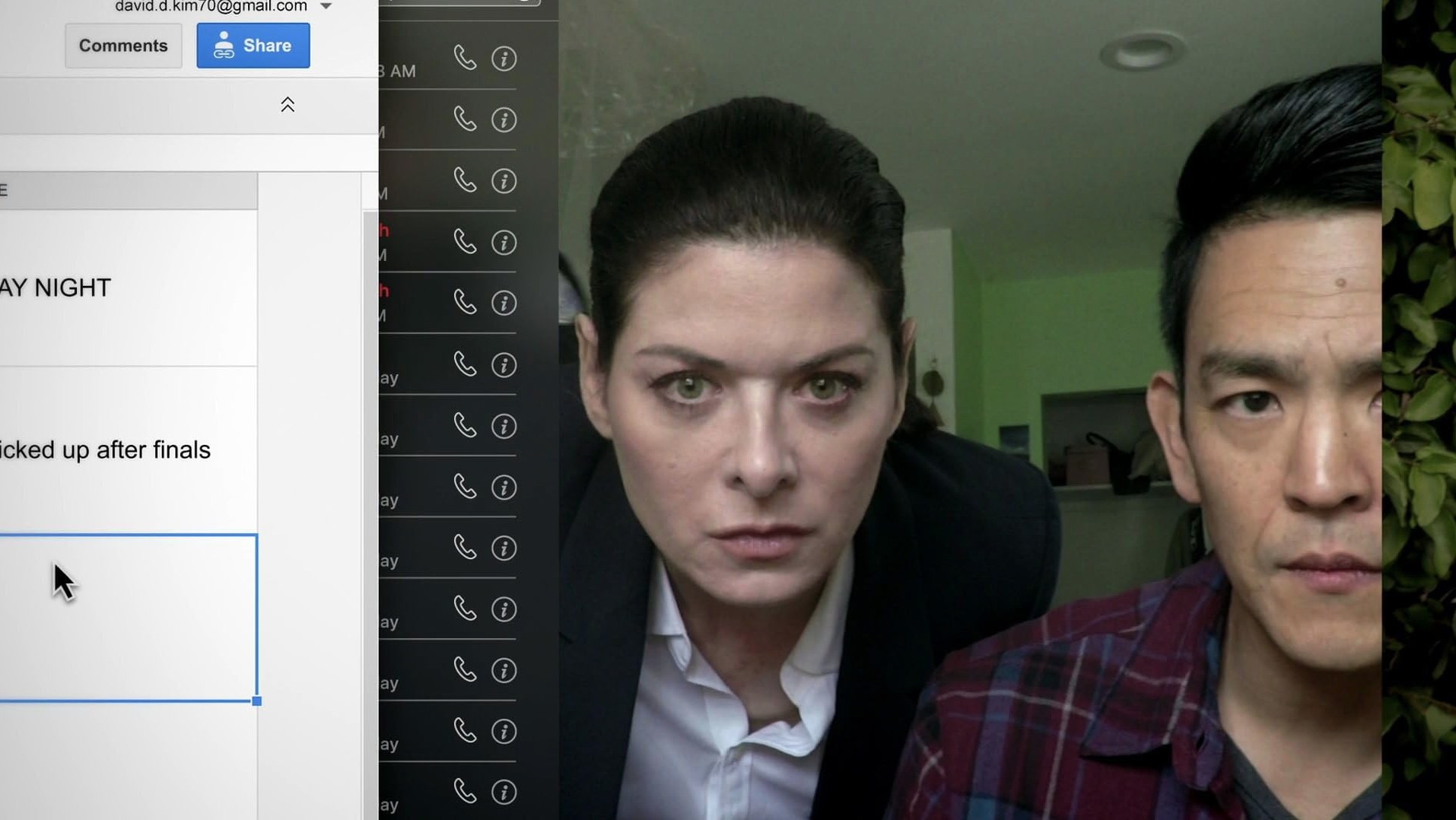
When his daughter disappears, a father searches through her laptop, messages, videos, and accounts to track her down. The story unfolds through every click and search, turning ordinary digital tools into suspense-building devices.
Undercover and Political Drama
Profile (2018, Focus Features)
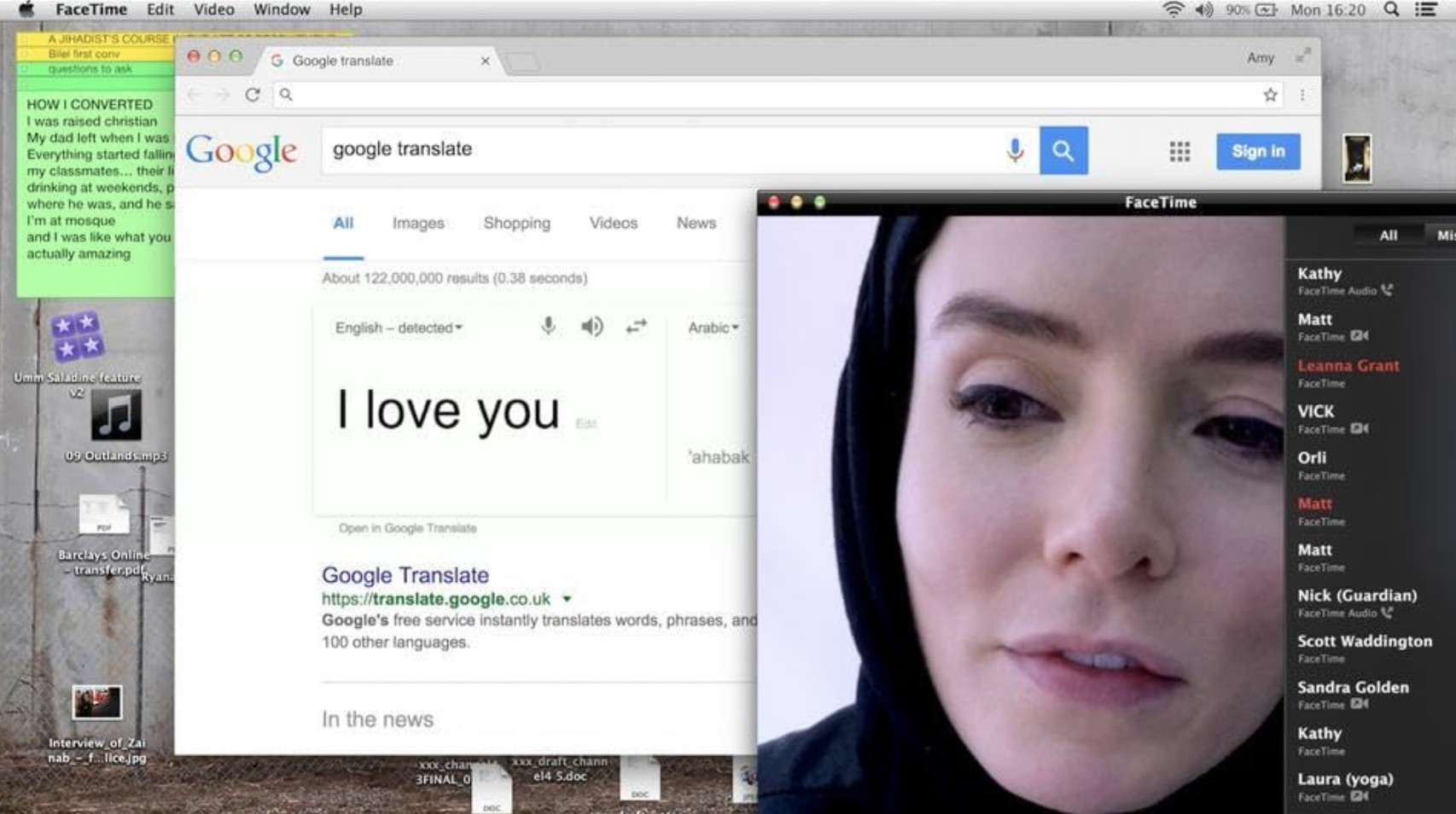
A journalist creates a fake online identity to infiltrate a terrorist group. Her entire mission takes place on her computer, showing her fake profiles, video calls, and private chats. The longer she stays online, the more dangerous the situation becomes.
What Screenlife Adds to Film
Screenlife shows how digital life shapes how you search, connect, and hide. The format focuses on small, familiar actions. A typing bubble, a paused message, or a deleted word can say more than dialogue. Watching someone retype a message shows hesitation or fear. A message notification can create suspense if it arrives at the wrong time.
It also gives you access to a private space. You see the character’s desktop, camera roll, and browser tabs. This makes the experience personal and direct, without needing traditional framing or coverage.
Because screenlife films only need a device and a script, they are often cheaper to make. They don’t rely on large crews or locations. This makes the format useful for low-budget filmmaking and tight production schedules.
Some screenlife films also use handheld footage or fake news clips, similar to found-footage or mockumentary styles. This combination adds realism and makes the story feel like evidence.
Limitations and Challenges
Screenlife limits what you see to one digital screen at a time, which means every movement, click, or pause has to carry meaning. Some viewers may find it visually limited or hard to follow. Text can be small or fast-moving. If the story stays on one screen too long or shows too many idle moments (like someone just staring or browsing without purpose), it can lose momentum and feel flat.
Every detail has to feel real. That includes usernames, browser history, video buffering, notification sounds, and typing speed. It’s these small touches that convince us to believe the screen is real. If a fake app looks off, or if a search result feels unrealistic, it can break our immersion. The layout, timing, and user actions must match how real phones and laptops work.
Summing Up
Screenlife movies are told entirely through digital screens, using real-time interaction to build suspense, emotion, and narrative flow. They give you a direct look into how characters live online. The format reflects how people spend time online, switching between apps, messaging, and searching for answers in real time.
If you’re working with a limited budget or looking for new ways to show private moments and fast decisions, screenlife is a flexible and personal way to tell a story.
Read Next: Curious how visual styles define film genres?
Explore our breakdown of Genre & Visual Style to see how movements like naturalism, noir, and surrealism shape what we watch.
Looking for the big picture? Visit our Film History, Theory & Genre page to connect techniques with the eras and ideas that shaped them.