

Published: November 12, 2025

What is an alter ego? Definition & Meaning
An alter ego is a secondary identity or version of a character that reveals a hidden side of their personality, goals, or behavior.
The term comes from Latin, meaning “other I.” It describes a second self that exists alongside the main identity. In psychology, it refers to a distinct aspect of someone’s personality, often hidden or suppressed. In stories like film, it becomes a creative tool to show the parts of a person they can’t express openly.
In film, an alter ego can be a disguise, a psychological split, or a persona that lets the character take bold or extreme actions (like fighting crime, expressing hidden desires, or confronting danger) that their normal identity would avoid.
Why and How to Use Alter Egos in Film
As a screenwriter, you can use an alter ego to show internal conflict, transformation (like in origin stories), or the difference between how someone sees themselves and how they behave.
Alter egos make internal conflict visible. They let you show what a character can’t express as their normal self and give shape to their fear of failure, suppressed anger, or the urge for revenge.
A double identity can also help you explore power, secrecy, or transformation. The conflict between identities can push the character toward breakdown, self-discovery, or irreversible change.
When using an alter ego, ask why your character needs it. What are they escaping or hiding? Make the difference between identities clear through actions, tone, and design. Their clash or interaction should change how we see the character and move the story forward.
Case Study: How Tarantino Uses Alter Ego in Kill Bill: Vol. 2
In a key scene near the end of Kill Bill: Vol. 2 (2004), Bill explains Superman’s alter ego to The Bride. He claims that, unlike most superheroes, Superman was born with power, and his disguise is Clark Kent. To Bill, this means that what a person pretends to be says more about them than what they are underneath.
Tarantino uses the monologue to frame The Bride’s own double life. As Beatrix Kiddo, she lived a quiet life hiding from her violent past. But like Superman, her “disguise” couldn’t last. Bill’s analysis turns the idea of the alter ego into a direct confrontation: you can’t run from who you really are. In the context of the story, the speech acts as both a warning and a mirror.
Types of Alter Egos in Stories
Alter egos appear in many forms. These are some of the most common:
- Masked persona: A costume or secret identity hides who the character really is. Superheroes are classic examples.
- Pseudonym or role shift: The character takes on a different name or public image to escape or experiment with identity.
- Psychological split: Two opposing sides exist in one mind, often without full awareness. Each reflects a different drive or desire.
- Performance mode: The character behaves one way in public and another in private. Their public image becomes its own identity.
Examples of Alter Egos in Film
A strong alter ego shows a clear divide between two identities and how that split affects the story.
Fight Club (1999, Fox)
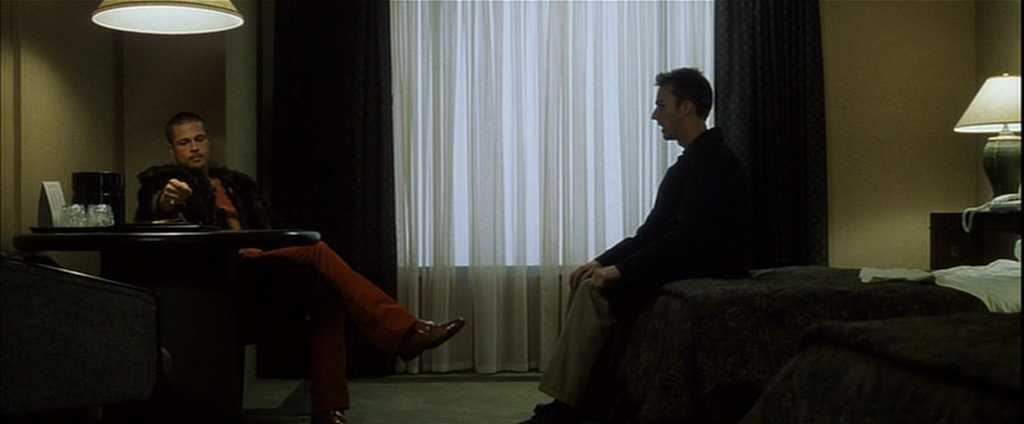
The unnamed narrator creates Tyler Durden as a way to escape his empty, controlled life. Tyler is confident, violent, and unrestrained, i.e., he ignores rules, embraces chaos, and lives without guilt. The plot twist reveals they are the same person, showing how the narrator’s mind breaks to deal with dissatisfaction.
Dr. Jekyll and Mr. Hyde (1931, Paramount)
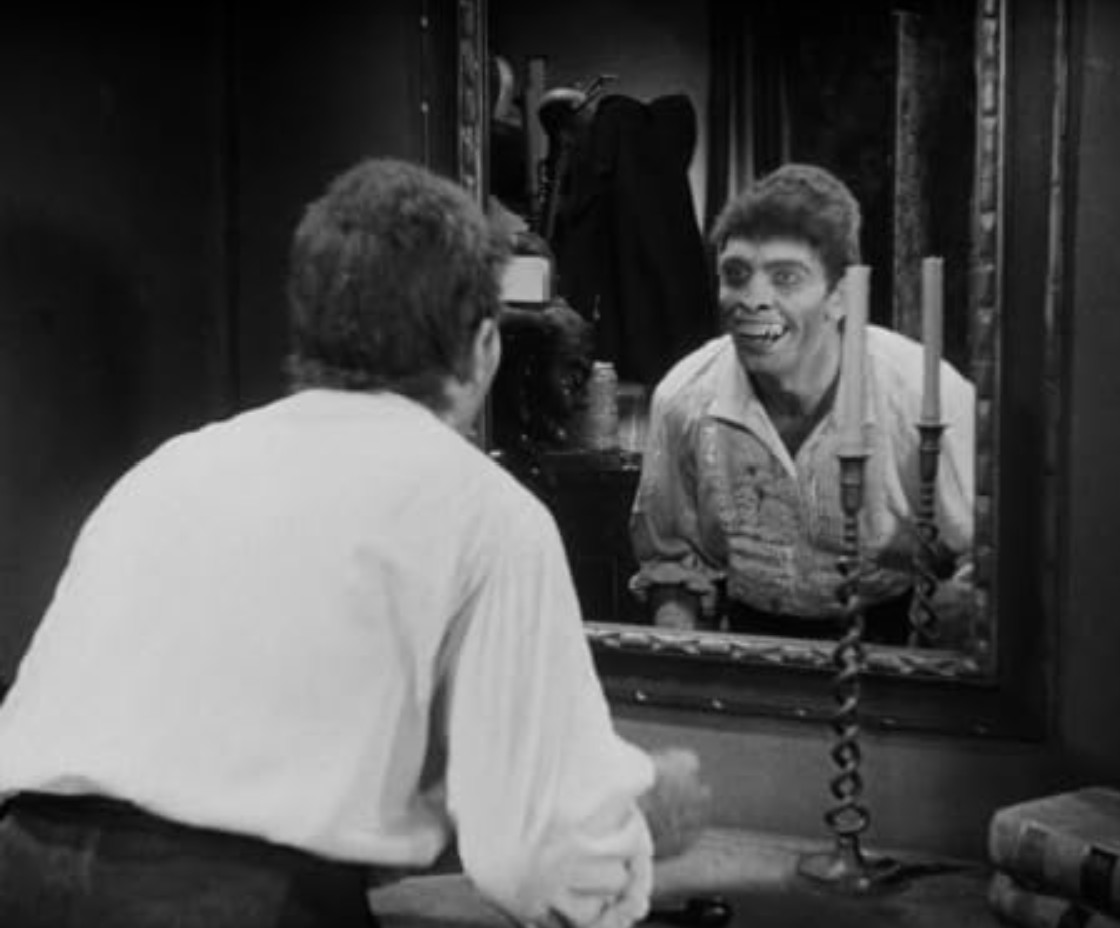
Dr. Jekyll creates Mr. Hyde through a potion that releases his darker side. Both share one body but express opposite impulses. The story shows how suppressing desire can lead to destruction when that hidden self gains control.
The Dark Knight (2008, Warner Bros.)

Bruce Wayne’s alter ego, Batman, lets him act outside the law to fight crime. His double life creates tension; he wants normality, but Gotham needs Batman. The film explores what happens when those two sides collide.
Alter Egos Beyond Film
The idea of an alter ego appears in many fields. In psychology, it describes how people adopt different personas to cope with pressure, escape emotional pain, or express traits they feel unable to show in daily life, like aggression, confidence, or rebellion.
In literature, an author might use a fictional character as a stand-in for their own thoughts or experiences. Musicians and performers often create alter egos to separate their public image from their private life. Even in business and law, “alter ego” refers to a person or company that acts as the other’s extension.
Summing Up
An alter ego reveals what a person hides from the world or from themselves. It can show how a character hides their true self, struggles with competing desires, or transforms into something new. In film, it turns invisible thoughts into something visual and concrete, letting you explore how identity, secrecy, and self-perception shape human behavior.
Read Next: Want to write characters that feel real on the page?
Start with our Free Screenwriting Course — a complete foundation in structure, dialogue, and building compelling characters.
Then browse all character development articles — from internal conflict and arcs to ensemble design and protagonist logic.
Or return to the Screenwriting section for formatting, story structure, and writing tools.
