

Published: November 13, 2025 | Last Updated: November 26, 2025

What is Atmosphere in film? Definition & Meaning
Atmosphere in film is the overall feeling or environment created by visual and audio elements like lighting, sound, color, and setting. It shapes how you experience a scene and guides your emotional response before the plot becomes clear.
How Atmosphere Works in Film
Atmosphere is shaped by what you see and hear on screen. You build it using cinematography, sound, production design, color, editing, and camera movement. These elements combine to create how the scene feels: calm, tense, sad, or surreal.
Lighting Builds Mood and Texture
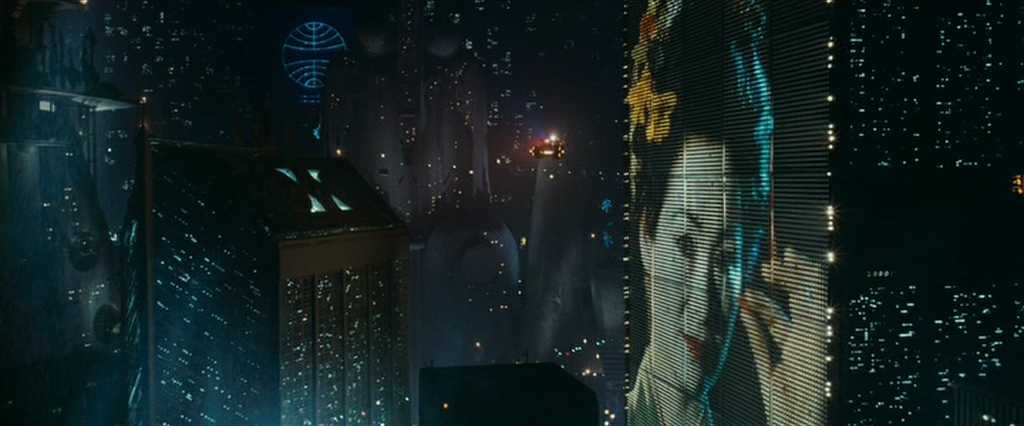
Lighting controls how you read the space. Harsh light creates tension. Soft light creates calm or warmth. Direction, contrast, and shadows all shape the emotional feel of a space.
A classic example is Blade Runner (1982, Warner Bros.). The deep shadows, neon signs, and drifting smoke create a dense, heavy atmosphere that defines its cyberpunk world.
Sound Creates Space and Emotion
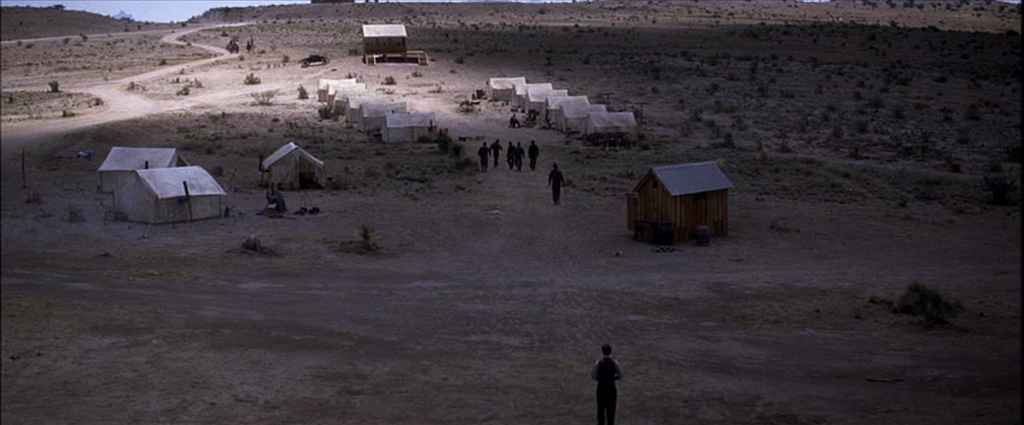
Sound fills the world of the film. Background noise, silence, score, and sharp effects all help build atmosphere. Even the lack of sound creates meaning.
In There Will Be Blood (2007, Paramount Vantage), the empty desert soundscape builds an atmosphere of tension and isolation. Sparse music and mechanical sounds match the central character’s obsession and distance from others.
Production Design and Space Shape the World
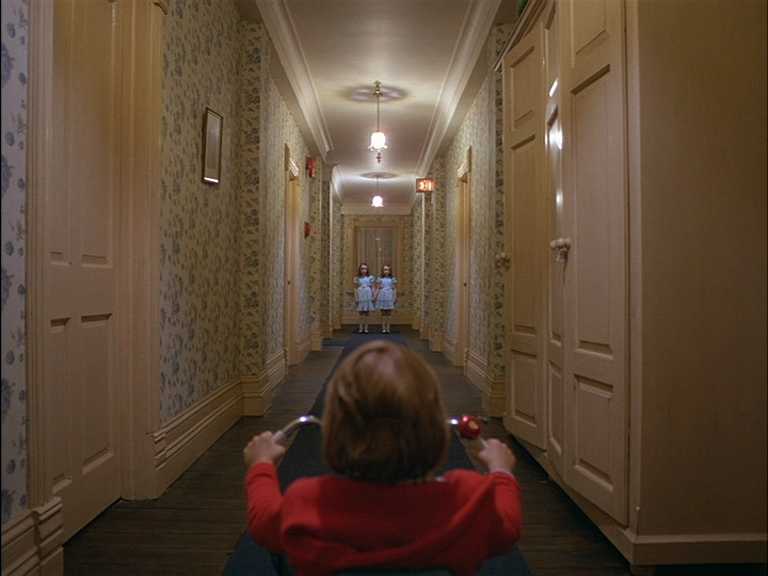
Production design includes props, layout, architecture, and surface textures. A cluttered room feels chaotic. A wide hallway feels cold. The way space is designed (and how characters move through it) can make a scene feel tense, claustrophobic, or exposed.
The Shining (1980, Warner Bros.) uses long hallways, bold patterns, and empty interiors to create an atmosphere of dread. You feel isolated and uneasy long before anything supernatural happens.
Color Guides Emotional Response
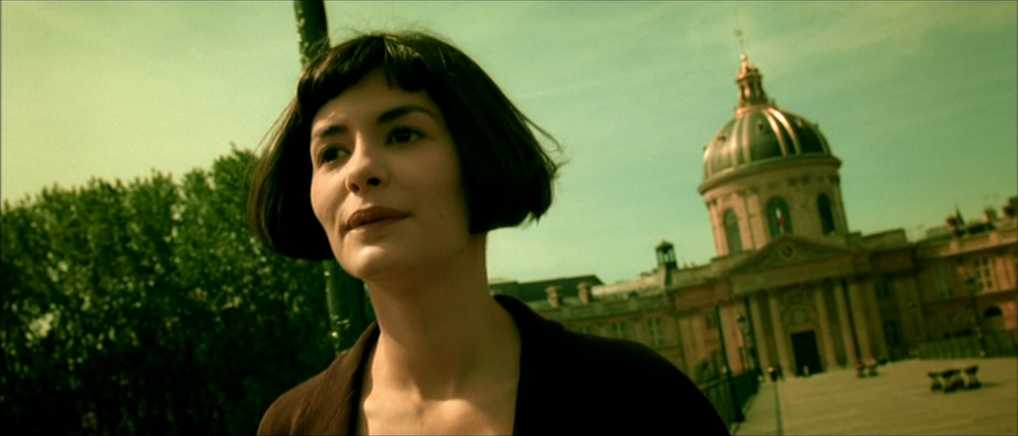
Color schemes affect how scenes feel. Cool tones suggest distance or unease. Warm tones suggest comfort or intensity, depending on context. Color saturation and contrast make a space feel bold, dreamy, washed-out, or heavy.
In Amélie (2001, UGC Fox Distribution), bright reds and greens shape a playful, dreamlike atmosphere. They reflect the main character’s quirky view of the world.
Camera Movement and Framing Build Pressure
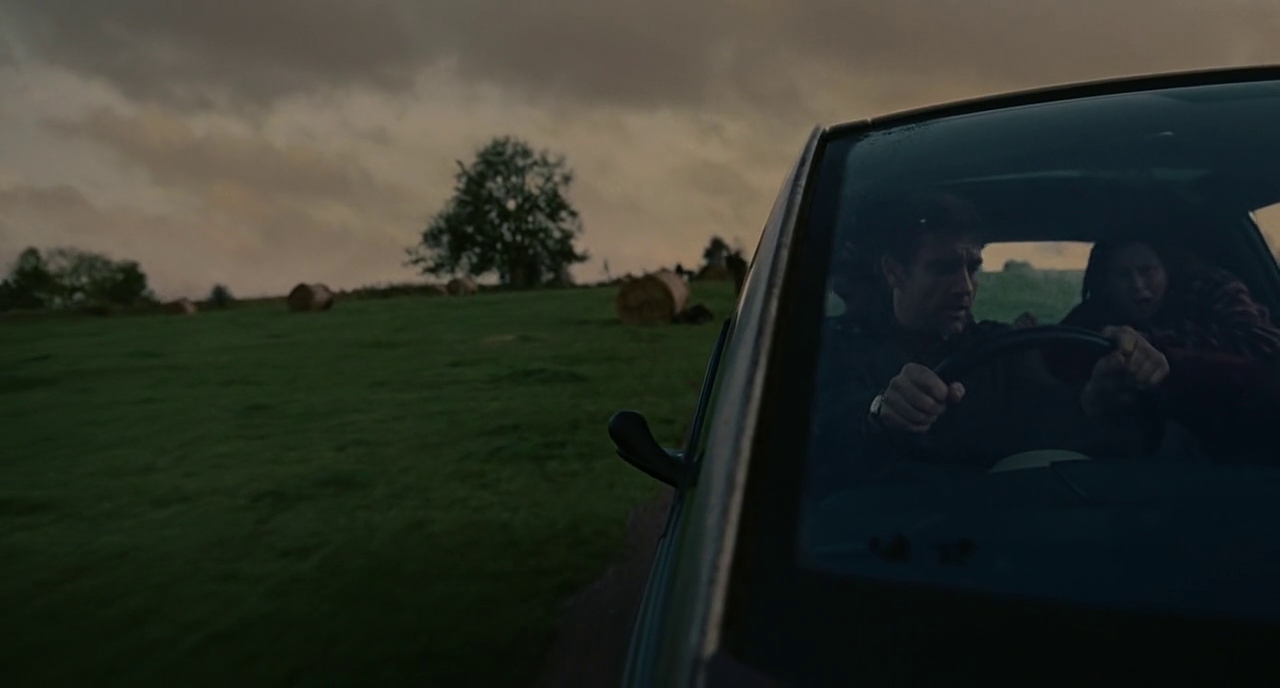
The way the camera moves shapes how a scene feels. Long, slow shots stretch time and build suspense. Sudden handheld shots add chaos. Framing can isolate characters by boxing them in with doorways, windows, or tight compositions.
Children of Men (2006, Universal) uses long handheld shots to create an atmosphere of danger and urgency. The unbroken camera motion keeps you inside the action, without relief.
How Atmosphere Differs from Tone, Mood, and Style
Atmosphere is easy to confuse with tone, mood, and style. Each plays a different role in how a film makes you feel and what it focuses your attention on.
Atmosphere vs. Tone
Atmosphere is the physical and emotional environment of a scene, while tone is the attitude the film takes toward the subject. You shape atmosphere with lighting and sound. You shape tone with pacing, performance, and framing.
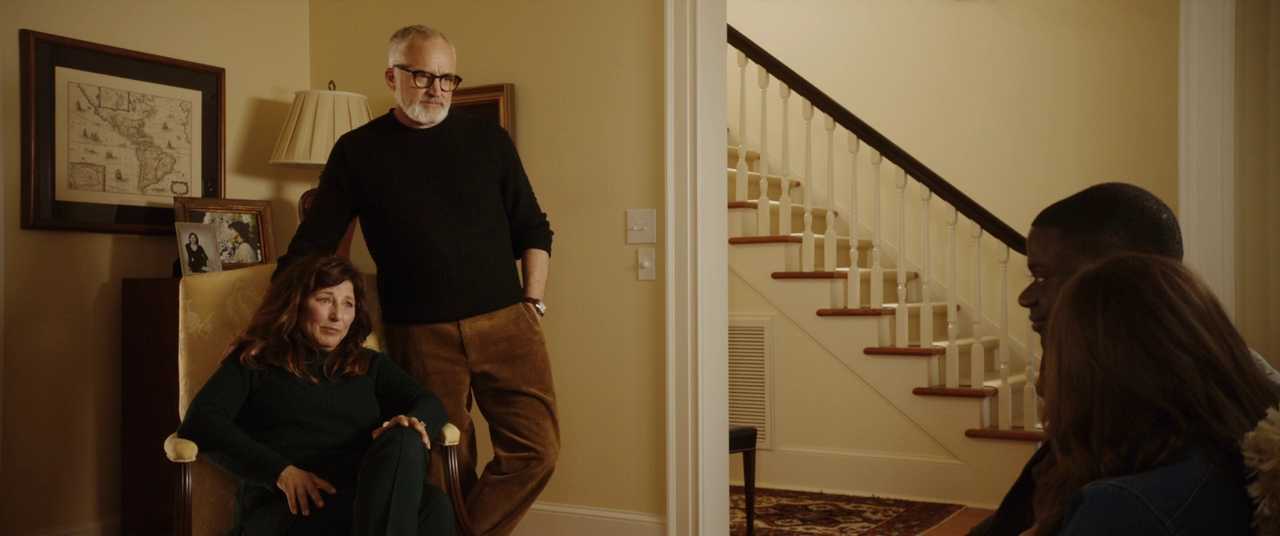
For example, Get Out (2017, Universal) uses a calm suburban atmosphere, but the tone feels suspicious and uneasy. Character behavior and camera placement build that tension.
Atmosphere vs. Mood
Mood is the emotional effect a scene has on you. Atmosphere creates the setup that leads to that effect.
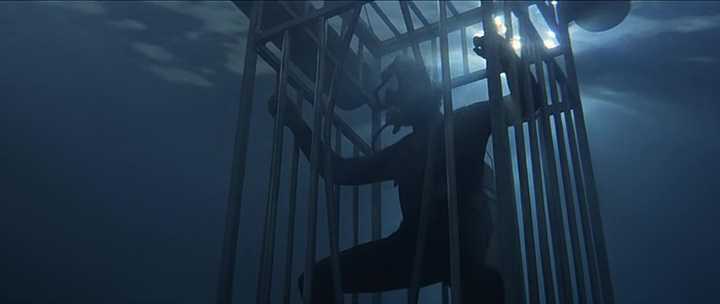
In Jaws (1975, Universal), underwater shots and music create a tense atmosphere. The mood becomes fear. If the lighting and sound changed, the mood would shift, even with the same action.
Atmosphere vs. Style
Style is the filmmaker’s method across the film. Atmosphere changes moment by moment within that style. You maintain your visual style across projects, but shift atmosphere to match whether a scene is meant to feel tense, safe, or mysterious.
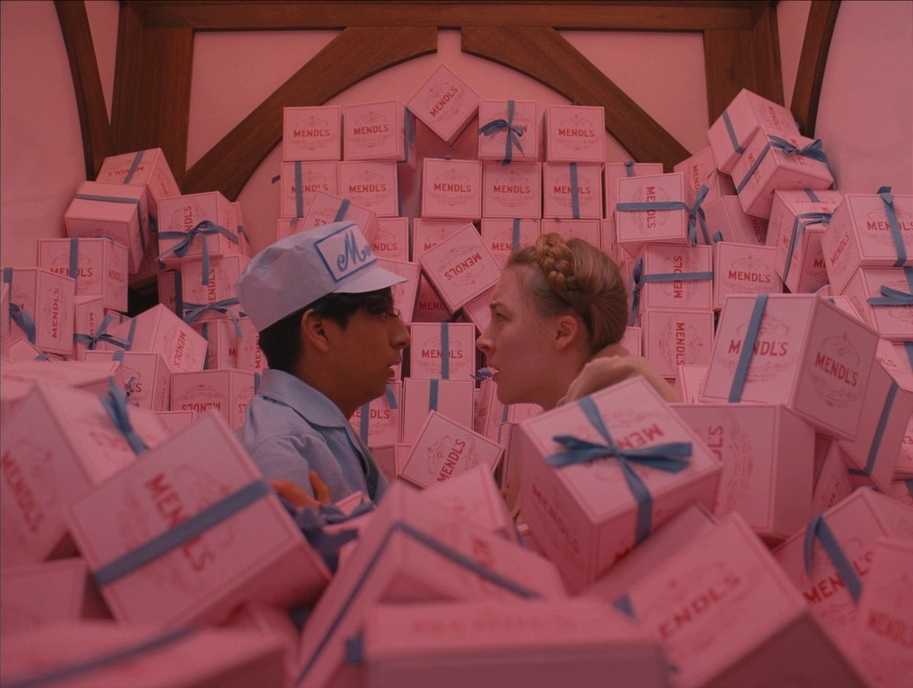
Wes Anderson’s use of symmetry and color is his style. But the atmosphere in Moonrise Kingdom (2012, Focus Features) feels calm and nostalgic, while The Grand Budapest Hotel (2014, Fox Searchlight) mixes that same nostalgia with faster pacing and a sense of urgency.
Summing Up
Atmosphere in film is the emotional environment created through lighting, sound, design, color, space, and camera choices. It sets the scene before anything is said and shapes how we feel in each moment.
Strong atmosphere makes a film feel grounded and alive. It supports tone, deepens mood, and builds tension through sound, lighting, and space, even when no one is speaking. You shape atmosphere scene by scene, and when it works, we feel it instantly.
Read Next: Curious how film theory shapes the way we watch movies?
Start with the Film Theory section to break down realism, formalism, structuralism, and more — with examples from iconic films.
If you want studying film theory I recommend starting with The FilmDaft overview of film theory discourses to break down realism, formalism, structuralism, and more — with examples from iconic films.
Then explore the full Film History, Theory & Genre collection to see how movements, styles, and storytelling traditions have evolved.
Whether you’re into Soviet montage or 2000s genre mashups, there’s something here to sharpen your understanding.
