
Published: June 11, 2024 | Last Updated: December 28, 2025

What is a superhero? Definition & Meaning
A superhero is a character archetype with extraordinary or superhuman abilities (or extraordinary resources), guided by a personal moral code and expressed through an iconic identity such as a costume, symbol, or alter ego. The concept evolved through various media, including comic books, television shows, and films. Superheroes are typically courageous, have moral integrity, and a sense of justice. They are often driven by a personal code or a defining backstory.
Superheroes dominate modern cinema, but the term is often used loosely. A superhero is not simply a good person who fights villains. The superhero genre is usually about power and responsibility, and about how extraordinary ability reshapes identity, relationships, and moral choices.
This guide expands on a simple definition by offering a practical checklist, historical context, genre comparisons, and writing insights. The goal is to clarify what makes a superhero distinct while showing how flexible and evolving the archetype can be.
Quick checklist: Is this character a superhero?
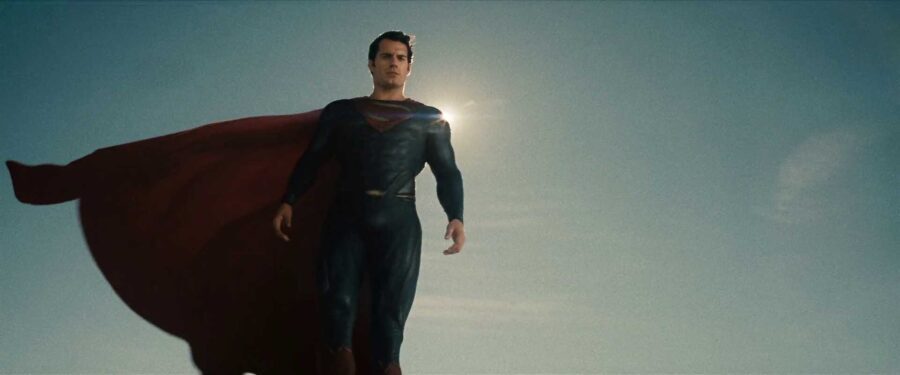
Many characters sit near the border of the superhero genre, which can make classification confusing. A short checklist can help you decide whether a character truly belongs in superhero territory or fits better elsewhere.
- Exceptional capability through superhuman powers or resources that function like powers.
- Public-facing heroic action that goes beyond normal duty or self-interest.
- A personal moral code that guides decisions under pressure.
- An iconic identity such as a costume, symbol, or mythic persona.
- A divided life separating the heroic role from a private self.
- A defining origin or calling that explains why the character takes on this role.
When most of these elements are present, the story is usually concerned with how power changes a person and what that person chooses to do with it.
What makes a superhero “super” beyond a regular hero?
All heroes show courage and self-sacrifice, but superheroes operate on a different scale. Their abilities, identities, and symbolic roles push them closer to modern mythology than everyday realism.
Extraordinary ability or extraordinary resources
Many superheroes possess powers that clearly exceed human limits, such as flight, enhanced strength, or magic. Others rely on intelligence, wealth, or technology that elevates them to a similar level of influence.
When a character has extraordinary powers, it makes the action more exciting, but it also raises the stakes. If they fail, the damage is bigger, and more people can get hurt.
Alter ego and identity pressure
The alter ego plays a central role in superhero narratives. It creates tension between public responsibility and private desire, and it often forces the character to live a double life that cannot remain perfectly balanced.
Some films lean into this for humor by showing how the “civilian” persona becomes a performance. In Superman in the 1970s and 1980s, Clark Kent was portrayed as a stereotypical weak and clumsy human to stress how Earthlings must have looked to Superman. Look at how he’s doing in this aerobics class from Superman IV (1987):
A moral code under pressure
What ultimately defines a superhero is not power but restraint. Superhero stories place characters in situations where no choice is clean, and where moral compromise carries lasting consequences.
These ethical dilemmas often express the theme of the story, revealing what the hero values most and what they are willing to sacrifice.
Iconography and visual identity
Costumes and symbols are not decoration. They communicate meaning quickly and shape how the hero is perceived by the public within the story and by the audience.
Design choices signal fear, hope, anonymity, or authority. They also help transform the character into a symbol that feels larger than the individual behind the mask.
Costume design can also be used to show how a superhero identity is built in a practical, story-world way. Incredibles 2 gives a fun example with Jack-Jack getting a suit designed around his unpredictable powers:
Where superhero stories come from
The superhero did not appear fully formed. The archetype grew out of myths, pulp fiction, masked vigilantes, and adventure stories, gradually combining into a recognizable genre.
Because of this long evolution, identifying a single “first superhero” is difficult and often misleading.
- Superman in Action Comics #1 (1938) is widely recognized as the starting point of the superhero comic boom.
- The Phantom (1936) helped establish key visual and narrative elements that later superheroes adopted.
Superhero vs. action hero vs. vigilante
Genre boundaries blur easily, especially in modern cinema. Several familiar character types share traits with superheroes while serving different narrative purposes.
- Action heroes rely on skill and endurance in relatively grounded worlds.
- Vigilantes operate outside the law and may or may not adopt mythic symbolism.
- Chosen ones are defined by destiny or prophecy rather than personal moral choice.
- Antiheroes perform heroic acts without a traditional heroic value system.
Identifying the dominant archetype helps writers clarify audience expectations and thematic focus.
The superhero story and the Hero’s Journey
Many superhero narratives follow the Hero’s Journey because both are rooted in mythic storytelling. Transformation, trials, and return remain powerful tools for exploring identity and responsibility.
Structure should serve character, not replace it. The most effective superhero stories focus on internal change rather than strict adherence to formula.
Three films that reshaped superhero cinema
Certain films stand out not only for popularity but for redefining what superhero stories could explore in tone, theme, and style.
Superman (1978)
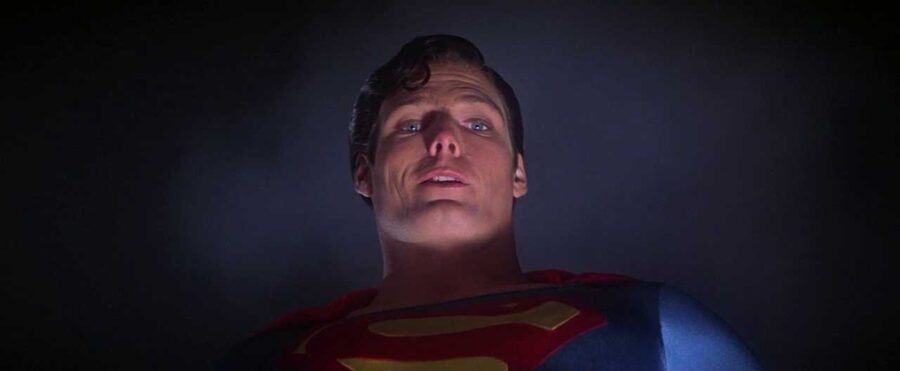
Image Credit: Warner Bros. Pictures; DC Comics
This film helped establish sincerity and mythic optimism as viable foundations for superhero cinema.
The Dark Knight (2008)
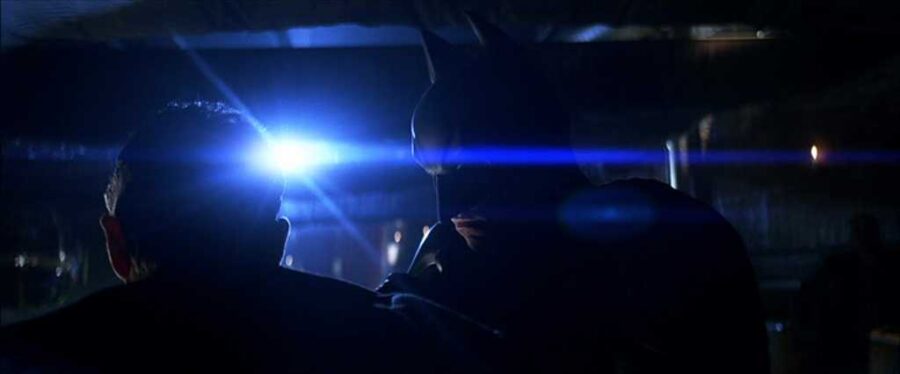
This film reframed the superhero as a moral problem shaped by chaos, fear, and consequence.
Wonder Woman (2017)
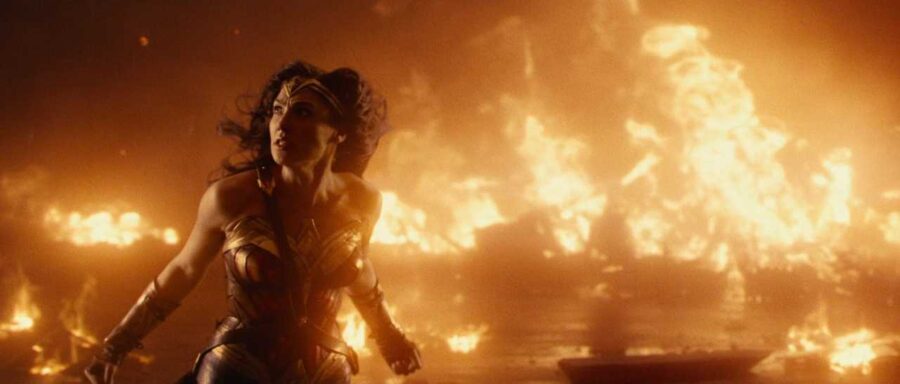
Image Source: Warner Bros. Pictures; DC Entertainment
This story emphasized compassion, myth, and leadership while expanding representation within the genre.
Writing a superhero that feels original
Originality rarely comes from inventing stranger powers. It comes from asking better questions about values, cost, and consequence.
- Clarify the character’s moral belief and where it comes from.
- Attach a meaningful cost to using power.
- Create antagonists who challenge the theme and the hero’s worldview.
- Design the identity as a symbol with purpose.
- Track internal change across the story.
Summing Up
When all the examples and variations are set aside, a superhero is best understood as a character shaped by power and responsibility. The abilities themselves matter less than the choices they force the character to make.
Superheroes stand out because their actions carry symbolic weight. Their costumes turn them into public figures. Their moral codes are tested in situations where ordinary rules break down. Their stories ask what happens when someone has the ability to act, but no option that feels fully right.
This is why superheroes continue to adapt to new eras. In different decades, they have represented hope, fear, control, rebellion, and self-doubt. The genre changes because the questions behind it stay relevant.
For writers and filmmakers, the key lesson is simple. A strong superhero is not built by adding more powers. A strong superhero is built by giving those powers meaning, cost, and consequence. When the character’s identity, choices, and values align, the superhero stops being a costume and becomes a story worth telling.
FAQ
These questions come up often when people try to sort out genre boundaries and exceptions.
Is Batman a superhero?
Batman is usually classified as a superhero because his resources, iconography, and narrative function align with superhero conventions.
Do superheroes have to be good?
They do not need to be morally pure, but their stories usually focus on ethical consequences and responsibility.
Do all superhero stories follow the Hero’s Journey?
No. Many use it loosely, and some deliberately reject it. Structure should support meaning rather than dictate it.
Read Next: Want to write characters that feel real on the page?
Start with our Free Screenwriting Course — a complete foundation in structure, dialogue, and building compelling characters.
Then browse all character development articles — from internal conflict and arcs to ensemble design and protagonist logic.
Or return to the Screenwriting section for formatting, story structure, and writing tools.
