

Published: December 5, 2025 | Last Updated: July 3, 2026

What is a working title? Definition & Meaning
A working title is a temporary name given to a film or TV project during development and production before the final title is chosen or revealed. It keeps your paperwork, schedules, and scripts consistent, and in some cases helps keep high‑profile projects secret from fans or the press during filming.
Why and Where Working Titles Are Used
Working titles act as internal labels that keep departments aligned while a final title is still undecided. They also let you protect the project when you want to avoid script leaks, spoiler photos, or crowds showing up on public sets.
You’ll see the working title listed in many key documents during active production:
- Slates used to sync footage in post‑production
- Call sheets, crew schedules, and script cover pages
- Contracts and deal memos with cast and crew
- SAG‑AFTRA, DGA, WGA, and insurance paperwork
- Location permits filed with film commissions or city offices
Using the same name across all documents prevents mix-ups in databases, payroll, and footage labeling.
Examples of Working Titles That Changed

Many films started with working titles that were later changed to better match the story, respond to test audiences, or avoid legal conflicts with other titles. These examples are drawn from widely documented production notes, industry interviews, and official shooting aliases.
- Return of the Jedi (1983, Lucasfilm) used “Blue Harvest” on production crates and location permits to avoid attention from fans and the press.
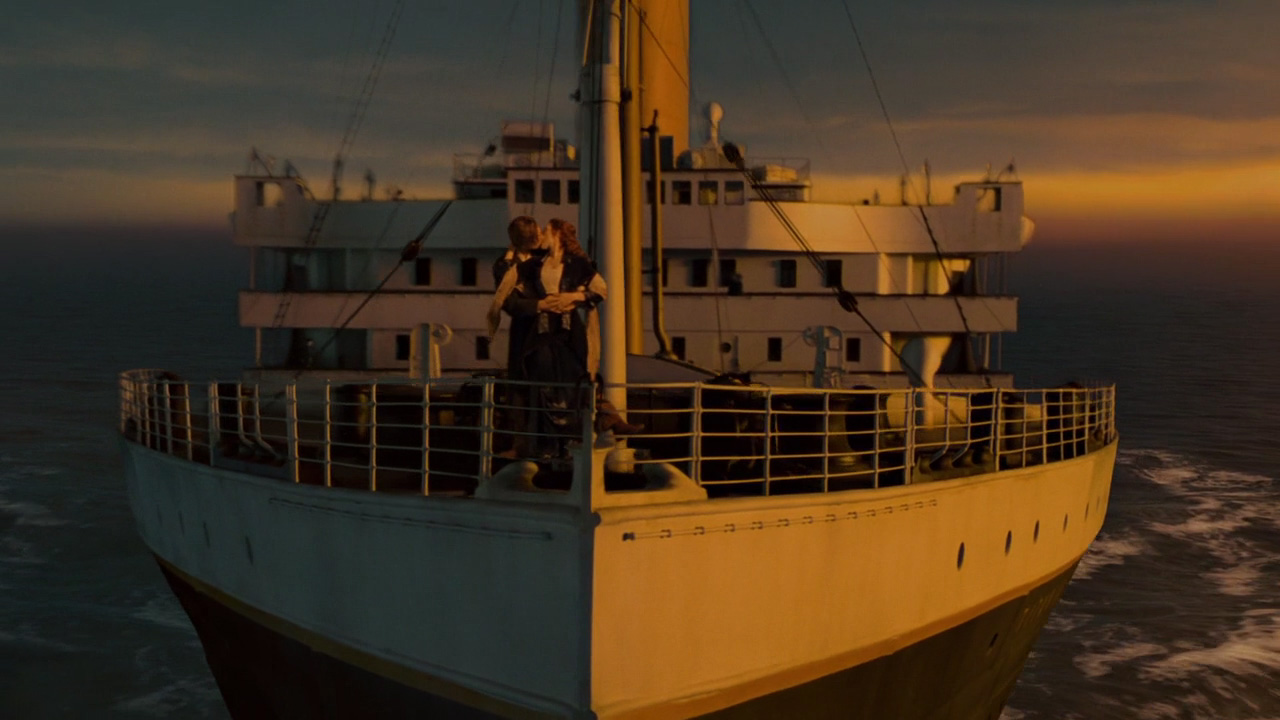
- Titanic (1997, Paramount/20th Century Fox) used “Planet Ice” to disguise the scale of the production during early shooting.
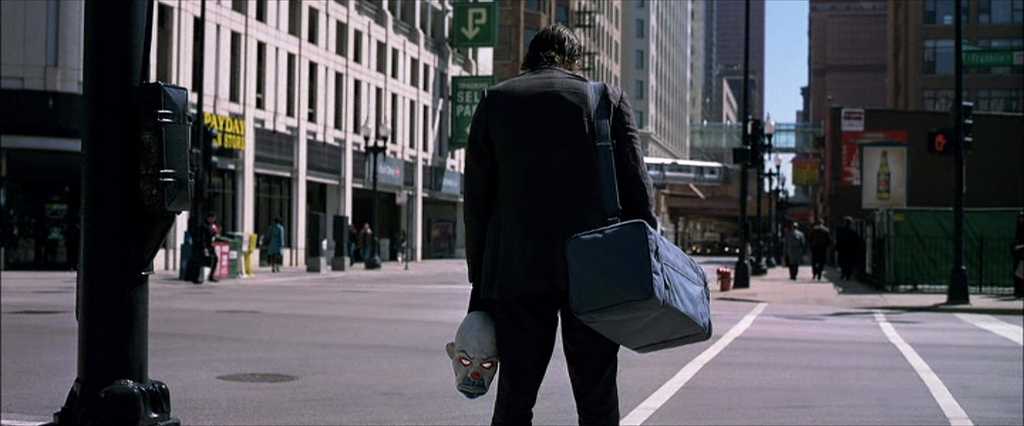
- The Dark Knight (2008, Warner Bros.) used “Rory’s First Kiss” to hide the project name on call sheets and locations.
- The Avengers (2012, Marvel) was filmed under the name “Group Hug” to keep it secret during production.
- Alien (1979, Fox) was developed under the name “Star Beast” before the final title was chosen.
- Field of Dreams (1989, Universal) began with the working title “Shoeless Joe”, taken from the novel it was based on.
- Back to the Future Part II (1989, Universal) was developed under the title “Paradox” before final branding.
- 2001: A Space Odyssey (1968, MGM) used “How the Solar System Was Won” in early drafts and concept stages.
- Jurassic World (2015, Universal) operated under the codename “Ebb Tide” to avoid media coverage during development.
- Batman Begins (2005, Warner Bros.) was filmed under the name “The Intimidation Game” to reduce public attention.
Some working titles lasted through development only, while others were used all the way through shooting. A few even appeared on slates, costumes, and studio signage to hide the project’s real identity.
Legal and Industry Uses

Working titles also show up in copyright filings, contract paperwork, and file naming systems used by studios and platforms. Early drafts, contracts, and union filings are often registered under the working title until the final name is approved.
- Copyright and trademark registration: Scripts or outlines may be registered under the working title. Read more on how to copyright your screenplay.
- Union and guild reports: SAG‑AFTRA, DGA, and WGA track productions based on their working titles.
- Insurance and bond forms: These list the working title to match coverage with the correct production.
- Studio platforms: Services like Netflix or Disney use the working title in file tracking systems before marketing names are set.
If the name changes later, legal teams must update paperwork or metadata, or the project may run into crediting errors or delivery delays.
When Working Titles Change
Working titles often change during post‑production. The director or studio may choose a new title that better fits the story, avoids legal conflicts, or connects more clearly with test audiences. If the working title doesn’t make sense in another language, the studio may rename the film before release.
Why Titles Change
Working titles don’t always match the final version of a film. As editing reshapes the story or as test audiences give feedback, studios may decide a different title is clearer, more marketable, or legally safer. The working title might feel too generic, too literal, or confusing in another language. That’s why many films go through one or more name changes before release.
- Story shift: The original name may no longer fit once editing reshapes the film.
- Marketing feedback: Research teams or distributors might request a stronger or clearer title.
- Legal conflict: Another project may already use a similar name.
- Translation concerns: Titles that do not work internationally often get replaced or simplified.
Some working titles stay through release if they reflect the film’s tone and pass legal checks without conflict.
Working Titles in Film, TV, and Streaming
TV and streaming shows also rely on working titles, especially during pilot season. Placeholder names like “Untitled Drama Project” or creator‑based titles such as “Jones Project” appear on call sheets, schedules, and scripts to help crew and producers track the project before a final title is approved.
Streaming platforms tag footage, delivery packages, and subtitled versions under the working title first. Once a show is confirmed for release, marketing teams may rename it to suit platform branding or viewer expectations.
Working titles let studios and international partners coordinate script versions, delivery schedules, and production files before the real title is made public.
Working Titles vs Other Types of Titles

A working title is only one of the names a project may carry from development to release. Here’s how it compares to other types of titles you will come across:
- Working title: Used internally during development and shooting.
- Final title: Chosen for release, used in credits and marketing.
- Alternate or foreign titles: Adjusted versions used in other regions or home releases.
A working title isn’t made for public promotion. It’s used behind the scenes to help you coordinate departments and manage production before the official title is ready.
Alternate Titles in Development
Not all proposed titles come from marketing or translation. Sometimes, alternate titles are suggested internally during development, even after the working title is in use. These aren’t always code names. They’re serious candidates for the film’s final name, but they get rejected before release.
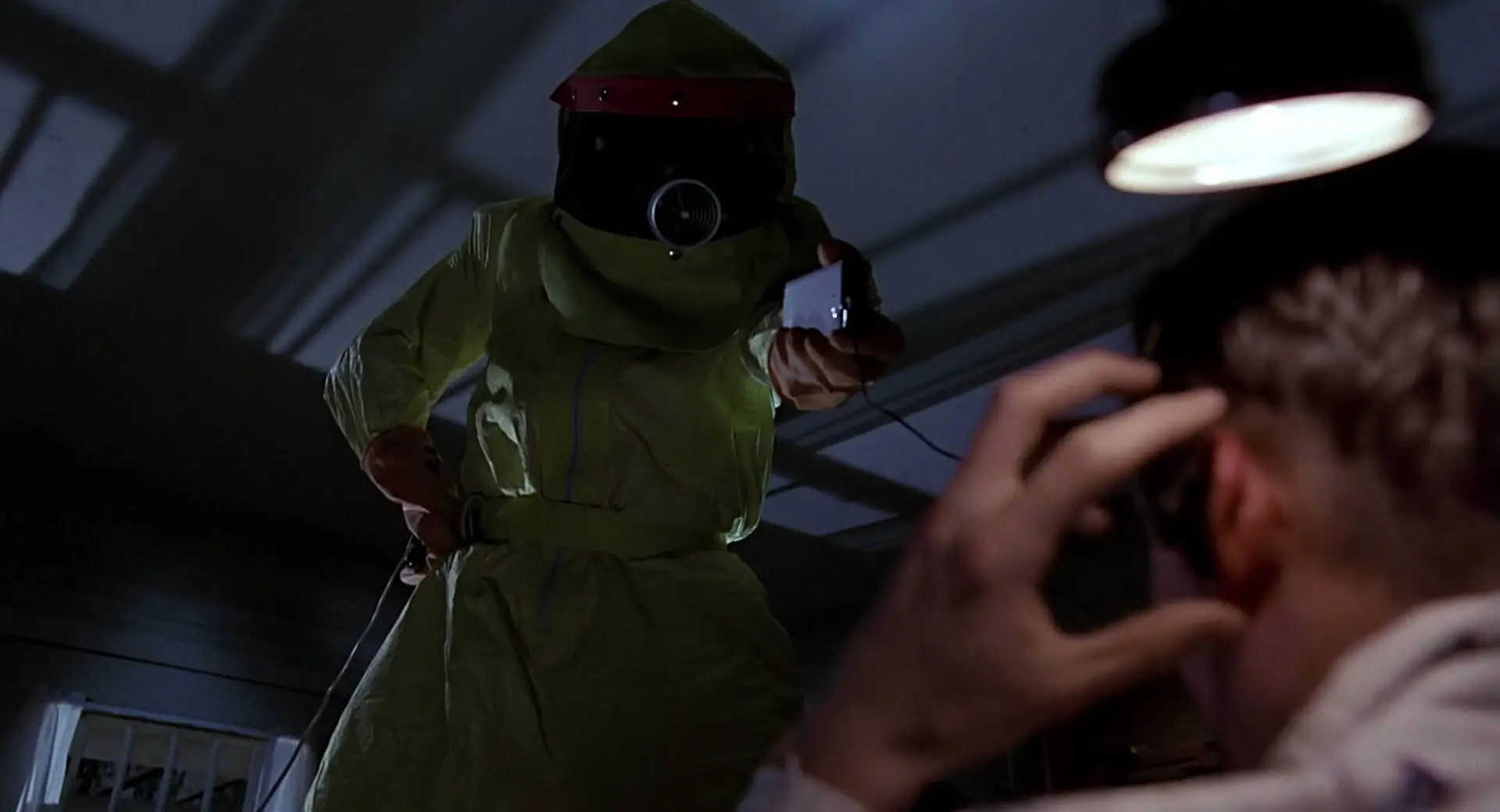
A well-known example is Back to the Future (1985). During production, a Universal executive (Sid Sheinberg) famously argued that the title wasn’t marketable and pushed for it to be changed to “Spaceman from Pluto.” The creative team, including Steven Spielberg and Robert Zemeckis, rejected the idea. Spielberg reportedly responded with a memo thanking Sheinberg for the “joke,” diffusing the pressure without direct conflict. The original title stayed.
These kinds of alternate titles are part of studio politics and creative negotiations. They don’t usually appear on call sheets or permits like working titles do, but they’re a real part of the naming process, especially on studio-backed films.
Summing Up
A working title is a temporary name used on slates, contracts, schedules, and files to keep your project on track and confidential during production. Whether it stays or changes, the working title helps you manage communication and track your project through development and production.
Working Title FAQ
What is a working title?
A temporary name for a film used during production, before the final title is chosen — or deliberately used to disguise a high-profile project.
Why do films use fake working titles?
To keep a big production secret. Fake titles prevent press and fan attention, deter theft of props and script pages, and stop suppliers from price-gouging a known blockbuster.
What are examples of famous working titles?
Return of the Jedi was shot as “Blue Harvest,” the Dark Knight trilogy used “Rory’s First Kiss” and “Magnus Rex,” and Harry Potter and the Chamber of Secrets used “Incident on 57th Street.”
What is the difference between a working title and the final title?
The working title is a placeholder used internally during development and shooting, while the final (release) title is the official name the film is marketed and released under.
Do working titles always change?
Not always — sometimes a working title sticks and becomes the final one. But for secrecy or marketing reasons, most big productions switch to a different release title.
Read Next: Want to keep your production on schedule and under control?
Browse all project planning articles — from production calendars and call sheets to budgeting, scheduling, and prep workflows.
Or return to the Pre-Production section for casting, crew, location scouting, and more.
