

Published: December 17, 2025

What is Technicolor? Definition & Meaning
Technicolor is a family of motion-picture color processes, best known for three-strip camera photography and dye-transfer (imbibition) printing that produced repeatable, saturated color release prints.
The word Technicolor can mean different things in different contexts. That is why it shows up in discussions of the Golden Age of Hollywood and also in lab credits on later films. If you want a quick foundation for how color choices work in general, start with color theory, then jump to color palettes and color schemes.
What the Technicolor name means in real credits
The opening titles can tell you whether Technicolor is describing the camera, the printing, or the lab. A film can be shot on one system, then processed or printed by Technicolor.
| Phrase | What it usually means |
|---|---|
| Technicolor as a process | The classic workflow uses three-strip capture plus dye-transfer release prints. |
| Technicolor as a company | The Technicolor company can handle processing, color timing, and printing, even when the film was shot on a different camera negative. |
| Filmed in Technicolor | This often points to three-strip photography, but it is still worth verifying with a technical source. |
| Color by Technicolor | This often means Technicolor handled lab work and printing. It does not automatically mean three-strip capture. |
| Print by Technicolor | This usually points to Technicolor release printing, not the camera system. |
A good example is Rear Window (1954, Paramount), which was shot on Eastman Color negative, but is still credited with Technicolor involvement (including a Technicolor colour consultant and a ‘Color by Technicolor’ logo/credit), since lab and printing work is separate from the camera negative.

If you want a wider context for where Technicolor sits in camera history, see A Brief History of Cinematography.
How three-strip Technicolor captured color on set
Three-strip Technicolor does not record one color image on one strip. It records three separate black-and-white images that each hold part of the color information.
The beam-splitting prism and the three records
The three-strip camera uses a beam-splitting prism to divide light inside the camera body. Each path exposes its own film record, then the lab recombines those records later.
- One strip records the green record on black-and-white film.
- Two strips sit together as a bipack pair. A bipack is two film strips stacked and exposed at the same time.
- That bipack pair creates the red record and the blue record.
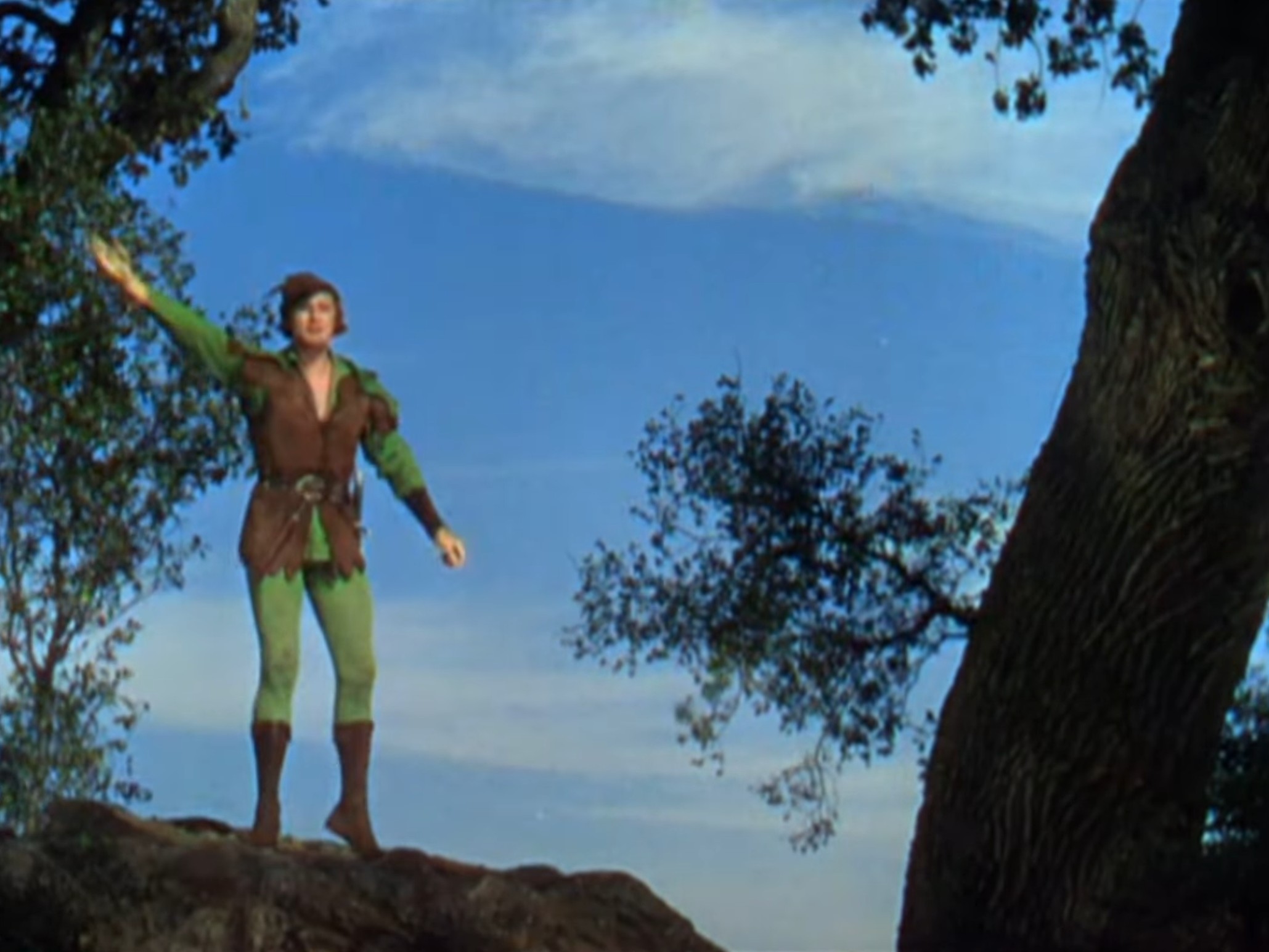
This separation helps keep colors distinct in complex frames. A good example is The Adventures of Robin Hood (1938, Warner Bros. Pictures). Costume colors can stay readable against forests, wood textures, and crowds in wide shots.
Why three-strip needed more light and heavier gear
Three-strip production often needed higher light levels for two reasons. The prism system reduced the light that reached each strip. Early film stocks also had low sensitivity, which raised the lighting demands on set.
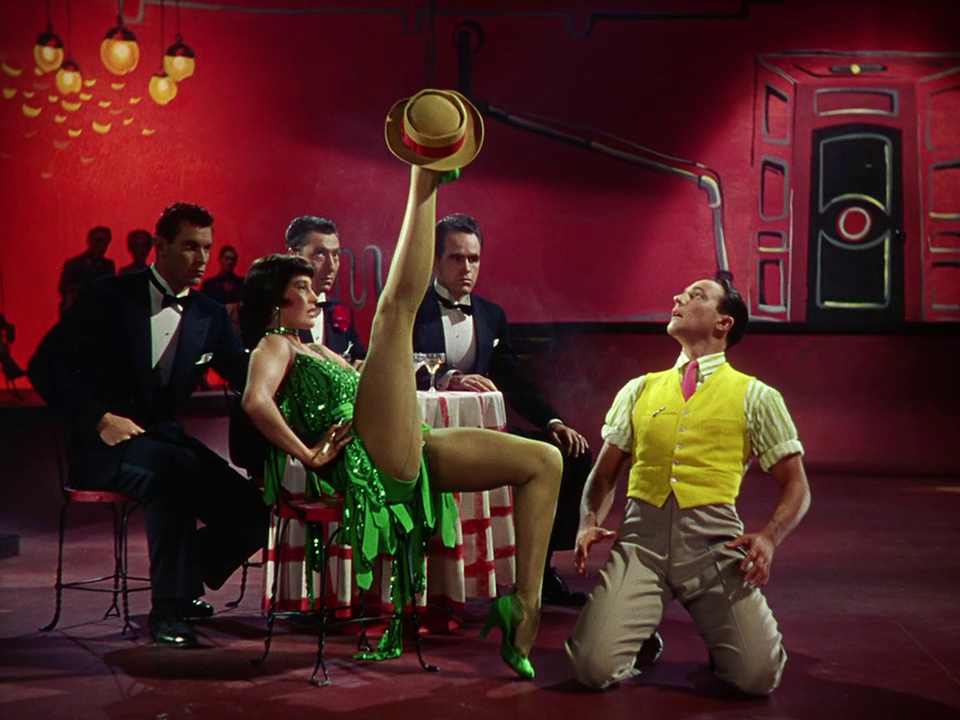
The camera body was large too, so some moves and locations were harder. Those limits pushed many productions toward brighter sets and steadier exposure. A good example is Singin’ in the Rain (1952, MGM), where faces stay evenly exposed while costumes and sets carry stronger color.
If you want practical lighting context for why exposure consistency matters, see Lighting in Film 101 and what a light meter is.
How dye-transfer printing made Technicolor release prints
The classic Technicolor look is strongly tied to dye-transfer printing, also called imbibition. This method builds color on the release print in separate dye layers.
Dye-transfer printing step by step
Imbibition describes how dye is absorbed into a gelatin layer on the receiving print stock. The steps are mechanical, which helps prints match from copy to copy.
- Each black-and-white color record becomes a matrix. A matrix is a gelatin image with raised and recessed areas.
- Each matrix is loaded with a dye layer, most often cyan, magenta, or yellow.
- The lab transfers each dye layer onto blank print stock in tight alignment, one pass per layer.
Why dye-transfer prints matched and lasted
Print consistency comes from repeatable materials and repeatable steps. The lab can use the same matrices and controlled dye densities to make many release prints that look closely matched.
Color stability is another reason Technicolor matters historically. Dye-transfer prints often resist fading better than many later chromogenic color prints, especially when stored cool and dry.
The K record and edge detail
Early dye-transfer printing could show slight color fringing on fine edges where high-contrast colors met. Technicolor sometimes added a black-and-white key record, also called the K record, to reduce that problem.
The K record adds a neutral black detail layer. That layer reinforces edges and hides small registration errors between color layers. Better registration control later reduced how often this extra record was needed.
How Technicolor changed over time
Technicolor did not start with three-strip, and it did not end the moment three-strip cameras stopped. The name spans multiple eras, so a simple map helps you keep the timeline straight.
Two-color Technicolor before three-strip
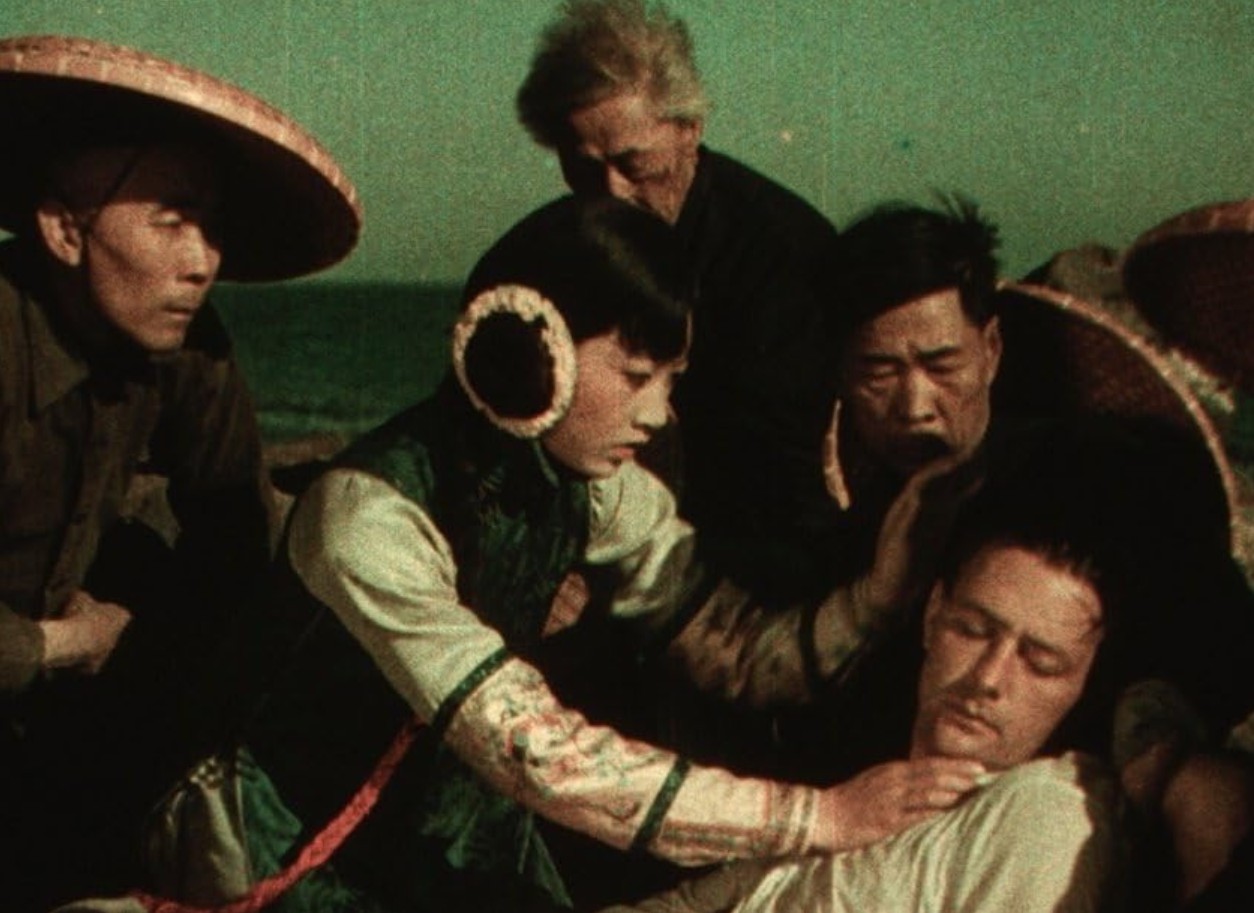
Early Technicolor systems were two-color. They mainly captured red and green information, so deep blues and some purples reproduced poorly. A film often mentioned in early Technicolor timelines is The Toll of the Sea (1922), which you can see placed in FilmDaft’s History of Film and Animation timeline.
Single-strip negatives and Technicolor IB printing
The major industry shift moved from three-strip cameras to single-strip color negatives that worked in standard cameras. Eastman Color (often called Eastmancolor) launched in 1950 and spread quickly because it simplified camera packages and reduced lighting demands.
Technicolor could still be part of the workflow after that shift. A lab could make black-and-white color separations from a single-strip negative, then create dye-transfer release prints from those separations. You will see this described as Technicolor IB printing. IB is short for imbibition.
A quick Technicolor timeline
This timeline focuses on changes that affect how films were shot and how they were printed.
- 1910s–1920s: Early Technicolor experiments develop into workable two-color systems.
- 1932: Three-strip Technicolor arrives. A landmark early three-strip release is Flowers and Trees (1932, Walt Disney Productions).
- 1935: Becky Sharp (1935, Pioneer Pictures) is often cited as the first feature shot entirely in three-strip Technicolor.
- 1950: Eastman Color launches and accelerates the move toward single-strip production.
- 1950s: Three-strip camera production winds down, while Technicolor can continue through IB printing and lab services.
- 1975: Dye-transfer printing ends in the United States after Technicolor’s Hollywood dye-transfer operations close.
Technicolor film examples you can study
These examples are grouped by what they help you learn. The goal is simple. You should know when you are studying three-strip capture, and when you are studying a Technicolor lab or print credit.
Core three-strip examples
These titles are useful if you want to study controlled palettes, clear color separation, and classic release prints.
- The Adventures of Robin Hood (1938, Warner Bros. Pictures)
- The Wizard of Oz (1939, MGM)
- Gone with the Wind (1939, Selznick International Pictures)
- Black Narcissus (1947, The Archers)
- The Red Shoes (1948, The Archers)
- Singin’ in the Rain (1952, MGM)
Other good examples include Becky Sharp (1935, Pioneer Pictures) and Flowers and Trees (1932, Walt Disney Productions). These are helpful when you want to see early three-strip color decisions in action.
Examples where the Technicolor name can mean lab or printing
These films help you explain why the Technicolor name keeps appearing during the single-strip era. A good pair is This Is Cinerama (1952, Cinerama Productions) and The Robe (1953, 20th Century-Fox). Both sit in the era where the Technicolor name can describe lab and print work more than three-strip capture.
What to watch for in the frame
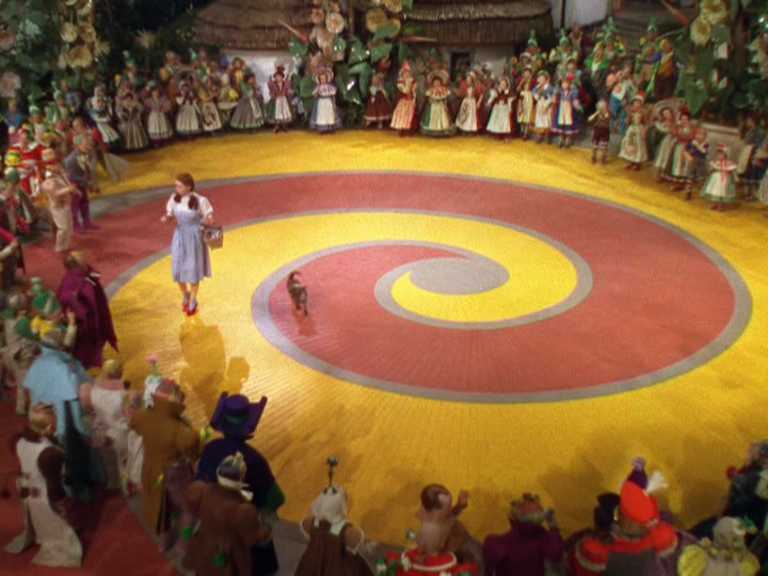
Subject separation is one of the easiest checks. In The Wizard of Oz (1939, MGM), characters and key props use distinct color blocks, so your eye finds them fast in wide shots. This connects to the basics of visual composition.
Palette planning is another strong check. In Black Narcissus (1947, The Archers), costume accents repeat across scenes, and set colors support those accents instead of competing with them. This is where production design and mise-en-scene do most of the work.
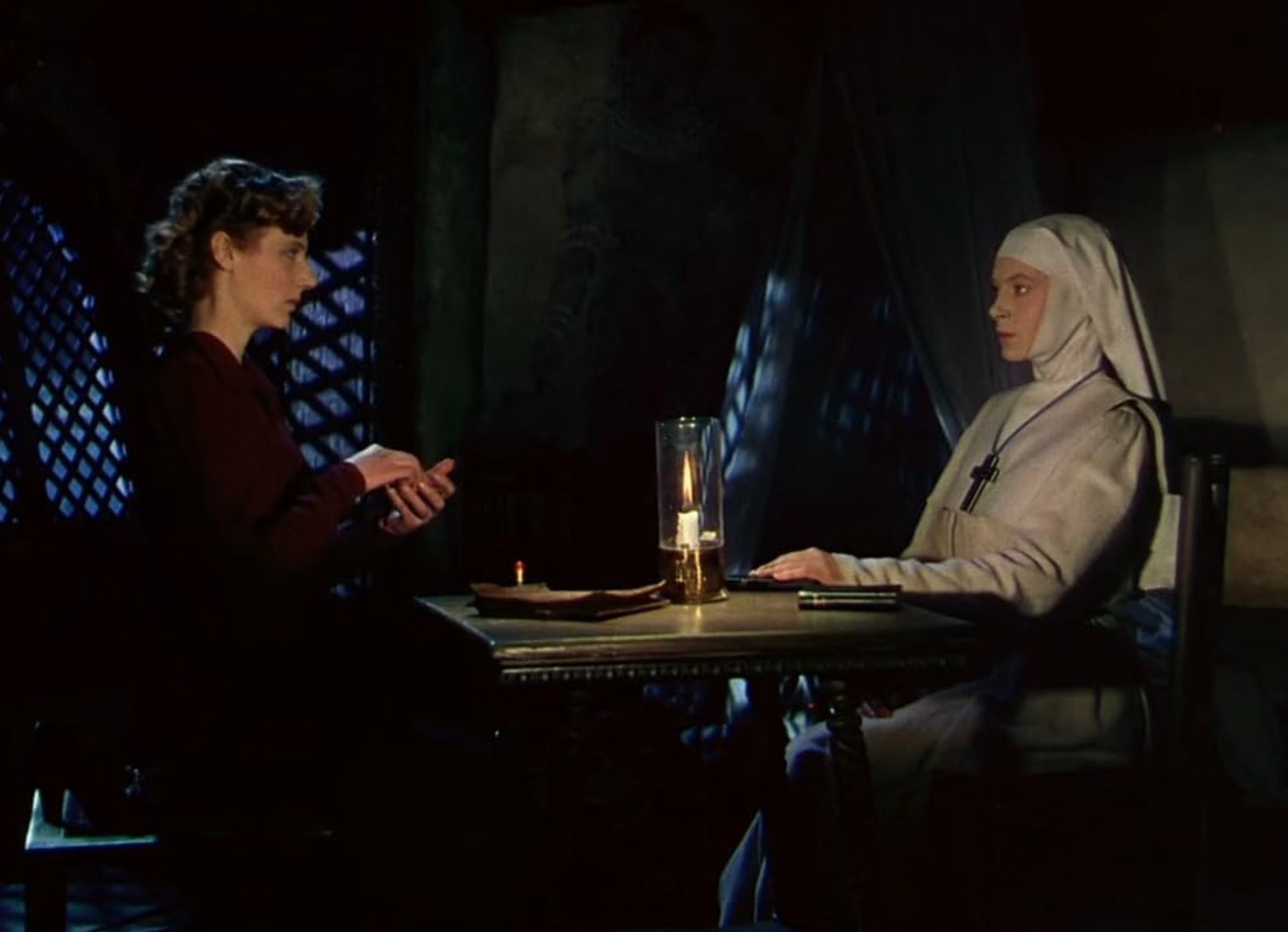
Skin tone consistency matters because strong costume color can push faces into strange tints when exposure and balance drift. If you want a modern, practical way to control that, start with white balance, then learn how color temperature affects the image.
How to borrow Technicolor logic on a digital project
You cannot recreate the chemical workflow with one camera setting. You can copy the planning method. Treat color as a system across wardrobe, sets, lighting, and the grade.
If you want deeper FilmDaft guides for this part of the workflow, see the color grading hub, the breakdown of color correction vs. color grading, and what a colorist does on a real project.
- Limit the palette. Plan your colors early with a color palette, then pick the relationship between those colors with a color scheme.
- Separate subject from background. Use contrast in hue and brightness so the subject stays readable. If you want a focused scheme, compare complementary color schemes, analogous schemes, and monochromatic schemes.
- Lock skin tone targets. Choose white balance on purpose, then keep exposure steady. A color checker tool can help you match shots later.
- Grade for consistency. Keep neutrals neutral, and keep your accent color stable across shots. Your starting point matters too, so it helps to understand camera color profiles, Log, LUT, and RAW.
If lighting is making your colors drift, check the quality of your sources. FilmDaft’s guide to CRI explains why some LEDs push skin tones toward green or make props shift hue.
Summing Up
Technicolor became famous because it solved two linked problems: color capture and repeatable color printing. Three-strip photography recorded separate black-and-white color records, and dye-transfer (imbibition) printing built release prints by transferring dye layers onto film in controlled passes. That workflow helps explain why many Technicolor prints matched closely across theaters and held color well over time. If you want a similar result today, start with planned palettes, clear subject separation, steady exposure, and a grade that respects those choices.
Read Next: Want a deeper look at global film history?
Start with our Film History, Theory & Genre hub to see how early studios, national movements, and major shifts shaped the language of cinema.
Then explore our full Film Movements & World Cinema section for guides on movements like German Expressionism, French New Wave, Italian Neorealism, and more.
You can also check out our Visual Art Timeline to see how global art movements shaped the look, tone, and rhythm of film across decades.
