

Published: August 22, 2025 | Last Updated: December 18, 2025

The history of cinematography is the story of how moving images became visual storytelling, shaped by light, lenses, and camera design from the 1890s to today.
The word “cinematography” comes from Greek—kinema meaning “movement” and grapho meaning “to write.” It was first used in the 1890s, around the time the Lumière brothers invented the Cinématographe. From the start, the term linked motion to storytelling through images.
As technology changed, so did the ways cinematographers framed scenes, used light, and built meaning through images. From silent film to digital sensors, every innovation gave cinematographers new tools and new challenges.
Where Cinematography Began

Early cinematography started in the 1890s with short, silent films. The Lumière brothers created one of the first cameras that could shoot and project film: the Cinématographe. The early films were static, with the camera placed like an audience member at a stage play. Motion and framing were basic, but the medium was brand new. Everything was shot wide and flat to show full bodies and actions clearly.
By the 1910s and 1920s, filmmakers like D.W. Griffith and cinematographer Billy Bitzer changed how film scenes looked. They used close-ups, backlighting, and camera movement to guide emotion and build drama.
Scenes began to cut between shot sizes and angles. This helped create a visual language that felt more natural and expressive.
Sound Changed Everything
When sound was introduced in the late 1920s, camera setups had to change. Early sound equipment was loud and heavy, which meant cameras were placed in soundproof booths to avoid noise. This made shots less mobile and brought back static framing. But by the early 1930s, new camera housings (called blimps) allowed smoother, quieter movement again.
This era also introduced camera cranes and smoother dolly shots, which gave cinematographers more control over pacing and perspective. Cinematographers began using framing and movement to build atmosphere and show power dynamics between characters.
Color and Deep Focus in the 1930s–40s
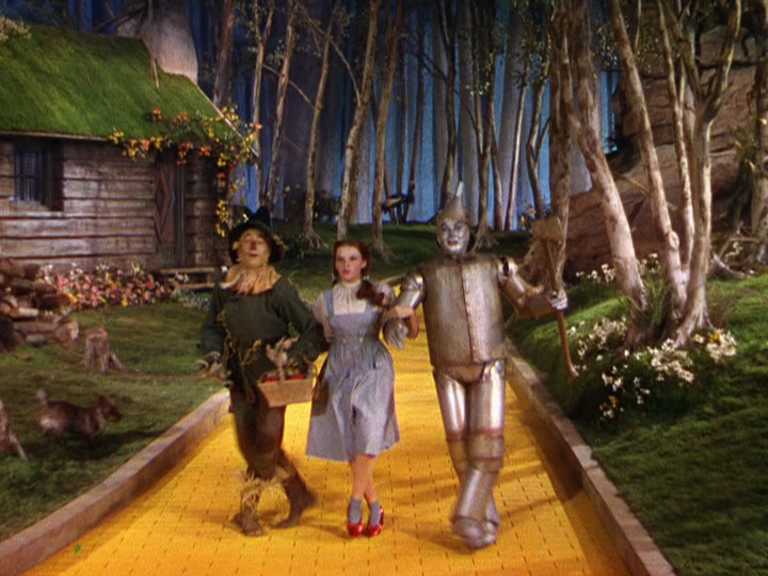
In the late 1930s, Technicolor brought full color to mainstream film. Movies like The Wizard of Oz (1939, MGM) and Gone with the Wind (1939, MGM) used rich color palettes. At the same time, lighting setups had to become more complex to expose color film correctly.

Citizen Kane (1941, RKO), shot by Gregg Toland, changed cinematography again. Toland used deep focus, where everything in the frame (from foreground to background) stays sharp. This lets viewers explore the full image and notice details without being told where to look. Toland also used wide-angle lenses and strong lighting to keep that deep focus consistent.
Postwar Changes and New Cinemas
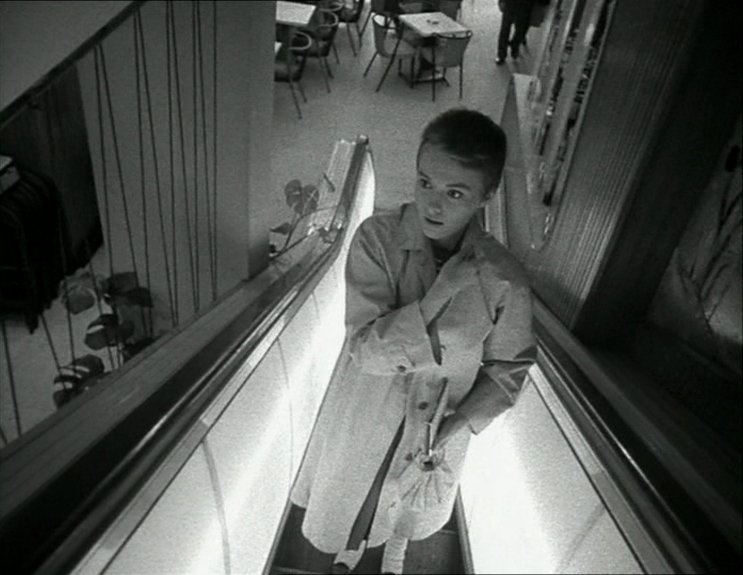
In the 1950s and 1960s, international styles changed how cinematography looked. The French New Wave used handheld cameras and natural light to create a loose, spontaneous style.
In Japan, directors like Yasujirō Ozu used low, static angles and long takes to slow down time and focus on space and blocking.

Hollywood responded with widescreen formats like CinemaScope, which gave cinematographers a wider frame to work with. Big-budget epics used sweeping crane shots, extreme wide shots, and large-scale lighting setups to fill the frame. This was also the era when cinematographers started becoming recognized as creative artists, not just technicians.
The Steadicam and New Motion
In the late 1970s, the Steadicam was introduced, i.e., a body-mounted stabilizer that let the camera move smoothly without tracks.
It was first used in Bound for Glory (1976, United Artists), and later in Rocky (1976, United Artists) and The Shining (1980, Warner Bros.). This tool gave cinematographers new freedom to move through space in one shot, without shaking or breaking rhythm.
Filmmakers like Stanley Kubrick, Gordon Willis, and Vittorio Storaro used movement, color, and precise framing to shape mood. By the 1980s, cinematography was closely tied to storytelling, genre, and style, from slow, controlled shots in dramas to kinetic framing in action films.
Digital Tools and Visual Effects
In the 1990s, digital technology changed how images were captured and edited. Even though most movies were still shot on film, digital color grading became common. This let cinematographers fine-tune contrast and color tone in post, instead of relying only on lighting on set.
By the early 2000s, digital cameras became more popular. George Lucas shot Attack of the Clones (2002, 20th Century Fox) entirely on digital video. The format allowed for longer takes, instant playback, and easier use with visual effects. Today, most mainstream films are shot digitally, though some directors still use film for its grain, texture, and dynamic range.
The Cinematographer Today
Modern cinematographers work with both old and new tools. Some projects use drones, LED volume stages, or digital doubles. Others stick to film stock and practical lighting. But the core job hasn’t changed: you shape light, frame space, and guide emotion through every shot.
Read more on Aerial Cinematography.
Today’s DPs are involved from pre-production to post. You scout locations, plan shot lists, work with colorists, and lead the lighting and camera crew. Whether you’re working with an iPhone or an ARRI Alexa LF, the job is still about building meaning one image at a time.
Summing Up
The history of cinematography is a timeline of innovation, from the Lumière brothers’ static camera to digital sensors, LED walls, and AI-assisted framing. But across every era, one thing has stayed the same: cinematography is how you turn light and movement into story. The tools will keep evolving. The job will always be about where to place the camera, how to shape the light, and what each frame says to the viewer.
Read Next: Curious how art movements shaped film?
Explore our full Visual Art Timeline to see how styles like Surrealism, Cubism, and Suprematism influenced cinema’s most experimental moments.
Or keep browsing our Film Movements & World Cinema section for more on the histories that shaped screen culture around the globe.
