

Published: August 21, 2025 | Last Updated: January 19, 2026

What is A cinematographer? Definition & job description
The Director of Photography (DP) or Cinematographer is the head of the camera and lighting departments. They’re responsible for the overall visual style of the film, i.e., how every shot looks, feels, and fits the story. They plan the lighting, camera movement, color palette, and shot composition. They work closely with the director to shape the tone of the film visually. A DP, shapes the look of every scene by controlling the camera, lenses, lighting, and composition.
Key Responsibilities of a DP
A DP works with the director to plan how each scene will be shot. You also lead the camera and lighting crews. A DP’s job is to translate the screenplay into pictures that tell the story clearly and honestly.
- Plan the look of each scene with the director
- Select cameras, lenses, and filters
- Design lighting to support the mood
- Control framing, angles, and camera movement
- Work with the crew to capture each shot
Cinematography Examples from Famous Films
Now let’s look at some real-world examples and interviews with professional cinematographers to see how they approach these elements.
1. Plan the Visual Style with the Director
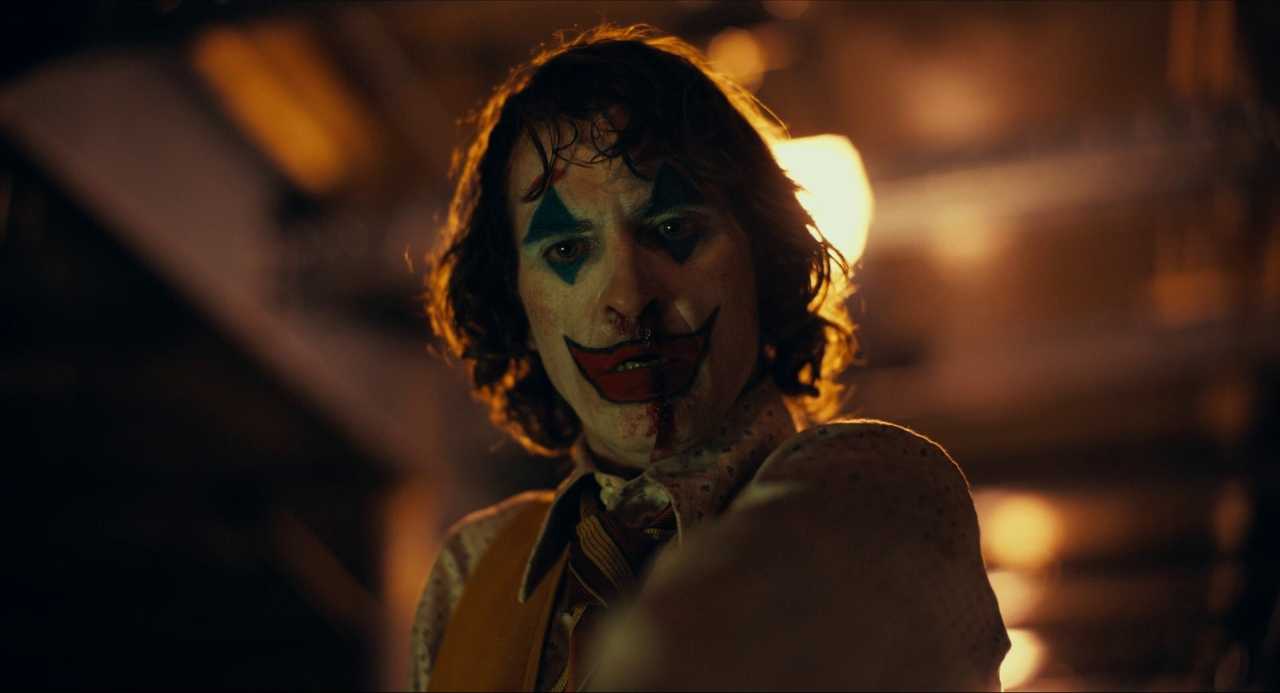
Lawrence Sher, ASC, collaborated closely with director Todd Phillips on Joker (2019) to shape a controlled, portrait-like style. They wanted to be as artful and simple as possible, limiting camera movement and trusting the strength of the visual composition.
They chose a classic 1.85:1 aspect ratio for a more intimate feel, framing Arthur Fleck in ways that reflected his isolation and descent.
2. Select Cameras, Lenses, and Filters
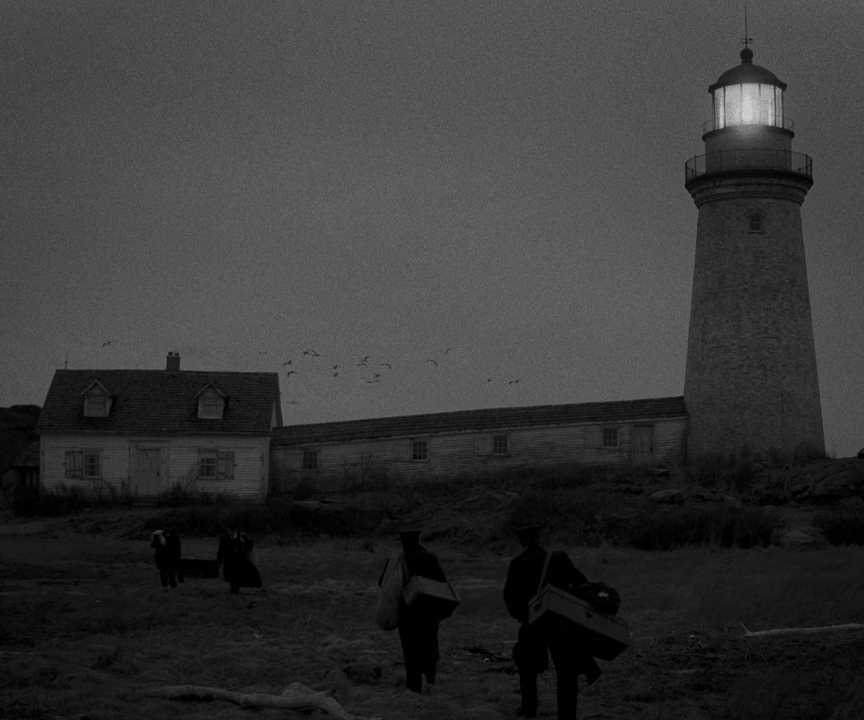
Jarin Blaschke selected rare 1930s Bausch & Lomb Baltar lenses for The Lighthouse (2019) to create a textured, vintage image. He also designed a custom filter to block red wavelengths and mimic orthochromatic film, giving the black-and-white footage a harsh, early-photography look.
The 1.19:1 aspect ratio further enhanced the film’s claustrophobic tension, matching the story’s themes of confinement and madness.
3. Design Lighting to Match the Tone

Roger Deakins, ASC, BSC, designed lighting setups in Blade Runner 2049 (2017) that created depth and movement inside artificial environments.
For Wallace’s headquarters, he lit the room from overhead using rippling water tanks to cast animated caustic patterns on the walls.
The result looked like shifting sunlight in a world without windows. Instead of relying on digital color correction, Deakins created the film’s color and contrast entirely on set using gels, practical sources, and controlled exposure.
Lawrence Sher also crafted a distinct lighting and color strategy for Joker (2019). He used practical lighting and warm, sodium-vapor-inspired tones to reflect Gotham’s bleak mood.
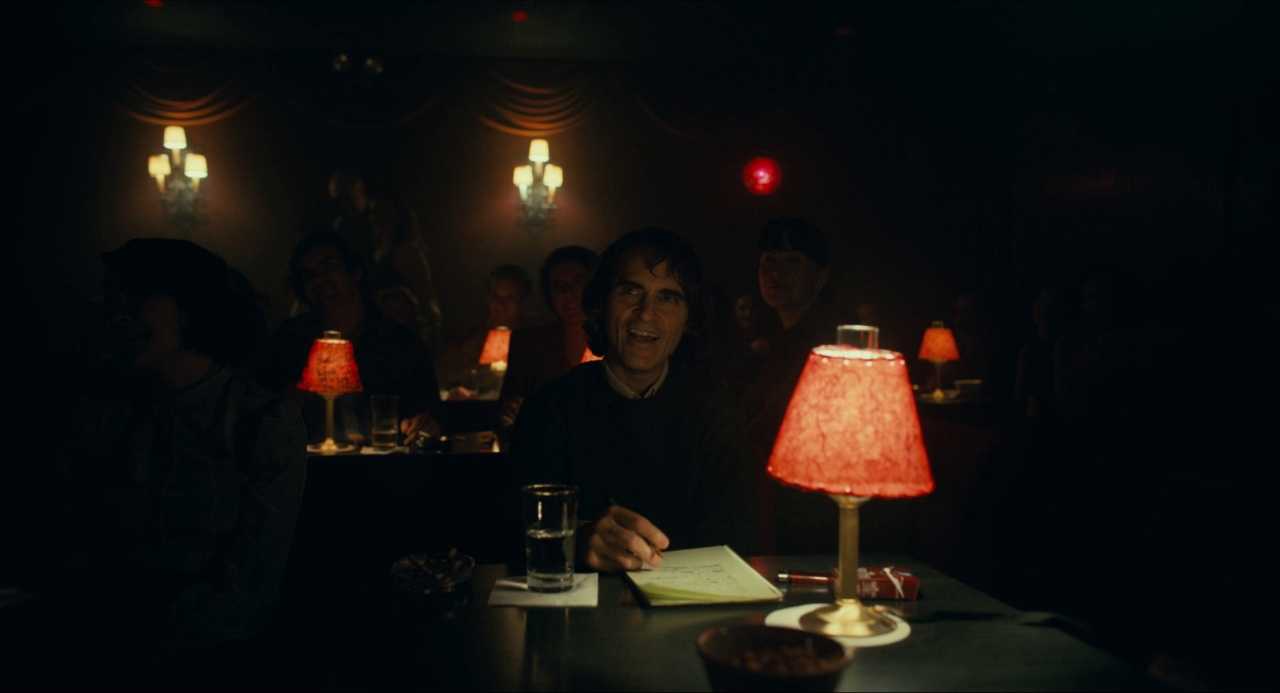
As Arthur Fleck transforms into Joker, Sher shifted the color palette toward bold reds and greens to match his unraveling mental state and new persona.
Read more in Lawrence Sher’s Breakdown of the Cinematography & Colors In Joker (2019)
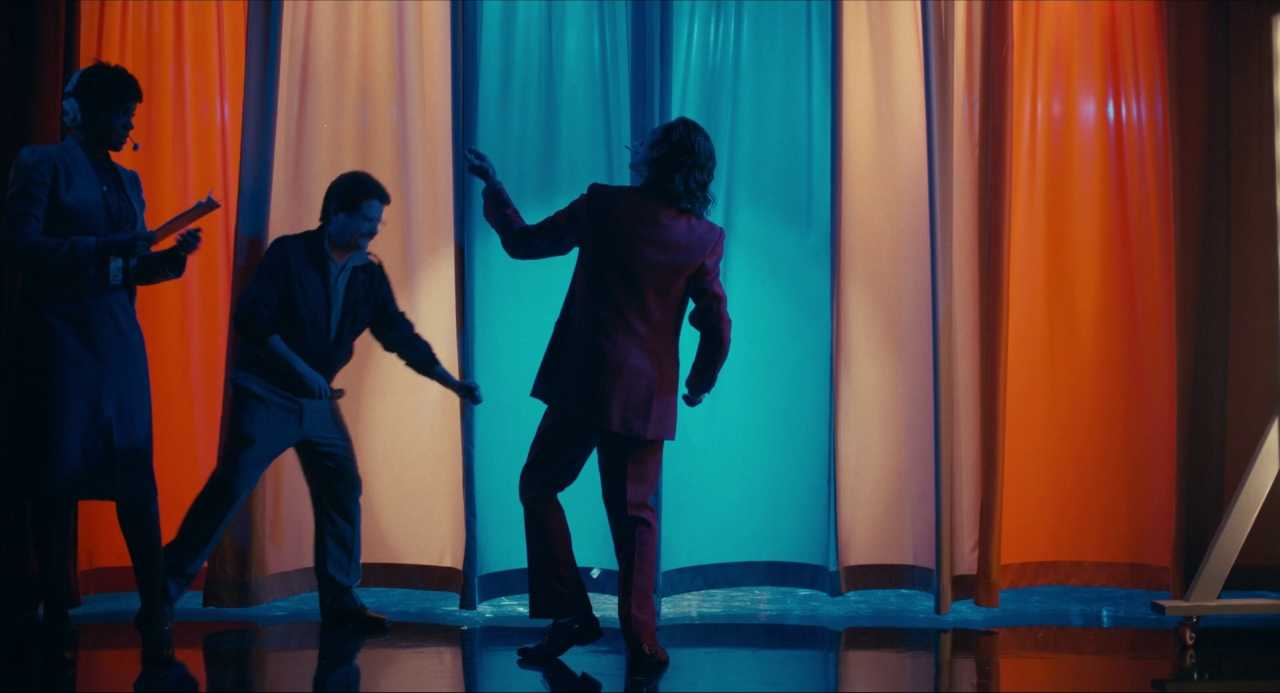
The lighting was designed to be expressive but grounded in realism, pulling inspiration from 1970s American cinema.
Read more on color psychology in film.
Jarin Blaschke used intense artificial lighting on The Lighthouse (2019) to simulate the harsh daylight of a seaside island while still achieving a vintage black-and-white look.

His lighting plan around a custom red-blocking filter that mimicked orthochromatic film stock rendered skin tones pale and windows dangerously bright.
The lighting had to be very strong (over 200 foot-candles!) to overcome the filter and vintage lenses. This gave the film a gritty, aged texture without using natural light.
4. Control Framing, Angles, and Movement
In Joker, Sher’s restrained camera work added emotional weight. He used close-ups and extreme close-ups to emphasize Arthur’s transformation.
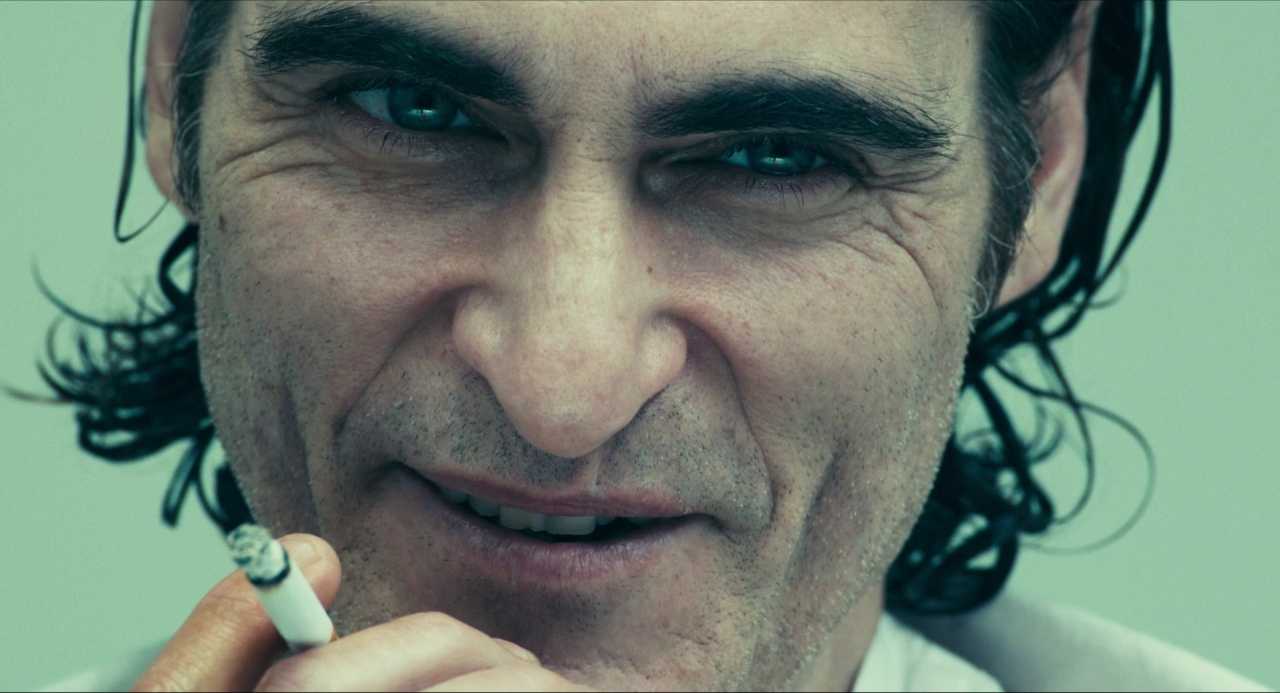
Sher avoided handheld shots unless motivated and opted for slow, deliberate camera moves. This control gave the film a tragic, intimate tone and kept the viewer close to Arthur’s state of mind.
5. Guide the Crew to Capture Each Shot
Deakins has often emphasized pre-lighting, camera rehearsals, and communicating clearly with the gaffer and key grip to make each setup efficient.
On Blade Runner 2049, he worked closely with the lighting team to design setups that matched the film’s mood but could still be repeated consistently across takes and setups.
Summing Up
Every DP brings different techniques, but the job always involves shaping the story through images. Sher used simplicity and control to build empathy in Joker. Blaschke used vintage optics and filters to give The Lighthouse its period feel. Deakins shaped light and shadow to make Blade Runner 2049 feel grounded, even in a sci-fi world. These examples show how each responsibility, from camera to crew, affects the look and meaning of every frame.
Read Next: Want to understand the logic behind every shot you choose?
Start with the FilmDaft Guide to Camera Shots & Angles for clear definitions, visual examples, and tips on how each shot affects tone and space.
Then browse all camera shot types and angle techniques — from extreme close-ups and OTS shots to bird’s-eye views and low angles.
Or return to the Cinematography section to explore lenses, lighting, movement, and composition.
