

Published: August 28, 2025 | Last Updated: January 19, 2026

What is A gaffer? Definition & Meaning
A gaffer is the chief lighting technician and head of the electrical department on a film set. They are responsible for executing (and sometimes designing) the production’s lighting plan in close collaboration with the cinematographer. The name comes from a gaff, meaning a hooked pole used in early theatre to adjust stage lights. Today, gaffers work closely with the cinematographer to plan and execute lighting setups. They lead the lighting crew, manage power distribution, and ensure safety on set. Their second-in-command is called the best boy electric.
Pre-Production Responsibilities for Gaffers
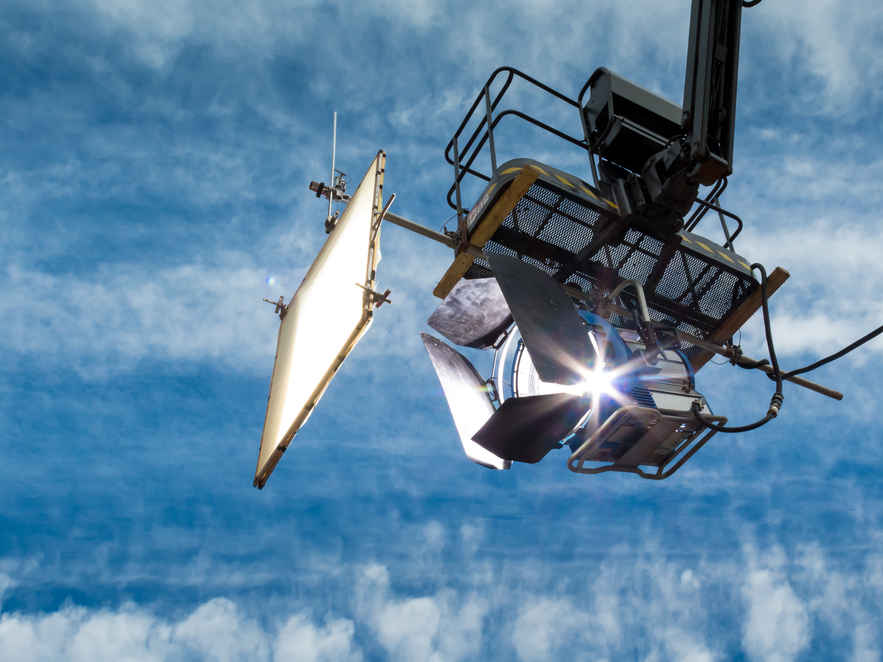
Gaffers start work before cameras roll. During pre-production, your job is to plan all the lighting setups and electrical needs for the shoot. You break down the screenplay, attend location scouts, and meet with key creatives to match the lighting plan to the director’s vision.
Once you understand the scope of the project, you help design a lighting plan that works within the budget and location limits. This includes preparing for special equipment, backup gear, weather changes, and power sources.
Gaffer Job Duties During Film Production
Once production begins, the gaffer is responsible for turning the lighting plan into working setups. You control the lighting on set, make quick changes during takes, and coordinate with other departments to keep the visuals consistent and safe.
Lighting Setup and Shot Preparation

You decide where to place lights to match the mood and exposure for each scene. That means understanding shot composition, blocking, and what the director and cinematographer are aiming for.
- Place lights to match camera angles and visual tone.
- Select appropriate fixtures, bulbs, gels, and diffusers.
Power Management and On-Set Electrical Safety
Gaffers are responsible for distributing power safely across the set. You plan where generators go, how cables are laid out, and how to avoid overloads or hazards.
- Manage generator placement and cable routing.
- Ensure compliance with electrical safety codes.
- Secure rigging and equipment to prevent accidents.
Lighting Crew Management and Department Coordination
The lighting department has a clear hierarchy. The gaffer leads the lighting team and works closely with other departments, such as grip and camera, to ensure that nothing gets in the way of the shot.
The gaffer works directly with the DP, then delegates tasks to the best boy electric. The best boy oversees the team of lighting technicians (also called “sparks”) who physically set up the lights.
A generator operator (“genny op”) is responsible for running power to all the fixtures on location, ensuring the setup stays safe and powered consistently.
It’s also the gaffer’s task to keep communication flowing and help solve problems on the fly.
- Direct the best boy electric, electricians, and lamp operators.
- Coordinate with grips to rig lights safely.
- Adjust lighting between takes to maintain continuity.
Difference Between Gaffer, Best Boy Electric, and Grips
Gaffers lead the electrical department, but other lighting and rigging roles are often confused with theirs. Here’s how they differ and how they work together on set.
The best boy electric is your second-in-command. They handle scheduling, gear rentals, crew assignments, and keep everything organized while you focus on the creative and safety aspects of lighting.
The key grip leads the grip department. Their crew rigs non-electrical support gear like stands, flags, and mounts. If you need a light suspended overhead, the grip team builds the rig while you handle the lighting details. Each team also has a best boy for logistics support.
A Gaffer’s Role is Country Dependent
You should know that the division between grip and lighting departments depends on where you’re working.
In the U.S. system, the lighting crew handles only electrical gear and power distribution, while the grip team rigs fixtures and handles flags, frames, and modifiers.
In the British system, used across the UK, Europe, and Commonwealth countries, the lighting team rigs their own fixtures using stands, flags, and modifiers, meaning the gaffer oversees more hands-on setup.
Types of Gaffers on Film Sets
Larger productions may split lighting work between different gaffers depending on the time of day, the shooting location, or the pre-rigging needs. These roles help keep things efficient across complex shoots.
- Rigging Gaffer – Sets up lighting gear ahead of time for faster turnarounds.
- Day Gaffer / Night Gaffer – Oversees lighting during daytime or nighttime shifts.
- Set Gaffer – Runs lighting on sound stages or backlot builds.
- Location Gaffer – Adjusts lighting setups to fit outdoor or uncontrolled spaces.
How to Become a Gaffer in Film or TV
Most gaffers work their way up through the lighting department. You don’t need to start with formal training, but you do need technical knowledge and hands-on experience with electrical gear and set work.
Here’s a common path many gaffers take:
- Earn a qualification in electrical installation (many gaffers are licensed electricians).
- Start as a lighting technician or set electrician on student films or low-budget productions.
- Work at a rental house to get familiar with different lighting equipment and build industry contacts.
- Move up to best boy electric to manage crews and gear.
- Become a gaffer once you’re trusted to lead a department and manage full setups.
- Join a union like IATSE Local 728 or a regional guild to access bigger projects and stable rates.
Film school can help, but it’s not essential. Electrical certification, on-set problem-solving, and teamwork matter more in this role. Many gaffers also train on battery systems and generators for remote location shoots.
Some gaffers eventually become cinematographers themselves. A good example is Erik Messerschmidt, who worked as a gaffer for Jeff Cronenweth on Gone Girl (2014, 20th Century Fox) before becoming David Fincher’s DP on later projects like Mank (2020, Netflix) and Mindhunter.
Lighting Technician Skills and Qualifications

To be a gaffer, you need both technical knowledge and creative judgment. You must understand how to handle circuits, manage voltage loads, and route cables safely. Many gaffers are certified electricians, but even if you’re not licensed, you’ll be responsible for the safety of your entire department.
Lighting techniques matter just as much. You’ll work with gels, diffusion, practicals, bounce sources, and motivated lighting to create the right tone for each scene. Understanding how lighting affects exposure, shadows, and contrast helps you stay in sync with the DP’s vision.
You also need strong communication skills to give clear instructions under pressure. Gaffers often adjust setups on the fly and lead crews through long shoot days, so leadership, stamina, and quick problem-solving are just as important as technical skill.
Gaffer Salary, Union Rates, and Work Conditions
Gaffer pay depends on experience, location, and union status. Union jobs generally pay better and offer more consistent hours. Freelance gaffers may work longer days but have more flexibility in the projects they take.
Here’s a rough guide based on U.S. averages:
- Entry-level gaffers earn around $13–$20 per hour.
- Experienced union gaffers earn $35–$41+ per hour.
- Top gaffers on major productions can earn $85,000 or more annually.
Lighting crews often work 12–18-hour days, especially on tight schedules. The job is physically demanding and weather-dependent, but for many, the creative payoff makes it worthwhile.
Many Gaffers Own Their Own Gear
Many gaffers own some of their own gear, stored in a personal lighting truck. They often rent this equipment to productions through their own company.
Any additional lights or modifiers are usually rented from external suppliers or rental houses. This setup helps gaffers control quality, stay efficient, and earn additional income from gear rentals.
Summing Up the Gaffer Job Role
A gaffer is the chief lighting technician who plans, sets up, and adjusts lighting on set while managing the electrical crew. You begin by reading the script, scouting locations, and budgeting equipment. On set, you place lights, run power, lead the crew, and ensure safety. You also collaborate closely with the DP, best boy, and key grip.
Becoming a gaffer requires electrical qualifications, hands-on experience, and strong leadership skills. If you enjoy combining technical knowledge with creative problem-solving to shape the look of a film, this role offers a clear path from apprentice to department head.
Read Next: Not sure who does what on set?
Check out our Crew Roles & Equipment section to learn how each department runs, from lighting and sound to camera rigs and on-set protocols.
For a full behind-the-scenes breakdown, explore the entire Production archive and see how everything comes together during the shoot.
