
Published: December 19, 2025

What is Motivated lighting in film? Definition & Meaning
Motivated lighting is a lighting approach where every light you add on set is justified by a believable source in the scene (like a window, lamp, streetlight, or TV), so the direction, color, and intensity feel like they come from that source.
Motivated lighting gives you a clear reason for your setup. It also helps you keep the look consistent when you shoot coverage. Your wide shot and your close-up can match, since the key light still “belongs” to the same source.
What motivated lighting means in practice
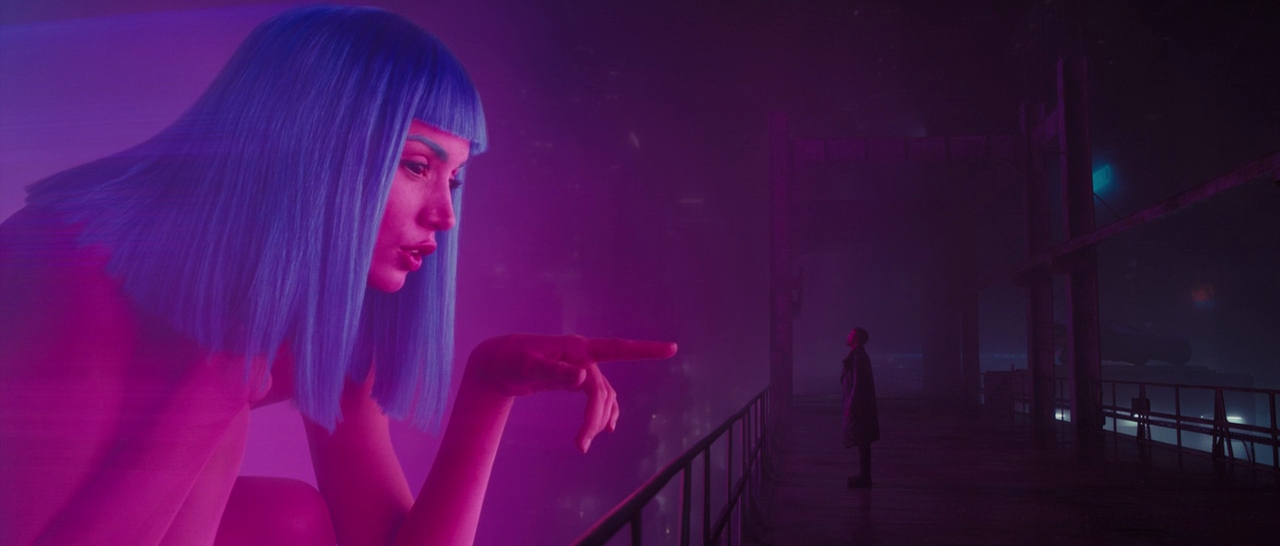
Start with the scene world. Name the source. Then match your lighting to it in a way that still works in the wide, the close-up, and the reverse.
Practical lighting is what you see in the frame
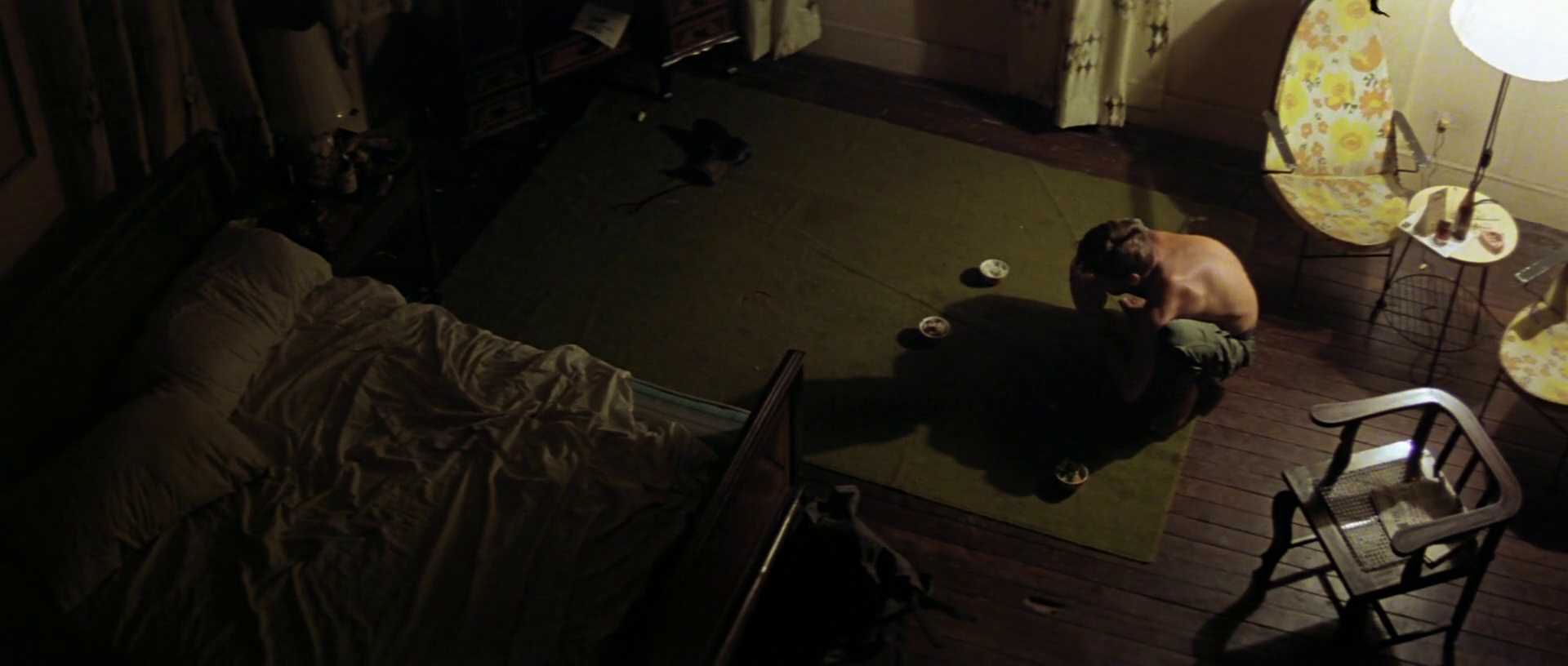
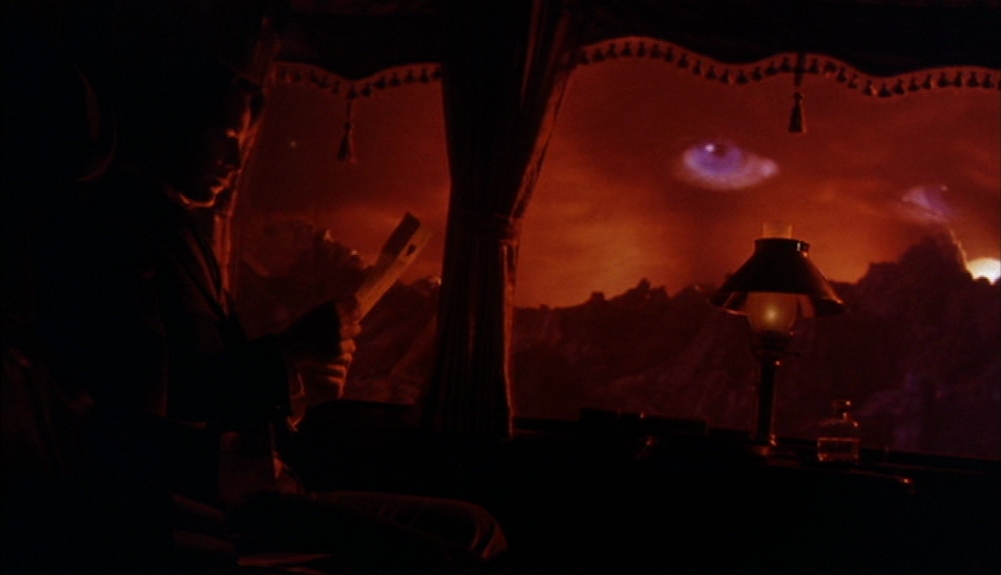
A practical light is a real fixture you see on screen, like a table lamp, a neon sign, or a ceiling bulb. Practicals can sell the source in frame, while off-camera lights do most of the exposure work and copy the same direction and color.
- Practical lighting is a visible light source in the shot.
- Motivated lighting is the logic behind your lighting, even when your brightest light is off-camera.
Available light is what the location already has
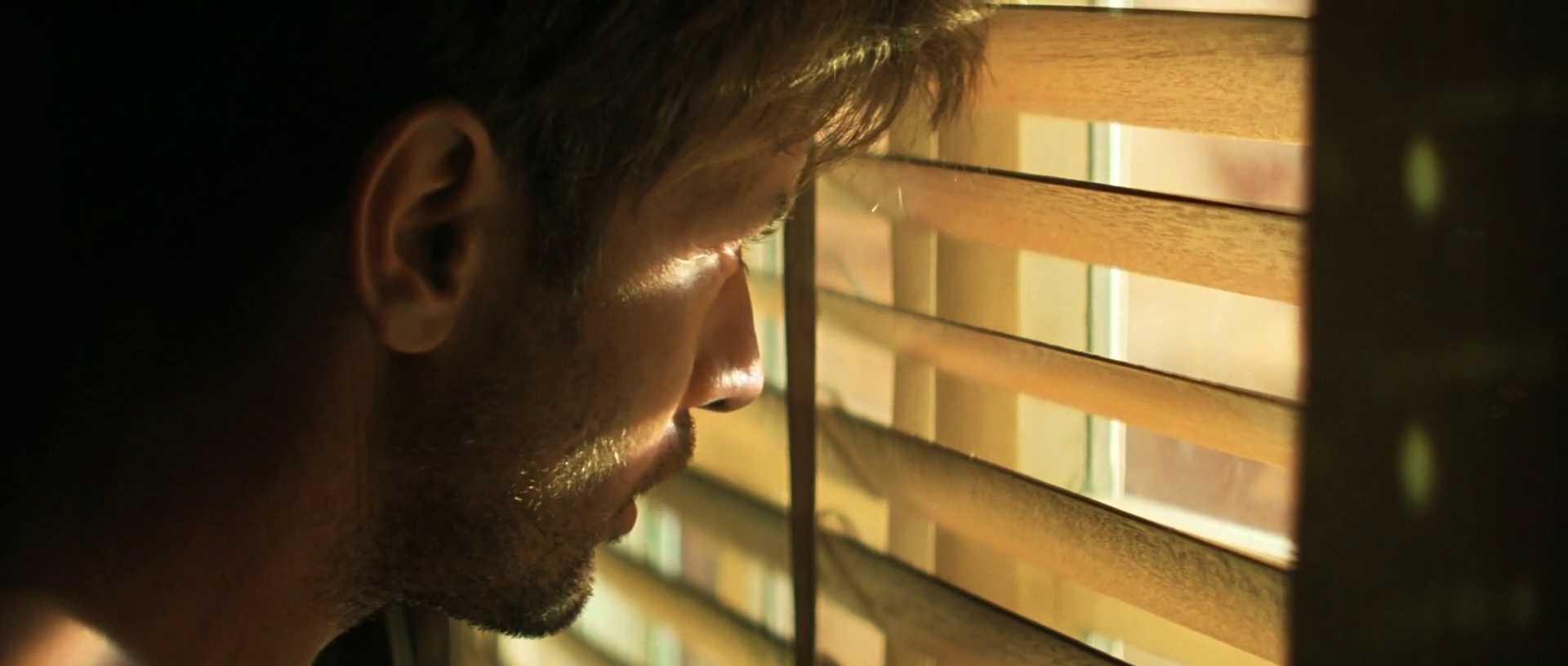
Available light is whatever the location gives you, like daylight through windows or existing ceiling fixtures. Motivated lighting can use available light, but it does not depend on it. You can add film lights and still stay motivated if your added light matches the sources the scene suggests.
Motivation can look natural or stylized
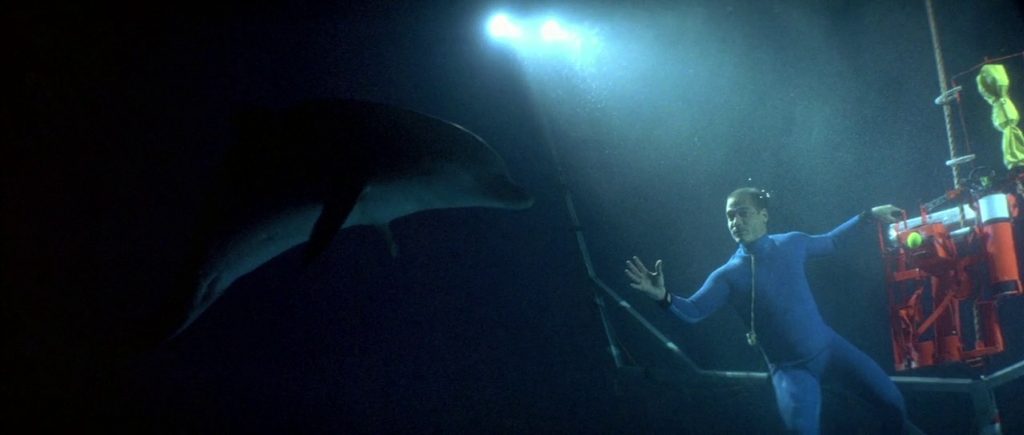
Motivation is about cause. It does not require a “natural” look. A neon sign can justify strong color. A fireplace can justify warm, uneven light. The key still needs a believable reason for its direction and color.
Why you use motivated lighting on set
Motivated lighting keeps your decisions consistent across angles. It also gives you a simple way to diagnose problems when a shot feels off.
- It makes the light feel like it belongs in the location.
- It helps your close-ups match your wide shot.
- It helps you choose what to protect first. You can decide if you protect a face, a bright window, or a lampshade.
- It makes fixes easier to target. You can check source, direction, height, color, then level.
How to build motivated lighting step by step
This workflow is simple on purpose. You choose a source, you keep the logic consistent, and you cheat the setup with off-camera lights so you can control exposure and contrast.
- Name the source. Pick the main source the scene suggests, like a window, a lamp, an overhead fixture, or a TV.
- Lock blocking and camera angles. Check where actors move and where the camera cuts. The source logic must work in every angle.
- Set practical exposure. If a practical is in frame, dim it or swap the bulb so you still see detail in the shade and it does not clip to solid white.
- Build an off-camera key that imitates the source. Match source direction and height first. Match color next. Use diffusion or bounce when the source should feel soft.
- Control spill and contrast. Use flags or solids to stop light from hitting areas the source would not hit. Use bounce for fill. Use a black solid for negative fill (a light blocker that deepens shadows by removing bounce).
- Check the reverse angle. Confirm the key still makes sense in the reverse. If the reverse breaks the logic, add a second source the room can logically have, like a hallway practical, a second window, or a motivated bounce from a bright wall.
Practical-light problems you should plan for
Practical fixtures can look fine to your eyes and still cause problems on camera. A quick camera test helps, since LEDs and dimmers can create flicker or color shifts that you might not notice on set.
LED flicker can show up even when you cannot see it
Some LEDs flicker, and dimming can make it worse. Test the practical at your chosen frame rate and shutter settings before you commit.
- Fast fix: swap to a video-rated flicker-free bulb, or raise the dimmer level.
- Backup fix: adjust shutter speed or shutter angle if the shot allows it. This can change motion blur and exposure.
Dimming can shift color
Incandescent bulbs get warmer when you dim them. Some LEDs shift hue or change brightness in visible steps. If you need stable color, avoid heavy dimming and control brightness with bulb choice, diffusion, or ND gel (a neutral gray gel that reduces brightness without changing color).
Practical exposure can clip fast
A lampshade can blow out and turn into a white patch. The clean fix is consistent. Lower the practical level for detail, then raise the subject with a hidden motivated key.
One simple motivated setup you can copy
This setup works for many night interiors. Two people talk at a table. A lamp sits on a sideboard. The lamp sells the source on screen, and the hidden key keeps faces exposed the same way in every angle.
- Practical: dim the lamp so the shade holds detail and color.
- Key: place a soft key off-camera on the lamp side at a believable height and warmth.
- Contrast: add negative fill on the far side of faces so shadows stay consistent from shot to shot.
Quick checks and fast fixes
Run these checks right before you roll. They catch the most common breaks in motivation, especially when you move from the wide to reverses and close-ups.
Motivated Lighting Checks
- Source: you can name the source in one sentence, and the frame supports it.
- Direction: the key comes from the same side as the source. Move the key if it contradicts the room.
- Height: the key height matches the source type. Lower it for lamps. Raise it for overheads.
- Color: the key follows the source color logic. Adjust fixture settings or add gel if it fights the practical.
- Practical detail: practicals hold texture. Dim or swap bulbs if they clip.
- Coverage: reverses still make sense. Add a second justified source if the reverse breaks the logic.
- Flicker and reflections: test LEDs and watch glass, frames, and glossy props for hidden lights.
Summing Up
Motivated lighting ties your setup to a believable source in the scene. You choose the source, then you add off-camera lights that imitate it so you can control exposure and contrast. When the logic stays consistent across coverage, your lighting matches from shot to shot, and fixes stay straightforward.
Read Next: Want to explore how lighting transforms the mood of a scene?
Browse all lighting articles, from hard and soft light to color temperature, contrast, and key light setups.
Or return to the Cinematography section for lenses, framing, and camera movement techniques.