Published: November 20, 2025 | Last Updated: January 19, 2026

What is a color palette? Definition & Meaning
A color palette is the deliberate selection of specific colors used across a film’s costumes, lighting, sets, and color grading to create a visual mood and guide the viewer’s emotional response.
A color palette gives your film visual consistency. It shapes the tone, shows emotion, and directs the viewer’s eye toward the details that matter. Every color affects how we read a moment, so your palette needs to match the mood and purpose of each scene.

Common Color Schemes Used in Film
A color palette is the group of colors you use. A color scheme is the relationship between those colors, like complementary or monochromatic. The palette comes first, and the scheme explains how the colors interact.
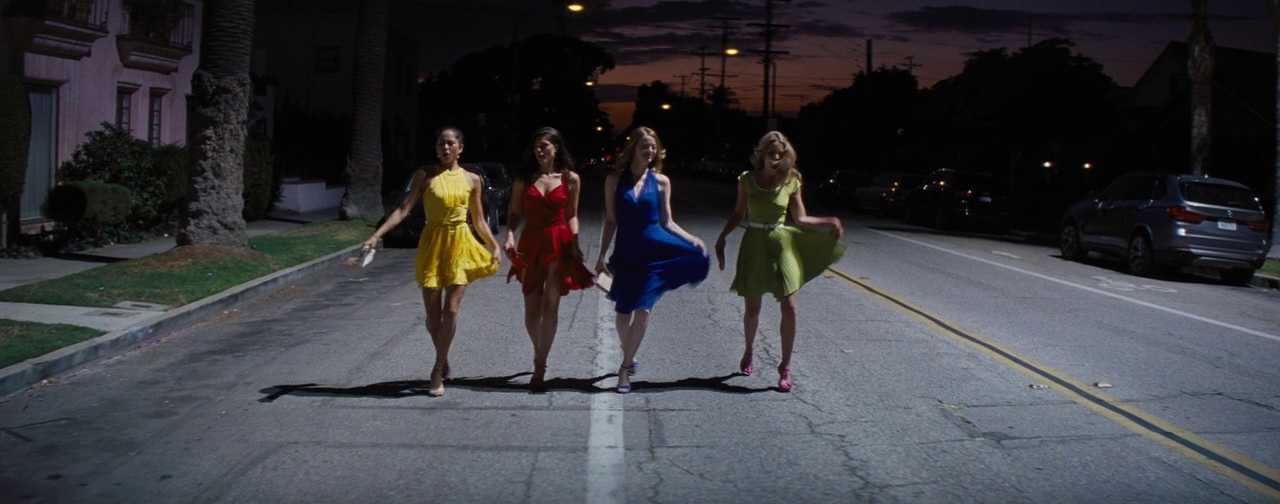
Most film palettes are built around a specific color scheme. A color scheme is the structure that defines how the selected colors relate to each other, like complementary, monochromatic, or triadic.
Monochromatic: One base color in different tones. Creates a unified, stylized world.

Analogous color scheme: Colors next to each other on the wheel. Feels natural and unified.

Complementary: Opposite colors on the wheel. Creates strong contrast.

Triadic: Three evenly spaced colors. Bold and balanced.
How to Build and Use a Color Palette
You build your palette through design, lighting, and color grading. Each department adds a specific layer of control:
- Costumes: Choose fabrics that match or contrast the environment to show character traits or relationships.
- Sets and props: Use repeated tones or clear contrast to shape the space and support the story’s tone.
- Lighting: Adjust color temperature or use colored gels to change emotion or tension in the scene.
- Color grading: Balance hue, contrast, and saturation to finalize the palette and keep it consistent across the film.
A quick note on the teal and orange color palette
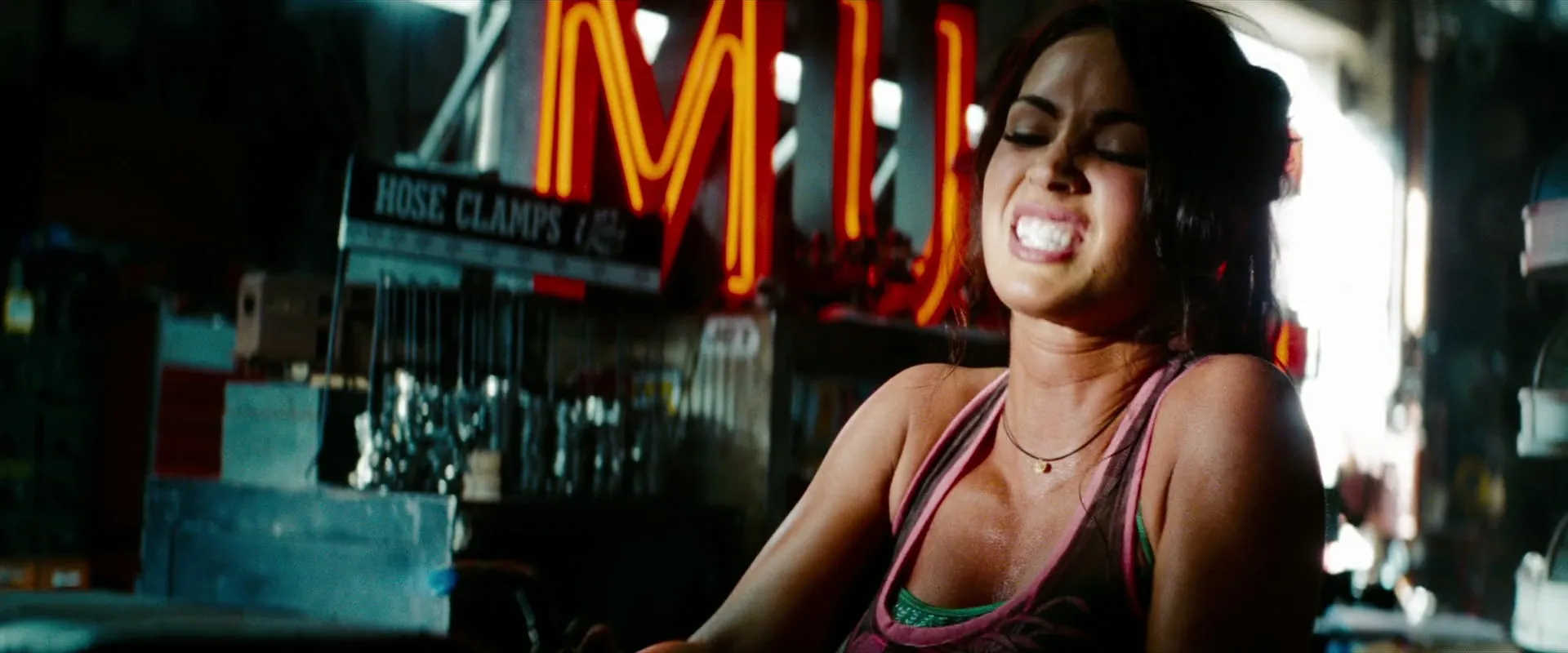
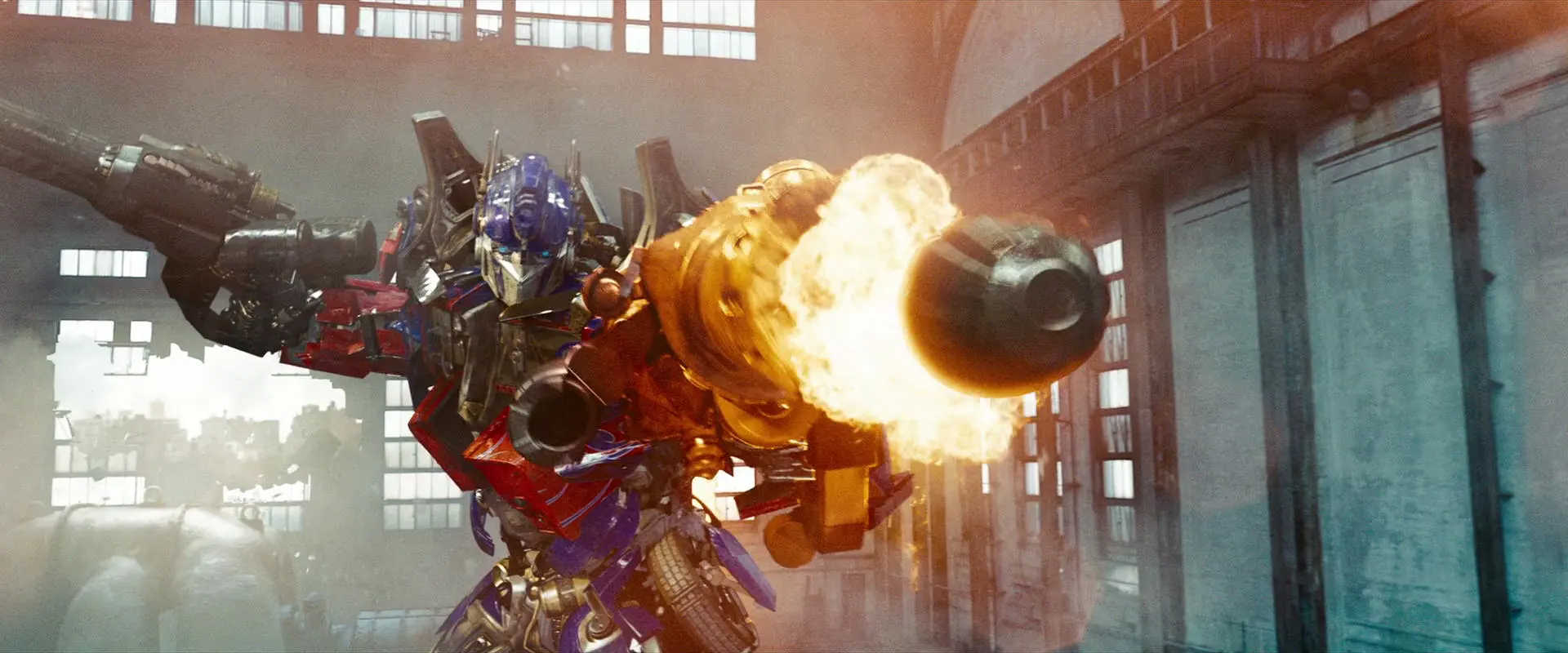
Many action films use teal-and-orange grading because skin tones fall in the warm range. Placing warm skin tones against cool teal backgrounds creates strong separation and keeps characters readable during fast movement.
Plan It Early
Start planning your palette during pre-production. Use moodboards, color scripts, or lookbooks to test how colors work together in different locations and lighting setups.
In animation, color scripts outline the emotional tone of each scene. In live action, production designers and costume designers assign color rules to characters or sets. For example, a character might stay in warm earth tones while the world around them becomes colder to show tension or conflict.
You can also map a color arc across the entire story. This arc shows how the palette changes as the character or story shifts, for example, starting with soft pastels and moving toward dark, saturated tones as the stakes rise.
Here’s a free Color Palette Planner:
How Color Guides Meaning

Color can show emotional or narrative changes. In The Matrix (1999, Warner Bros.), green tones signal the simulation, while blue-gray tones signal the real world. This split helps the viewer understand location before the characters speak.
In Black Swan (2010, Fox Searchlight), the palette starts soft and neutral. As Nina loses control, the film shifts toward deep blacks and reds to match her mental state.

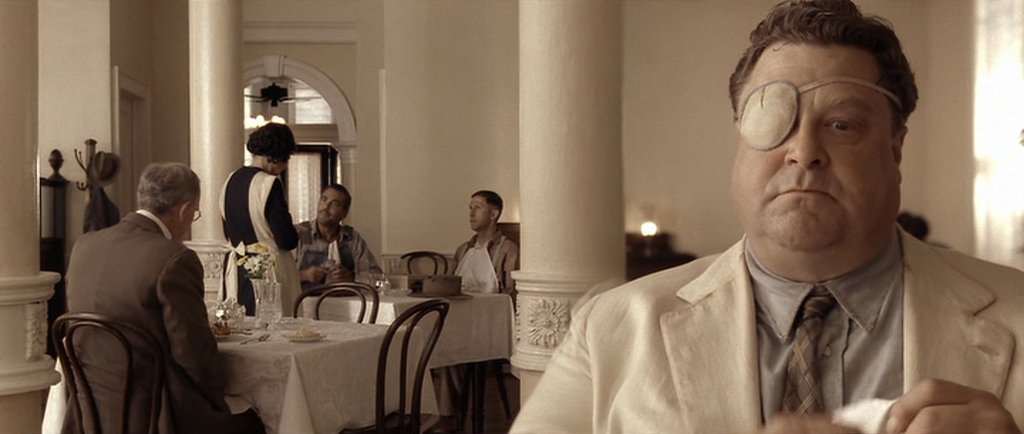
O Brother, Where Art Thou? (2000, Touchstone) often uses sepia tone grading to mimic old photographs. The look creates a worn, dreamlike version of 1930s America.
Genre Expectations
Each genre tends to favor certain palette styles in lighting, costume, and set design. Horror often uses desaturated tones or sickly greens to create tension. Romance leans on warm tones and soft pastels. Sci-fi often uses neon blues and greens. Fantasy often favors natural earth tones or deep saturation to build immersive worlds.
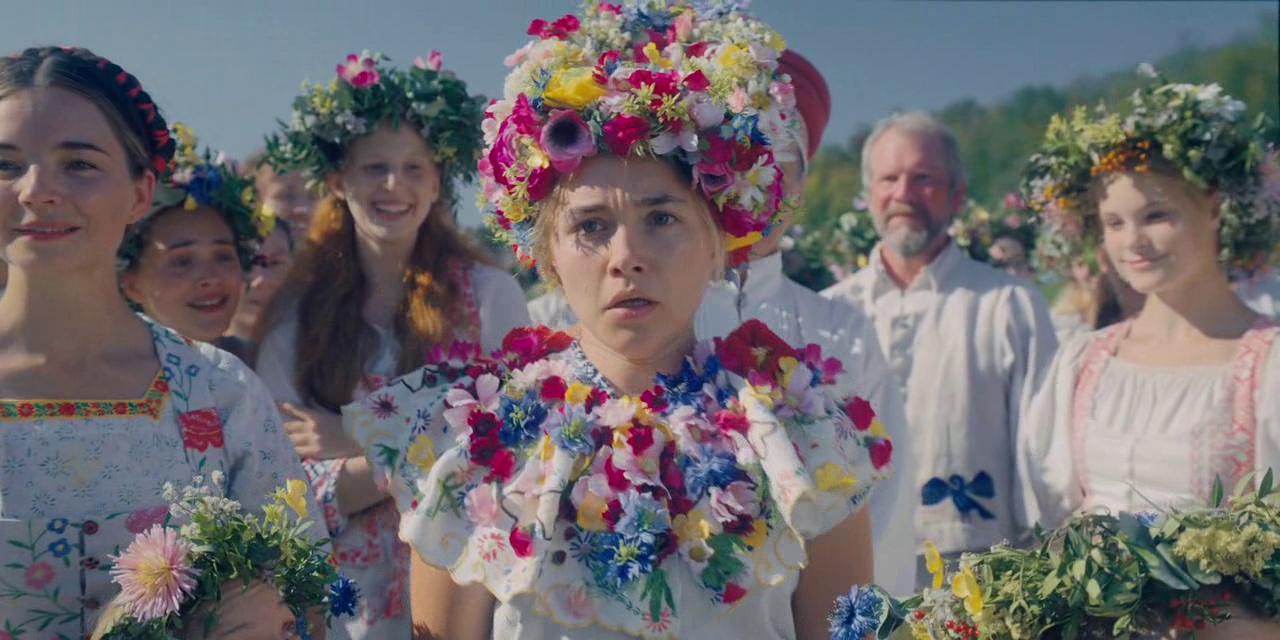
Midsommar (2019, A24) flips these expectations. It uses bright daylight and pale colors, which makes the violent scenes feel more disturbing because the palette hides nothing.
Cultural Symbolism
Color meaning shifts across cultures and settings. White can mean purity in Western contexts, but mourning in others. Red can show love, anger, or danger. Make sure your colors reflect the culture, time period, and emotional tone of your story rather than relying only on general symbolism charts.
Test your palette with your costumes, sets, and lighting together. This helps you see whether the colors feel believable in the world you’ve built.
Contrast and Discordance

You can break your palette on purpose to highlight a single detail. This is called color discordance. In Schindler’s List (1993, Universal), the girl’s red coat stands out in a black-and-white world. The break in palette becomes the emotional center of the scene.
Why Color Palettes Matter
Color controls the emotional tone of a scene by affecting contrast, brightness, and temperature. Warm tones can make a moment feel safe or intense.
Cold lighting can show distance or detachment. When your palette stays consistent, the film’s world feels unified. When the palette shifts, the viewer understands that the story or point of view has changed.
Color also directs the viewer’s eye. Bright or contrasting colors highlight key details like faces, props, or important actions. Muted backgrounds help secondary elements stay out of the way.
Summing Up
A good color palette holds your film together. It guides mood, emotion, and meaning. You just need a clear plan. Pick your colors early. Use them with intention so every tone supports the mood, setting, or character emotion. If your palette shifts, make sure it reflects a change in mood, time, or point of view.
Read Next: How do you design the look of a film?
Visit our Production Design section to learn how sets, props, and color palettes support story, character, and tone from the start.
Want the full picture? Explore the Pre-Production archive for everything that happens before cameras roll—from visual planning to script breakdowns.