

Published: November 21, 2025 | Last Updated: December 2, 2025

What is a monochromatic color scheme? Definition & Meaning
A monochromatic color scheme is a palette built from variations of a single hue (one base color), using different tints (lighter), shades (darker), and tones (mixed with gray). This gives you a unified look across the frame while still allowing contrast through brightness and saturation shifts. In film, monochromatic color helps reduce distractions, reinforce emotion, and direct focus using contrast within a single hue.

Why Monochromatic Color Works
There are several reasons why you might choose a monochromatic color scheme in film:
Creating a Unifying Look
When you stick to one hue family, every part of the image feels like it belongs together; costumes, lighting, and set design all draw from the same source. This keeps the frame organized and makes each element feel intentional.
Triggering a Specific Emotional or Cognitive Response
Warm palettes like reds or yellows can feel romantic, nostalgic, or inviting. Cool ones like blue or green can feel sterile, eerie, or emotionally distant. These shifts let you guide the viewer’s experience without changing location, lighting style, or frame composition.
Read more about color psychology in film.

Her (2013, Annapurna) builds its soft, emotional world using pinks and reds. These tones show how the character feels (lonely but hopeful) by connecting his wardrobe, apartment, and lighting into one consistent visual mood.
You can control how the scene feels (whether calm, tense, warm, or distant) by adjusting brightness and saturation inside that limited color range.
Use Monochromatic Color Schemes to Reinforce Theme
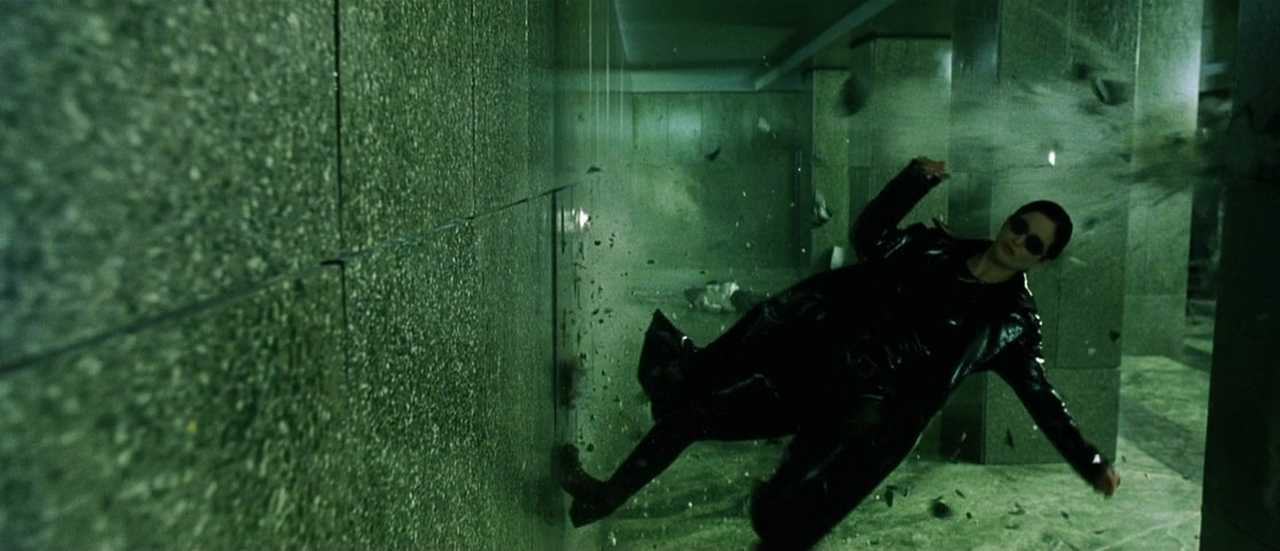
Color can also reinforce the story and theme. For example, The Matrix uses a green monochrome look for every scene inside the simulation. It signals to the viewer that the world is artificial and coded, even before the story explains how the system works.
Moonlight (2016, A24) uses a blue monochromatic palette in key scenes to reflect the main character’s emotional isolation and internal struggle. When Chiron is alone (floating in the ocean, riding the bus, or staring in the mirror), he’s often surrounded by soft blues and cool lighting.

The monochromatic blue scenes strip away other colors and pull you into his emotional state. The blue becomes part of how we see the world through his eyes. It reinforces the film’s theme of fluid identity and acts as a visual thread across Chiron’s three life stages.
Black-and-White is also a Monochrome Color Scheme
Monochrome isn’t always about color. Black-and-white is one of the oldest and clearest forms. These films use grayscale (one neutral hue) to build contrast through light and shadow. The greyscale is sometimes also called achromati, because it contains no hue.
Modern examples like Roma (2018, Netflix) and Schindler’s List (1993, Universal) use grayscale to reflect the time period or strip the image down to its emotional core.

Sometimes, you can break the monochromatic scheme on purpose. In Schindler’s List, the red coat of a girl stands out in a black-and-white world. That single color draws attention and adds emotional weight, without disrupting the film’s visual unity.
Monochromatic vs Desaturated Images
Monochromatic color schemes are not the same as desaturated images.
A desaturated image has low color intensity, meaning colors appear washed out, faded, or nearly gray. This can happen when you reduce saturation across the entire image, but the colors might still come from different parts of the color wheel.
In contrast, a monochromatic image uses only one base hue and builds variety by changing how light, dark, or intense that one color is. A red monochrome palette might include bright scarlet, dark maroon, and soft pink. A green one might range from pale mint to deep forest. The image can be bold, soft, or even dull, but all the colors must come from the same hue family to be truly monochromatic.
How to Build a Monochromatic Palette
Planning a monochromatic color scheme starts early. You’ll need to coordinate color across every visual element, sets, costumes, lighting, and grading. These steps help you stay consistent and make sure the color supports the mood and meaning of each scene.
- Pick your hue early: Choose a color that reflects the emotion or theme of the scene. Every department (from costume to lighting) should plan around it.
- Vary brightness and saturation: You still need contrast. Use light, shadow, and color intensity to separate characters from their surroundings.
- Limit your accents: A single bright detail (like red in a green frame) can direct the viewer’s focus. But too many break the palette’s clarity.
- Plan for color grading: The final palette is often shaped in post-production. Apply a consistent color tint or adjust saturation across all shots so everything feels part of the same visual world.
- Think about cultural meaning: Colors are read differently depending on context. Red might mean love, danger, or celebration. Always consider how your hue will be interpreted.
Summing Up
Monochromatic color schemes use one hue and its variations to create unity, focus, and emotional tone. Whether you’re aiming for warmth, coldness, nostalgia, or artificiality, a monochrome palette gives you clarity and control. It’s simple to plan, visually sharp, and deeply expressive when the color matches the emotion or idea driving the scene.
Read Next: How do you design the look of a film?
Visit our Production Design section to learn how sets, props, and color palettes support story, character, and tone from the start.
Want the full picture? Explore the Pre-Production archive for everything that happens before cameras roll—from visual planning to script breakdowns.
