

Published: November 21, 2025 | Last Updated: December 19, 2025

What is color theory? Definition & Meaning
Color theory is the study of how colors are organized, how they interact, and how they influence emotion and meaning in visual work. It gives you a system to choose colors in lighting, costume, and production design so each shot supports the emotion, highlights the subject, and keeps the viewer focused where you want.
Where Color Theory Comes From
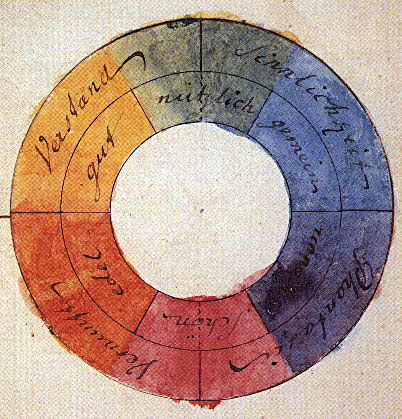
One of the earliest color theories came from Aristotle. He believed that all colors were mixtures of white (light) and black (dark), and identified a few basic colors like red and green as intermediates. These ideas were based on observation, not science, but they shaped how artists thought about color for centuries.
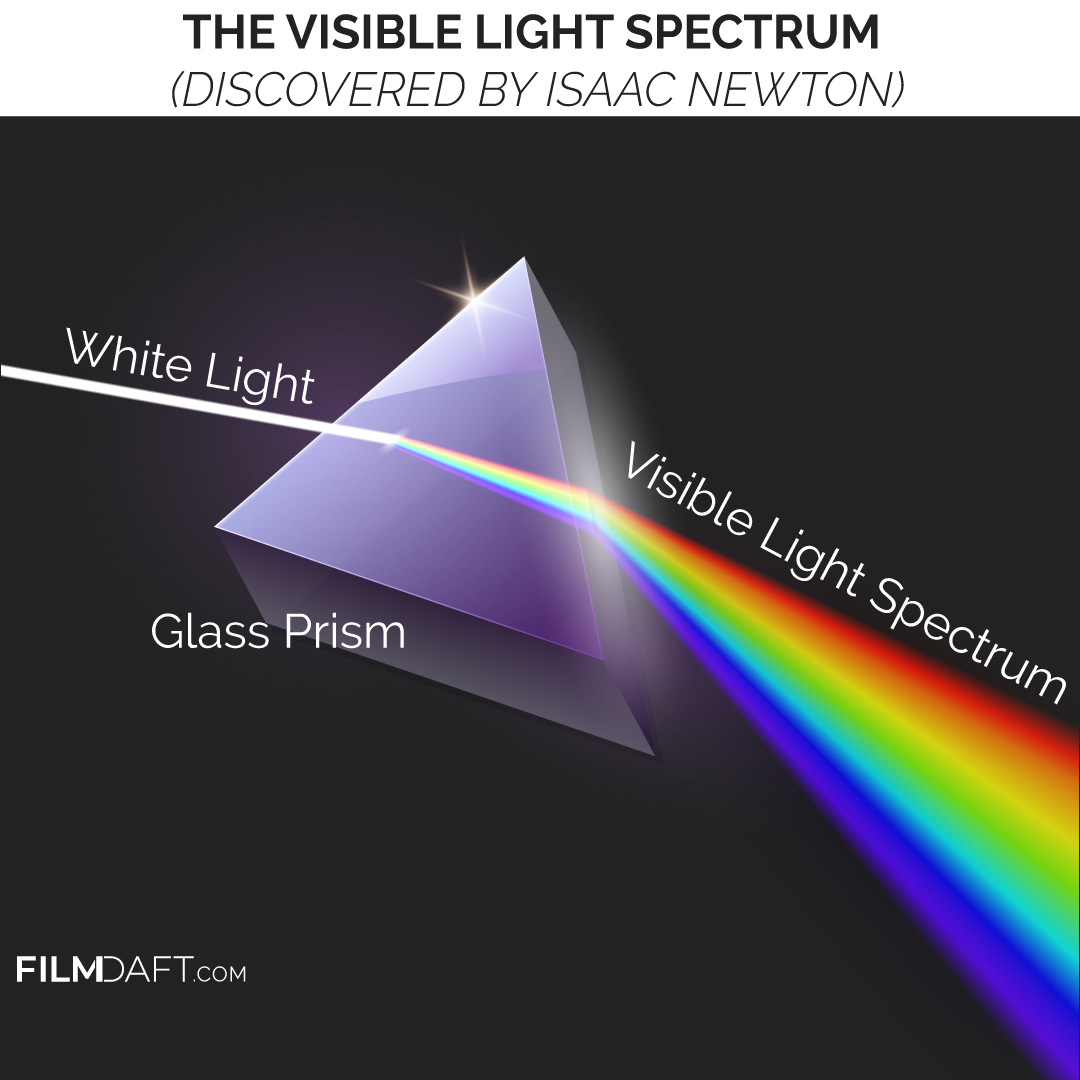
Color theory changed in 1666 when Isaac Newton split white light into a spectrum using a prism. He arranged the colors in a circle and created the first color wheel.
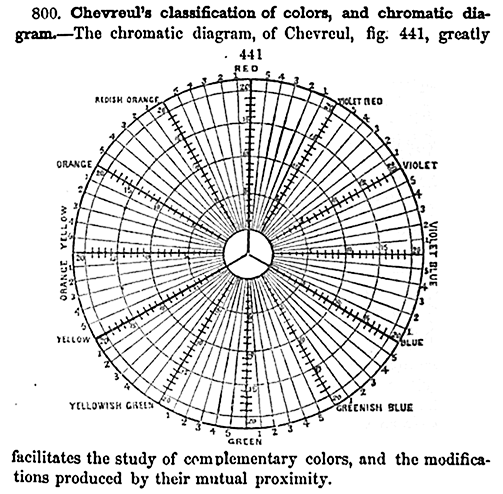
Later, Johann Wolfgang von Goethe studied emotional reactions to color, and Michel Eugène Chevreul explored how colors shift when placed side by side.
Their ideas now guide how you build color palettes, match emotional tone, and plan contrast in film.
How Color Works: Hue, Models, and Mixing Methods
Every color has three parts you can control. These parts affect how bold a color appears, how clearly subjects stand out from the background, and how balanced the image looks overall.
- Hue: The type of color (red, green, blue), and so on.
- Saturation: How strong or muted the color is. High saturation looks vivid. Low saturation looks dull.
- Brightness (or Value): How light or dark the color is. Adding white creates tints. Adding black creates shades.

HSL and HSV tools in digital grading let you adjust each part separately. This helps you target specific areas (like shadows, highlights, or skin tones) without changing the whole image.
Color Models (RYB vs RGB vs CMYK) Explained

Color models describe how color is mixed across different tools and materials. Each model uses its own method.
- RYB (Red, Yellow, Blue): A traditional artistic model for pigments. RYB is used in concept art, set painting, and costume design, where physical materials follow traditional pigment mixing.
- RGB (Red, Green, Blue): An additive model used for screens, digital sensors, and lights. Colors are created by adding light. RGB is used in lighting design and color grading, where colors are created by combining red, green, and blue light.
- CMYK (Cyan, Magenta, Yellow, Black): A subtractive model used in printing. Ink absorbs light to create color. CMYK is used in printing, including posters and marketing materials.
Each color model is used in different parts of the production pipeline. Knowing which model you’re working with helps you match colors accurately across departments and avoid surprises when colors move from concept to set to screen.
Color in Film: Grading and Digital Workflow
Digital color depends on the amount of information stored in your footage. Bit depth and color gamut set the boundaries for what you can change in post. Grading tools then help you choose color palettes that match the story’s emotional tone, setting, or character point of view.
Bit Depth and Gamut
Bit depth controls how many steps of color your footage can store. Higher bit depth gives smoother transitions and more flexibility in grading without causing banding, color clipping, or other visible artifacts.
- 8-bit: Limited range. Breaks easily when you push color.
- 10-bit or RAW: Much wider range. Fits scenes that need heavy grading.
Color gamut defines the full range of colors your camera or display can show. Rec.709 is the standard for HD video. DCI-P3 is common in digital cinema. Wider gamuts allow richer and more saturated color options.
See also the difference between LUTS, LOG, and LOOK camera color profiles.
Color Correction vs Color Grading
Color correction and color grading appear together in post, but they do different jobs.
- Correction: Fixes exposure, white balance, and skin tones. The goal is a clean and neutral base.
- Grading: Creates the final mood. You shift temperature, contrast, and saturation to add unease, intimacy, loneliness, or urgency based on what the character feels.
Read more about the differences between color correction and color grading.
How Color Affects Mood and Meaning
Color affects how you read a scene. You can use it to guide the viewer’s eye, separate characters, or signal emotional changes. These effects come from choices with harmony, temperature, contrast, symbolism, and cultural meaning.
Harmony and the Color Wheel

Harmony shows how colors relate on the color wheel. Each color scheme sets a specific emotional tone and visual rhythm. Complementary schemes feel sharp and energetic. Analogous schemes feel smooth and calm.
- Complementary: Opposite colors (blue and orange). Strong tension and clear separation.
- Analogous: Side-by-side colors. Smooth transitions and calm tone.
- Triadic: Three evenly spaced colors. Balanced and vivid.
- Split-Complementary: One color plus the two beside its opposite. Flexible contrast.
- Tetradic: Two complementary pairs. Rich and complex.
- Monochromatic: One hue with different saturation or brightness levels.
- Achromatic: Uses only black, white, and gray.
Simultaneous Contrast
Colors shift based on their surroundings. This effect is called simultaneous contrast. A neutral color can look warmer, cooler, brighter, or darker depending on the colors placed next to it.
Warm vs Cool Colors

Warm colors like red and orange feel active and close. Cool colors like blue and green feel distant or calm. You can use this temperature contrast to define character or mood.
Symbolism and Emotion

Colors often carry emotional meaning. These meanings help the viewer sense danger, peace, conflict, or vulnerability before any dialogue appears.
- Red: Passion, danger, power
- Blue: Calm, isolation, control
- Green: Nature, jealousy, balance
- Yellow: Joy, caution, energy
- Black: Fear, strength, mystery
- White: Purity, emptiness, clarity
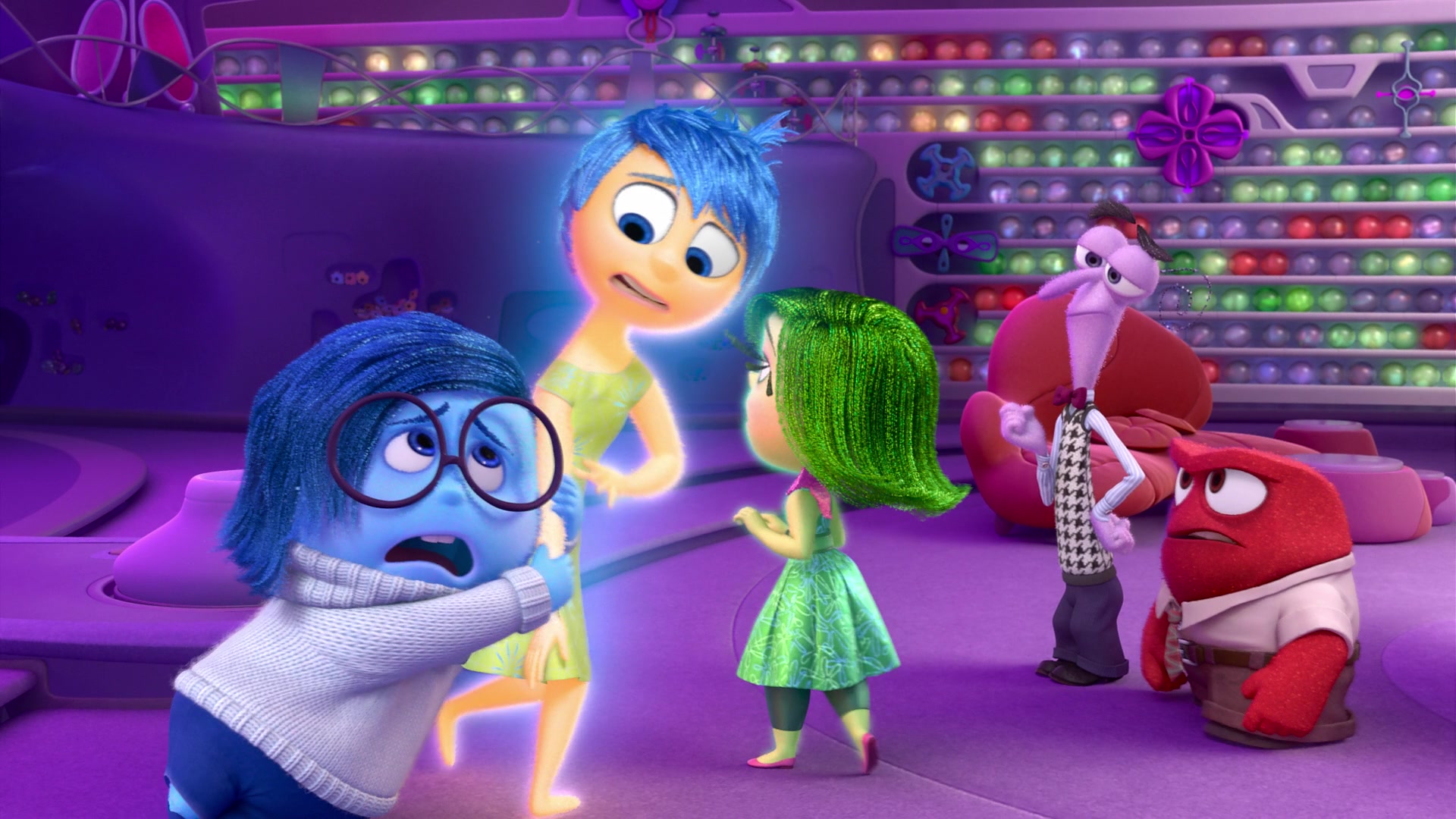
Inside Out (2015, Pixar) uses a different color for each emotion. The meaning of each character is clear as soon as they appear.
Cultural Associations
Color meanings vary across cultures. A color that feels hopeful in one region may feel tragic in another.
- White is often associated with purity, innocence, or new beginnings in Western traditions, such as weddings. In contrast, white is traditionally worn at funerals in several East Asian cultures, including China and Japan, where it symbolizes mourning and the afterlife.
- Red commonly signals danger, urgency, or intense emotion in American films and Western design. In Chinese culture, red represents happiness, luck, and prosperity, and is used in festivals, weddings, and other celebrations.
- Black often carries different meanings depending on cultural context. In Western cultures, it can symbolize both mourning and authority. It’s worn at funerals but also used for formal events, legal robes, and luxury fashion. In many East Asian cultures, black may represent stability, wisdom, or formality, while white is more often linked to mourning.
Summing Up
Color theory is a system for choosing and combining colors in ways that affect emotion, clarity, and meaning. When you understand hue, saturation, brightness, temperature, and contrast (and how these ideas work inside digital color models), you gain control over how each shot communicates. The result is sharper, clearer visual storytelling.
Read Next: How do you design the look of a film?
Visit our Production Design section to learn how sets, props, and color palettes support story, character, and tone from the start.
Want the full picture? Explore the Pre-Production archive for everything that happens before cameras roll—from visual planning to script breakdowns.
