

Published: November 28, 2025

What is Concept art in film? Definition & Meaning
Concept art is a type of visual art created to represent ideas for characters, environments, props, or scenes before a film, animation, or video game is made. It helps define how everything should look before production begins, so every department works toward the same visual goal. Concept art is usually developed during pre-production and guides the visual style, emotional tone, and design of sets, costumes, props, and visual effects.
The term “concept art” first appeared in the 1930s when Walt Disney Studios began using artwork to plan how characters, backgrounds, and scenes should be drawn, colored, and lit.
Today, concept art is used in film, TV, games, comics, and advertising, anywhere a project needs clear visual references before building sets, creating digital models, or starting animation.
Why Concept Art Matters

Concept art keeps production consistent by giving each department a shared image of what to build, whether it’s a costume, a prop, or a set. This makes it easier to coordinate set designers, costume teams, and VFX artists around a unified design.
It also saves time and money. Instead of building detailed sets or digital models and changing them later, concept artists try out different versions of a creature, location, or costume early on. Choosing the version that best fits the script, tone, or genre helps avoid delays and wasted effort.
Concept art improves communication across teams. When you’re designing a sci-fi city, fantasy castle, or stylized costume, a single image can show size, texture, lighting, and color better than a written description. This helps directors, producers, and department leads decide what to approve, adjust, or remove based on how the design supports the story.
While concept art is used early in the design process, related techniques like matte painting come later, building final backgrounds and landscapes that appear in the finished film.
Types of Concept Art
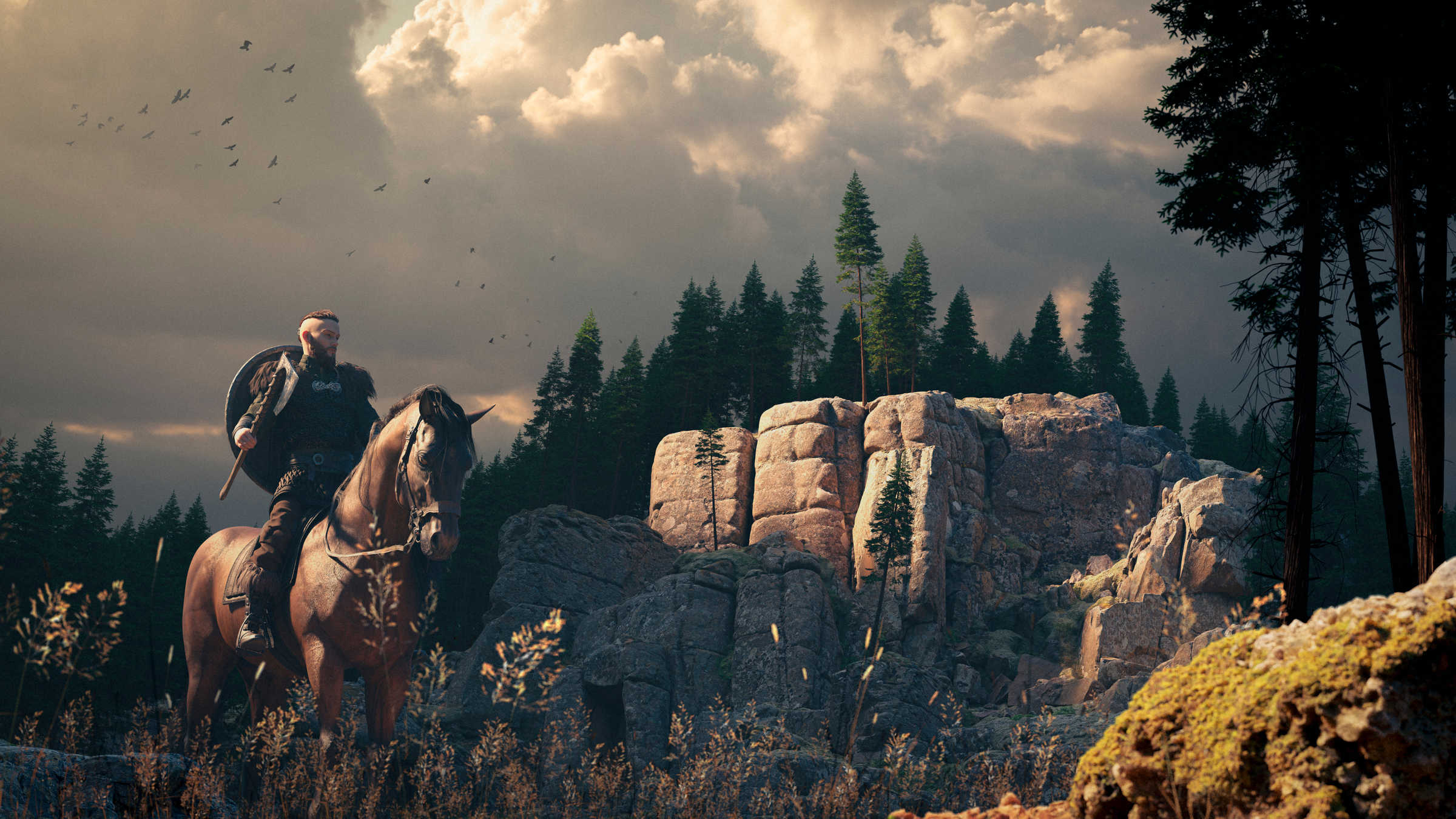
Each type of concept art supports a different part of your project. These are the most common categories:
- Character design: Shows a character’s clothing, posture, personality, and emotional expression.
- Environment design: Develops the layout, lighting, and atmosphere of locations, including the time of day, weather, and emotional tone (like cold, warm, quiet, or chaotic).
- Prop and vehicle design: Explores the shape, materials, and function of weapons, gadgets, vehicles, or tools that characters use.
- Keyframes or mood art: Captures a specific story moment (like a sunset battle, a tense hallway, or a quiet emotional scene) using light and color to show tone and intensity.
How Concept Art Works
Concept art starts early in pre-production and goes through several stages. It begins with loose sketches and ends with a detailed image that other departments use to plan costumes, sets, lighting, or effects. The goal is to make decisions before production begins, not during it.
The Artist’s Role
Concept artists take a script, verbal idea, or outline and turn it into visual material, basically designing the visual look of the film.
They create rough sketches, color thumbnails, or layout tests to explore different versions of a creature’s design, a costume style, or a spaceship interior.
Before sketching, concept artists often create mood boards, i.e., visual collages of reference images that show lighting, texture, architecture, or color schemes. These help align the team on the project’s tone and give the artist a visual foundation to start from.
The goal is to clearly show how something looks, feels in context, and works in the story.
Most artists work digitally using software like Photoshop, Procreate, Blender, or ZBrush. These tools let them revise quickly and share files easily. Some artists sketch by hand during early brainstorming but switch to digital tools for refinement and presentation.
Collaboration and Workflow
Concept artists work closely with the film director, the production designer, and key department leads, including art directors, costume designers, set decorators, and VFX supervisors. One artist might focus on costumes while another works on props or backgrounds.
Their goal is to make sure every visual element supports the overall tone and style of the project. Once the designs are approved, they become reference material for teams who build sets, create costumes, animate characters, or add digital effects.
How Concept Art Differs from Other Visual Tools
Concept art is not the same as storyboarding. Storyboards plan how scenes move, showing camera angles and timing. Concept art shows what something looks like. It focuses on visual design, not motion.
It’s also different from illustration. Illustration is often polished and made for print or display. Concept art is made to solve design problems, like how to show a character’s age, how a building should feel futuristic, or how a fantasy creature should move. Its job is to guide production teams during planning, not to serve as finished art.
Summing Up
Concept art is early visual planning for film, animation, or games. It turns early script ideas or descriptions into detailed sketches that guide production. Whether you’re designing a character, location, or object, concept art shows the look, tone, and layout before anything is built. It helps teams work together, supports clear design decisions, and keeps the final project visually unified.
Read Next: How do you design the look of a film?
Visit our Production Design section to learn how sets, props, and color palettes support story, character, and tone from the start.
Want the full picture? Explore the Pre-Production archive for everything that happens before cameras roll—from visual planning to script breakdowns.
